
Hair PRP and GFC Treatment in Rohini, Delhi
PRP and GFC are prepared from a small sample of your own blood and injected where the scalp is thinning, with the aim of supporting follicles that have weakened but not yet disappeared. Neither is a cure, and neither suits every kind of hair loss, so the cause is checked first. A course runs over several months, and the assessment, every session and each review take place at our Rohini clinic in North-West Delhi.
- Cause of the thinning checked before any session
- Sessions and reviews at the Rohini clinic
- Progress judged on baseline photographs
- Whole course quoted in writing after assessment
Rohini Clinic
North-West Delhi
Request a call back
Talk to the Rohini clinic about PRP or GFC for your hair
Leave your number and the clinic will call you during opening hours (Mon–Sat: 10:00 AM – 06:00 PM · Sun: 09:00 AM – 05:00 PM) to arrange a consultation. Prefer to message? WhatsApp the clinic.
Diagnosis first
Response measured
A course you can stop
Registered doctors
Two treatments, one family
What PRP and GFC Actually Are
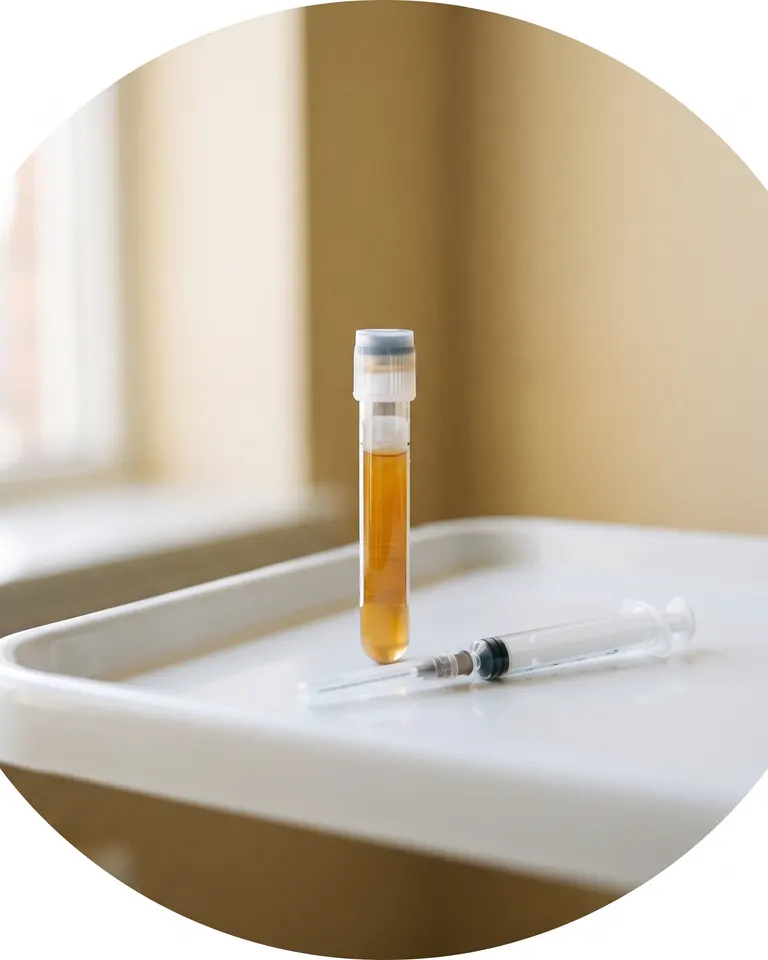
Both begin with a small blood sample from your arm, processed in the clinic. Platelets carry growth factors, the signalling proteins the body uses for repair, and the thinking is that placing them around weakening follicles helps keep those follicles in their growth phase for longer.
For PRP the blood is spun so the platelet-rich plasma separates, and that plasma is injected; the platelets release their growth factors gradually in the scalp. For GFC the platelets are broken down during preparation, freeing their growth factors, and the cells are filtered out so only the concentrate is injected.
That is a real difference in what goes into the syringe, but it has not been shown to give a better result. GFC’s evidence is smaller and newer than PRP’s, and PRP’s own trials are mostly small and short, with preparation varying between clinics. More on GFC treatment in Rohini and in does PRP work for hair loss.
- PRP: plasma with concentrated platelets, injected at follicle depth; the more studied of the two
- GFC: growth factors released before injection and the cells removed; not shown to outperform PRP
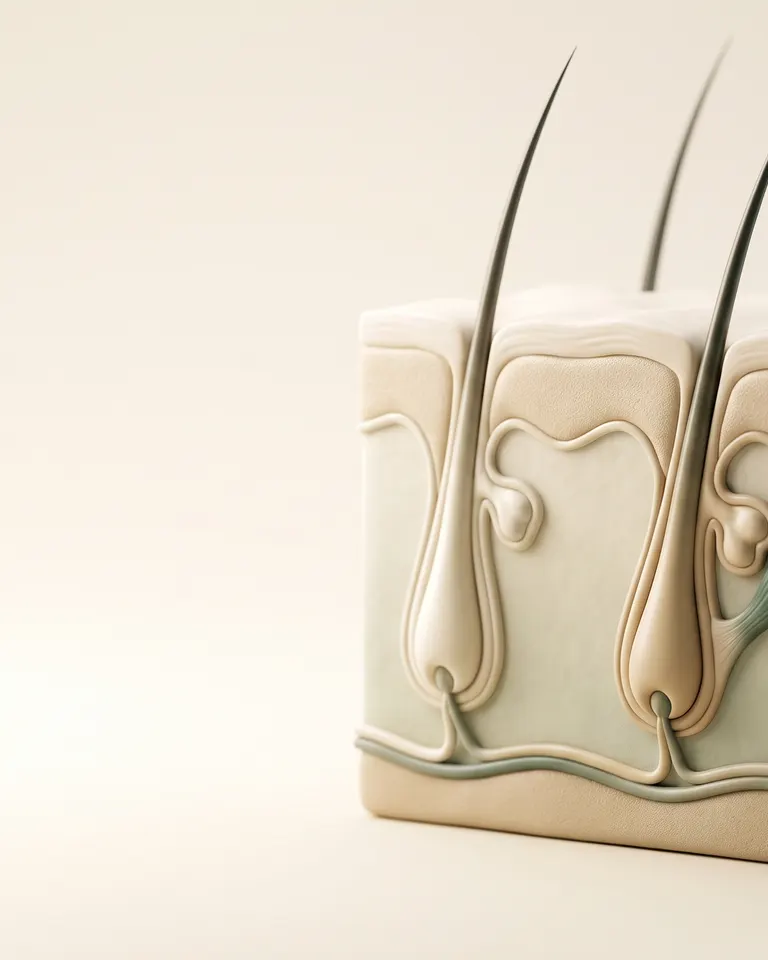
- Neither creates new follicles: on a bald, smooth scalp there is nothing left for them to support
Side by side
PRP vs GFC: How the Two Compare
Both are made from your own blood on the day and used for the same kinds of thinning. The differences are in preparation, evidence and price, not in a proven difference in hair.
Questions worth asking any clinic about a PRP or GFC course
- Has my scalp been examined, and iron, thyroid and other causes checked first?
- Who draws, prepares and injects? A doctor should give the injections.
- Is the preparation the same at every session?
- How many sessions, how far apart, and what does the whole course cost?
- When is the response reviewed, and against which photographs?
- What happens to the plan if the review shows no change?
One preparation at a time
Mix PRP, GFC or other injections in one course and nobody can tell which did anything. One preparation, judged on standardised photographs, tells you more. These questions apply to any clinic, including this one; more on GFC treatment in Rohini.
Suitability
PRP for Hair Fall: Who It May Suit, and When It Will Not Help
These treatments act on follicles that are still alive. That decides most of the question; the examination decides the rest. If you are not yet sure what kind of hair loss you have, the six-question hair loss self-assessment is a starting point, though not a diagnosis, and hair fall treatment at the Rohini clinic covers how the cause is found.
May be considered for
- Early to moderate pattern thinning with follicles still present
- Diffuse thinning in women, after thyroid, iron, vitamin D and hormone problems are ruled out or treated
- Holding on to the existing hair around an earlier transplant
- People who cannot take, or would rather avoid, hair-loss medication
Unlikely to help
- A bald, smooth or scarred scalp
- Shedding from untreated low iron, thyroid disease or a vitamin deficiency
- Telogen effluvium, which usually settles once its trigger has passed
- Active alopecia areata, which needs its own treatment
When treatment is postponed or not offered
An infection or dermatitis on the scalp, a low platelet count or a bleeding disorder, blood-thinning medicine that has not yet been reviewed, blood cancers and some other active cancers, poorly controlled illness, and pregnancy or breastfeeding. This is not a complete list, so bring every medicine you take to the consultation.
Blood tests, where your history points to them, cover iron stores, thyroid function, vitamin levels and a platelet count, with hormonal tests for some women. See which blood tests matter for hair fall.
Step by step
What Happens at the Rohini Clinic
The first visit is an assessment, not an injection, and sessions start only once the reason for the thinning is clear. A typical initial course is three or four sessions about four weeks apart, then maintenance every three to six months if it is working.
-

Step 01
Consultation and examination
When the thinning began, how quickly it is changing, family history, your medicines and what you have tried. Magnification (trichoscopy) then separates pattern thinning from shedding, patchy loss or a scalp condition.
-

Step 02
Tests, photographs and a plan
Blood tests if your history points to them, baseline photographs at fixed angles and lighting, and a written plan naming PRP or GFC, the number of sessions and the cost of the whole course.
-
Step 03
Each session
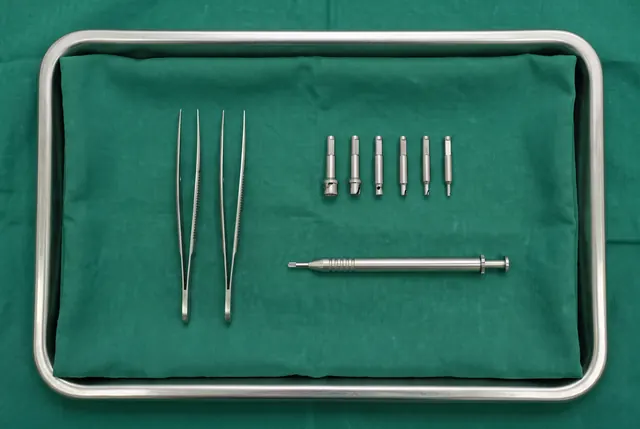
Blood is drawn and processed, the scalp is cleaned and cooled or numbed, and the preparation is injected across the thinning areas. Usually 30 to 60 minutes; most people return to work the same day.
-

Step 04
Review
At three to six months your photographs are set beside the baseline before anything is repeated.
Results, review and risks
What to Expect Over the Months
A general picture, not a promise: hair changes slowly, results vary between people, and your own course is judged against your baseline photographs.
Less shedding
Usually the first change people notice. An early signal, not yet a result.
Review
Density and visible scalp compared with the baseline photographs.
Stop
The course ends and the plan changes, rather than more sessions being added.
Maintain
Sessions commonly every three to six months, usually alongside medication.
Side effects
Tenderness, redness, pinpoint marks or mild swelling for a day or so, an occasional headache and a bruise where the blood was taken. Because the material comes from your own blood, a reaction to it is not expected, but infection at an injection site is uncommon rather than impossible.
Limits worth hearing first
Neither treatment cures or halts pattern hair loss, any benefit lasts only with maintenance, and a proportion of people do not respond. PRP or GFC is normally added to medical treatment rather than used instead of it. Minoxidil, and finasteride in men, are better studied, but neither is a cure and both have side effects to discuss before starting; see minoxidil and finasteride.
After a session
Leave the scalp alone for the rest of the day. For a short time, avoid heavy exercise, saunas, steam rooms and swimming pools, and hold off colouring or chemical treatments. Your written aftercare sheet gives the details.
Recovering in Delhi
After a Session in Delhi: Heat, Smog and Helmets
General practicalities for the day or two after a session. Your written aftercare sheet comes first wherever it differs.
-
Summer heat and sweat
Heavy sweating is one of the things to avoid briefly. In the hotter months, plan the rest of the day somewhere cool and leave the gym or outdoor sport until your aftercare sheet allows.
-
Smog and dust
Winter smog and roadside dust do not change the treatment, but a tender scalp should be kept clean. Wash when your sheet allows, and avoid rubbing or scratching it.
-
Two-wheeler helmets
The scalp can be tender for a day or so, so a helmet may feel sore. Keep the liner clean, and mention at the session if you ride every day.
-
Planning the course
Sessions about four weeks apart make the review a fair test. Book them around travel, weddings and festivals so the intervals hold.
Cost guidance
PRP Cost Factors in Rohini
A single-session price tells you little on its own, so we do not publish one. Your course is quoted in writing after the assessment.
When comparing quotes from any clinic, compare the whole course: how many sessions, what each includes, and what happens if the review shows no change. Read the questions to ask before buying a multi-session package before you pay for one.
Instalment options through third-party lenders may be available; ask at the consultation, and read cost and EMI options before signing anything.
- PRP or GFC: GFC is often priced higher, and its evidence does not show an advantage
- Sessions in the course: planned from the diagnosis and adjusted by response
- Area treated: a small crown area needs less than a broad thinning zone
- Medication and maintenance: separate lines on the estimate, stated at the start

Meet the doctor
Dr. Nyra, MBBS, MD (Dermatology)
Owner & Chief Consultant, DenceSpot Clinic
MBBS from Dr. D. Y. Patil Medical College and an MD in Dermatology, followed by three years of clinical work in Germany — two at Bio Hair Clinic and one at St. Georg Klinikum Eisenach.
Treatment at the Rohini clinic is carried out by registered medical practitioners. Every doctor at DenceSpot is listed below with their qualifications.
Qualification
MBBS, MD (Dermatology)
Training
3 years, Germany
Specialisation
Dermatology
Visit the Rohini clinic
Visit Our Rohini Clinic
PRP and GFC sessions take place at our Rohini clinic in North-West Delhi, near the Outer Ring Road. An initial course and its maintenance can add up to six or more visits over a year, and sessions kept to their planned intervals make the review a fairer test.
- Address
- 6, Dividing Road, near DDA Market, Pocket 3, Sector 5, Rohini, New Delhi, Delhi, 110085
- Phone
- +91 95406 99152
- Hours
- Mon–Sat: 10:00 AM – 06:00 PM · Sun: 09:00 AM – 05:00 PM
Rohini, Delhi
Other Treatments at Our Rohini Clinic
Every treatment below is carried out at the Rohini clinic, and each starts with an examination and a written plan. See the Rohini clinic page for directions and hours.
Hair transplant
PRP and non-surgical hair treatment
Hair fall and scalp
Beard and eyebrow
Rohini, Delhi
Find Out Whether PRP or GFC Is Worth Starting
Book an assessment at the Rohini clinic. You will have your scalp examined, the tests your history calls for, and a straight answer on whether an injection course makes sense for you, or whether something else should come first.

DenceSpot Clinic · Rohini, Delhi
Hair Treatments in Rohini, Delhi
PRP & Non-Surgical Hair Treatment 10
Hair Transplant 16
- Hair Transplant in Delhi
- FUE Hair Transplant in Delhi
- FUE Hair Transplant in Rohini
- DHI Hair Transplant in Delhi
- DHI Hair Transplant in Rohini
- Unshaven Hair Transplant in Delhi
- Unshaven Hair Transplant in Rohini
- Hairline Transplant in Delhi
- Hairline Transplant in Rohini
- Crown Hair Transplant in Delhi
- Crown Hair Transplant in Rohini
- Hair Transplant for Women in Delhi
- Hair Transplant for Women in Rohini
- Hair Transplant Repair in Delhi
- Hair Transplant Repair in Rohini
- Hair Transplant Cost in Rohini
Hair Transplant Doctors 2
Beard & Eyebrow Transplant 5
Address, timings and every treatment at the clinic: Hair & Skin Clinic in Rohini, Delhi