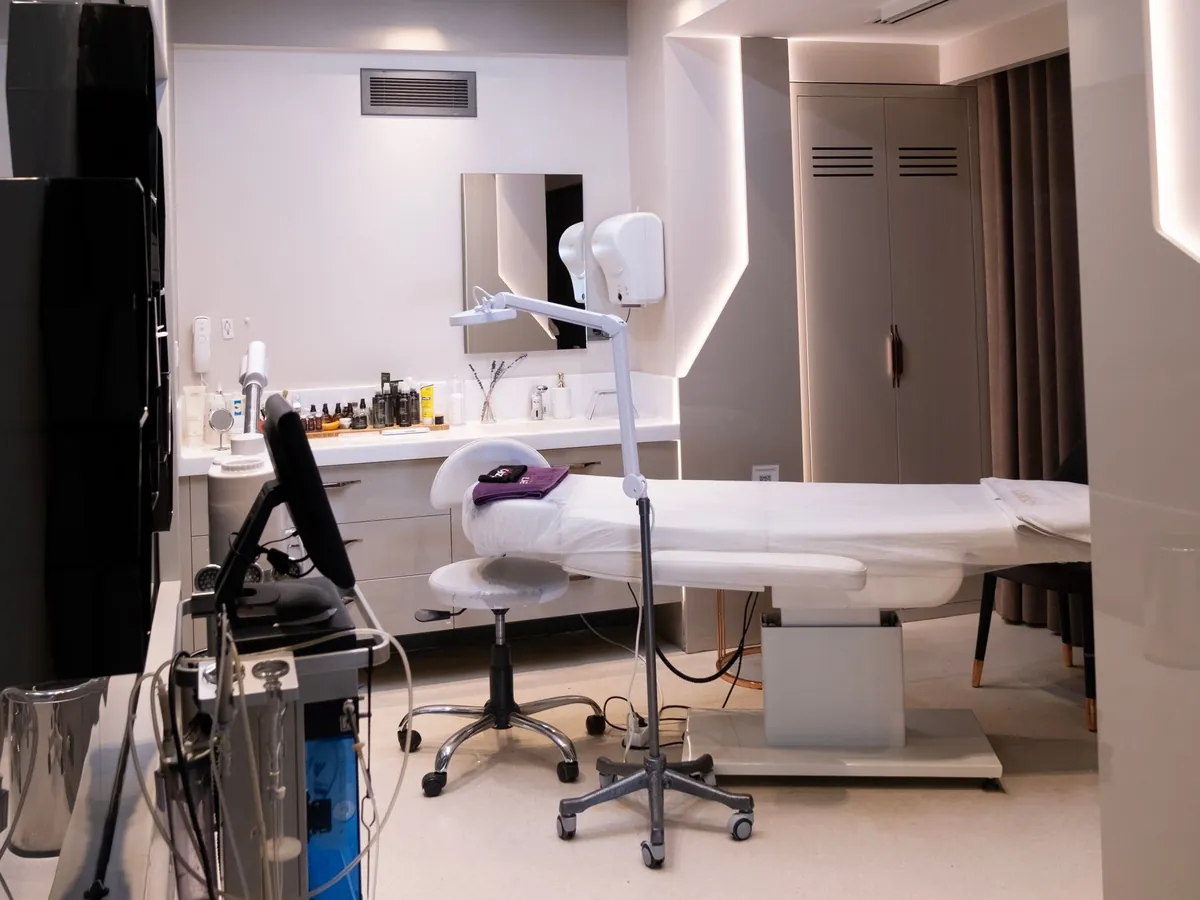

Representative image of a clinic treatment room with a treatment couch, lamp and equipment

Representative image

Rohini, North-West Delhi

DHI Hair Transplant in Delhi

Grafts taken as in FUE, then set one at a time with a hollow-needled implanter pen that opens the site and seats the hair in the same motion — at our Rohini clinic, where DHI is planned for the zones in which that control shows, with the estimate in writing.

  • Hairline drawn with you
  • Each graft set by pen
  • DHI or FUE, zone by zone
  • Itemised written estimate

Image: representative, not the Rohini clinic

About the treatment

How DHI Places Each Graft

DHI, or direct hair implantation, is not a separate operation but a different way of putting grafts back. The follicular units are removed from the donor area exactly as in FUE. Each is then loaded into a pen-shaped implanter with a hollow needle, and the doctor makes the opening and delivers the graft in a single movement, setting its depth, angle and direction.

That control matters most where hair leaves the skin at a shallow angle: the first rows of a hairline, the temples and the gaps between hair you still have. Over a large crown it adds time and cost without adding coverage. In Delhi, DenceSpot offers DHI at its Rohini clinic, where registered medical practitioners plan and perform it.

Where DHI Placement Usually Fits

A general guide by zone, not a plan.

Where DHI Placement Usually Fits — A general guide by zone, not a plan.
ZoneUsually placed by
Front rows of the hairline DHI
Temples DHI
Grafts among existing hair DHI
Small, defined sessions Often DHI
Mid-scalp Usually FUE
A large crown FUE placement

Many plans mix the two, and the reasoning for each of your zones is written into the estimate.

  • PlacementOpening and graft in one movement
  • PaceSlower per graft than FUE placement
  • RecoveryThe same as after FUE
  • Result judgedAt about 10–12 months

Why DenceSpot

Why Choose DenceSpot for DHI Hair Transplant in Delhi?

How DHI is planned at the Rohini clinic: the line first, then the zones where an implanter earns its extra time.
  • Hairline Drawn Sitting Upright
  • DHI Only Where It Helps
  • Donor Measured First
  • Zone-by-Zone Written Plan
  • Photographed Reviews
  • Rohini Clinic, North-West Delhi
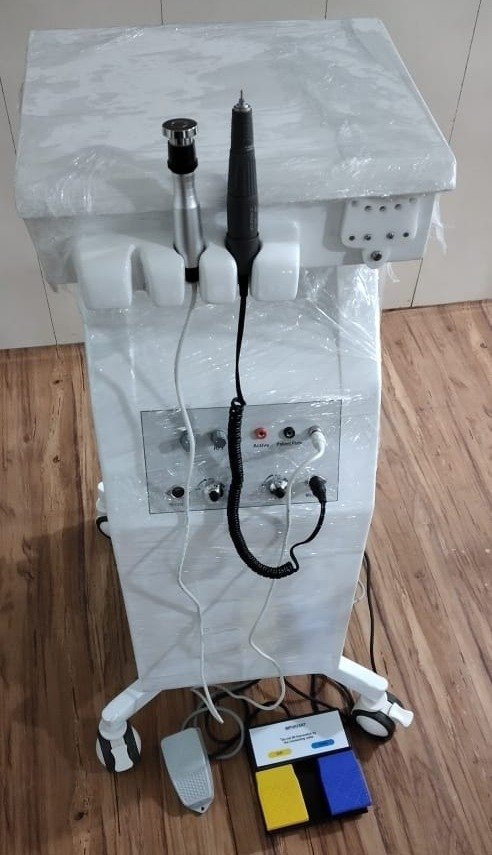
Motorised FUE handpiece used at DenceSpot Clinic to take follicular units one at a time
  • Grafts extracted as in FUE
  • Front rows set one by one
  • DHI and FUE mixed by zone
DenceSpot’s FUE handpiece

Results

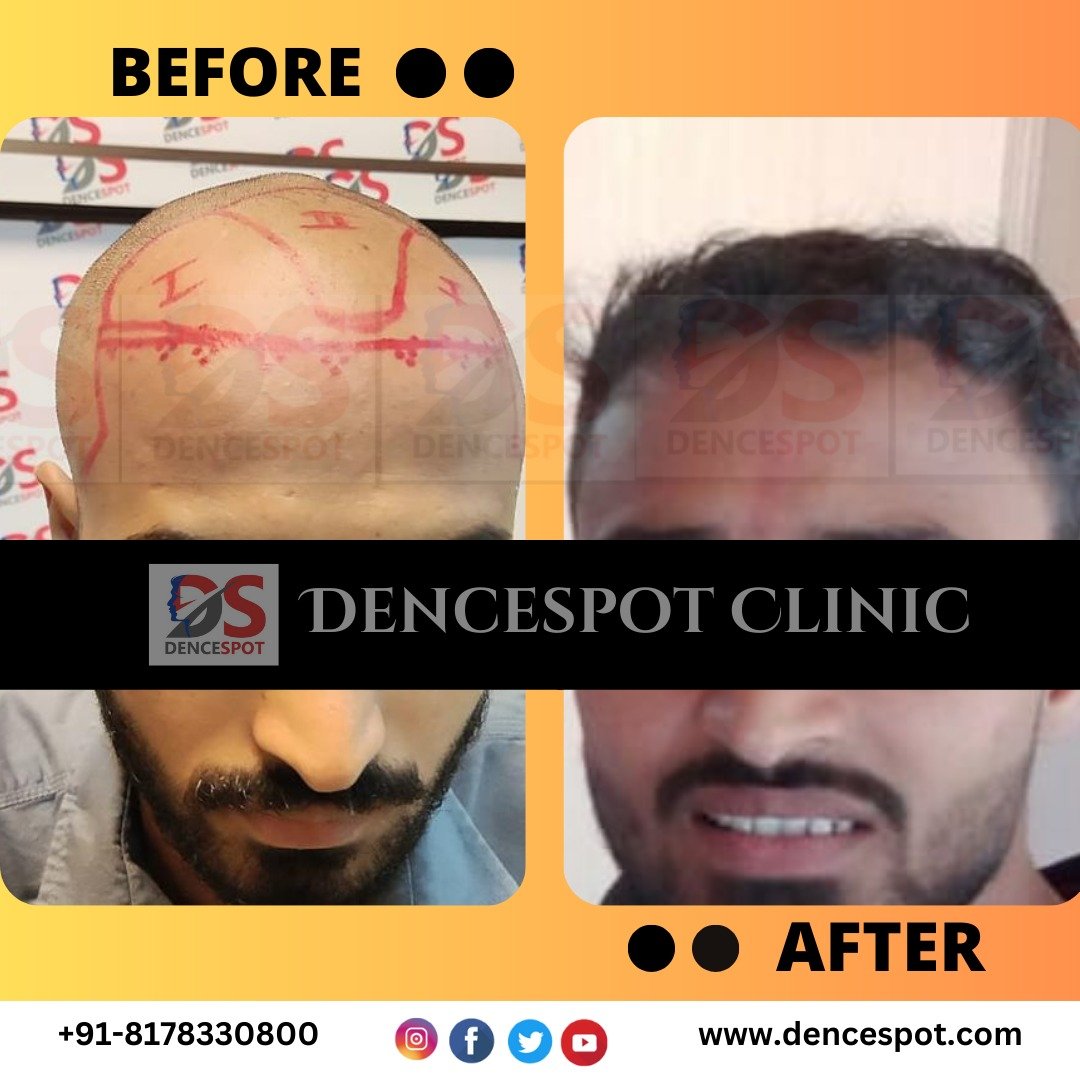
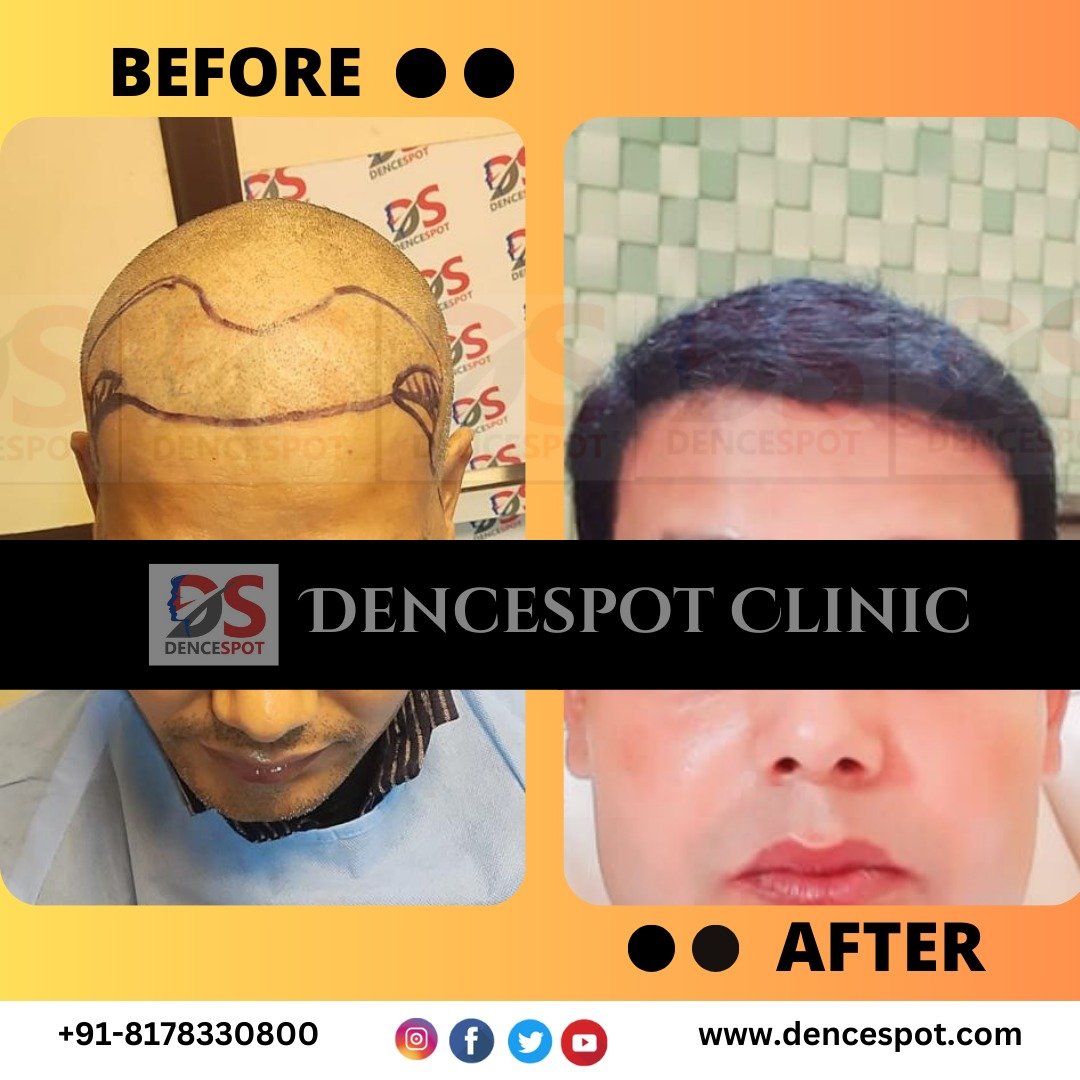
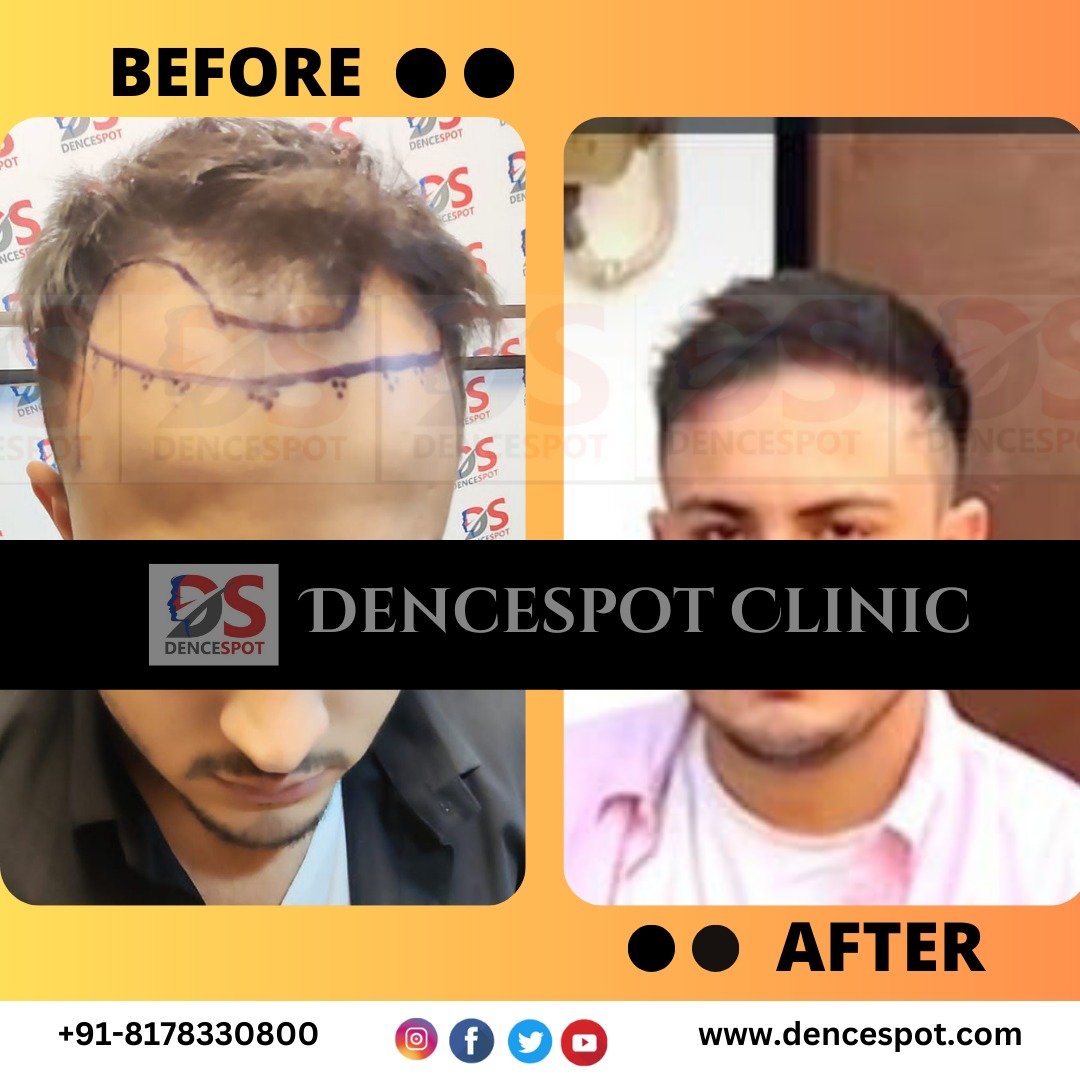
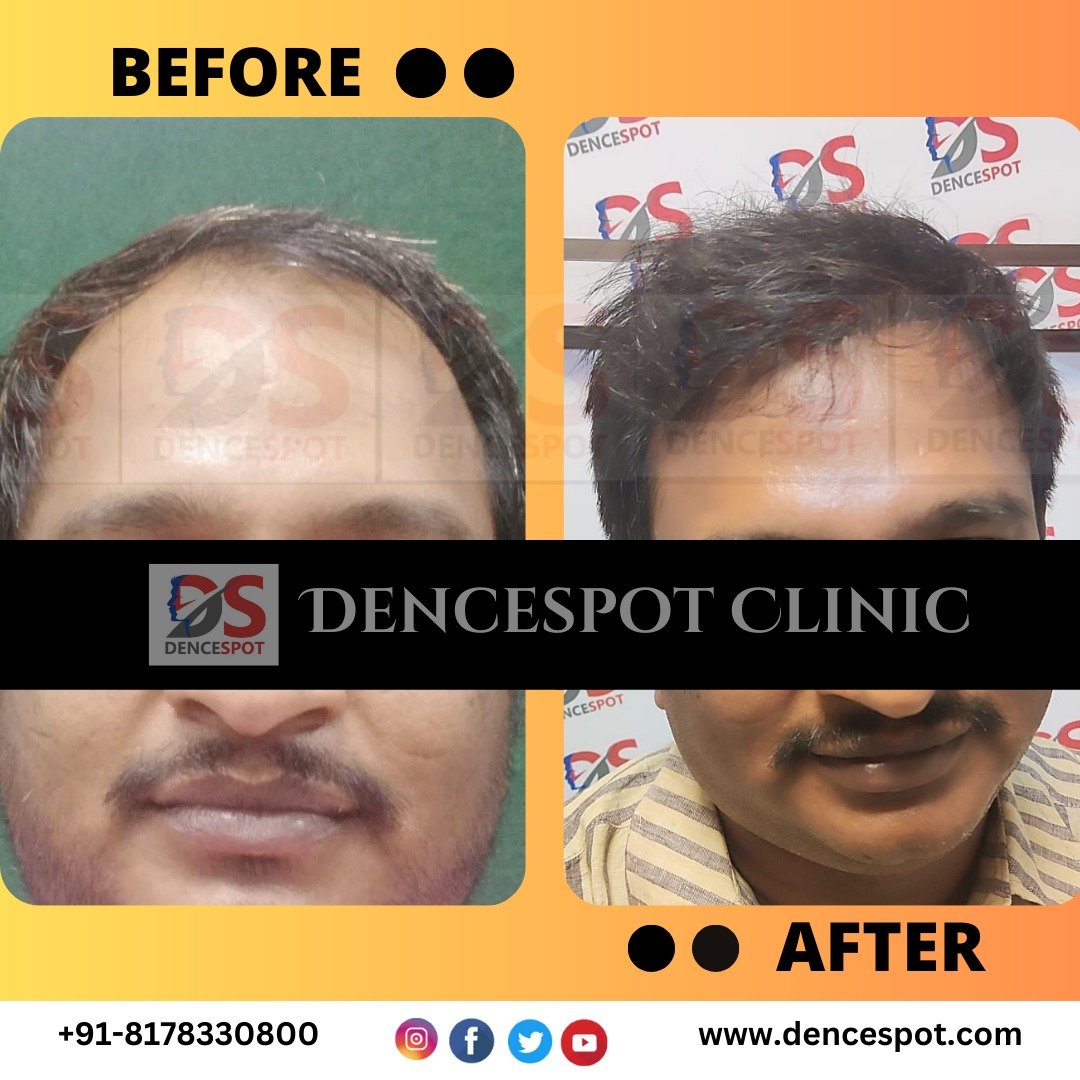
Hair Transplant Before and After Results

Consented photographs of DenceSpot patients, not digitally altered. They show what happened for these patients, not what will happen for you.

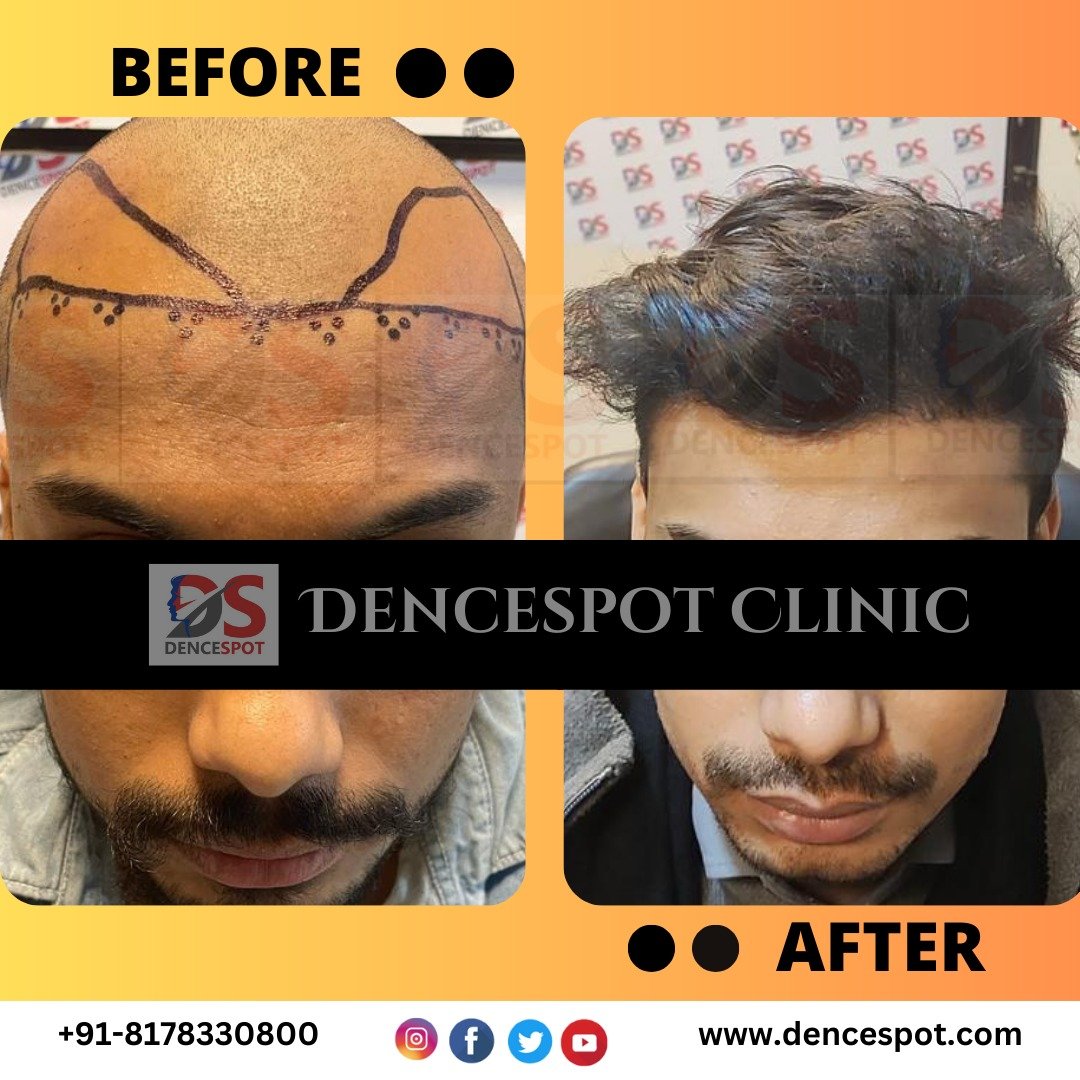
Before and after as marked on each photo. Technique, graft count and the time between photographs are not recorded on these images.

Suitability

Who DHI Hair Transplant May Suit

DHI suits zones more than people. Whether it is worth its extra cost for you depends on where your grafts are going, which the examination and the hairline drawing settle.

Usually Worth Considering For

  • A receding hairline whose first rows need rebuilding
  • Temple recession, where fine hair lies at sharp angles
  • Adding grafts among hair that is still growing
  • Small, defined sessions with little trimming
  • Softening a hairline placed earlier

Usually Not Worth It, or Postponed

  • A large crown that needs coverage more than angle
  • Very large sessions across several zones
  • Hoping for faster healing; recovery is the same
  • Loss still moving fast, or a thin donor area
  • Active alopecia areata, or an untreated cause such as low iron

Before Paying Extra for DHI

Ask how grafts will be placed in each zone. Sharp implanters make the opening and place the graft together; blunt ones push grafts into openings made first, a hybrid sometimes sold as DHI; forceps into pre-made sites is FUE placement. None of these is wrong, but you should know which one you are paying for.

Women with thinning at the front or the parting sometimes fit DHI once medical causes have been looked into: see hair transplant for women. For the extraction side, read FUE in Rohini.

Our doctors

Meet the Doctors at DenceSpot

Every case starts with an examination by a doctor. The doctor who will treat you at the Rohini clinic is named at your consultation, and you can ask for their qualifications, registration and experience with the technique planned for you.

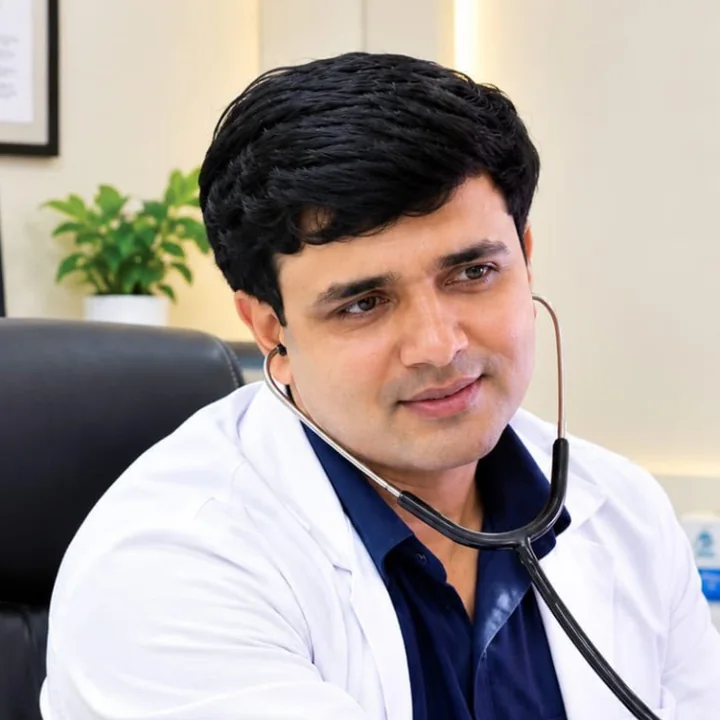
Dr. Nyra, MBBS, MD (Dermatology), at DenceSpot Clinic

Dr. Nyra

MBBS, MD (Dermatology)

Owner & Chief Consultant
  • Trained at Dr. D. Y. Patil Medical College
  • 3 years of clinical work in Germany
  • 8 years of experience
  • Consults at Rohini, Delhi
View profile of Dr. Nyra
Dr. Akash at DenceSpot Clinic

Dr. Akash

  • Trained at Universitätsmedizin Neumarkt a. M. Campus Hamburg (UMCH)
  • 1-year fellowship in hair restoration, D. Y. Patil
  • 10 years of experience
  • Consults at Rohini, Delhi

Placement options

DHI or FUE Placement: Which Zone Gets Which

Both start with the same extraction, so the choice is about how each graft goes back in. A common plan uses DHI at the front and FUE behind it.

DHI Implanter Placement

The opening and the graft go in together, with depth, angle and direction set for each hair. Needle sizes are matched to the graft, finer for single hairs at the front. It is slower, and the implanter tips are used once, so it usually costs more per graft.

  • Fine control at shallow angles
  • Works between existing hair
  • Higher cost per graft

FUE Placement

Openings are made across the area first and the grafts set into them. It covers larger zones in less chair time and at a lower cost per graft, with the same growth timeline.

  • Efficient over the crown
  • Suited to larger graft numbers
  • Lower cost per graft than DHI

How the Doctor Decides the Mix

  • The hairline drawing agreed with you in a mirror
  • How much existing hair the grafts must sit among
  • The total graft count and the length of the day
  • How much trimming you can accept
  • Whether the extra cost buys anything in each zone

DHI and Related Pages for the Rohini Clinic

Other Hair Transplant Pages for Delhi

How it works

How a DHI Hair Transplant Is Done

Five stages at the Rohini clinic. DHI days run long, and your own timings are given beforehand.

  1. 01

    Drawing the Line

    The hairline marked with you sitting upright and checked in a mirror until you both agree.

  2. 02

    Zone Plan

    Which zones get DHI and which FUE, the graft count and the estimate, all in writing.

  3. 03

    Extraction

    The donor trimmed and numbed, and follicular units removed one at a time, exactly as in FUE.

  4. 04

    Pen Placement

    Grafts sorted by hair count, loaded into implanters and set one by one, usually after a break to eat.

  5. 05

    Reviews

    A first-week wash and check, then photographed reviews as the hair sheds and regrows.

The two placement methods are compared in FUE vs DHI; the healing, week by week, in the first 14 days after a hair transplant.

After the procedure

Recovering From DHI in Delhi

DHI does not shorten recovery: the donor, the healing and the growth timeline are the same as after FUE. General timings; your written aftercare comes first.

  • The first week: forehead swelling may appear and settle, and crusts sit over each placed graft
  • Days ten to fourteen: the crusts loosen and wash off with the routine you were shown
  • Within the first month: the transplanted hairs commonly shed, as after FUE
  • From three to four months: new hair starts, and the result is judged at ten to twelve

Healing Through a Delhi Season

Summer heatRest somewhere cool on hot days and let sweat dry rather than towelling the grafts.
Smog seasonKeep outdoor time short on poor-air days; an ear-loop mask keeps straps off the head.
Helmets and capsArrange cabs; only a loose-fitting helmet, and only once a review clears it.
Gym and sportFull training usually resumes at around three to four weeks, swimming at about four.

Cost

DHI Hair Transplant Cost in Delhi

DHI usually costs more per graft than FUE placement, because every graft is loaded on its own and implanter tips are used once. How much more depends on how many of your zones use it, so the estimate, itemised in writing after your assessment at the Rohini clinic, shows the mix.

Graft countMapped zone by zone from the agreed drawing.
DHI and FUE mixDHI throughout, or only for the front rows.
TrimmingWorking between long hair is slower and costs more.
SessionsOne sitting, or staged over two.

Two quotes for the same number of grafts can differ a lot once the DHI share differs, so compare them zone by zone and check whether each counts grafts or hairs.

What Your DHI Estimate Sets Out

  • Which zones are placed by DHI, and why
  • The graft range for each zone
  • Local anaesthesia and recovery medication
  • Reviews through the first year
  • The total payable, with exclusions named

Instalments through third-party lenders may be possible; the lender sets the interest and terms.

Patient reviews

Reviews of Our Rohini Clinic on Google

Reviews of DenceSpot’s Rohini clinic are on its Google Business Profile, unedited and in each reviewer’s own words. This page does not reproduce testimonials.

FAQs

DHI Hair Transplant in Delhi: FAQs

General patient education. Anything specific to your zones, health or budget is answered at the consultation.

Who is DHI hair transplant suitable for?

People whose grafts are mainly going into the hairline, the temples or among existing hair, where the angle of each hair shows most. The basics are the same as for any transplant: loss that has settled and a donor area with hair to spare. Over a large crown, FUE placement usually does the job for less.

How many grafts can DHI place in one day?

Fewer than FUE placement in the same time, because each implanter is loaded with one graft at a time. That is why DHI suits hairlines and small, defined sessions, and why very large plans usually use FUE behind the front. The graft calculator gives a rough range; your count comes from the examination.

Is recovery quicker after DHI?

No. Recovery is the same as after FUE, because the extraction, the healing and the growth timeline do not change. Most people return to desk work within a few days, crusts settle over the first week or two, and helmets wait until a review clears them.

How much does DHI hair transplant cost in Delhi?

There is no set fee. It follows the graft count, how many zones are placed by DHI, how much trimming is done and whether the work is staged, and the estimate comes itemised, in writing, after your assessment at the Rohini clinic. The Rohini cost guide explains each factor.

Does DHI hurt?

The numbing injections at the start are the part most people find uncomfortable. After that the donor and recipient areas are numb, though you may feel pressure. Soreness, tightness or swelling for a few days is common and is managed with the medication prescribed for you.

When will DHI results show?

On the same timeline as FUE. Grafted hairs commonly shed within the first month, new growth begins at around three to four months, and the outcome is judged against standardised photographs at ten to twelve months. Results vary between patients.

Book a consultation

Book a DHI Hair Transplant Consultation in Delhi

Come to the Rohini clinic to have your hairline drawn, your donor area examined and a plain answer on which zones, if any, are worth placing by DHI — with the cost of each option in writing.

Address
Dencespot Clinic, Delhi (Rohini)North-West Delhi (Near Outer Ring Road / Rohini)
Hours
Mon–Sun · 10:00 – 20:007 days a week, Sunday included

Book Your Consultation

The Rohini clinic replies during opening hours (Mon–Sun · 10:00 – 20:00).

Your details are used only to arrange your consultation.

Suitability is decided after clinical assessment. This page is patient education and is not medical advice.

Serving Patients Across Delhi

Call WhatsApp