
Skin Treatment in Rohini for Acne, Pigmentation and Melasma
Skin treatment is carried out at our Rohini clinic in North-West Delhi. It starts with a consultation with a registered medical practitioner about the concern you came in with, whether acne, the marks it leaves, pigmentation, melasma, dry or sensitive skin, or a problem linked to hair, and it continues with review visits you can attend without crossing the city.
- Consultation and treatment at the Rohini clinic
- Diagnosis before any prescription
- Review visits close to home
- Rohini, Delhi · Mon–Sun · 10:00 – 20:00

Rohini Clinic
Request a call back
Talk to the Rohini clinic about your skin
Leave your number and the clinic will call you during opening hours (Mon–Sat: 10:00 AM – 06:00 PM · Sun: 09:00 AM – 05:00 PM) to arrange a consultation. Prefer to message? WhatsApp the clinic.
In Rohini
Cause first
Reviews nearby
Registered doctors

Acne
Acne and Acne Marks
Active acne
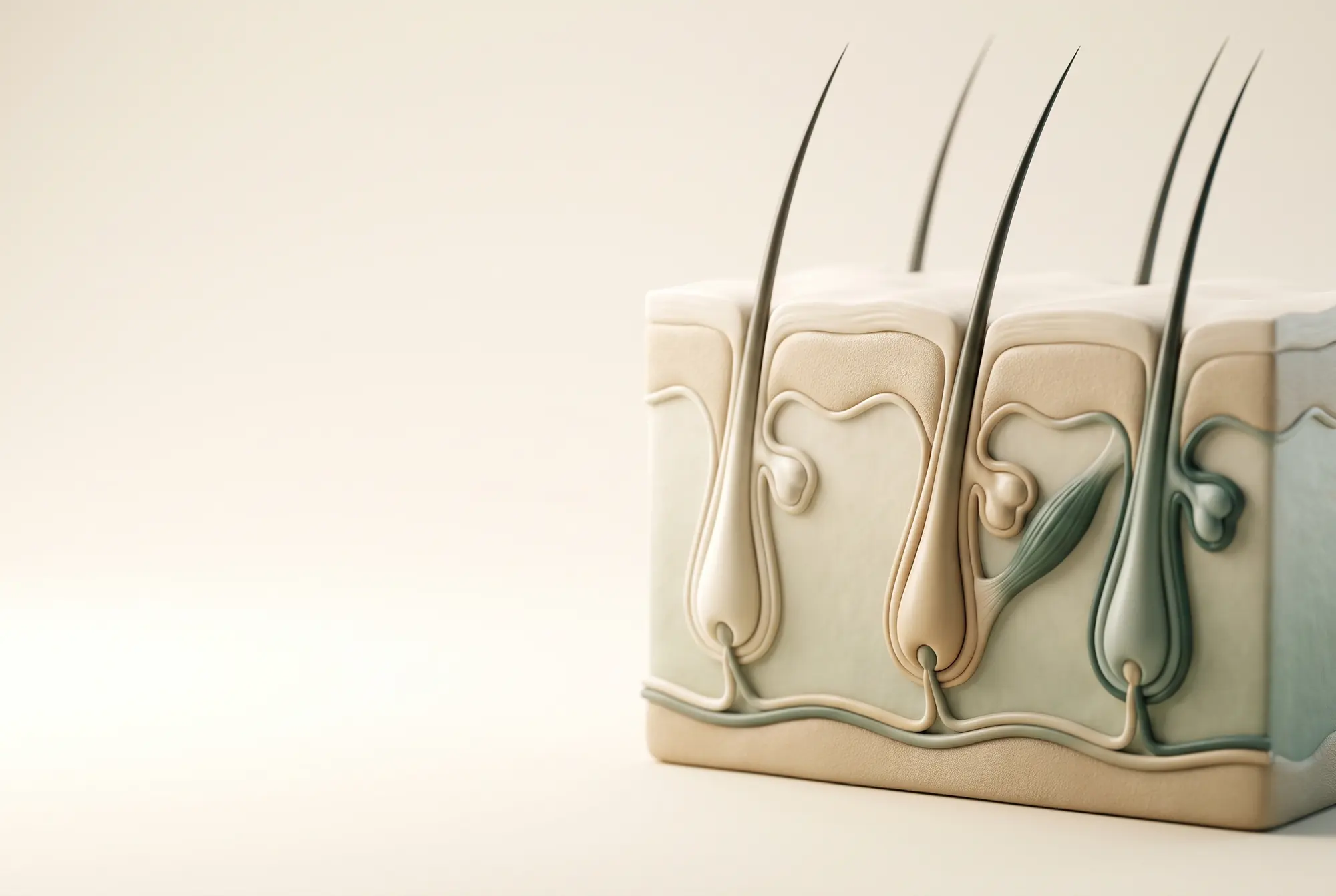
Acne starts in the hair follicle and its oil gland, which is why it clusters on the face, chest and back. The type of spots, where they sit and whether they are scarring decide the treatment: prescription creams for milder acne, with tablets added for moderate, severe or scarring acne. Acne with irregular periods may need blood tests to look for a hormonal cause.
Acne marks and scars
Flat red or brown marks are not scars. They fade over months once the acne is controlled and the skin is protected from the sun. Pitted or raised scars are different: they are assessed once the acne has settled, and procedures are considered only where suitable.
- Acne treatment is first judged at about two to three months, not in the first fortnight
- Creams often cause dryness and irritation at first; tell the clinic rather than stopping
- A lighter maintenance routine usually follows the first course
- Scars improve rather than disappear, and picking spots makes marks more likely
Pigmentation
Pigmentation and Melasma
Pigmentation
Darker patches have many causes: marks left by acne or eczema, sun damage, friction, a reaction to a cream or medicine, and occasionally an internal cause. The pattern, the history and a close look at the skin usually show which one it is, and treating the cause matters as much as treating the colour.
Melasma
Melasma is a symmetrical brown patchiness on the cheeks, forehead, nose or upper lip, linked with sun, heat and hormones, including pregnancy and some contraceptive pills. Treatment means sunscreen every day, prescription creams in courses and then maintenance. It can be lightened and kept under control, but it tends to return.
- Pigmentation is judged over weeks to months, later than acne
- Melasma recurs: sun protection and maintenance continue after it fades
- Daily sunscreen, reapplied outdoors, is part of every plan
- Creams bought without a prescription, including some “fairness” creams, can contain strong steroids that harm the skin over time
Before your visit
What to Bring to Your Rohini Skin Consultation
A skin consultation is most useful when the doctor can see what your skin has been exposed to. Come with bare skin if you can: makeup hides the pattern of acne and pigmentation, which is often what points to the diagnosis.
If you have been using a strong steroid cream, mention it rather than stopping it suddenly the night before; some skin conditions flare when a steroid is withdrawn abruptly, and the doctor can plan how to come off it. Say if you are pregnant, planning a pregnancy or breastfeeding, as several skin medicines are avoided at those times.
- Every product you use on your skin, or clear photos of the labels, including soap and sunscreen
- Any cream bought from a chemist or online, especially “pimple” or “fairness” creams
- Earlier prescriptions and test reports from previous skin treatment
- A list of the medicines and supplements you take
- Photos of a flare, if the problem comes and goes
At the Rohini clinic
What to Expect at the Consultation
No treatment is decided until the skin has been looked at properly. A first consultation usually covers four things.
-
Step 01
Your concern, in your words
What bothers you most, how long it has been there, what has been tried, and what made it better or worse. The diagnosis often starts here.
-
Step 02
A close look at the skin
Examination of the affected areas, including the chest and back for acne, or the scalp where flaking or itching is part of the picture.
-
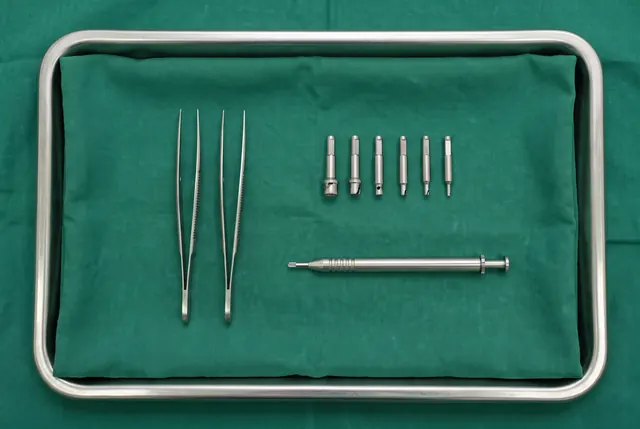
Step 03
Tests, if they would change the plan
Most people need none. Blood tests are advised for a reason, for example acne with irregular periods, before some oral medicines, or darkening of the skin that hints at an internal cause.
-
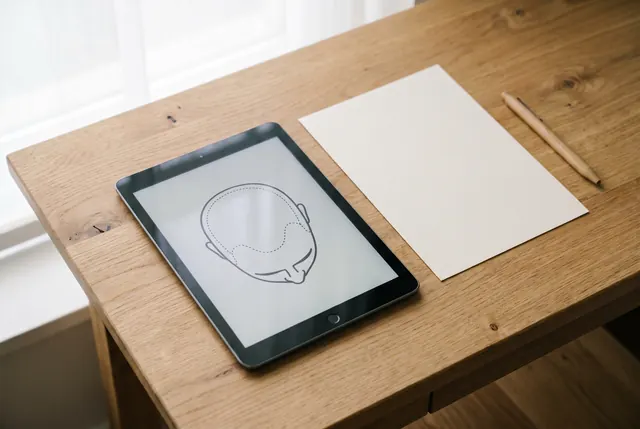
Step 04
A written plan and a review date
What to apply and in what order, which side effects are expected, and when to come back to the Rohini clinic to check progress.
Condition by condition
Skin Concerns at a Glance
What is checked at the consultation, what treatment usually involves and what to expect, for the concerns people most often bring to a skin clinic.
These are general notes, not a plan. Two people with the same diagnosis can need quite different treatment, and what suits you is decided at the consultation.
If a procedure is mentioned
A procedure is discussed only after the diagnosis, and only alongside medical treatment, not instead of it.
Which procedures the Rohini clinic offers, and whether any of them suits your skin, is explained at the consultation.
Face PRP is one of the clinic’s skin treatments. How it works, and what it will not do, is explained on the face PRP page.
Skin in Delhi
Looking After Your Skin Through the Delhi Year
Delhi’s seasons change what the skin needs. These are general points; your own plan is adjusted at the consultation.
-
Summer sun and heat
Strong sun and heat darken melasma and acne marks. Use sunscreen daily and reapply it outdoors; shade and a hat help as much as any cream.
-
Humid monsoon months
Sweat rashes and fungal infections in skin folds are more common. Keep those areas dry, and have a new rash checked before treating it yourself.
-
Riding and commuting
Sweat trapped under a helmet, mask or tight collar can aggravate acne on the forehead, jaw and chin. Wash after a hot commute and keep helmet padding clean.
-
Winter and the smog season
Dry air and hot showers leave many people with drier, more irritable skin. Cleanse gently at the end of the day, use a plain moisturiser and leave scrubs alone.

After the first visit
Follow-Up Visits Close to Home
Skin treatment is rarely one appointment. Creams are adjusted when they irritate, oral medicines are monitored, and melasma needs a maintenance plan once it has faded. With the clinic in Rohini, those reviews are close to home, which makes the schedule easier to keep.
Between visits: if a treatment causes marked redness, swelling, blistering or a rash, contact the Rohini clinic on +91 95406 99152 rather than waiting for your review.
- An early check a few weeks in looks at how the skin is tolerating treatment, so a cream that stings can be adjusted rather than abandoned
- Acne treatment is usually judged at two to three months, pigmentation later, against photographs from the first visit taken with your consent
- Acne and melasma often need a lighter, ongoing routine after the first course; stopping everything as soon as the skin looks better is a common reason for relapse
Before you start
Questions Worth Asking Any Skin Clinic
Whether you see a dermatologist or another doctor, these questions help you understand a plan before you commit to it. A clear answer to each is a reasonable thing to expect, here or anywhere else.
- What is my diagnosis, and what else could it be?
- What does each product do, and in what order do I use it?
- Which side effects are expected, and which should I report?
- When will we judge whether it is working?
- Is any of this unsuitable in pregnancy or while breastfeeding?
- If a procedure is suggested, why now, and what is the risk of darkening on my skin?
- What will the whole plan cost, including reviews and products?
- What happens when the course ends: is there a maintenance plan?
Honest limits
What to Keep in Mind Before Starting
Skin treatment is slow and works within limits. These are the ones that matter most when deciding whether to begin.
- Results vary from person to person, and no particular result can be promised
- Melasma recurs; sun protection and maintenance continue after it fades
- Acne scars improve rather than disappear
- Several oral and topical treatments are unsuitable in pregnancy
- Dryness, irritation and sun sensitivity are common with creams; tablets and procedures carry their own side effects
- Procedures on brown skin can cause temporary darkening or lightening, so they are planned cautiously
Meet the doctor
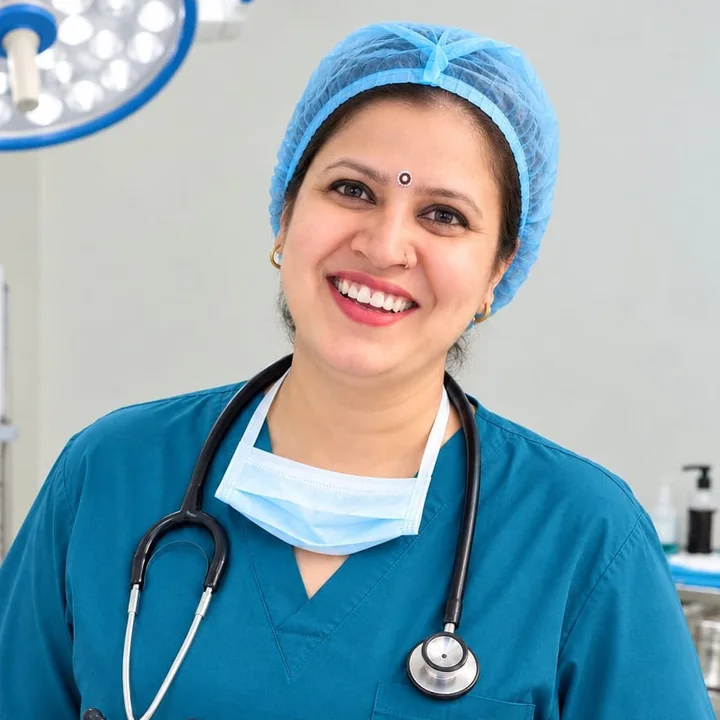
Dr. Nyra, MBBS, MD (Dermatology)
Owner & Chief Consultant, DenceSpot Clinic
MBBS from Dr. D. Y. Patil Medical College and an MD in Dermatology, followed by three years of clinical work in Germany — two at Bio Hair Clinic and one at St. Georg Klinikum Eisenach.
Treatment at the Rohini clinic is carried out by registered medical practitioners. Every doctor at DenceSpot is listed below with their qualifications.
Qualification
MBBS, MD (Dermatology)
Training
3 years, Germany
Specialisation
Dermatology
Visit the Rohini clinic
Visit Our Rohini Clinic
Skin consultations, treatment and review visits take place at our clinic in Rohini, North-West Delhi, near the Outer Ring Road.
- Address
- 6, Dividing Road, near DDA Market, Pocket 3, Sector 5, Rohini, New Delhi, Delhi, 110085
- Phone
- +91 95406 99152
- Hours
- Mon–Sat: 10:00 AM – 06:00 PM · Sun: 09:00 AM – 05:00 PM
Rohini, Delhi
Other Treatments at Our Rohini Clinic
Every treatment below is carried out at the Rohini clinic, and each starts with an examination and a written plan. See the Rohini clinic page for directions and hours.
Hair transplant
PRP and non-surgical hair treatment
Hair fall and scalp
Beard and eyebrow
Skin and laser
Rohini, Delhi
Book a Skin Consultation in Rohini
Bring your products and your questions. The consultation is for working out what the skin problem is, what is worth trying, how long it should take and what treatment cannot do.

DenceSpot Clinic · Rohini, Delhi
Skin & Laser Treatments in Rohini, Delhi
Address, timings and every treatment at the clinic: Hair & Skin Clinic in Rohini, Delhi