

Dr. Nyra
MBBS, MD (Dermatology)
Owner & Chief Consultant
- Trained at Dr. D. Y. Patil Medical College
- 3 years of clinical work in Germany
- 8 years of experience
- Consults at Rohini, Delhi
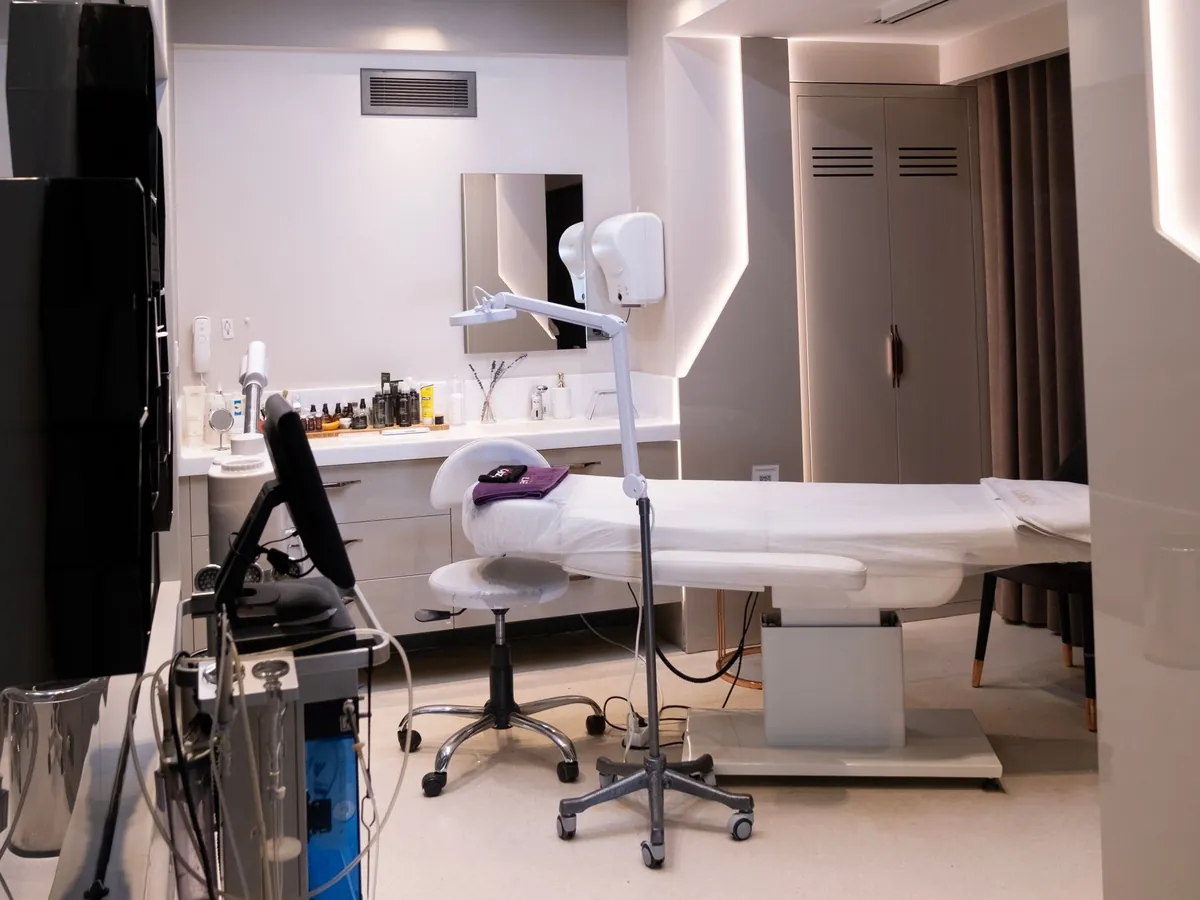
Representative image
Platelet-rich plasma from your own blood, used to try to improve skin texture, fine lines and dullness — offered at our Rohini clinic only after a doctor has checked it fits your concern, with the limits of the evidence explained first.
Image: representative, not the Rohini clinic
About the treatment
A small amount of your blood is spun so that the plasma rich in platelets separates; platelets hold growth factors that take part in repairing tissue. That plasma is then injected into the skin of the face, or applied straight after microneedling so it passes through the tiny channels the needling makes, over a course of sessions spaced some weeks apart.
The evidence behind it is limited: most studies are small, prepare the plasma in different ways and judge results mainly from photographs or patients’ own ratings. Where it helps, the change in texture and skin quality is modest and slow, and some people notice little. In Delhi, face PRP is assessed, given and reviewed at DenceSpot’s Rohini clinic by registered medical practitioners.
A general guide; your assessment decides.
| Concern | Can face PRP help? |
|---|---|
| Uneven texture, fine lines | May be considered |
| Dull, tired-looking skin | May be considered |
| Lost volume or hollows | No; it adds no volume |
| Sagging skin, deep folds | No; it does not lift |
| Active acne | No; treated another way |
| Pigmentation or melasma | Not on its own |
Why DenceSpot
What a face PRP course at the Rohini clinic involves, up to the point where it is continued or stopped.
Suitability
Face PRP answers a narrow set of skin concerns. The assessment checks whether yours is one of them, and whether anything in your health means it should not go ahead.
PRP does not lift sagging skin, add volume or soften deep folds, and it is not a treatment for active acne or for pigmentation on its own. If that is what bothers you most, the assessment will say so plainly; skin treatment covers how acne, marks, pigmentation and melasma are handled.
Whatever you decide about PRP, sunscreen every day and a short, steady routine remain the foundation for skin over the long run; PRP is at most an addition to them.
Our doctors
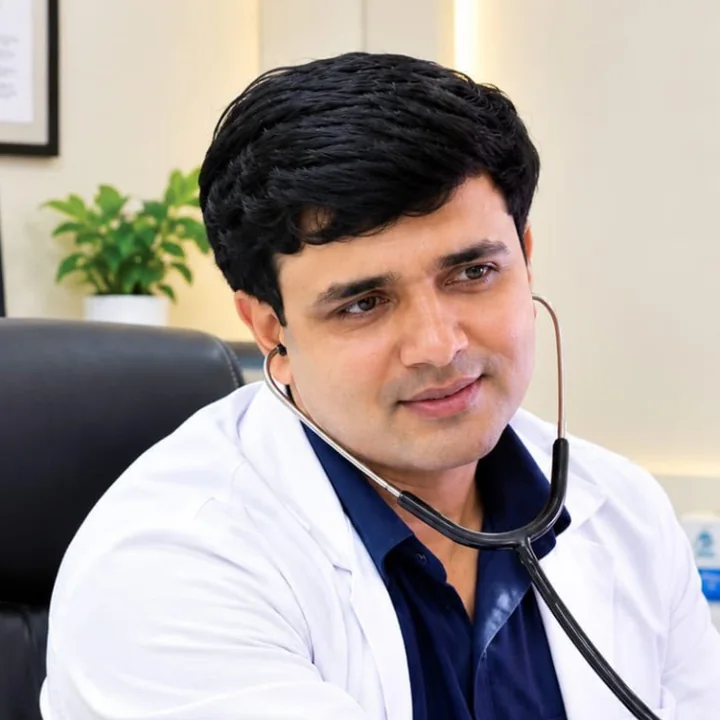
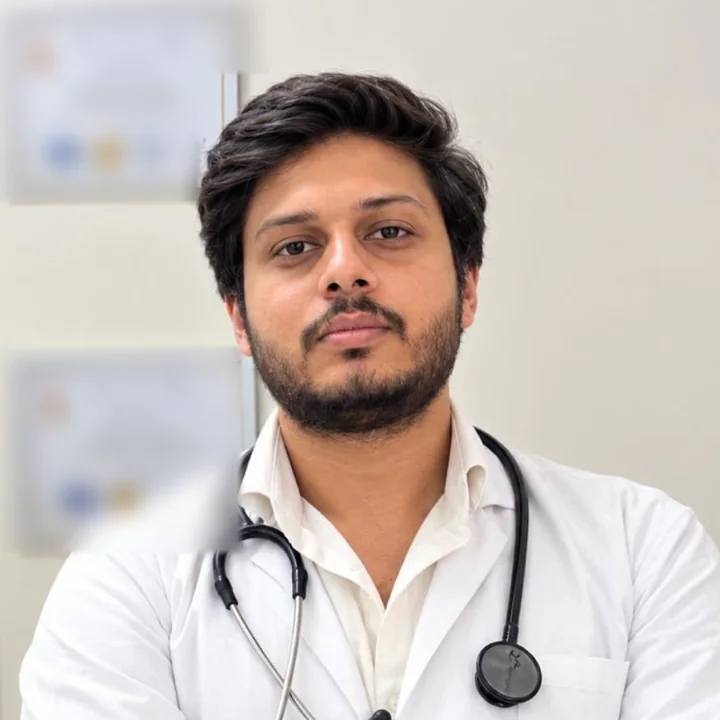
Every case starts with an examination by a doctor. The doctor who will treat you at the Rohini clinic is named at your consultation, and you can ask for their qualifications, registration and experience with the technique planned for you.
MBBS, MD (Dermatology)
Owner & Chief Consultant
Treatment options
The plasma is prepared the same way for both. What differs is how it reaches the skin, and which one suits you is settled at the assessment.
Once the skin is numbed, the plasma goes in by injection over the chosen areas. Tiny bruises at the injection points are common and fade.
The skin is microneedled first and the plasma applied straight afterwards, so it enters through the tiny channels the needling leaves. Whether that combination suits your skin is a decision for the assessment.
How it works
Five stages, all at the Rohini clinic. A course carries on only while the photographs show a change worth keeping.
Your skin examined, your medicines reviewed and a plain answer on whether PRP fits your concern.
Taken in a fixed position and light, so later change is measured against a record.
A small sample from the arm, spun so the platelet-rich layer can be drawn off.
A numbing preparation, then the plasma injected or applied after microneedling.
New photographs in the same conditions; maintenance only if there is a change to keep.
No before-and-after photographs are shown, because light, makeup, angle and expression alter how skin looks. If acne, marks or melasma are the bigger concern, skin treatment usually comes first.
The days after
The day or two after a session is the least flattering part, so book sessions a few days before any important event. These are general points; follow your own aftercare advice wherever it differs.
Cost
Each session carries a price, so the cost of a course depends on how many sessions your plan holds. Prices are not listed online: the course is worked out at your assessment at the Rohini clinic and set down in writing before you commit.
Third-party lenders may offer instalment options; ask about them at the consultation.
Reviews of DenceSpot’s Rohini clinic are on its Google Business Profile, unedited and in each reviewer’s own words. This page does not reproduce testimonials.
Book a consultation
Tell the doctor at the Rohini clinic what bothers you about your skin. You get a straight view on whether PRP can address it, what else might, and what a course would involve, before anything is booked.
The Rohini clinic replies during opening hours (Mon–Sun · 10:00 – 20:00).
Suitability is decided after clinical assessment. This page is patient education and is not medical advice.