Hair transplant
Is There a Right Age for a Hair Transplant?
Why surgery in your early twenties carries particular risks, what a stable pattern of loss means, and why age matters less than donor supply and future loss.
Articles on hair loss, transplants, PRP and beard restoration — written for patients, medically reviewed before publication, and honest about what treatment can and cannot do. No miracle cures, no guaranteed results, no borrowed photographs.
Why surgery in your early twenties carries particular risks, what a stable pattern of loss means, and why age matters less than donor supply and future loss.

Whether a hair transplant is possible with diabetes, high blood pressure or a heart condition, what is checked first, and which medicines need planning.

When light walking, the gym, swimming, helmets, smoking and alcohol fit back into the recovery weeks, and the reasons behind each wait.
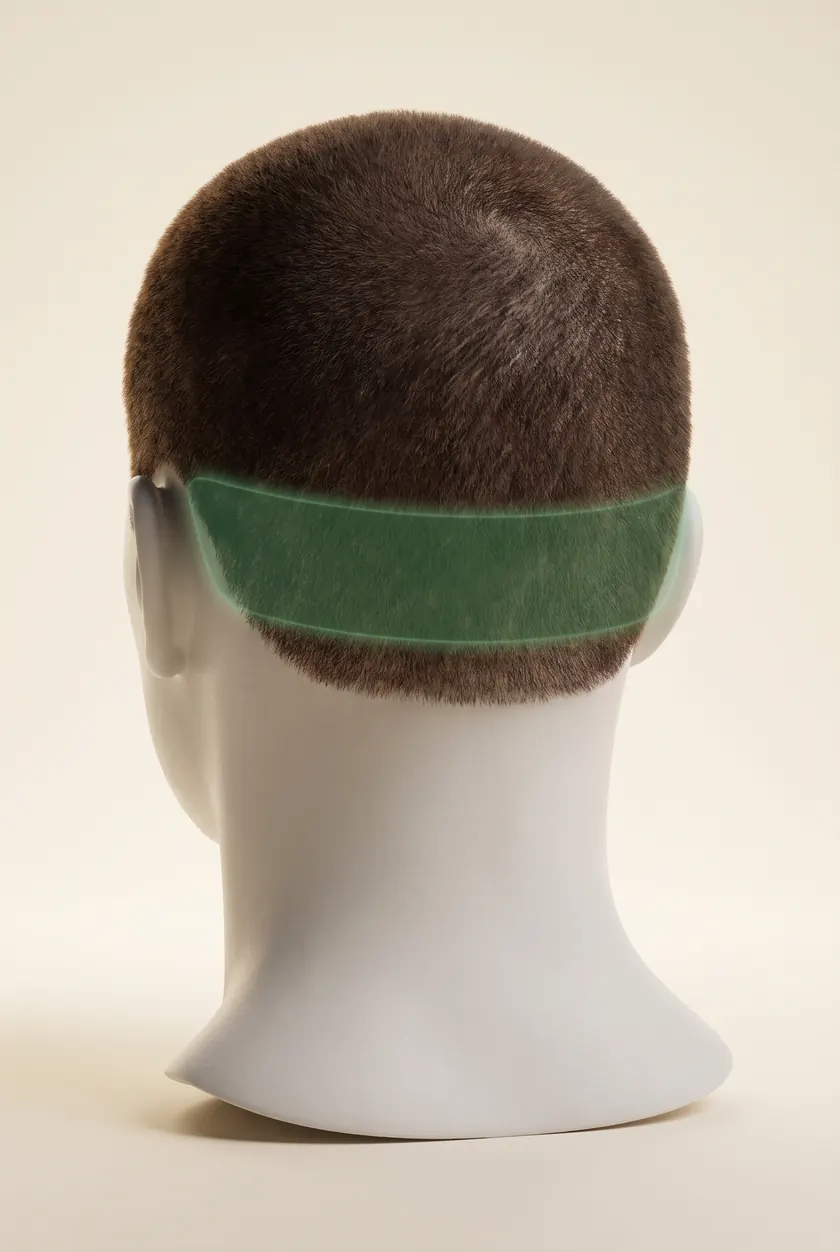
Why some people need a second session, how long to wait, how much donor supply is left, and when a second procedure is the wrong answer.
The usual starting course, the gap between sessions, when to judge whether PRP is working, and what maintenance means in practice.
What is normal after PRP, what is not, how the discomfort is managed, and the conditions and medicines that make PRP unsuitable.
When to wash your hair, when to exercise, what to avoid on the scalp, and which reactions to report after a PRP session.

What the evidence for scalp microneedling shows, why it is usually paired with another treatment, and the risks of rolling at home.

Which deficiencies are linked to hair fall, which tests show them, why supplements without a test can backfire, and how long regrowth takes.
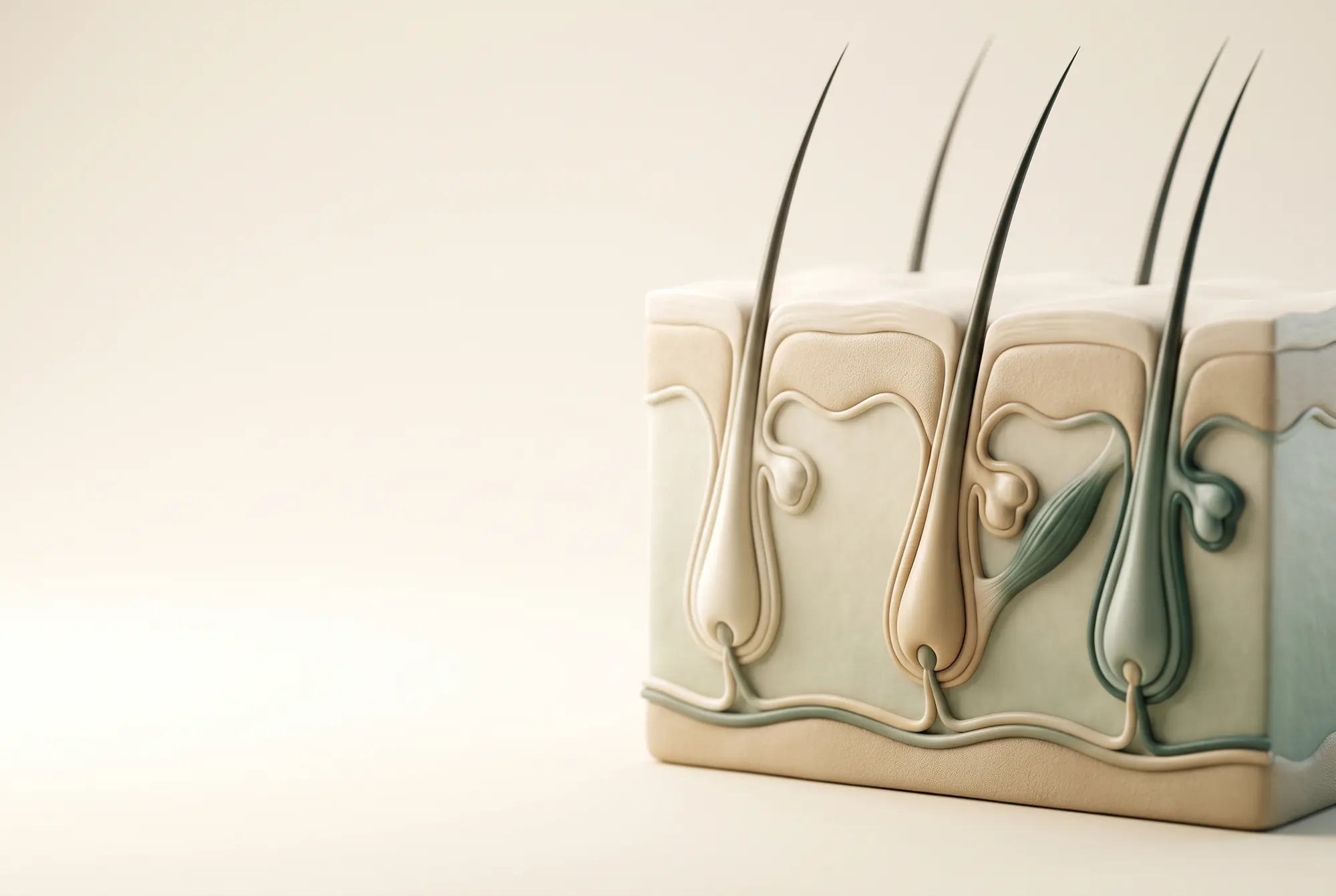
How an underactive or overactive thyroid affects hair, the tests that show it, and what to expect once thyroid levels are treated.

Why shedding often starts a few months after childbirth, how long it usually lasts, treatment questions while breastfeeding, and when to get it checked.

How flaking, itch and scratching relate to shedding, when the two are separate problems, and how dandruff is treated so it stays controlled.
What the studies on rosemary oil, onion juice and oiling actually show, where home remedies can irritate the scalp, and when to stop and get assessed.

Genes, B12, thyroid, smoking and vitiligo: what drives early greying, which tests are worth doing, and what can and cannot reverse it.
What the limited evidence on minoxidil for the beard shows, how it is used, side effects on facial skin, and what happens when it is stopped.
Why many men's beards keep filling in until their late twenties, the role of genes and hormones, and when a patchy beard is worth assessing.
Why smooth round patches appear in the beard, how alopecia barbae differs from a naturally patchy beard, and why a transplant waits while it is active.
Permanent reduction versus permanent removal, why several sessions are needed, which hair responds poorly, and why some areas need upkeep.
Why hormonally driven facial hair often needs more sessions and later upkeep, how laser fits alongside medical treatment, and what to tell the clinic.
Why melasma appears on the cheeks and forehead, the role of sun, heat and hormones, the treatments that may be discussed, and why it can return.
Marks versus true scars, the main scar types, why active acne is treated first, and how scar treatments are chosen for Indian skin.
Aftercare sheets are written for a scalp, not a city. How summer heat, the smog season, road dust, crowded Metro coaches and the helmet law shape the first month.
Per-graft rates, packages, slab rates, per-hair figures and monthly instalments can all describe one operation. The arithmetic that turns each into a comparable total.
Only a registered doctor can diagnose a cause and prescribe for it. What a dermatologist, a trichologist and a salon each do, when to see a doctor, and what an assessment involves.
Darker skin competes with hair for laser energy, so a test spot comes first. Skin types, wavelengths in plain terms, what the patch test shows and what it cannot predict.

A graft number quoted before anyone examines your scalp is an estimate, not a plan. Here is what a real assessment measures and why identical Norwood stages differ.
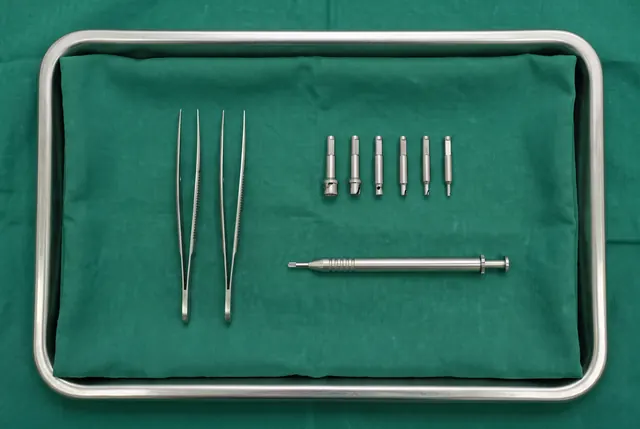
Extraction is the same in both. What changes is how grafts are placed, and how much that difference is worth. A plain comparison of implanter pens against pre-made channels.
One leaves a linear scar, the other leaves hundreds of small ones. A straight comparison of donor yield, healing, hair length and who each method genuinely suits.
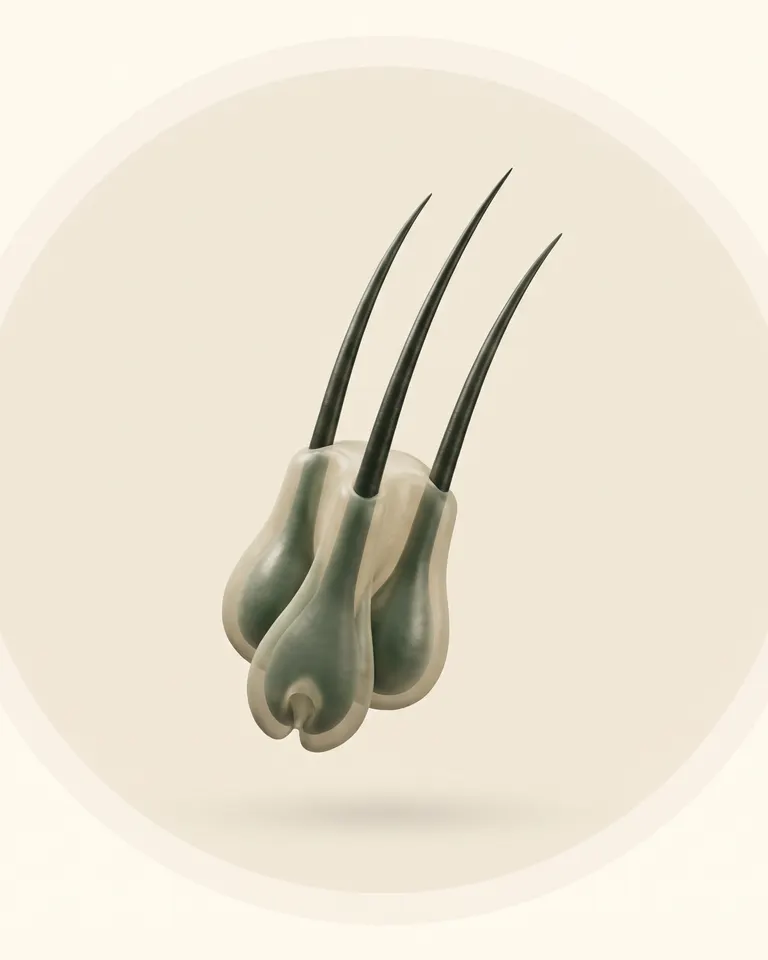
Two clinics in Gurgaon can quote very differently for the same head. Here is what legitimately changes the number, and why a per-graft rate is a misleading unit.
The consultation is your only chance to test a clinic before you pay. Twelve questions worth asking, what a good answer sounds like, and which replies should worry you.
India's medical regulator names exactly which qualifications may perform a hair transplant. Here is the rule, how to check any doctor's registration, and what the register cannot tell you.

Nothing happens for three months, and that is expected. A month-by-month account of shedding, first regrowth, thickening and when a result can honestly be judged.
Donor hair is spent once and does not grow back where it came from. How supply is measured, why coverage and density compete, and what extensive loss can realistically get.
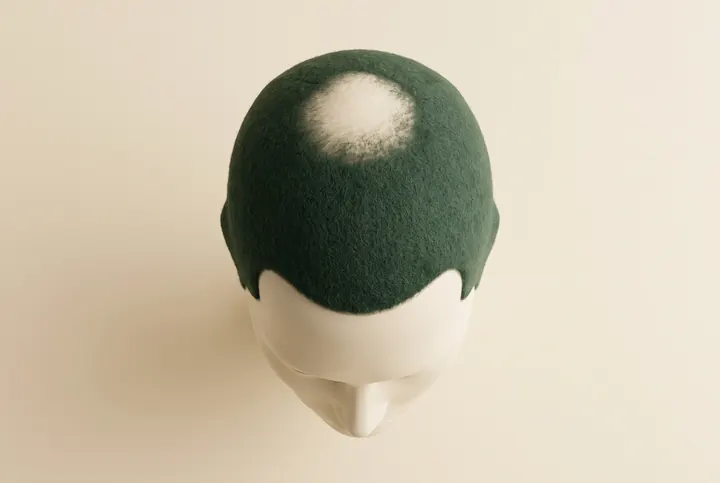
The grafts usually stay. The hair around them is still on its own trajectory. Why a transplant does not stop hair loss, and what that means five and ten years later.
Transplanted hairs fall out around week three and native hairs can thin too. What is expected, what is not, and the specific signs that genuinely warrant a phone call.
Some people should be told no, or not yet. Unstable donor zones, diffuse thinning, untreated medical causes and the cases where surgery makes things worse.
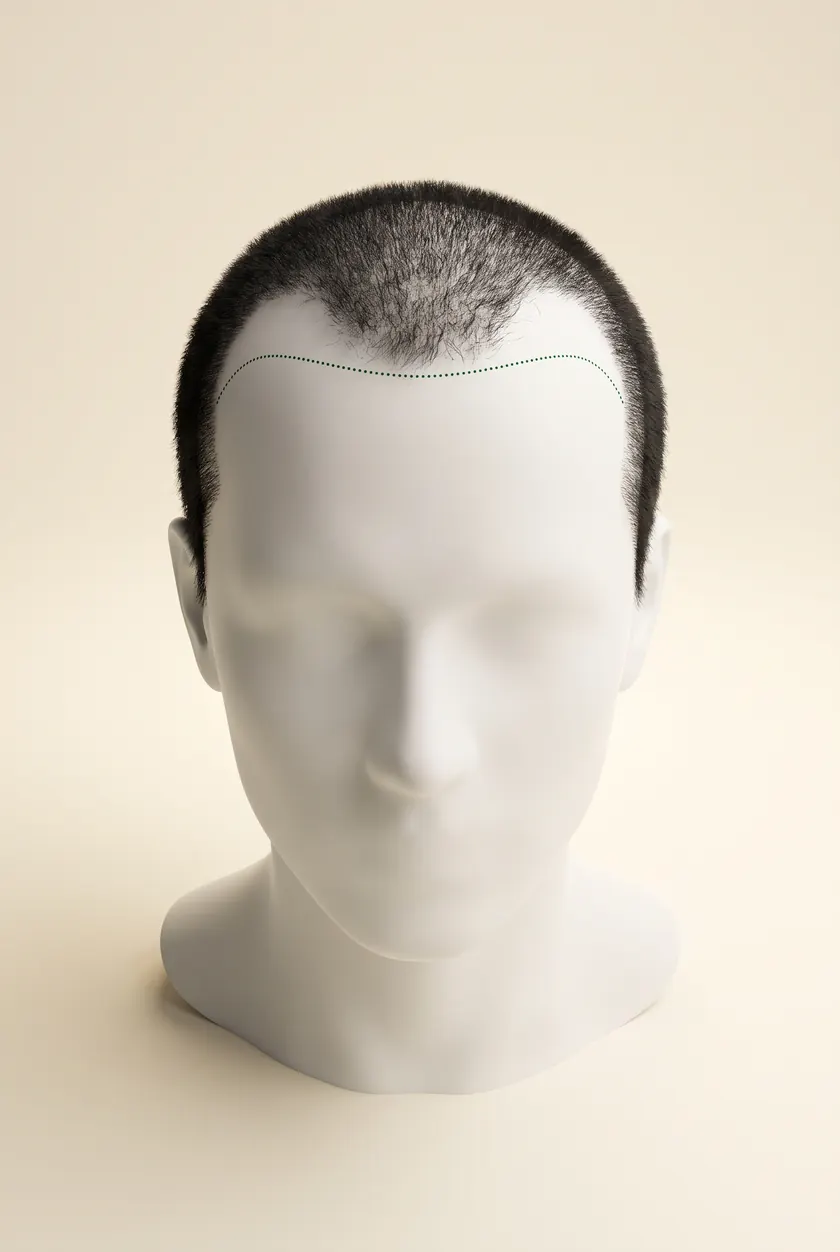
Patients compare graft counts; surgeons argue about placement. Why hairline position, angle and irregularity decide whether a result reads as natural at 30 and at 50.
Swelling and numbness are expected. Infection is uncommon. Overharvested donor and a badly placed hairline are permanent. An honest separation of the three, before you consent.
Most disappointment is judged too early, and some of it is genuinely fixable. What corrective surgery can address, what it cannot, and why the second operation is harder.
The same head can look transformed or unchanged depending on the lamp. How lighting, angle, hair length and timing are used, and what an honest gallery discloses.
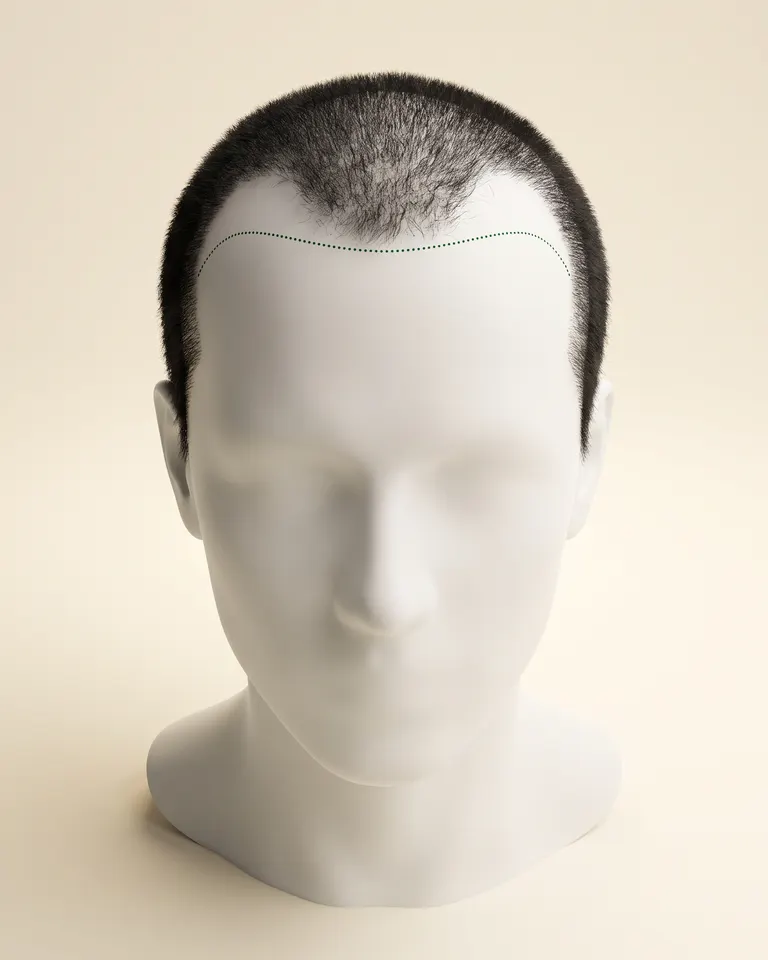
No clinic can verify a survival percentage for your head before operating. What those figures would have to measure, what Indian advertising rules forbid, and what to ask instead.
The fortnight nobody warns you about: swelling, crusting, the first wash, and hairs that come away with the scabs. What each day usually looks like and when to call.
Standard aftercare assumes mild weather and a car. Helmets, May heat, construction dust and monsoon humidity change the timeline, and can change the month you book.
PRP cannot regrow hair from bald skin and surgery does not stop shedding. How to tell which problem you have, and why the honest answer is sometimes neither yet.
Three injectables, three very different levels of evidence. What each preparation actually is, where the published data is thin, and why price says nothing about effect.
PRP is maintenance, not a cure, and the effect fades when you stop. What the published reviews report, who tends to respond, and how to judge whether yours is working.
PRP on two Gurgaon price lists is rarely the same product. Preparation methods vary enormously and nothing standardises them. The questions that make a package comparable.

Widening part, intact hairline, and a dozen possible causes behind it. Why women need blood work and a diagnosis before anyone discusses grafts, and who is not a candidate.
Shedding from everywhere usually stops on its own. Thinning in a pattern does not. How the two differ, how they are told apart, and when waiting costs you follicles.
Both are prescription medicines here, whatever a subscription box implies. What they do, the side effects worth discussing, and why a questionnaire is not a diagnosis.
Scalp hair on a face behaves like scalp hair: it keeps growing and needs shaving. What transfers well, what looks wrong if angles are careless, and what it costs your scalp.
Beard density keeps developing into your mid-twenties, and grafting an unfinished beard can look strange later. How to tell whether your gaps are actually stable.
Facial skin heals differently from scalp. Crusting, swelling, the shedding phase, and the question everyone asks first: when can I shave this properly again?
Ferritin, B12, thyroid and vitamin D are worth checking. Biotin usually is not, and it can skew your other results. What testing answers, and what it cannot fix.
Borewell water damages hair shafts; it does not cause pattern baldness. What hard water, pollution and monsoon shedding really do, and when to stop blaming the tap.
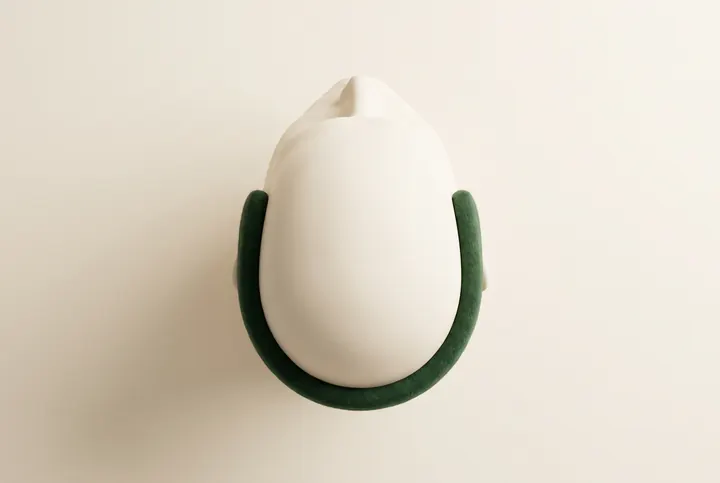
The seven stages of male pattern hair loss, what each one actually looks like, and why the stage matters far less than whether your loss has stabilised.
Why this blog starts small
There are around 370 articles on the old site. Rather than carry them across untouched, each one is being checked against twelve months of Search Console data and bucketed: keep and refresh, merge into a stronger article, or remove. Roughly half of any large blog estate typically merges or prunes — and a smaller set of genuinely useful articles outperforms a large set of thin ones. New posts appear here as that audit completes.
Start here instead
The treatment pages carry the procedure detail, recovery timelines, risks and costs. The blog is for the background reading around them.
Next step
An examination tells you what you actually have, whether it is reversible, and whether anything needs treating at all.
Suitability is determined after clinical assessment. This page is patient education and does not constitute medical advice.
Quick enquiry