
Laser Hair Removal in Rohini, Delhi
A course of laser hair removal means returning every few weeks for several months, so it helps to have the clinic nearby. Our Rohini clinic in North-West Delhi carries out laser hair removal for the face and body. Your skin and hair are examined by a registered medical practitioner before the first session, and the course is planned around what that shows.
- Sessions carried out at the Rohini clinic
- Skin and hair assessed before any session
- A course planned visit by visit
- Open Mon–Sun · 10:00 – 20:00
Rohini Clinic
North-West Delhi, near the Outer Ring Road
Request a call back
Talk to the Rohini clinic about laser hair removal
Leave your number and the clinic will call you during opening hours (Mon–Sat: 10:00 AM – 06:00 PM · Sun: 09:00 AM – 05:00 PM) to arrange a consultation. Prefer to message? WhatsApp the clinic.

Close to home
Why a Nearby Clinic Helps With Laser
Laser hair removal is not a single appointment. The light affects only follicles that are actively growing a hair at the time, and because hairs grow in staggered cycles, each visit reaches a share of them. A course therefore stretches over several months, with a return visit every four to eight weeks depending on the area.
Keeping to that rhythm is part of what makes a course work: long gaps let follicles cycle back unnoticed, and visits squeezed too close together meet hairs that have not yet regrown. For anyone living in Rohini, Pitampura, Shalimar Bagh, Prashant Vihar or nearby parts of North and North-West Delhi, a clinic close by makes the schedule easier to keep.
- Laser reduces hair over a course of visits rather than removing it in one
- Plan for several months and keep the gaps steady
- Expect occasional top-up sessions later
Your first visit
What Happens at Your First Visit in Rohini
Nothing is treated until your skin and hair have been looked at. Bring a list of the medicines you take, including acne treatment, antibiotics and supplements: some make skin more sensitive to light and change when treatment can start.
-
Step 01
Talking it through, then a close look
Which areas bother you, how you remove the hair now (shaving, threading, waxing or creams), and any hormonal problems, irregular periods, skin conditions or cold sores. Then the colour and thickness of the hair, your skin type, and any tan, pigmentation, moles or tattoos, which show whether laser is likely to help and how cautiously to set it.
-
Step 02
A patch test
A small spot is usually treated first and looked at again a few days later. On darker skin the wait is especially worthwhile, because a reaction can take time to show.
-

Step 03
A plan in writing
The areas, an approximate number of sessions as a range, the gap between visits, how to prepare and what affects the cost. You can take it away and decide in your own time.
Before the first full session
Patch Test Before Your First Session
A small test spot shows how your skin reacts to the settings chosen for it before a whole area is treated. It is usually done before the first full session, and it matters most on darker or recently tanned skin.
-
What is tested
A small, discreet spot in or near the area to be treated, at the settings planned for your skin type and hair colour.
-
How long to wait
The spot is looked at again a few days later. On darker skin the wait matters more, because a reaction can take time to show.
-
What it can show
Blistering, crusting, spreading redness or a darker or lighter patch. Any of these changes the settings, or whether laser goes ahead at all.
Session by session
How a Course of Sessions Usually Runs
Every course is different, but most follow a similar shape. The timings here are general information, not this clinic’s fixed protocol; your own gaps and number of visits are set at assessment.
-
Step 01
On the day
Arrive with the area shaved and free of cream, deodorant or make-up. The skin is cleaned, everyone puts on eye protection, and the laser is passed over the area in overlapping pulses with cooling. An upper lip takes minutes; a back or both legs take considerably longer.
-
Step 02
Through the course
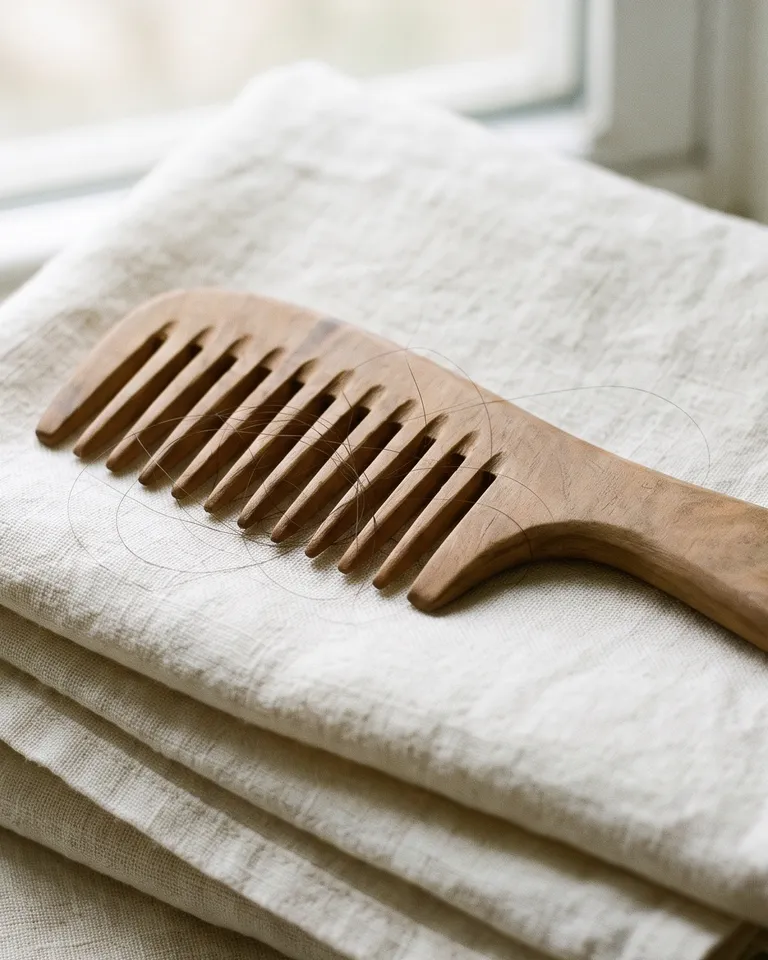
Treated hairs loosen and shed over one to three weeks, which can look like regrowth at first. By the second or third visit many people notice patchy thinning, as follicles are caught at different stages. Later, regrowth slows and comes back finer, and settings may be adjusted to how your skin reacted and how much hair remains.
-

Step 03
The final sessions, and after
Remaining hairs tend to be sparse and lighter. Some people need more sessions than first estimated, particularly on the face or where hormones drive growth. Some hair usually returns over the following months or years; an occasional maintenance session keeps it down, how often depending on your hair and any hormonal cause.
Area by area
Sessions by Area
Facial areas are often treated at shorter gaps than the body, and each area reacts a little differently. The gaps and session numbers below are general ranges, not this clinic’s fixed protocol; yours are set at the assessment.
Not treated: the eyebrows or anywhere close to the eyes, because of the risk to sight. Tattoos are avoided, and moles are usually covered.

Skin type
Laser on Indian Skin Types
Laser works because the dark pigment in a hair absorbs its light. Skin carries pigment too, and Indian skin covers a wide range of tones, so the skin around each hair competes for that light. The darker the skin, the more carefully the settings are chosen, to heat the follicle without burning or marking the skin around it.
Lasers differ in wavelength. Longer wavelengths pass the pigment at the skin’s surface more readily, so they are generally considered for darker skin types. Your settings are chosen for your skin and hair at the assessment and checked with a patch test.
- Dark, coarse hair on lighter-brown skin tends to respond most predictably
- Darker skin can be treated, more cautiously, with a patch test first
- A tan raises the risk of burns and pigment change, so a session may wait until it fades
- Darker or lighter patches are more likely on darker skin; they usually fade, but can rarely last
- Grey, white, red and blonde hair has too little pigment to respond
Between sessions
Aftercare Between Sessions
Most of a course happens between appointments. How you treat the skin in those weeks affects both comfort and how safely the next session can go ahead.
Let the skin settle
Redness and small bumps around the follicles are normal and usually fade within a day or two. A cool compress or a plain soothing gel helps. Skip hot baths, steam, saunas and hard workouts for this time.
Shave only, and cover up
Shave if you like, but do not wax, thread, pluck or epilate. Wear sunscreen on treated skin that is exposed, avoid deliberate tanning, and let shedding hairs fall out on their own.
Shave and tell us
Shave the area a day or so before. Mention any reaction after the last session, a new medicine, recent sun exposure or a pregnancy, as each can change the plan.
After a session, call the Rohini clinic on +91 95406 99152 if the skin blisters, crusts, reddens over a widening area or develops darker or lighter patches.
Laser in Delhi
Planning a Course Around the Delhi Year
Sun, heat and the daily commute all affect a course. These are general points; your own plan is set at the assessment.
-
Summer sun
A tan raises the risk of burns and pigment change. Cover treated skin, use sunscreen and avoid deliberate tanning; a tanned area may have to wait.
-
Choosing when to start
Some people prefer to start body areas in the cooler months, when less skin is in the sun. Whenever you start, keep the gaps between sessions steady.
-
Riding and commuting
Helmet straps, scarves and collars rub on the jaw and neck. Keep heat and friction off freshly treated skin for a day or two, and cover it from the sun on the road.
-
Winter and the smog season
Dry air can leave treated skin tight and itchy. A plain moisturiser helps; leave scrubs, peels and very hot showers off treated areas for a few days.
Before you commit
Questions Worth Asking Any Laser Clinic
Whichever clinic you choose, these questions help you understand a course before you pay for it. A clear answer to each is a reasonable thing to expect, here or anywhere else.
- Who carries out each session, and who supervises it?
- Is a patch test done, and how long is the wait before the first full session?
- How are the settings chosen for my skin type and hair colour?
- How many sessions, as a range, and how far apart?
- What happens if I get a burn or a darker or lighter patch?
- Is eye protection provided for everyone in the room?
- What will the whole course cost, including likely top-ups?
- Could my hair growth have a hormonal cause that needs checking first?
Before you book
Limits Worth Knowing Before You Book
Weigh these before starting a course. How they apply to your own skin and hair is part of the assessment. Our guide explains why laser reduces hair rather than removing it for good.
- Laser reduces hair; it does not clear every hair for good, and results vary.
- White, grey, red and blonde hair respond poorly or not at all.
- Darker or lighter patches of skin can follow, more often on darker or tanned skin.
- Burns and blisters can occur when settings do not suit the skin; rarely, they scar.
- In rare cases, skin near a treated area starts growing thicker hair.
- Facial hair from PCOS or another hormonal cause needs medical assessment too.
Meet the doctor
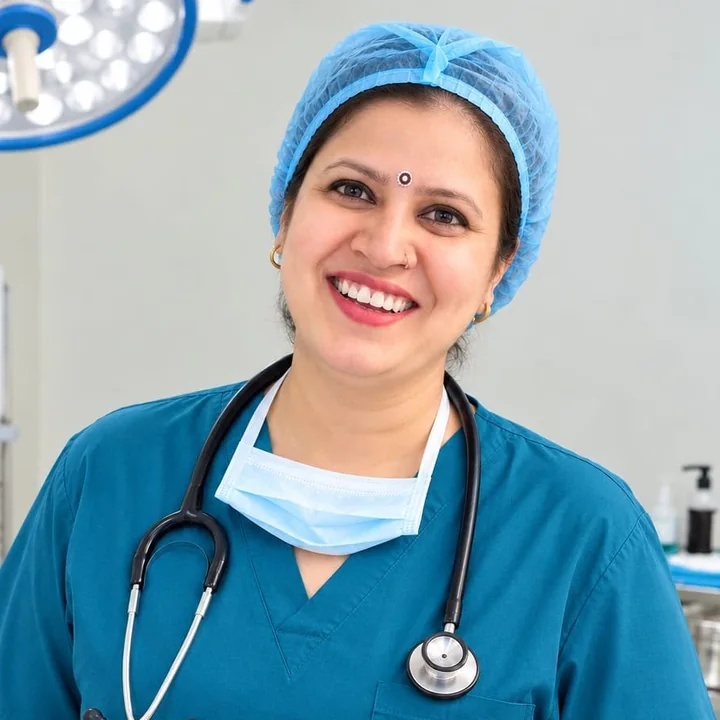
Dr. Nyra, MBBS, MD (Dermatology)
Owner & Chief Consultant, DenceSpot Clinic
MBBS from Dr. D. Y. Patil Medical College and an MD in Dermatology, followed by three years of clinical work in Germany — two at Bio Hair Clinic and one at St. Georg Klinikum Eisenach.
Treatment at the Rohini clinic is carried out by registered medical practitioners. Every doctor at DenceSpot is listed below with their qualifications.
Qualification
MBBS, MD (Dermatology)
Training
3 years, Germany
Specialisation
Dermatology
Visit the Rohini clinic
Visit Our Rohini Clinic
Our Rohini clinic is in North-West Delhi, near the Outer Ring Road, and is open seven days a week. Every laser session in your course takes place there.
- Address
- 6, Dividing Road, near DDA Market, Pocket 3, Sector 5, Rohini, New Delhi, Delhi, 110085
- Phone
- +91 95406 99152
- Hours
- Mon–Sat: 10:00 AM – 06:00 PM · Sun: 09:00 AM – 05:00 PM
Rohini, Delhi
Other Treatments at Our Rohini Clinic
Every treatment below is carried out at the Rohini clinic, and each starts with an examination and a written plan. See the Rohini clinic page for directions and hours.
Hair transplant
PRP and non-surgical hair treatment
Hair fall and scalp
Beard and eyebrow
Skin and laser
Rohini, Delhi
Plan a Laser Course at Our Rohini Clinic
Tell us which areas you would like treated and how you remove the hair now. You will get an assessment of your skin and hair, a patch test where appropriate, and a written plan for the course if laser suits you — with no pressure to book on the day.

DenceSpot Clinic · Rohini, Delhi
Skin & Laser Treatments in Rohini, Delhi
Address, timings and every treatment at the clinic: Hair & Skin Clinic in Rohini, Delhi