Skip to content

DenceSpot Clinic, Rohini, Delhi

Mon–Sat · 10:00 – 20:00 +91 95406 99152

Rohini, Delhi

Hair Transplant for Women in Rohini, Delhi

At our Rohini clinic, a hair transplant for a woman is discussed only after a medical workup. Thinning in women is often spread across the scalp and often has a treatable cause, so the first appointment looks for that cause and checks whether your donor hair is stable enough to move.

  • Medical workup before any talk of surgery
  • Donor area checked for diffuse thinning
  • Carried out at the Rohini clinic
  • Trimmed or unshaven options where they suit
AI-generated illustration: a white mannequin head seen from above, with green felt hair and a widening central parting

Rohini Clinic

+91 95406 99152

Mon–Sat · 10:00 – 20:00Sunday · closed

Request a call back

Talk to the clinic about a hair transplant

Leave your number and the clinic will call you during opening hours (Mon–Sat · 10:00 – 20:00) to arrange a consultation. Prefer to message? WhatsApp the clinic. Not ready to talk? Estimate a graft range first.
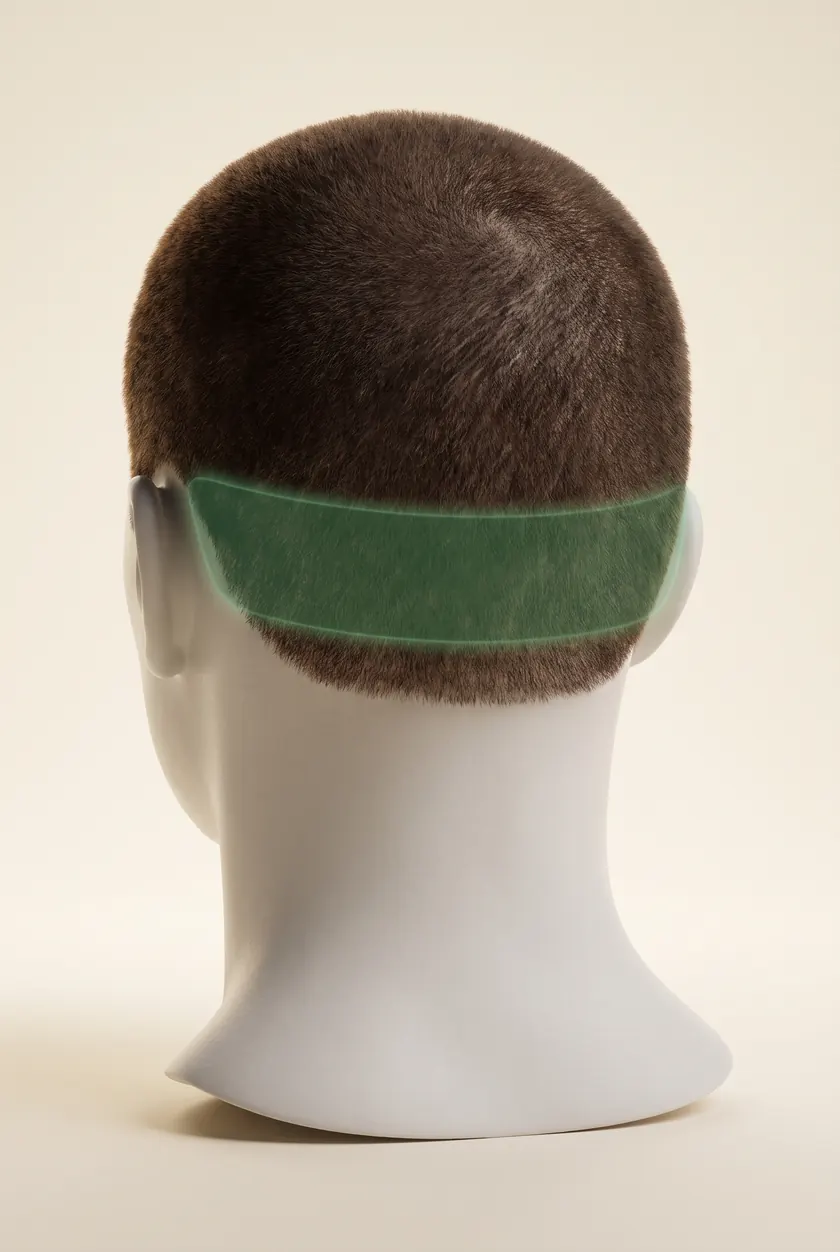
AI-generated illustration: a mannequin head seen from behind, with a band across the back and sides of the head shaded green

Why diagnosis comes first

Hair Loss in Women Is Not One Condition

A transplant takes follicles from the back and sides of the head and places them where hair is thin. It only works if that donor hair is stable, and in many women it is not: the thinning is diffuse, reaching the donor area as well as the top of the scalp.

Women are also more likely to have a cause that can be corrected — low iron, a thyroid disorder, shedding after childbirth or illness, a hormonal condition such as PCOS, or a medicine. Treating that cause often does more than surgery could.

So many women who ask about a transplant start with women’s hair loss treatment at our Rohini clinic, and some are helped by hair fall treatment in Rohini without surgery ever being needed.

  • Surgery moves hair; it does not make more
  • Thinning donor hair keeps thinning after it is moved
  • Treatable causes are looked for first

The workup

What the First Appointment Involves

The aim is a diagnosis, not a date in the diary. Bring a list of all your medicines and supplements, any recent blood reports and a few older photos of your hair.

  1. AI-generated illustration: a dermatoscope beside a notepad and a potted fern on a wooden desk

    Step 01

    History and scalp examination

    When the loss began and what came a few months before it — a pregnancy, an illness, weight loss, a new medicine. Then whether it is spread out or limited to one zone, with signs of alopecia areata or a scarring alopecia checked.

  2. AI-generated illustration: a tablet showing an outline drawing of a head, beside a blank sheet of paper

    Step 02

    Donor measurement

    Density at the back and sides is measured directly. This one finding decides whether surgery is possible at all.

  3. AI-generated illustration: a desk calendar with several dates circled in green

    Step 03

    Tests, then a plan

    Iron and thyroid tests are common, with hormonal tests where your history points that way. The results are gone through with you before any plan is made.

Suitability

When Surgery Can Suit a Woman

The cases that work share two features: a defined area of loss, and a donor area that is not thinning.

Traction alopecia that has become permanent

Years of tight braids, buns or extensions can destroy follicles at the hairline and temples. If hair has not returned long after the pulling stopped, grafts can be placed — provided the tension has truly ended, as it would damage new hair too.

A naturally high hairline

A forehead that has always been tall can sometimes be reduced by bringing the hairline forward with grafts, if the front of the scalp is stable and the donor can spare the hair.

A stable scar

Scars from surgery, an injury or a burn can take grafts once they have settled. Grafts take less reliably in scar than in healthy skin, so the work is cautious and sometimes split into two sessions.

A defined area with a stable donor

Loss confined to one zone, with good density behind it, is the pattern surgery handles well. Confirming it is the main purpose of the examination.

When Surgery Is Not Advised, or Not Yet

A general guide only; what applies to you is decided after the examination and any tests it leads to.

Situations in which a hair transplant for a woman is not advised or not yet advised, and what comes first instead — a general guide, not a diagnosis
Your situationSurgery, and what comes first
Thinning spread across the scalp, donor included Usually not advised. Thinning donor hair keeps thinning after it is moved. Medical treatment is the main route.
Shedding after childbirth that is still recovering Not yet. It usually settles over the following months. Time, a check for low iron or thyroid change, and a review come first.
Low iron or a thyroid problem not yet treated Not yet. Blood tests find the cause and it is treated first, which often does more than surgery could.
A hormonal condition, such as PCOS, not under control Not yet. It is brought under control first, then the pattern of loss is reassessed.
Active alopecia areata or a scarring alopecia Not while active. Grafts placed while it is active can be lost, so it is treated medically first.
Hair loss that is recent and still changing Not yet. The pattern is given time to settle before any plan is drawn.
Hairstyles that still pull on the hairline Not yet. The tension has to end first, because it would damage new hair too.

Several of these change once the cause is treated. Women’s hair loss treatment in Rohini covers the medical route and alopecia areata treatment in Rohini the patchy kind. Which blood tests are used for hair fall explains how the common causes are found, and who should not have a hair transplant sets out the reasoning in more detail.

AI-generated illustration: a sculpted cross-section of scalp skin with hair follicles and hair shafts, on a cream background

Medical treatment

Medication: What It Can Do, and Where It Stops

For female pattern hair loss, medicine is usually the main route, and it continues even when surgery is done. It can slow the loss and, in some women, improve density, judged over months against photographs.

Several medicines used for female hair loss are unsuitable in pregnancy, while breastfeeding or when trying to conceive, so mention any plans first. None is named here; prescribing depends on your history and examination.

How female pattern hair loss is diagnosed and treated sets out the options in general terms, and PRP at the Rohini clinic is sometimes added, though its evidence is more limited.

  • No medicine cures pattern loss
  • Stop the treatment and the gain fades
  • Some women see little change at all

At the Rohini clinic

If Surgery Is Advised: How It Differs for Women

It is the same operation described on our hair transplant in Rohini page: a day case under local anaesthetic, carried out by registered medical practitioners. Three things are planned differently.

Keeping the donor hidden

Hair is usually trimmed in a narrow strip that longer hair covers. Fully unshaven hair transplant work is slower and suits smaller sessions.

A hairline drawn for a woman

A female hairline is usually lower and rounder, without deep temple recession; a male template looks wrong. See hairline transplant in Rohini.

Treatment carries on

Grafts do not protect the hair around them. Where loss is ongoing, medical treatment continues after surgery.

Recovery and follow-up

Recovery, Reviews and Honest Risks

Your reviews take place at the Rohini clinic, with photographs to compare against. Directions and opening hours for the Rohini clinic are on the clinic page.

First week

Healing

Small crusts and some tenderness. Washing starts as shown at the clinic.

First weeks

Shedding

Transplanted hairs often fall out while the follicles stay in place.

Months 3–9

Growth

Fine hairs from about three to four months, thickening gradually.

Months 10–12

The result

Judged at about ten to twelve months against your review photographs.

Risks

Swelling, crusting, numbness and temporary shedding are expected. Infection and poor growth are uncommon. Lower growth in scar tissue is a real limit. Results vary.

What surgery cannot do

It does not stop diffuse loss, and it cannot add hair the donor does not have. Untreated hair may keep thinning, and no density can be promised.

Recovering in Delhi

Longer hair covers the grafts, which most women value, but it also keeps heat and sweat close to the scalp. These are general practicalities; your written aftercare comes first.

  • Summer heat: keep the hottest hours indoors, and let sweat dry rather than rubbing it away
  • The smog season: limit time outdoors on poor-air days, with an ear-loop mask so no strap crosses the donor area
  • Tying hair back: no tight ponytails, buns or clips over the grafts until a review clears them
  • Two-wheelers: riding pillion means a helmet, so plan cabs or a lift until you are cleared

Season by season, hair transplant recovery in Delhi goes into the detail.

Cost guidance

Hair Transplant for Women: Cost in Rohini and What Decides It

There is no fixed price. The estimate is written after your assessment, and if the workup points to a treatable cause, the advice may be treatment rather than surgery — a much smaller cost.

Graft count

Mapped from the area to be treated

Trimmed or unshaven

Unshaven sessions take longer

Area of loss

Hairline, a defined patch or a scar

Skin quality

Scarred skin is slower to work in

Donor density

What can be taken without thinning the back

Medical treatment

Usually continues, at its own cost

Ask whether any quote is in grafts or hairs, and what it includes; why hair transplant quotes vary explains the difference it makes. Instalment options through third-party lenders may be available — ask at the consultation, and see cost and EMI options.

Hair transplant cost in Rohini, worked through

Who you will see

Doctors at DenceSpot Clinic

Treatment at the Rohini clinic is carried out by registered medical practitioners. Every doctor at DenceSpot is listed below with their qualifications.

Dr. Nyra

MBBS, MD (Dermatology)

FAQs

Hair Transplant for Women in Rohini: Common Questions

General patient education. Your own suitability for surgery depends on the examination and on any tests it leads to.

Ask on WhatsApp
Is a hair transplant for women carried out at the Rohini clinic itself?

Yes. Your assessment, any procedure and your follow-up reviews are all held at the Rohini clinic in North-West Delhi, and treatment is carried out by registered medical practitioners.

Which parts of Delhi is the Rohini clinic convenient for?

It is in North-West Delhi near the Outer Ring Road, so it is practical for North and North-West Delhi, including Rohini, Pitampura, Shalimar Bagh and Prashant Vihar.

Why are so many women told a hair transplant will not help?

A transplant only moves hair from the back and sides of the head. When thinning is spread across the scalp, that donor hair is often thinning too, so the moved hair does not hold. Treatable causes such as low iron or a thyroid problem are also common in women and are dealt with first.

What tests might I need before surgery is considered?

It depends on your history and examination. Iron studies and thyroid function are common, with hormonal tests where your history points that way, alongside a full medical, medication, menstrual and pregnancy history and a direct measurement of your donor density. Blood tests for hair fall explains what each test looks for.

What should I bring to the first appointment?

A list of every medicine and supplement you take, any recent blood reports, and a few older photographs of your hair, which help show how the loss has changed. Mention any pregnancy plans at the start.

My hair started falling after my baby was born. Is a transplant worth considering?

Rarely. Shedding after childbirth is usually temporary and tends to recover over the following months, so grafting then would spend donor hair on loss likely to settle anyway. Time, a check for low iron or thyroid change, and a review are the usual course.

Can I use hair loss medicine while pregnant, breastfeeding or trying to conceive?

Some of the medicines used for female pattern hair loss are not suitable at those times, so raise any pregnancy plans at the first appointment. Which medicine, if any, suits you is decided after your history and examination, which is why none is named on this page.

Can traction alopecia be treated with a transplant?

Sometimes, once it has become permanent. Years of tight braids, buns or extensions can destroy follicles at the hairline and temples. If hair has not returned long after the pulling stopped, grafts can be placed, provided the tension has truly ended, because it would damage new hair too.

Can a naturally high hairline be lowered?

Sometimes. A forehead that has always been tall can be reduced by bringing the hairline forward with grafts, if the front of the scalp is stable and the donor can spare the hair. A female hairline is drawn lower and rounder than a male one, without deep temple recession. See hairline transplant in Rohini.

Will a transplant help hair loss from a scar?

Often it can, once the scar has settled. Grafts take less reliably in scar tissue than in healthy skin, so the work is cautious and is sometimes split into two sessions.

Will my head need to be shaved?

Usually not. The donor hair is often trimmed in a narrow band that longer hair covers, and fully unshaven methods exist for smaller sessions, though they take longer. The doctor will explain which suits your plan.

How long does the procedure take, and when can I go back to work?

It scales with the graft count, and smaller sessions take a few hours. It is a day case under local anaesthetic, so you go home the same day; arrange a lift rather than riding pillion on a two-wheeler. Most people return to desk work within a few days. Tight ponytails, clips, caps and helmets wait until a review clears them.

What result can I expect?

Where surgery suits the case, the timeline is the usual one: shedding in the first weeks, new growth from around three to four months and the result judged at about ten to twelve months. Surgery does not stop diffuse loss, so medical treatment usually continues. Results vary, and no density can be promised.

How much does a hair transplant for women cost in Rohini?

There is no set fee. The written estimate after your assessment depends on the graft count, trimmed or unshaven work, the area and skin treated, and any medical treatment alongside. If a treatable cause is found, treatment may be advised instead of surgery. Hair transplant cost in Rohini shows how a graft count becomes a figure, and instalment options through third-party lenders may be available — ask at the consultation.

Can I send photographs on WhatsApp before booking?

Yes. Photographs of your parting, hairline and the back of your head, sent on WhatsApp to +91 95406 99152, help the appointment start from the right questions. Whether surgery suits you is decided only after the examination and any tests it leads to. The clinic is open Mon–Sat · 10:00 – 20:00 (Sunday · closed).

Further reading

Further Reading

Plain-language articles on hair loss and its treatment. Each article shows its own author and review details.

Visit the clinic

Visit Our Rohini Clinic

The assessment, any procedure and every follow-up review take place at our clinic in North-West Delhi, near the Outer Ring Road. The clinic card below has the phone number, hours and a map link.

Rohini, Delhi

Book a Consultation for Women in Rohini

Bring your list of medicines and any blood reports. You will have a history, an examination and the tests your case needs, then a clear answer on whether a transplant is worth considering now, later or not at all.

AI-generated illustration: sunlight and leaf shadows on an ivory wall with a potted plant

Book a consultation

Request a call back

Leave your details and the clinic will call you to confirm a consultation time.

We use your name, phone number, chosen treatment, preferred clinic and date, and message only to contact you about this enquiry, and record the date, time, page and your IP address with it. It reaches the clinic by email (Google) and WhatsApp (Meta), whose services may process it outside India, and is kept for 12 months. You can withdraw consent at any time.

For adults 18+. Not for emergencies — call 112. A request is not a confirmed appointment.

CallWhatsAppBook