Recovering From a Hair Transplant in Delhi: Heat, Smog, Helmets and the Commute
Aftercare sheets are written for a scalp, not a city. How summer heat, the smog season, road dust, crowded Metro coaches and the helmet law shape the first month.
Written by the DenceSpot Clinic team
Aftercare instructions are written for a scalp, not for a city. They tell you to keep the grafts clean, avoid pressure and stay out of the sun, and then leave you to work out what that means on an ordinary Delhi day: a cab or the Metro, a scooter and a helmet law, a June afternoon or a November morning when the sky has turned grey.
This article follows the first month in the order you are likely to meet each problem, starting with the journey home. None of it changes the surgery; it changes how much effort the first weeks take, and some of it is worth deciding before you choose a date. Your own written instructions come first wherever they differ from what follows.
The journey home on the day
You leave with a numb, tight scalp, a dressing over the donor area and instructions not to let anything touch the recipient area. That rules out several of the cheaper ways of getting around Delhi.
- A car or cab driven by someone else is the simplest option. Keep the windows closed and the air conditioning on recirculation, and mind the door frame as you get in: ducking into a car is when most people first catch their head.
- An auto-rickshaw is harder than it looks. The roof bar is low, the sides are open to dust and exhaust, and a sharp stop pitches you forward. If it is the only choice, sit well back and keep your head clear of the frame.
The Metro is a poor idea on the day itself, and a two-wheeler, as rider or pillion, is off the list for now; both are covered below.
Week one: the city stays outside your door
For roughly the first ten days the grafts move from being held by little more than early clotting to being properly anchored, which is why the aftercare guide restricts pressure, friction and exertion over that window. In Delhi, the least risky version of that week is a dull one spent mostly at home, and the first 14 days after a hair transplant describes what each day usually looks like. A little planning makes it easy:
- Arrange for groceries and medicines to be delivered, and agree working from home if your job allows it.
- Have someone with you for the first night, and sleep propped up for the first few nights. Forehead swelling commonly peaks around day three and settles on its own.
- Expect one necessary trip: the first wash usually falls around day three to five and is done at the clinic or demonstrated to you first. Book a cab for it, not a scooter.
- Leave dust that settles on the scalp for the scheduled wash. Wiping it off does more harm than the dust.
Two-wheelers: the helmet problem has no workaround
A large share of Delhi travels by two-wheeler, and the law requires a helmet for the pillion passenger as well as the rider. After a transplant that is the most awkward rule to live with, because a helmet does three things a healing scalp does not want: its rim drags over the hairline as it goes on, its padding presses on the grafts at the front and the donor area at the back, and it traps heat and sweat against both.
Riding without one is not an answer: it is illegal, and a fall on a healing scalp is far worse than a delayed return to the road. So:
- Arrange other transport for about the first two weeks, or longer if the clinic advises it at your review.
- Count riding pillion behind a family member as riding. The helmet, and the problem, are the same.
- When you are cleared, ask which style of helmet suits the stage you are at, lower it on vertically rather than tugging it forward, and take it off as soon as you arrive.
The Metro and buses: the crowd, not the train, is the risk
Nothing about a Metro coach is bad for grafts: it is air-conditioned and comparatively free of dust. The difficulty is people. At busy times a standing passenger's head sits among raised arms, grab handles and swinging bags, and a knock to a week-old recipient area is exactly the friction aftercare is designed to prevent.
- For the first fortnight, travel outside rush hours if you need to travel at all.
- Sit if you can; if you stand, choose a spot with space around your head.
- Carry a backpack low and in front, so you are never lifting it over your head.
Crowded buses add open windows and road dust to the same problem. Once the grafts are secure, usually after about ten days, ordinary travel becomes far less of a concern; the clinic will confirm when you have reached that point.
Summer: heat, sweat and the loo
The heat builds from April, and May and June bring hot, dry afternoon winds that turn any errand into a sweat-soaked one. Sweat softens crusts before they are ready to come away and makes the area itch, and the urge to scratch is what actually threatens grafts. The new skin over the recipient area is also unusually sensitive to sun for several weeks.
- Keep outdoor time to early morning and after dark for the first two weeks, and spend afternoons in a cool room. Air conditioning helps, because it stops you sweating.
- Shade comes from timing rather than fabric: no cap until the clinic clears a loose one, commonly from around ten days.
- If sweat soaks the scalp, do not towel it. Let it dry, and leave cleaning to the scheduled wash or the spray you were given.
The monsoon, roughly July to September, adds two things. Waterlogged roads mean splashed water, one more reason to avoid open transport early on. And warm, damp weeks make small tender bumps around emerging hairs (folliculitis) more likely in the months after a transplant. They usually settle with treatment, but show them to the clinic rather than squeezing them, because picking at one can take the graft inside it.
The smog season: late October to January
Delhi's air is usually at its worst from late October into January, when crop-residue smoke, traffic emissions, firecrackers and still winter air combine. A fresh recipient area is, in effect, hundreds of tiny healing wounds, and grime settling on them irritates. Pollution is not known to stop grafts taking; the concern is cleanliness and itching.
- Stay indoors on the worst days, in the room with an air purifier if you have one.
- A mask protects your lungs and is fine to wear, but pick one with ear loops. Elastic straps around the back of the head sit right across the donor area.
- Keep away from firecracker smoke, sparks and ash around Diwali in the first weeks.
- Resist the woollen cap until the clinic clears a loose, smooth-lined one; knitted caps grip and shed fibres into crusts.
- Room heaters dry the air and make crusts itch. Ask the clinic before putting anything of your own on the recipient area.
For all that, winter is the season with the least sweat, which is why many people choose it. The trade is smog for heat.
A Delhi year from a healing scalp's point of view
If your dates are flexible, this is how the seasons usually compare. Transplants are carried out indoors all year, so no month is off-limits; the table is only about how much effort the first fortnight takes.
| Months | What makes the first fortnight harder | What helps |
|---|---|---|
| Late February – March | Comparatively little: mild days and less sweat | Ordinary aftercare |
| April – June | Rising heat, dry winds, dust storms and strong sun | Afternoons indoors; closed windows when travelling |
| July – September | Humidity, sweat that does not dry, waterlogged roads | A cool, dry room; report any tender bumps |
| October – November | Pleasant temperatures, but smog building and Diwali smoke | Indoors on poor-air days; ear-loop masks |
| December – January | Cold, fog, the worst air, woollen caps and room heaters | A loose cap only once cleared; ask before using any cream |
Going back to work depends on how you get there
The healing timeline is much the same for everyone. What differs across Delhi is the commute.
- Car or cab to a desk job: many people are back within a few days to a week, accepting some redness and crusting.
- Metro at peak hours: a fortnight of working from home, or shifted hours, removes the crowding problem.
- Two-wheeler: plan on about two weeks off the road, confirmed at your review.
- Outdoor or site work: heat, dust and hard hats make a longer break, or lighter duties agreed beforehand, the realistic plan.
Exercise follows its own bands: gentle walking within days (early mornings in summer, not on the worst smog days), the gym usually at around three to four weeks, swimming at around four, and anything played in a helmet only after specific clearance. Visible crusting clears for most people within ten to fourteen days, but the result is judged at around ten to twelve months, as the month-by-month growth timeline explains.
When to call the clinic, whatever the season
Swelling, tenderness, crusting and some itching are expected. Call rather than wait if you notice any of these:
- Fever, or redness and warmth that spread rather than fade.
- Pus or discharge, or pain that gets worse after the first few days.
- Bleeding that does not stop after ten minutes of gentle pressure.
- Swelling still spreading after about day four, or tender pustules around emerging hairs.
Shedding of the transplanted hairs between roughly week two and week six is different: it is expected, as why transplanted hairs fall out explains, and hair transplant side effects and risks separates the common from the uncommon.
Your own case
Planning a transplant around a Delhi year
A consultation covers the practical questions alongside the clinical ones: how you travel, what your work involves and which weeks of the year would make your own recovery easiest to manage.
Reviews and follow-up from across Delhi
A transplant is followed for about a year, so it helps if the clinic is somewhere you can reach in any season. At our Rohini clinic in North-West Delhi, consultations, FUE and DHI procedures and follow-up reviews all take place on site; hair transplant in Rohini sets out the day itself, and the Rohini clinic page has the hours and directions.
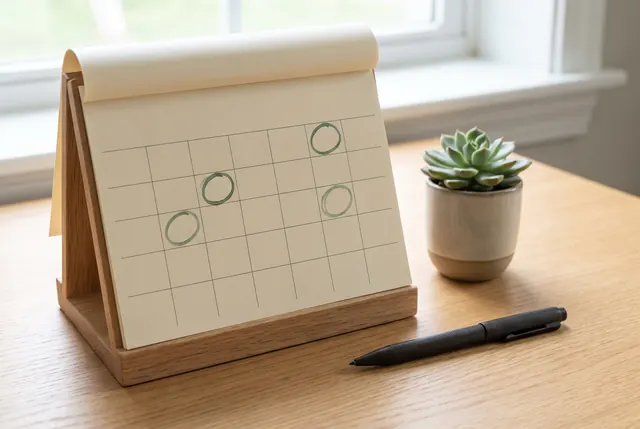
Before any of that, a transplant has to be the right answer for you. Loss that is still moving is usually treated medically first, through hair fall treatment, and for some people surgery should wait, as when a transplant is the wrong answer explains. For estimates, see what decides the cost in Rohini and how to compare quotes in Delhi. Bring your calendar to the consultation along with the questions worth asking: the date is the one part only you can supply.
Recovering in Delhi: more questions
Can I take the Delhi Metro home after a hair transplant?
It is better not to on the day itself. The train is not the problem; the crowd is. At busy times a standing passenger's head is at the height of raised arms, grab handles and bags, while the recipient area is at its most fragile. A cab, or a car driven by someone else, is simpler. Once the grafts are secure, usually after about ten days, off-peak Metro travel is generally manageable, but confirm the timing with the clinic.
Can I ride pillion on a scooter after a hair transplant?
Not in the early weeks. The law requires a pillion passenger to wear a helmet as well as the rider, and a helmet drags across the hairline as it goes on, presses on the grafts and the donor area, and traps sweat. Plan on roughly two weeks without riding or riding pillion, longer if the clinic advises it, and ask at your review when a helmet can be worn again.
Can I wear an N95 mask during the smog season after a transplant?
Yes, and on poor-air days it is sensible. Choose one with ear loops. Masks held by elastic straps that run around the back of the head sit across the donor area, which is healing too. Put the mask on and take it off without letting it ride up towards the hairline.
Is winter a good time for a hair transplant in Delhi?
It suits many people because it is the season with the least sweat, but it overlaps with the smog season and with the urge to wear a woollen cap. Late February and March are also comfortable. There is no medically wrong month: transplants are carried out indoors all year, and the choice is about which nuisances are easiest for you to avoid in the first fortnight.
Can I wear a woollen cap or monkey cap after a transplant?
Not straight away. Tight knitted caps grip, rub and shed fibres into the crusts. Once the clinic clears a covering, commonly from around ten days, a loose cap with a smooth lining that does not press on the grafts is the usual choice. Until then, staying indoors on the coldest mornings is easier on the scalp.
What if Diwali falls in the first weeks after my transplant?
Celebrate it indoors. Firecracker smoke, sparks and ash are all things to keep away from a healing scalp, and the days around Diwali are usually among the worst of the year for air quality. If the festival falls in your first fortnight and that is not acceptable to you, it is easier to move the surgery date than to manage the risk.
Medical disclaimer. Information on this website is general patient education. It is not medical advice and does not create a doctor-patient relationship. Suitability, graft numbers and treatment plans are decided only after an in-person examination by a registered medical practitioner. Outcomes differ from person to person, and no particular outcome, density or timeline can be promised.
Related treatment
Considering hair transplant treatment?
This article is patient education. What applies to your own case is decided after an examination — the treatment page sets out how that works, what it costs and what to expect.