PRP Treatment for Hair in Gurgaon for Early Thinning and Increased Shedding
PRP concentrates the platelets from your own blood and injects them into thinning areas of the scalp, to support follicles that are shrinking but still alive. It is one part of a plan, not the whole plan — which is why the cause of your hair loss is investigated before a single session is booked, at our Gurugram clinic in Sector 39, opposite Medanta – The Medicity.
- Cause investigated before the first session
- One consistent preparation protocol
- The whole course quoted, not per session
- Carried out by registered medical practitioners
Gurugram Clinic
Request a call back
Talk to the clinic about PRP or GFC for your hair
Leave your number and the clinic will call you during opening hours (Mon–Sat · 10:00 – 20:00) to arrange a consultation. Prefer to message? WhatsApp the clinic.
Diagnosis first
One protocol
Course quoted upfront
Photographs, not impressions
Registered doctors
The short answer
PRP Hair Treatment at a Glance
Hair PRP injects a concentrate of your own platelets into thinning areas of the scalp to support follicles that are still alive. It suits early to moderate thinning, runs as a course of about three or four monthly sessions, and is judged against photographs at three to six months. It does not regrow hair on bald skin, and it needs maintenance.
Looking for PRP for your face or skin?
That is a different treatment with a different aim and technique. See face PRP treatment in Gurgaon. Everything on this page is about PRP for hair.
Carried out by
Registered medical practitioners
Usually considered for
Early to moderate thinning
Initial course
3–4 sessions, ~4 weeks apart
Each session
30–60 minutes, walk in, walk out
First change
Less shedding, ~6–10 weeks
Judged at
3–6 months, on photographs
Advertised in Gurgaon
₹5,000 – ₹12,000 per session
Where
Sector 39, opposite Medanta – The Medicity
The basics, plainly
What Is Hair PRP Treatment?
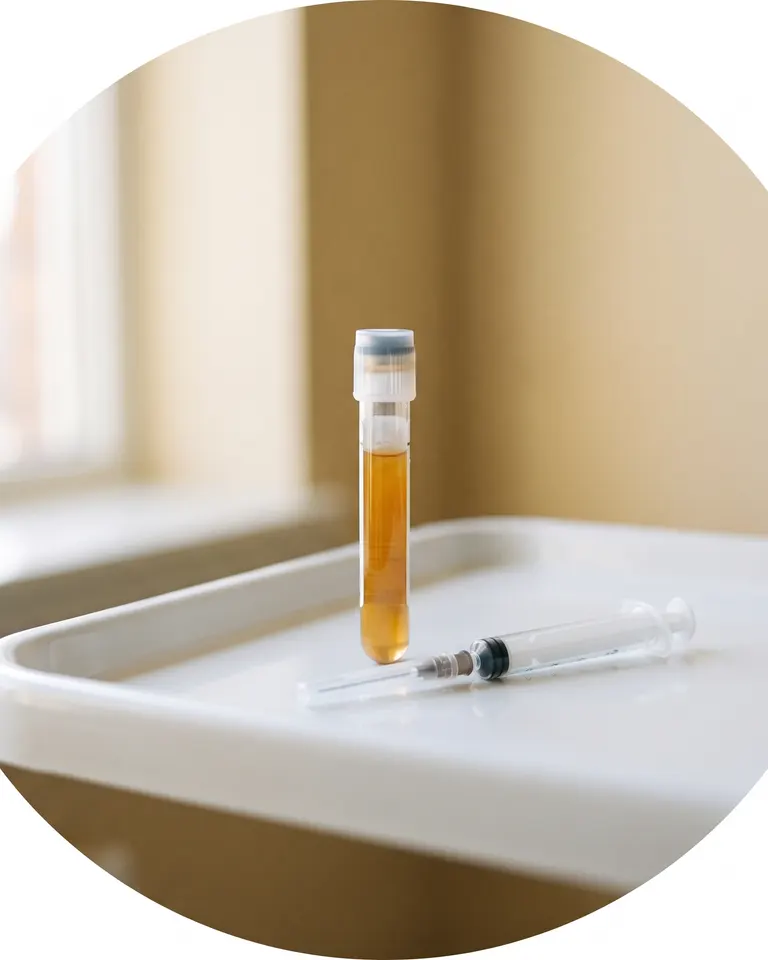
PRP stands for platelet-rich plasma. A small volume of blood is drawn from your arm, exactly as for a routine blood test, and spun in a centrifuge; the plasma fraction in which the platelets are concentrated is kept and injected into the scalp at the depth where follicles sit, across the thinning areas.
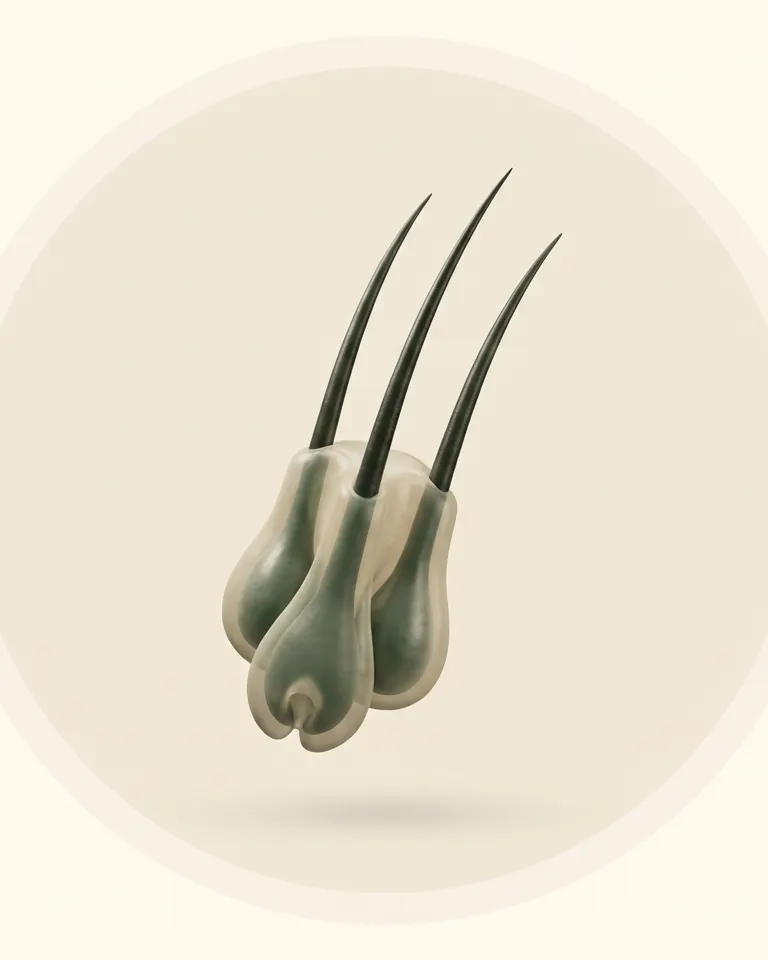
Platelets carry growth factors — signalling proteins the body normally uses for repair. The working principle is that delivering them around miniaturising follicles helps hold those follicles in their growth phase for longer and improves the blood supply feeding them.
The published evidence for PRP in pattern hair loss is supportive but uneven, largely because protocols differ between clinics: how the blood is spun, how concentrated the result is, how much is injected and how often. We treat PRP as one part of a plan, not the whole plan.
- It acts on follicles that are still alive but shrinking
- Where a follicle is gone — a fully bald, shiny scalp, or scarred skin — there is nothing left for it to act on
- It does not switch off the process driving the hair loss, so a result is maintained rather than banked
Before you pay for a course
When PRP Will Not Help — and the Tests That Come First
PRP often fails because the wrong problem is being injected. These are the situations where the honest recommendation is something else.
Bald, smooth scalp
No follicles, nothing to support. That is a transplant or cosmetic question, however the PRP is prepared.
An untreated medical cause
Low iron, thyroid disease or vitamin deficiency drive shedding that injections do nothing for. Correcting them is cheaper and works better.
Telogen effluvium
Heavy shedding after illness, surgery, childbirth or stress usually settles once the trigger passes. See telogen effluvium vs pattern loss.
Active alopecia areata
An autoimmune condition with its own treatment. See alopecia areata treatment.
Scarring alopecia
Follicles destroyed and replaced by scar tissue. The aim is to stop progression, not to inject.
Extensive pattern loss alone
Where only a thin fringe of miniaturised hair remains, the realistic benefit is small. You are told that before paying.
Tests commonly checked first, where the history points to them
Complete blood count, ferritin and iron studies, thyroid function (TSH), vitamin D and vitamin B12 — and hormonal tests in selected women. Not a fixed panel for everyone: which tests matter is decided from your history. See which blood tests actually matter for hair fall.
Straight comparison
PRP, GFC, Exosomes, Mesotherapy and Medication — What Is Actually Different
These get sold interchangeably, and they are not interchangeable. This is what is in each syringe and what each is realistically for.
Compare the course, not the session
A cheap single session inside an expensive course is not a saving. Ask how many sessions the plan calls for, what each includes, and what happens if you do not respond — the questions in what to ask before paying for PRP in Gurgaon.
Ask what is in the syringe
“Mesotherapy” describes a route of delivery, not a formulation, and “exosomes” covers products of very different origin. Two clinics using the same word can be injecting entirely different things. See hair mesotherapy.
Step by step
Your PRP Journey
In this order: the investigations come before the injections, not after them.
-

Step 01
Consultation and examination
History, medication and what has already been tried, then pattern, density and miniaturisation assessed under magnification.
-

Step 02
Investigations and a written plan
Thyroid, iron, vitamin D and platelet count where indicated, then session count, intervals and the full course cost in writing.
-
Step 03
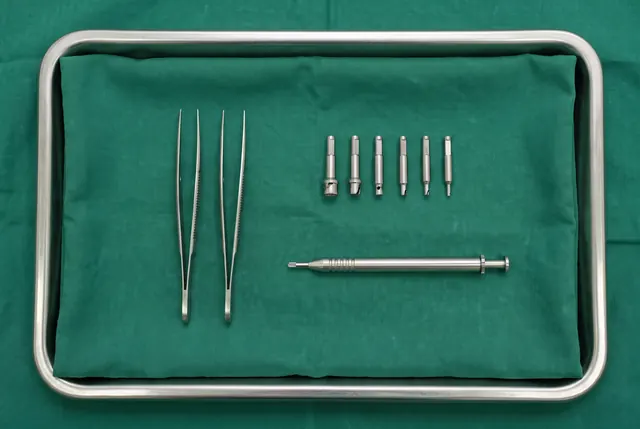
Session series
The agreed course, at the agreed intervals, with the same protocol each time.
-

Step 04
Review and maintenance
Response judged against baseline photographs before anything is repeated.
On the day
How Does a PRP Session Work?
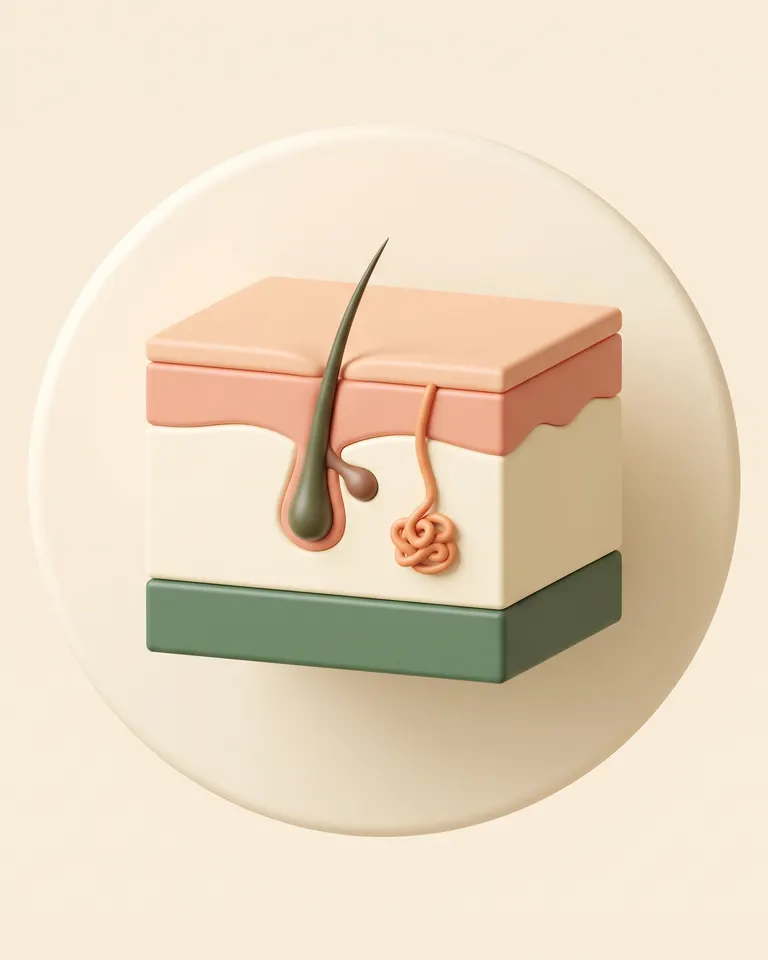
A walk-in, walk-out appointment, usually 30 to 60 minutes from arrival to leaving. Anything that has changed since the last session — medication, illness, how the scalp responded — is noted first, then a small volume of blood is drawn from the arm and spun with the same settings every time, because consistency is the point.
Commonly reported afterwards: scalp tenderness for a day or so, redness, pinpoint marks, mild swelling, occasional headache and bruising where the blood was drawn. Infection at an injection site is uncommon but possible, which is why the aftercare instructions matter.
Worth asking any clinic about its protocol: who draws, prepares and injects, by name; whether the preparation is the same at every session; how much area is treated and how it is mapped; whether baseline photographs are taken before session one; and when the review is, and what happens if nothing changed.
- The treatment area is cleaned, with topical anaesthetic or cooling to reduce the sting
- The concentrate is injected at follicular depth across the mapped thinning areas, usually in ten to fifteen minutes
- Washing and activity instructions, and your next session booked before you leave
Timeline and the stop rule
How Many Sessions, When Results Show, and When to Stop
General guidance. Your own course is set after the assessment and reviewed against your baseline photographs rather than against a schedule. The last column — the decision at each point — matters most.
The stop rule. If the review after the initial course shows no meaningful change against your baseline photographs, we stop and change the plan rather than sell you more sessions. That is only possible because we do not sell large prepaid packages — see why on the PRP cost page.
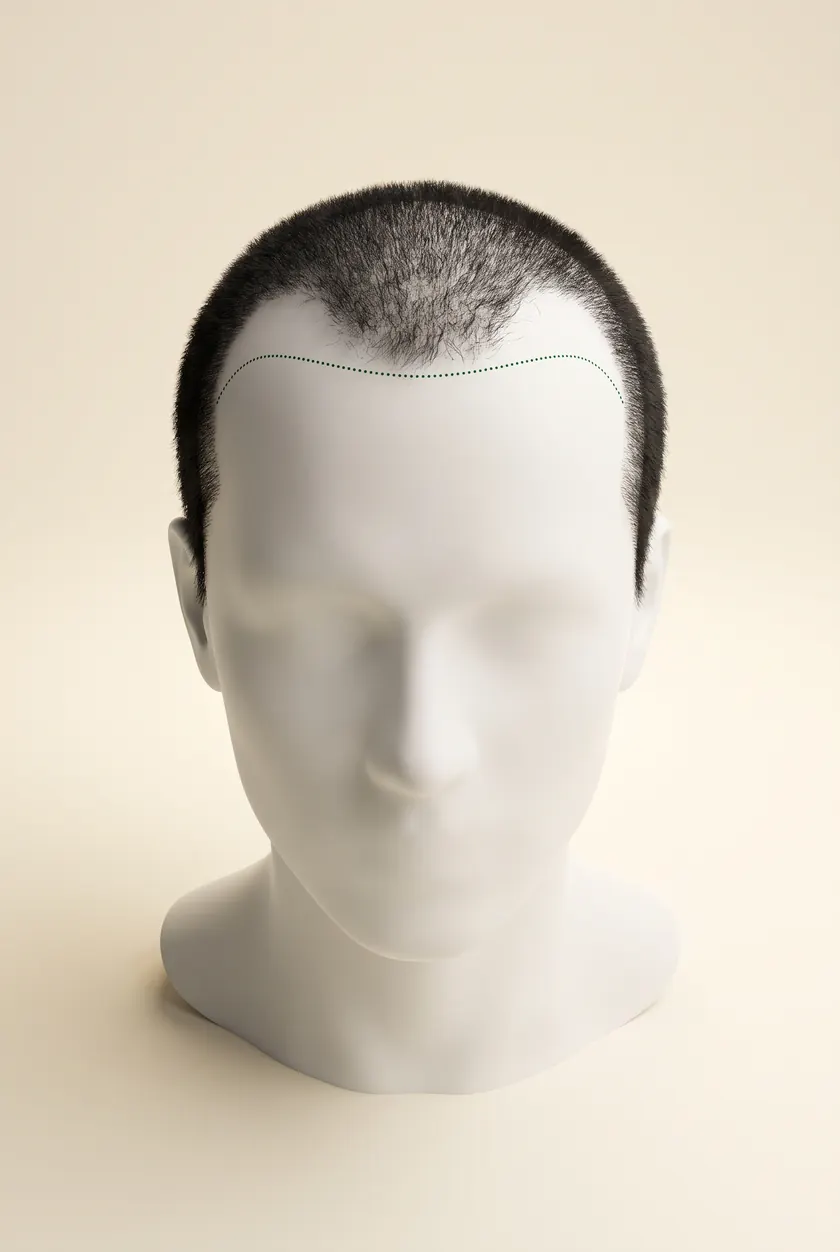
PRP is rarely the whole plan
PRP With Medication, and PRP After a Hair Transplant
Alongside minoxidil or finasteride. Prescribed medical therapy acts on the process that drives pattern hair loss and is the most studied option available, though it is not a cure: benefit lasts only while it is taken, and not everyone responds. PRP is supportive, so the two are usually run together, not chosen between — and a PRP course is never a reason to start or stop medication without the prescribing doctor. Both medicines have side-effect profiles worth discussing first; see minoxidil and finasteride in India.
After a hair transplant. Transplanted follicles keep their donor characteristics; the native hair around them does not, and keeps thinning on its own timetable. PRP is commonly used to support that surrounding hair, with timing decided by the treating doctor once the scalp has healed. Ask which hair a post-transplant course is meant to help, and how that will be measured over the first year — see is a hair transplant permanent.
Who you will see
Doctors at DenceSpot Clinic
Consultations and procedures are carried out by registered medical practitioners at the clinic.
Dr. Nyra
MBBS, MD (Dermatology)
Cost guidance
Hair PRP Treatment Cost in Gurgaon
Advertised prices range widely because a PRP session is not a standard unit. The volume drawn, the preparation method, the area treated and how many sessions are included all differ between clinics — so a per-session price tells you almost nothing on its own.
At the typical advertised rate of ₹5,000–₹12,000 a session, a four-session course comes to ₹20,000–₹48,000 before any maintenance. We quote your own course in writing after the assessment.
Sessions in the course
Area treated
Preparation method
Supporting therapy
Get a Personalised Treatment Estimate
Send photos of the parting, crown and hairline on WhatsApp, or request a call back. You will get an assessment — not a package sale.
What Gurgaon Clinics Advertise
Orientation only — and a reminder to compare what each figure includes.
Market context, not our price list. Ranges as advertised on Gurgaon clinic websites we reviewed in September 2026. They are not DenceSpot’s prices — ours are quoted in writing after assessment — and advertised figures often exclude consultation, blood tests, medication or maintenance. Ask any clinic what its figure includes.
Visit the clinic
Hair PRP Clinic Near Medanta, Sector 39 Gurugram
Sessions take place at our Sector 39 clinic in Gurugram, opposite Medanta – The Medicity, and are carried out by registered medical practitioners. Because a PRP course runs over months, each review compares your photographs against the same baseline.
-
Our clinic
Gurugram Sector 39
- 1123, Sector 39 Road, Jharsa, C Block, Sector 39, Gurugram, Haryana 122003opposite Medanta – The Medicity
- Mon–Sat · 10:00 – 20:00Sunday · closed
- +91 81783 30800
Sector 39, Gurugram
Find Out Whether PRP Is Worth Doing for You
You will get a scalp examination, the investigations that matter, and an honest answer about whether PRP is likely to help — including when the answer is that something else should come first.

The complete guide
Everything in Our PRP & Non-Surgical Hair Treatment Guide
Each page below answers one question in depth — a technique, an area, a cost, a recovery stage.
Injectable and in-clinic therapies
Supporting articles
- How Many PRP Sessions Does Hair Need, and How Far Apart?
- PRP for Hair: Side Effects, Pain and Who Should Avoid It
- After PRP Hair Treatment: Washing, Exercise and the First 72 Hours
- Does Microneedling Work for Hair Loss?
- PRP or a Hair Transplant: Which One Do You Actually Need?
- PRP vs GFC vs Exosomes: Comparing the Injectable Hair Treatments Honestly
- Does PRP Actually Work for Hair Loss, and What Happens If You Stop?
- Before You Pay for a Course of PRP in Gurgaon, Ask These Questions