Face PRP, With a Clear Account of What It Does Not Do
Facial PRP uses your own blood to support skin quality — texture, fine lines, the general look of the skin. It is a reasonable treatment and a modest one. It is not a facelift, it does not fill volume, and the transformations in the photographs you have seen usually owe a good deal to the lighting.
- Prepared from your own blood
- Assessed and performed by a dermatologist
- Standardised photographs, not mirror comparisons
- Gurugram · Mon–Sat · 10:00 – 20:00
Assessed & performed by
Dr. Nyra
MBBS, MD (Dermatology) · Owner & Chief Consultant, DenceSpot Clinic
Autologous
Your own blood, so no reaction to the material.
Doctor-performed
Assessed and treated by a dermatologist.
Measured properly
Standardised images, consistent lighting.
Modest claims
Skin quality, not a surgical result.
Told when it is wrong
Volume loss and sagging need something else.
The basics, plainly
What Facial PRP Involves
A small volume of blood is drawn, exactly as it would be for a routine blood test. It is spun in a centrifuge, which separates the components and allows the platelet-rich fraction to be taken off.
Platelets carry growth factors involved in tissue repair. Concentrating them and delivering them into the skin is the whole idea behind the treatment. The plasma is either injected into the dermis across the areas being treated, or applied to skin immediately after microneedling so that it reaches the tissue through the channels created.
Because the material is yours, there is no question of an allergic reaction to it. That is the principal safety advantage of autologous treatments and it is a genuine one.
It is given as a course, not a single session, with sessions spaced some weeks apart. Any benefit builds gradually rather than appearing after the first appointment.
Set expectations here
A modest treatment, honestly described
What it plausibly addresses: skin texture, fine lines, dullness, and the general quality and firmness of the skin.
What it does not address: sagging, lost volume, deep folds, active acne, or anything that needs a surgical or volumising solution.
If what bothers you is in the second list, this is the wrong treatment, and that is what you will be told at assessment.
Expectations
Reading Before-and-After Photographs Sceptically
Facial treatments are sold on images, and images of skin are unusually easy to influence without touching the skin at all.
Lighting does most of the work
Softer, more frontal light on the second photograph flattens texture and shadow. The same face can look substantially different with no treatment whatsoever.
Makeup and preparation
A bare, tired "before" against a groomed, made-up "after" is comparing two situations, not two states of skin.
Angle and expression
Small changes in head position and expression alter how folds and fine lines read. Standardised photography exists precisely to remove these variables.
How we handle it
Baseline photographs, taken the same way each time
Standardised images at the start, and interval images taken in the same position under the same lighting. It is the only honest way to know whether a slow treatment is doing anything, and it protects you from paying for a course that is not working.
It also protects against the opposite error — dismissing a real but gradual improvement because day-to-day mirror comparisons are dominated by sleep, hydration and the bathroom light.
Suitability
Who It Suits
It suits people who want an improvement in skin quality, are comfortable with a gradual result, and prefer an autologous treatment. It sits well alongside a sensible skincare routine and sun protection, which do more for skin over a lifetime than any course of injections.
It does not suit people looking for a lift, for volume, or for a single dramatic change. Nor does it suit anyone with active infection or inflammation in the area, and it is assessed carefully where there are blood, platelet or clotting conditions, or medication affecting clotting.
If your main concern is active acne, PRP is not the treatment for it, and the right step is having the acne itself assessed and treated.
Reasonable to consider
- Skin texture and fine lines
- Dull or tired-looking skin
- A preference for autologous treatment
- Comfortable with a gradual, modest change
Not appropriate
- Sagging skin or lost facial volume
- Active skin infection or inflammation
- Active acne as the primary concern
- Certain blood, platelet and clotting disorders
The process
How a Course Runs
Step 01
Assessment
Your skin examined, your concerns established, medical history and medication reviewed, and an honest answer on whether PRP addresses what is bothering you.
Step 02
Baseline photographs
Standardised images before anything begins, so the result can be judged against something other than memory.
Step 03
Sessions
Blood drawn, spun, and the plasma delivered into the skin. A session is short, with redness for a day or two afterwards.
Step 04
Review
Compared against the baseline under the same conditions, with maintenance discussed only if there is something worth maintaining.
Downtime and aftercare
What the Days After Look Like
Redness across the treated area is usual for a day or two, and mild swelling is common. Pinpoint bruising at injection sites happens frequently and settles on its own.
This is worth planning around. Book the treatment several days before anything socially significant rather than the evening before, because the first day or two is the least flattering part of the process.
You will be given specific aftercare. In general the skin is left alone for the rest of the day, sun exposure and heat are avoided briefly, and active skincare products are paused for a short period before being reintroduced.
Anything unusual — spreading redness, increasing pain, fever — should be reported promptly rather than waited out.
Usual and expected
- Redness for a day or two
- Mild swelling
- Pinpoint bruising at injection sites
- Tenderness that settles quickly
Briefly avoid
- Direct sun and sunbeds
- Saunas, steam and heavy sweating
- Active skincare acids and retinoids
- Makeup on the day, as instructed
Who performs and reviews this treatment
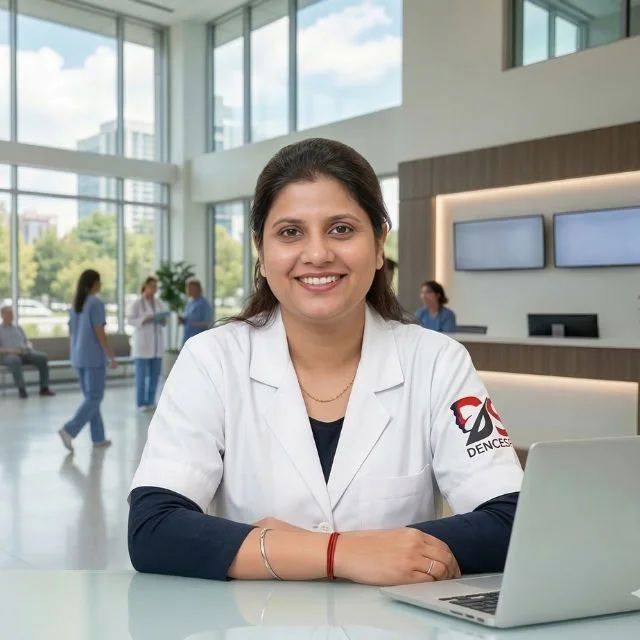
Dr. Nyra, MBBS, MD (Dermatology)
Owner & Chief Consultant, DenceSpot Clinic
Qualified MBBS from Dr. D. Y. Patil Medical College, and holds an MD in Dermatology. Three years of clinical work in Germany followed — two at Bio Hair Clinic and one at St. Georg Klinikum Eisenach — before establishing DenceSpot in Gurugram.
Why the expectation-setting matters more than the technique here: facial PRP is a modest, reasonable treatment that gets sold with immodest photography. Almost every disappointed patient in this category was disappointed because they were expecting a lift or a volume change that no injection of their own plasma was ever going to produce. Establishing what actually bothers someone, saying plainly when PRP is not the answer, and photographing properly so the result can be judged, is most of the clinical work.
Qualification
MBBS, MD (Dermatology)
Training
3 years, Germany
Specialization
Dermatology
Cost guidance
Face PRP Cost in Gurgaon
Priced per session, with the course planned at assessment and quoted afterwards in writing.
Sessions in the course
Planned from your skin and your goals
Areas treated
Full face, or specific regions
Combined with microneedling
Often used together, and costed accordingly
Maintenance
Considered only where there is a result to maintain
Prepaid packages sold before an assessment are worth avoiding. A course should be reviewable, and it should be possible to stop it if the photographs show nothing is changing.
Ask Before You Book
Tell us what specifically bothers you about your skin. If PRP is not the right treatment for it, you will be told that before an appointment rather than after a course.
Ask on WhatsApp Book an assessmentYour details are used only to arrange your consultation.
Visit the clinic
Facial PRP at Our Gurgaon Clinic
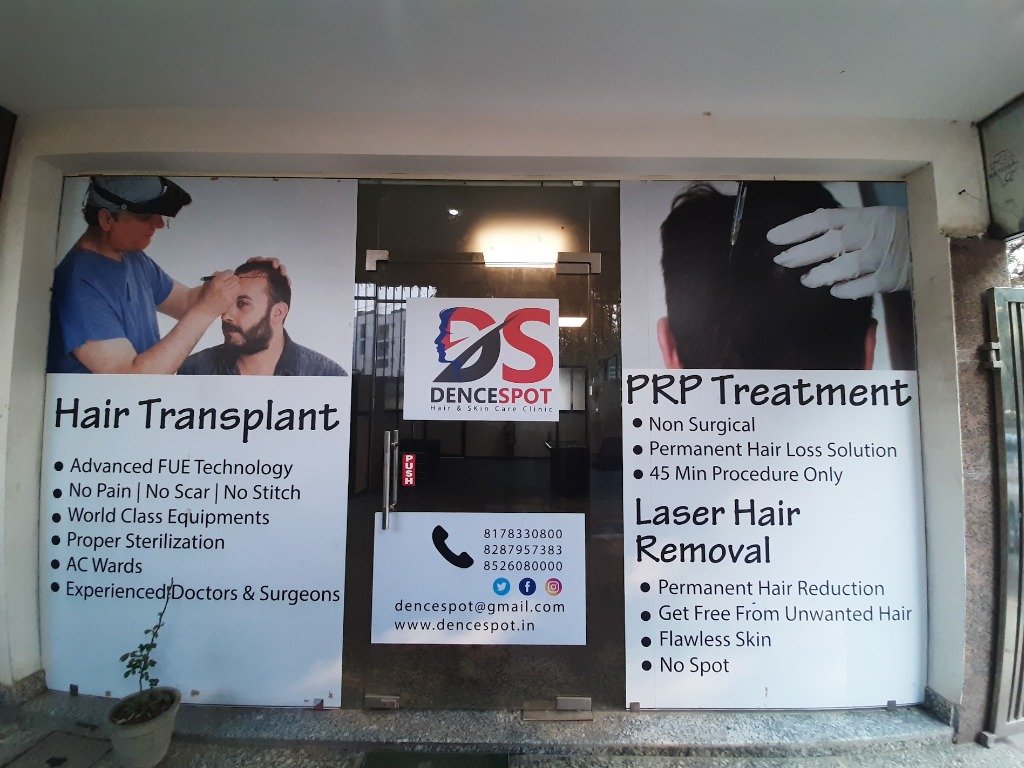
Assessment, treatment and every review happen at our Sector 39 clinic in Gurugram, with the same doctor throughout. Patients travel to us from across Gurugram and neighbouring parts of South Delhi.
- Address
- 1123, Sector 39 Road, Jharsa, C Block, Sector 39,
Gurugram, Haryana 122003 - Phone
- +91 81783 30800
- Message +91 81783 30800
- dencespot@gmail.com
- Hours
- Mon–Sat · 10:00 – 20:00Sunday · closed
Getting here
Next step
Find Out Whether PRP Addresses What Is Actually Bothering You
Come in and have your skin assessed properly. You will get a straight answer on whether platelet-rich plasma is the right treatment for your concern, and a recommendation for something else if it is not.
Suitability is determined after clinical assessment. This page is patient education and does not constitute medical advice.
Quick enquiry