Results

Hair and Beard Transplant Results

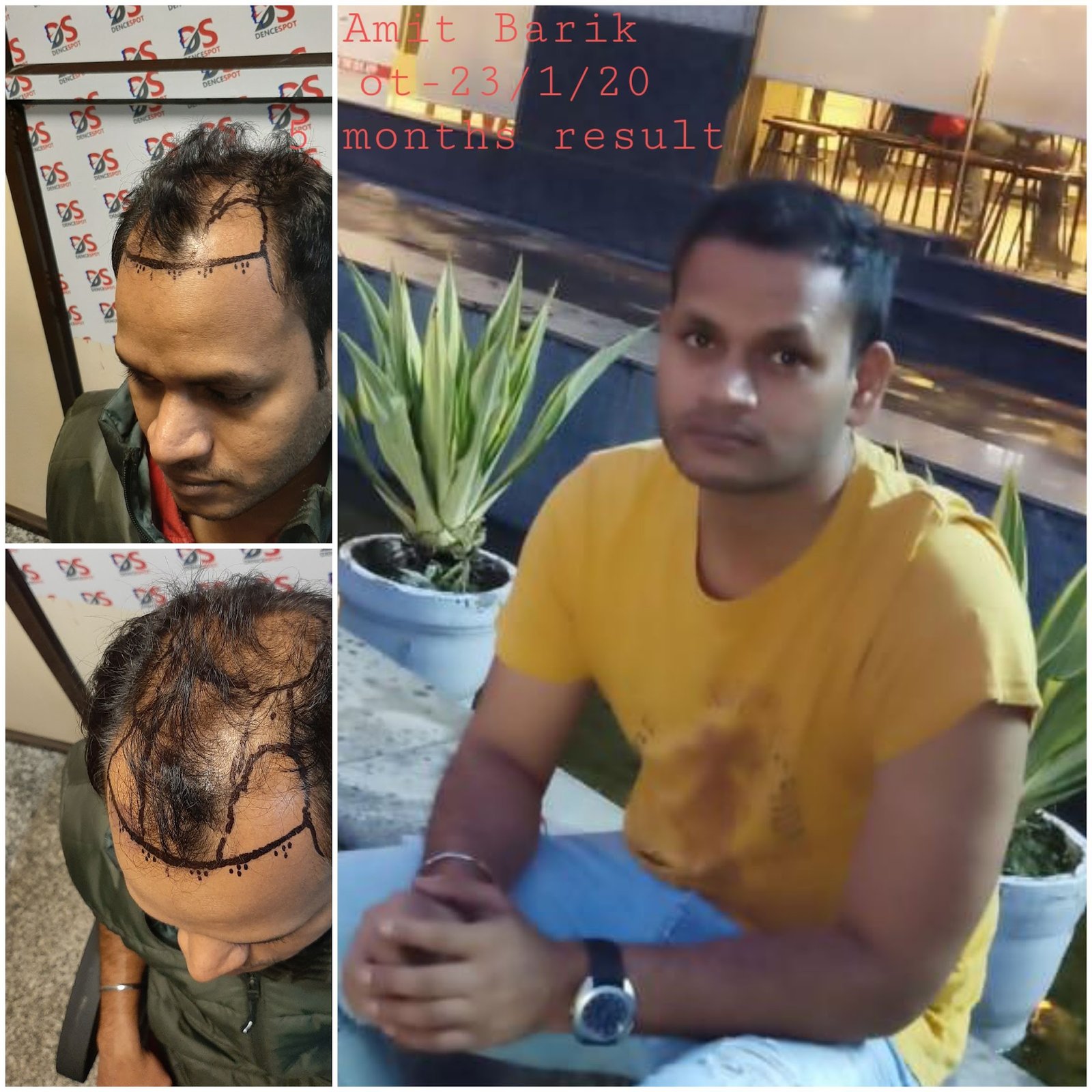
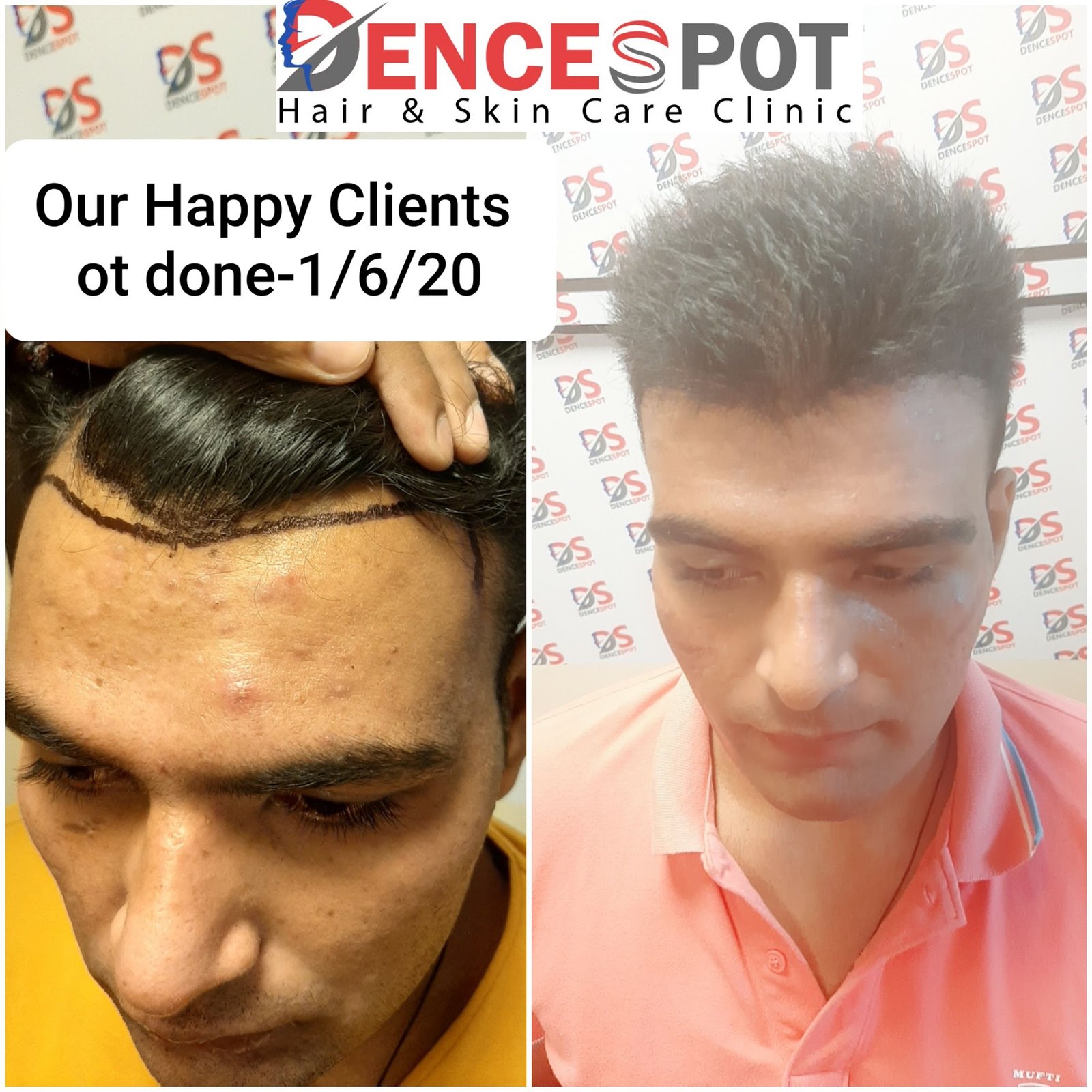
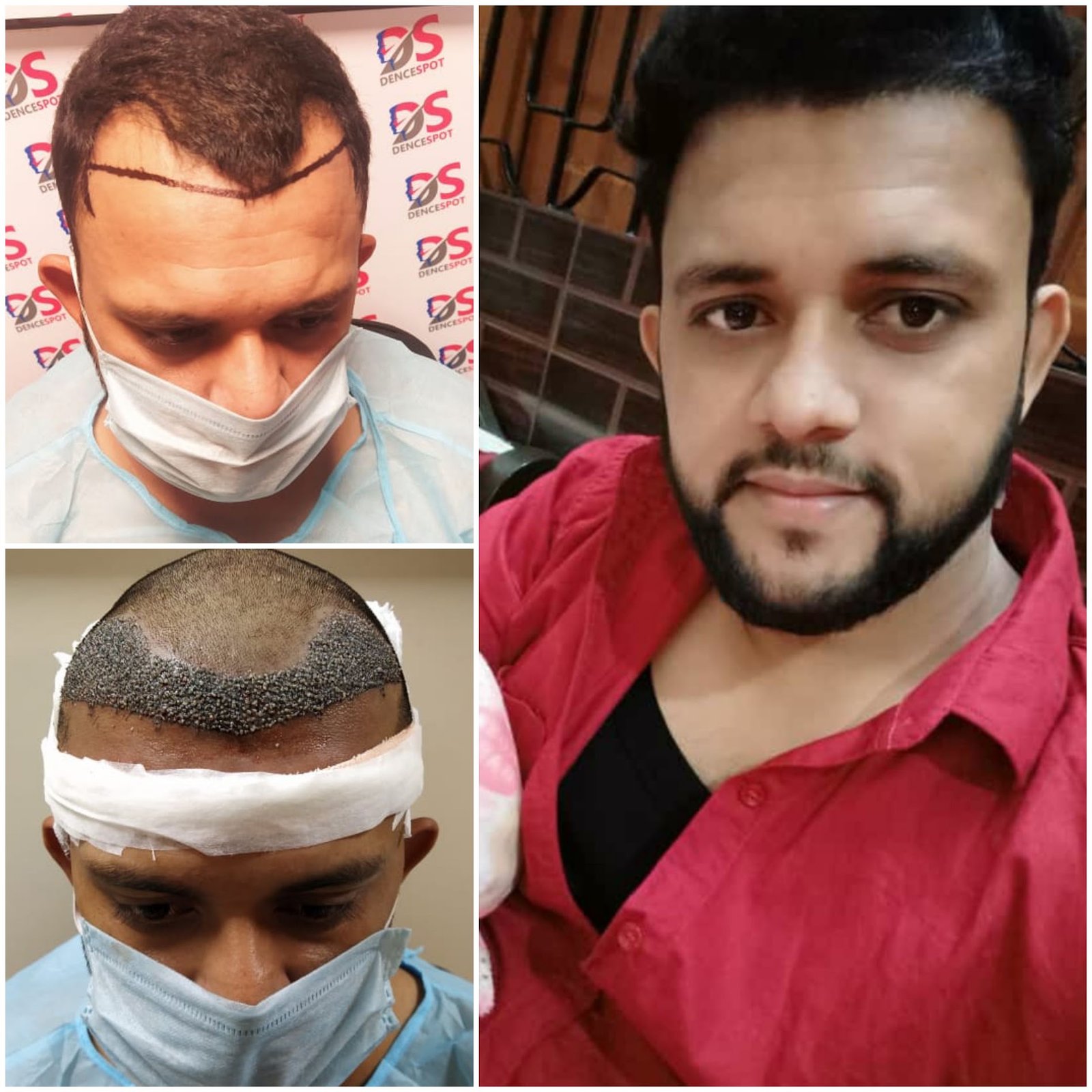
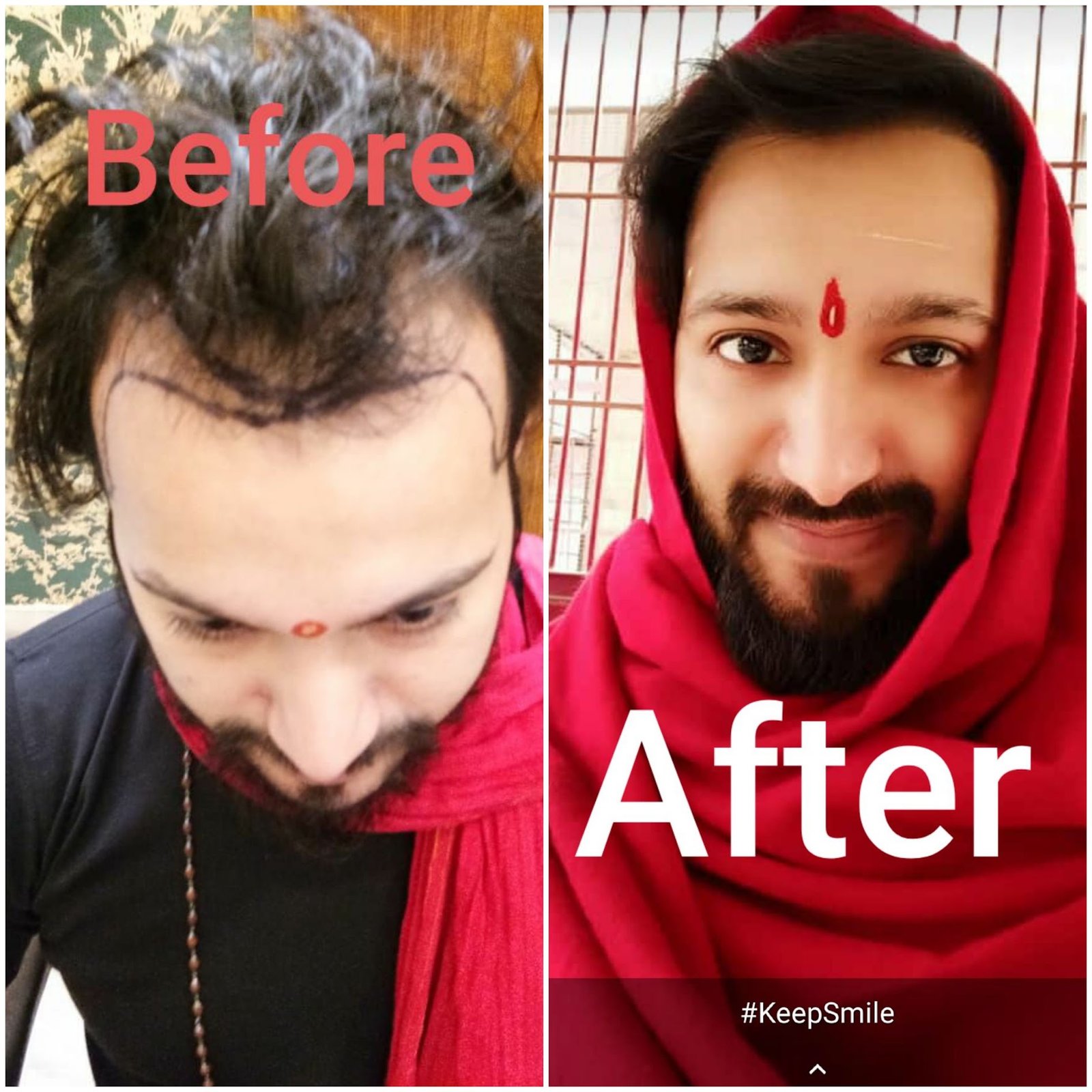
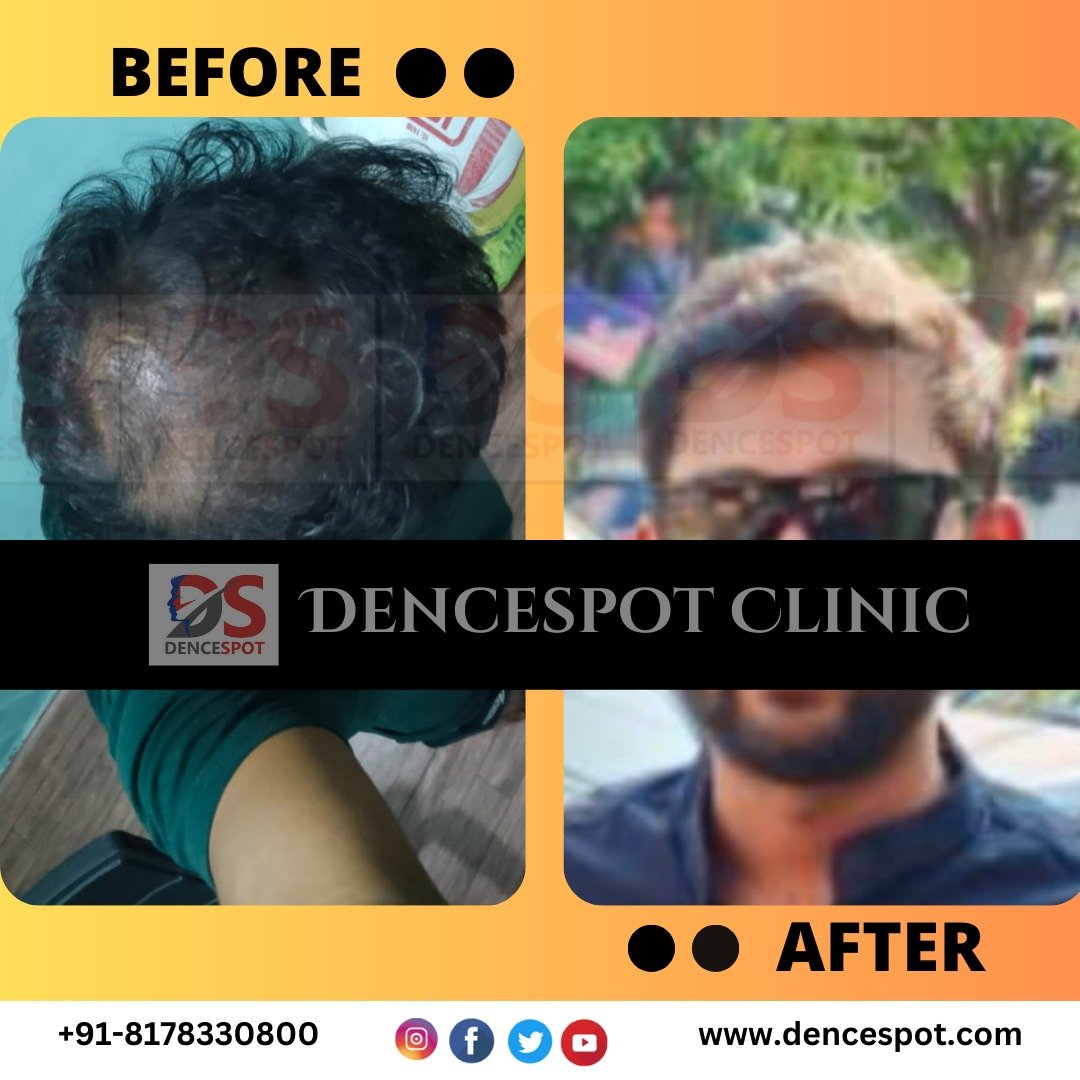
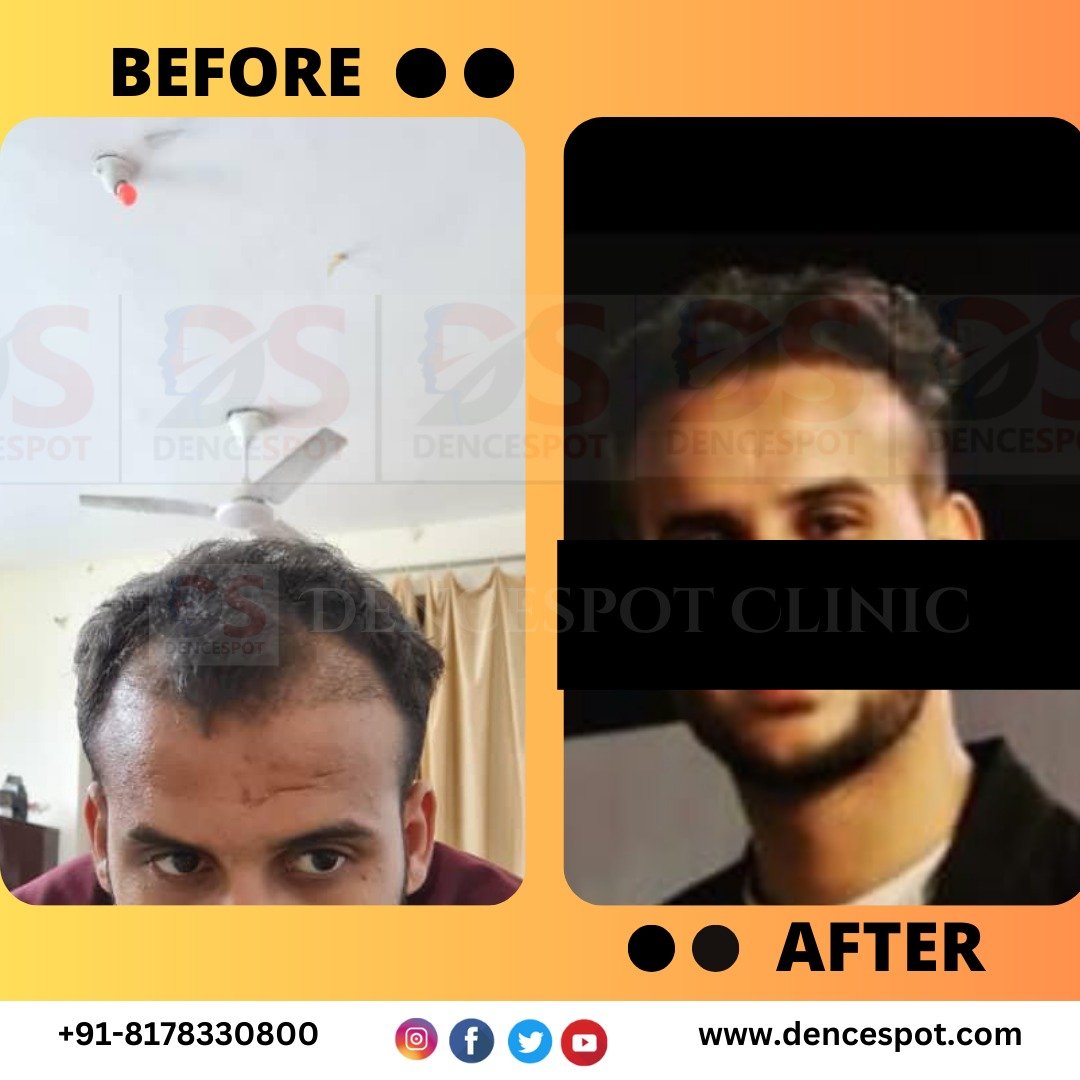
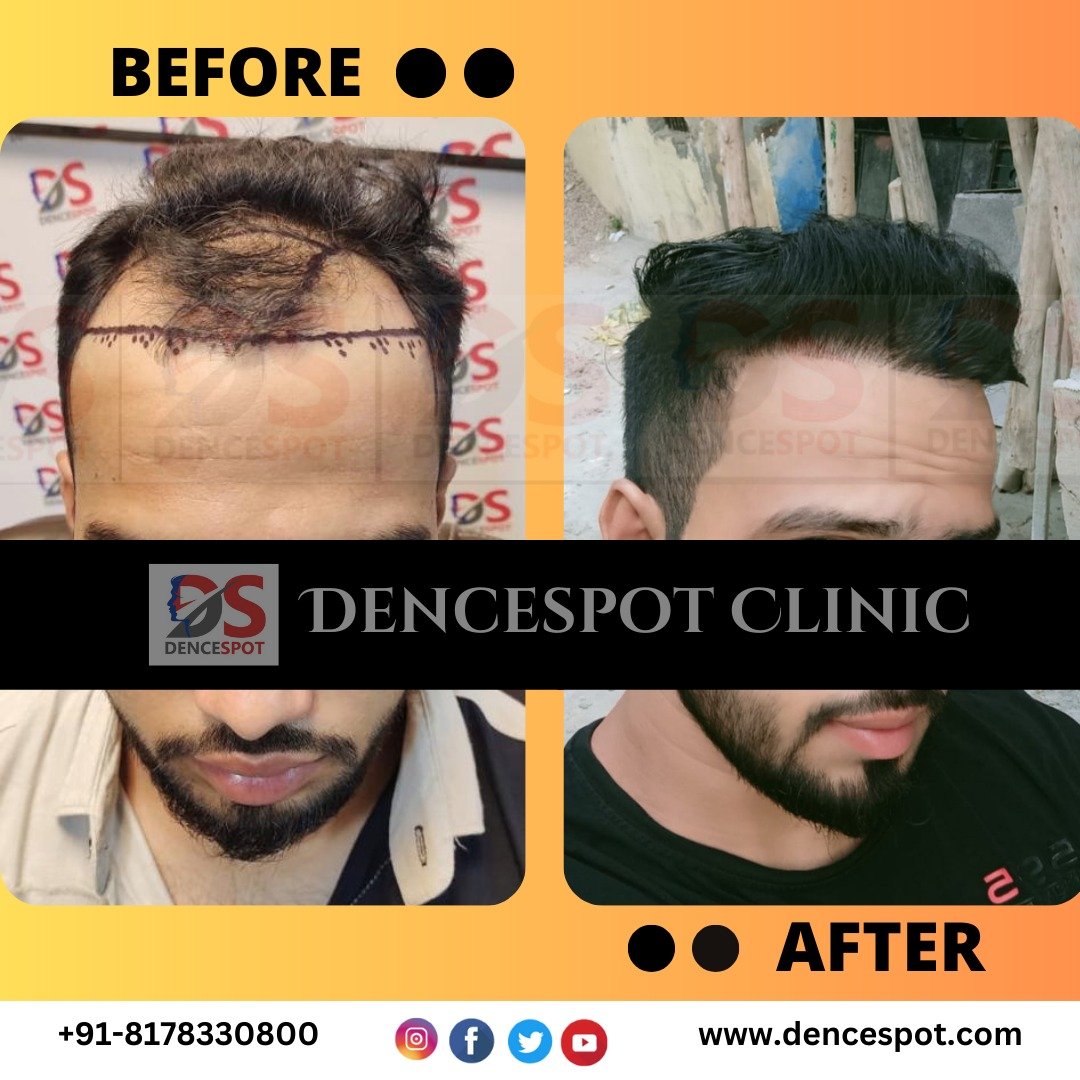
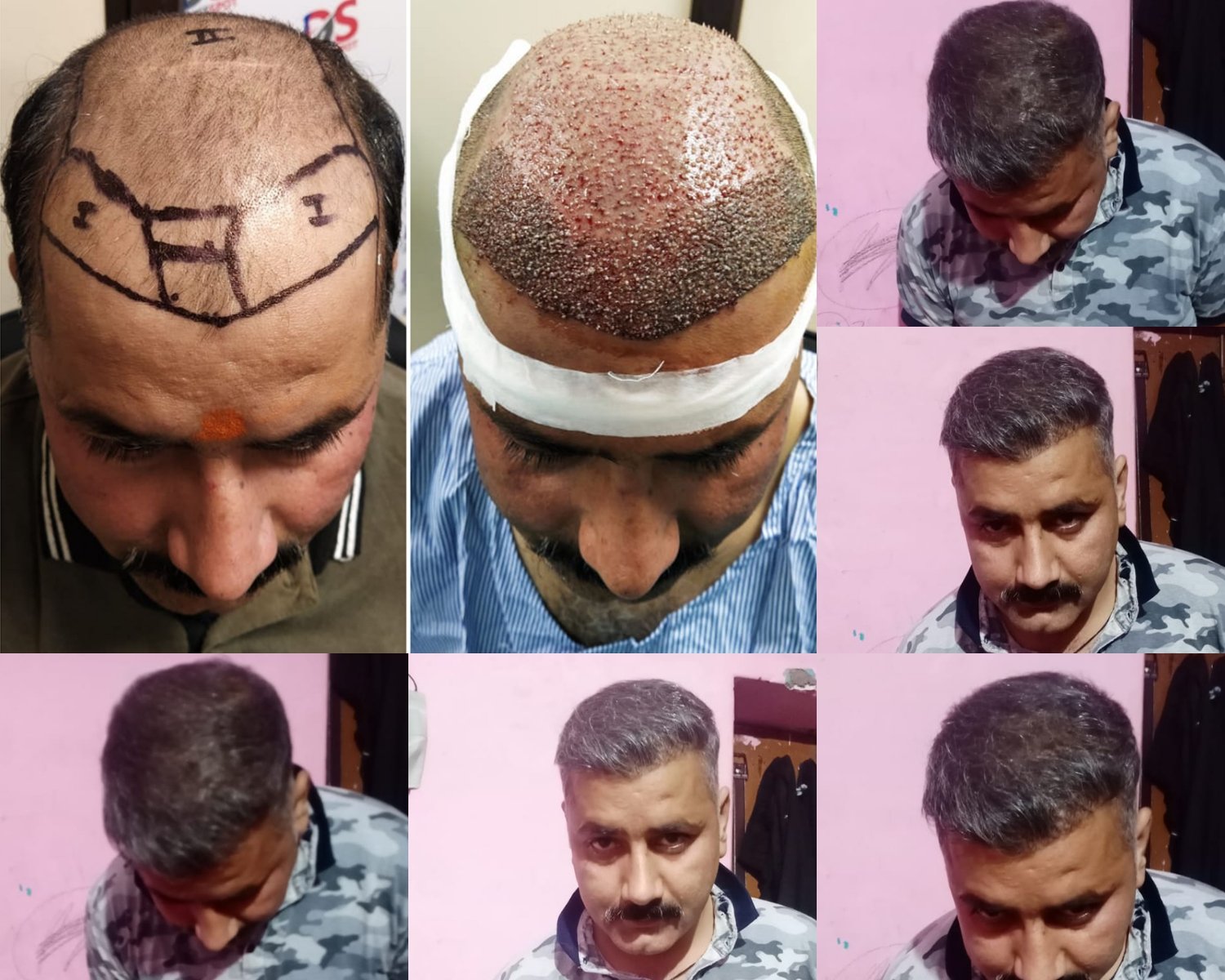
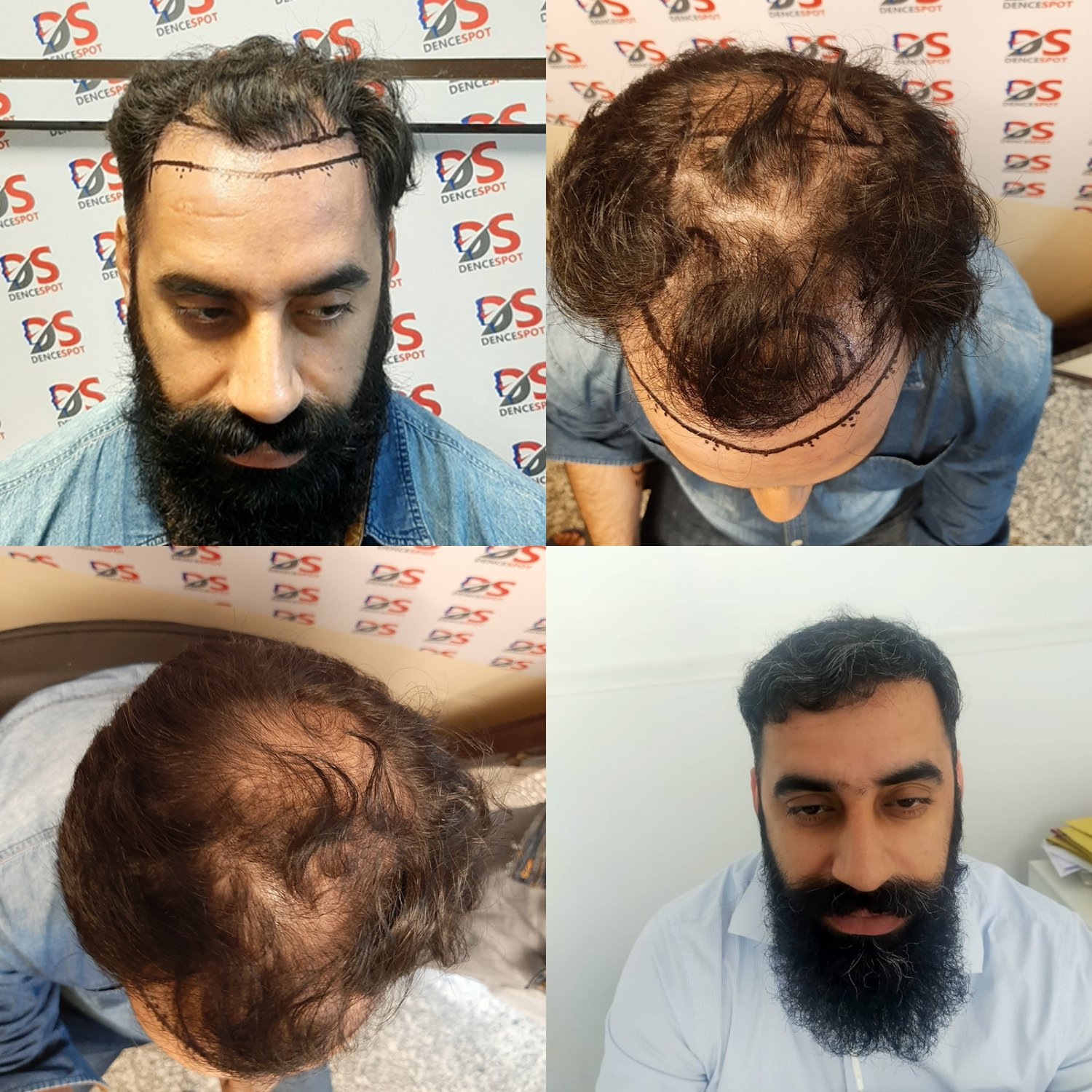
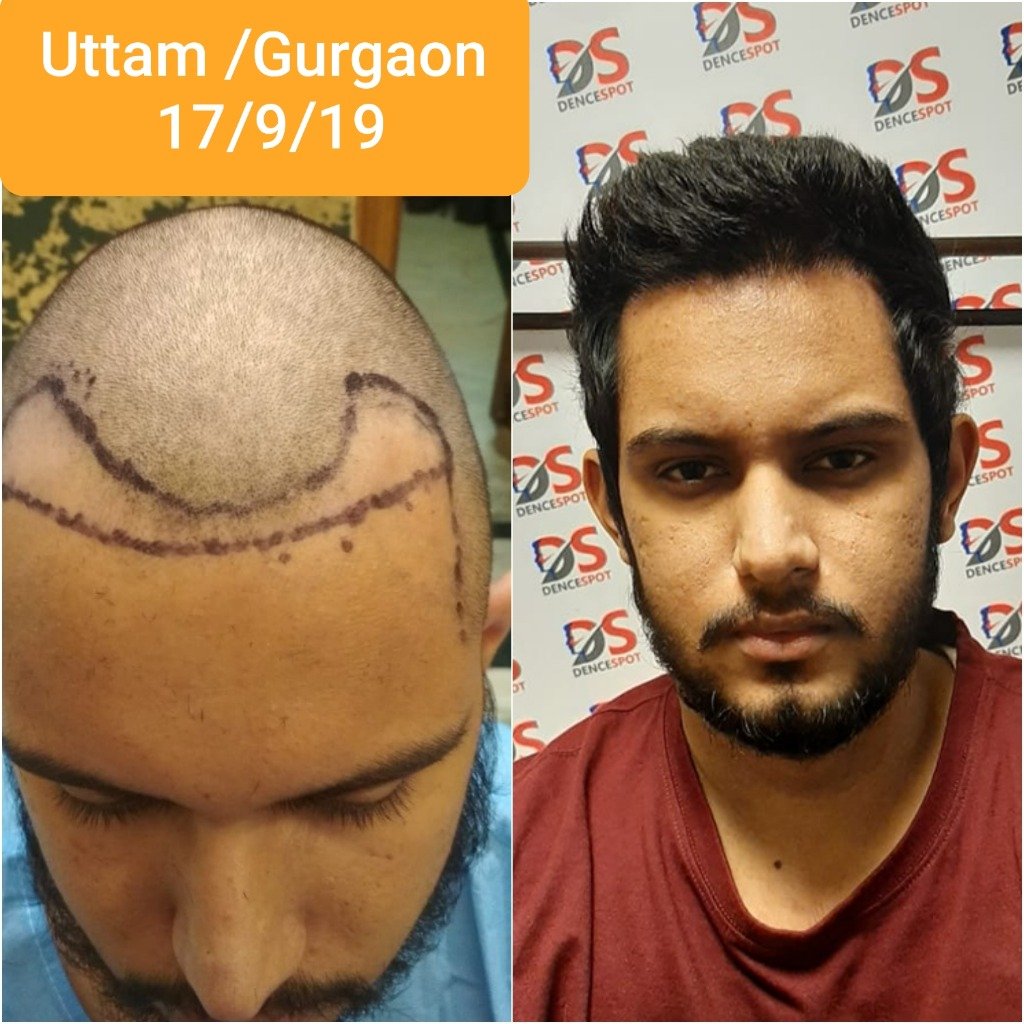
Before and after photographs from patients treated at this clinic — shot at the same angle, distance and lighting, unretouched, published with written consent, and labelled with the technique, graft count and how long after the procedure the photograph was taken.

Results vary between patients. What these show is what happened for these patients, with their donor supply and their pattern of loss. They are not a prediction of what will happen for you.
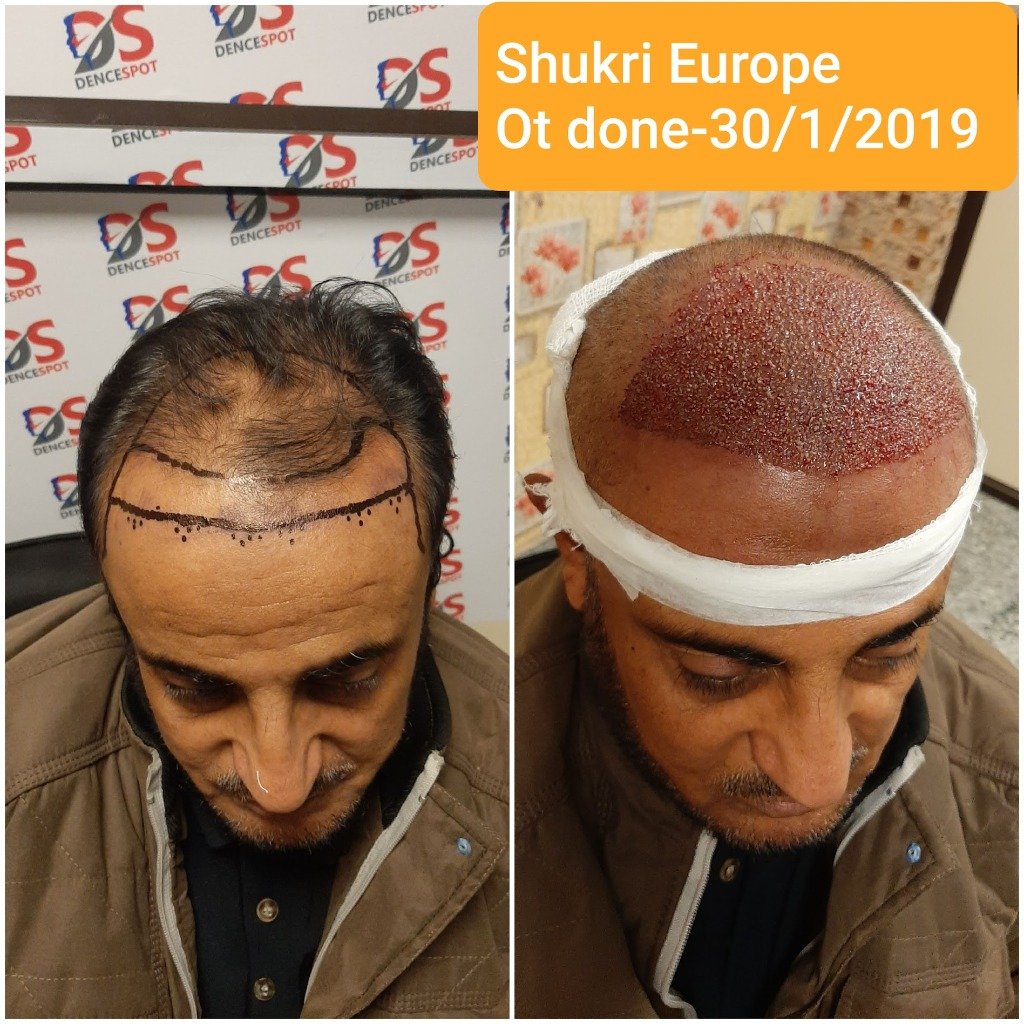
This gallery is deliberately empty

Every card below is a placeholder waiting for a real, consented case. Nothing here is stock imagery, a licensed photo library, or a result from another clinic.

That is not modesty. Publishing borrowed before-and-afters breaches Google's policies on misleading content, breaches medical-advertising rules, and — the part that actually matters — misleads someone making a decision about surgery on their own body. Patients notice, too: the same handful of stock result photos circulate across dozens of clinic websites.

Cases appear here as consented patients reach their review points, with the graft count and interval printed on each one so you can judge them properly.

At a consultation the doctor can show you consented cases relevant to your own pattern and donor supply, which is far more useful than a public gallery in any event.

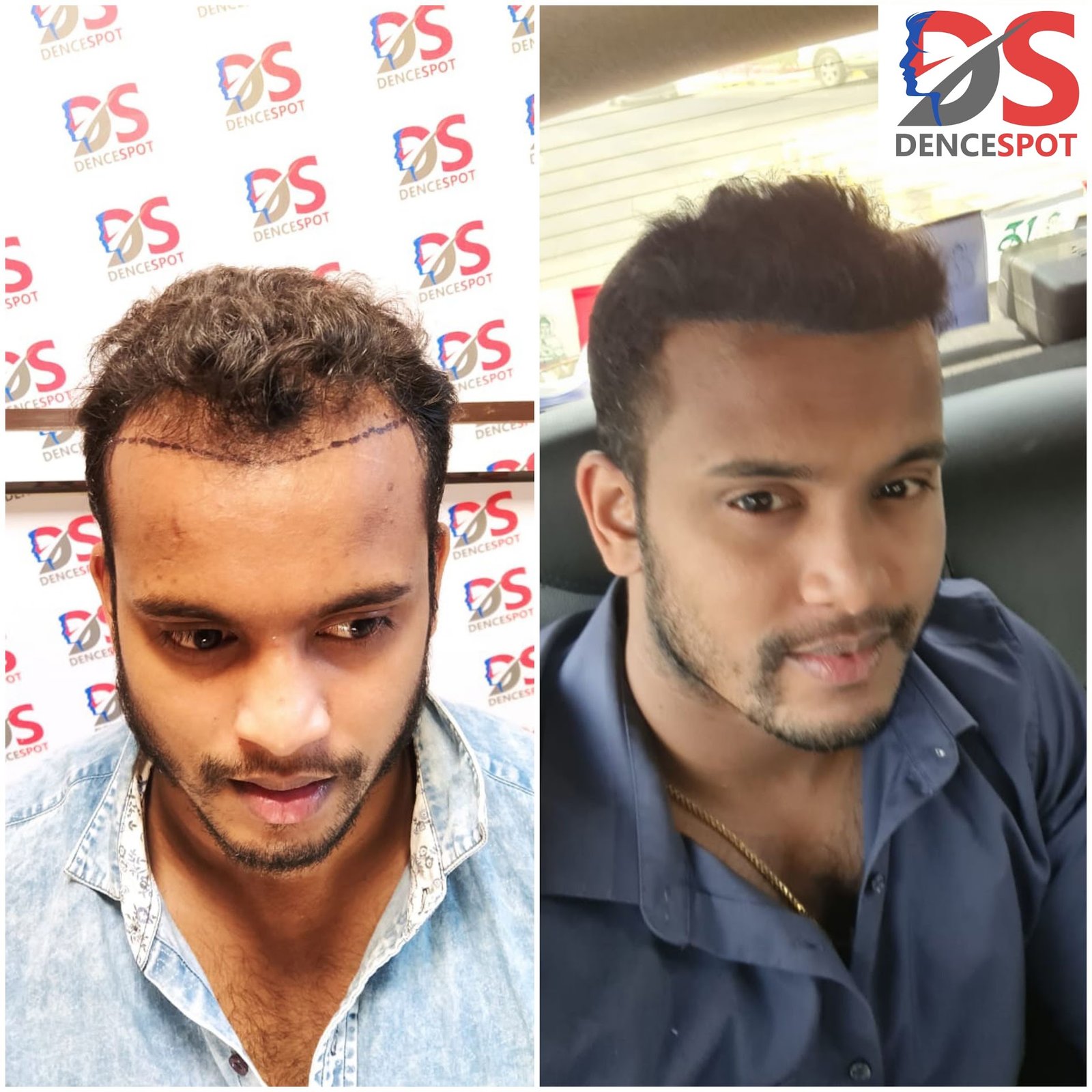
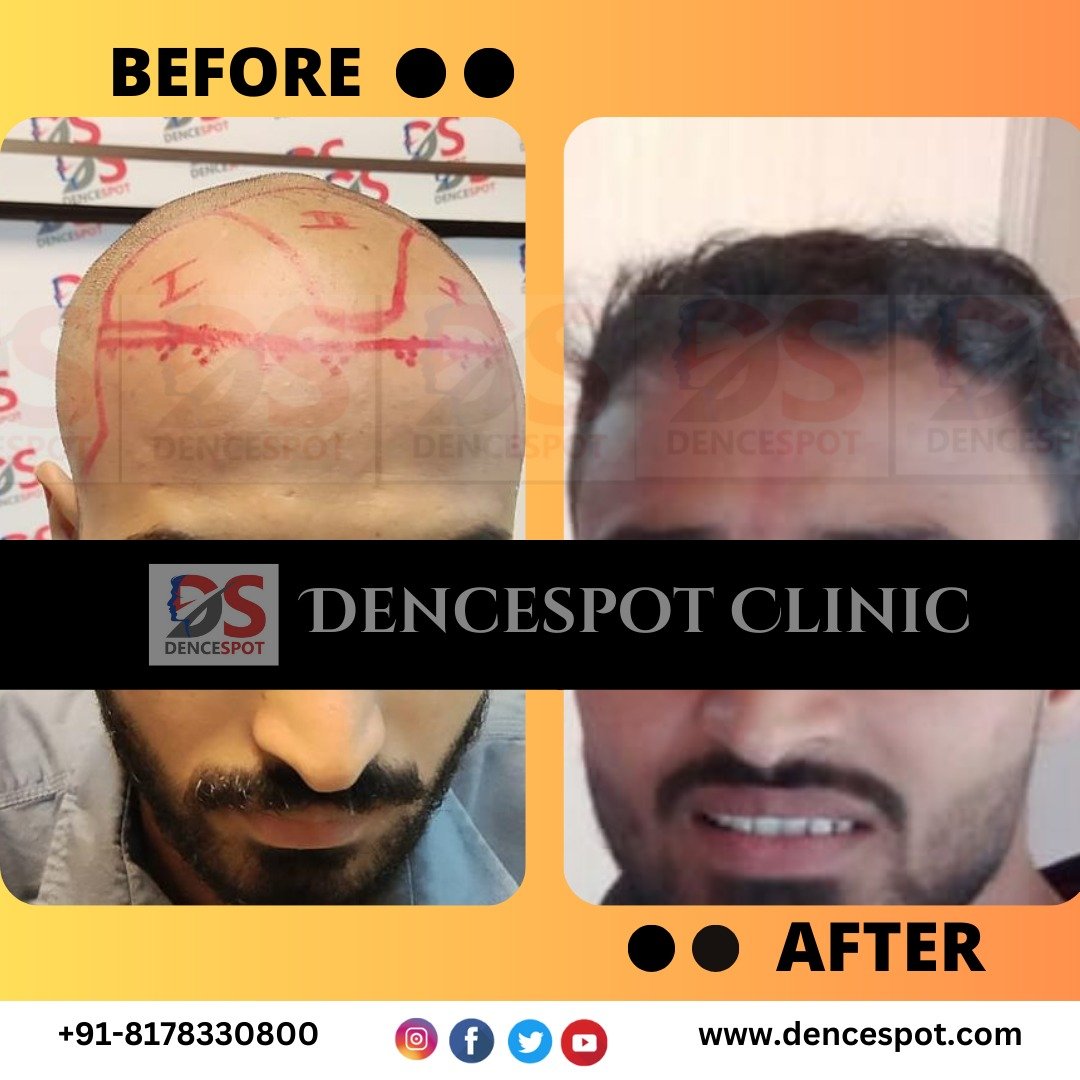
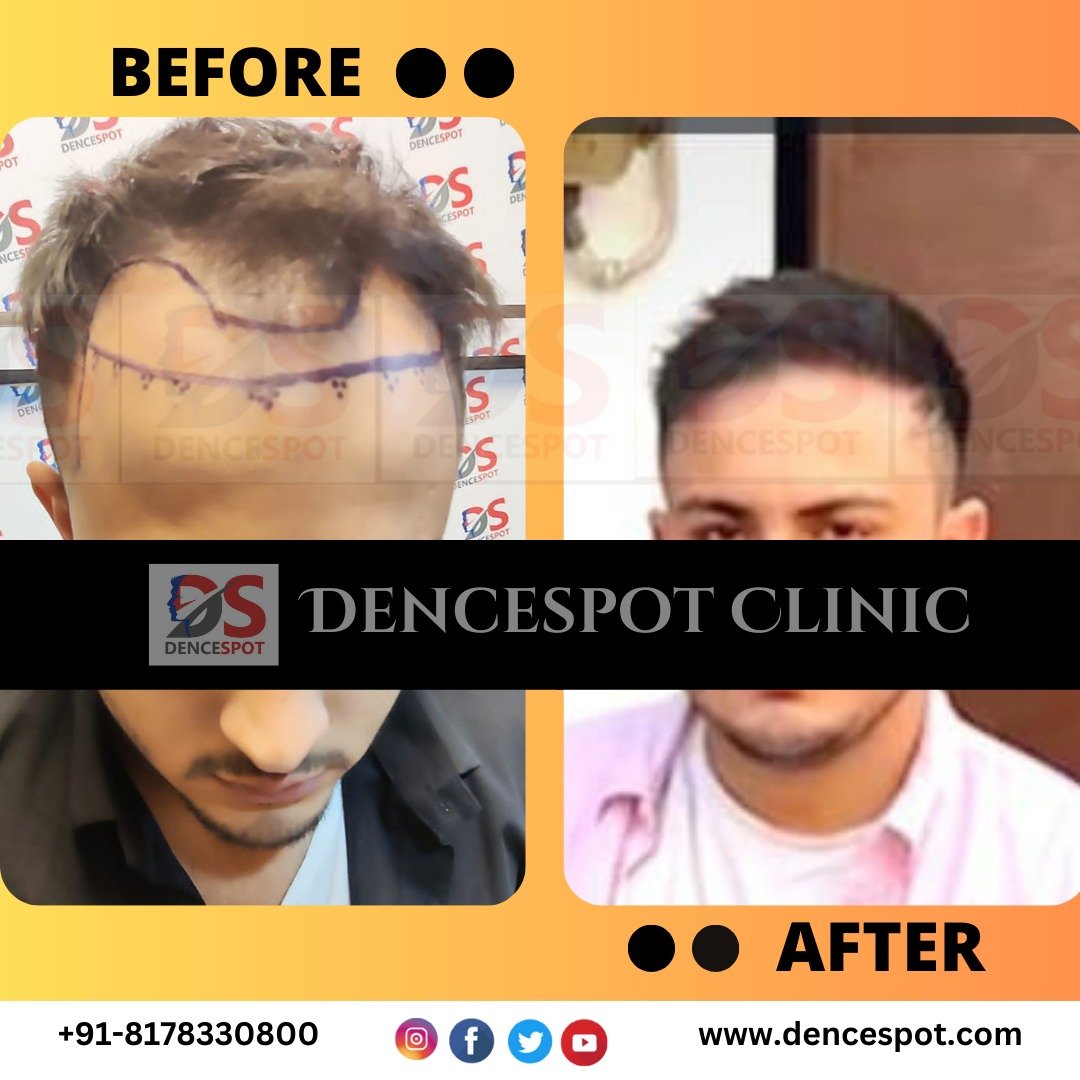
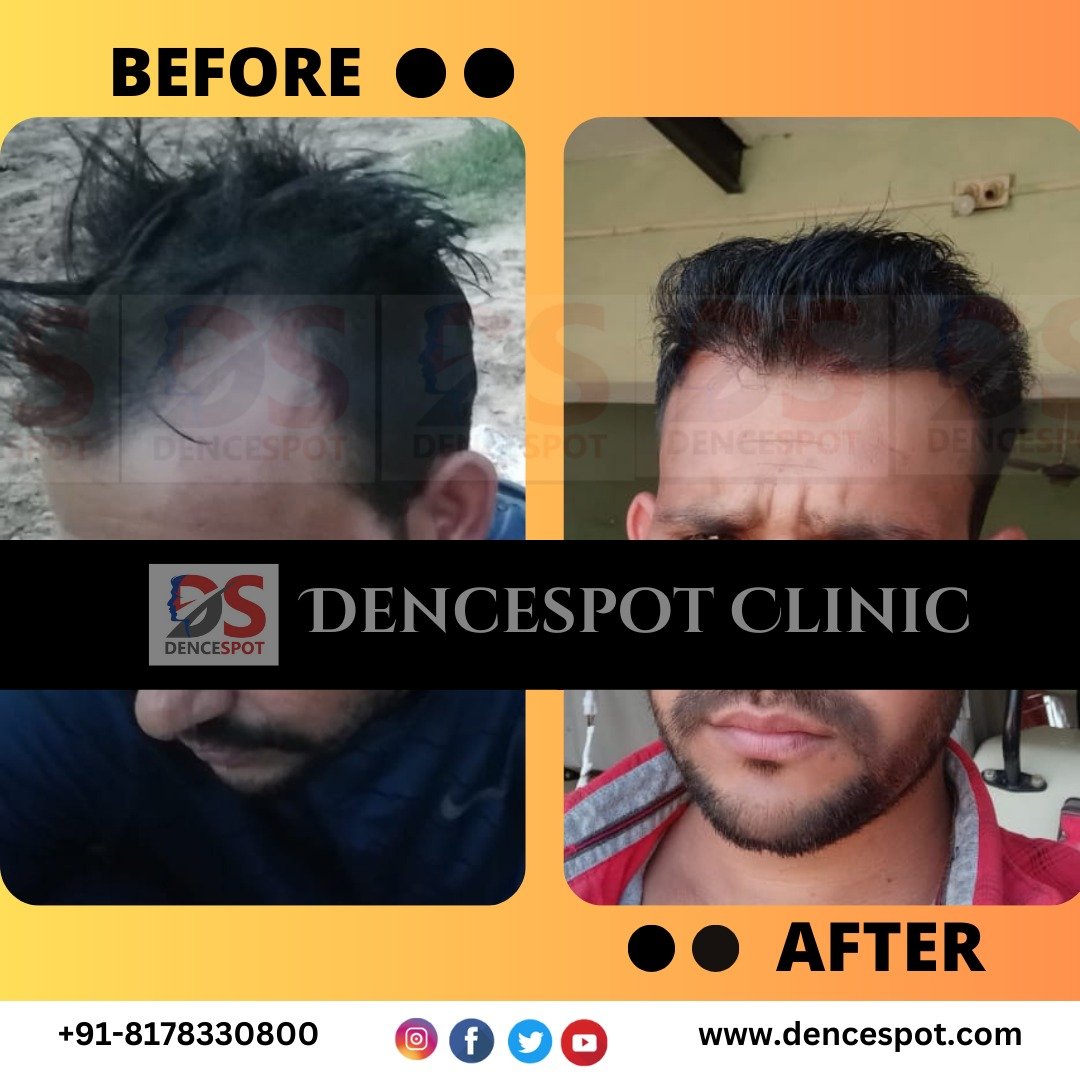
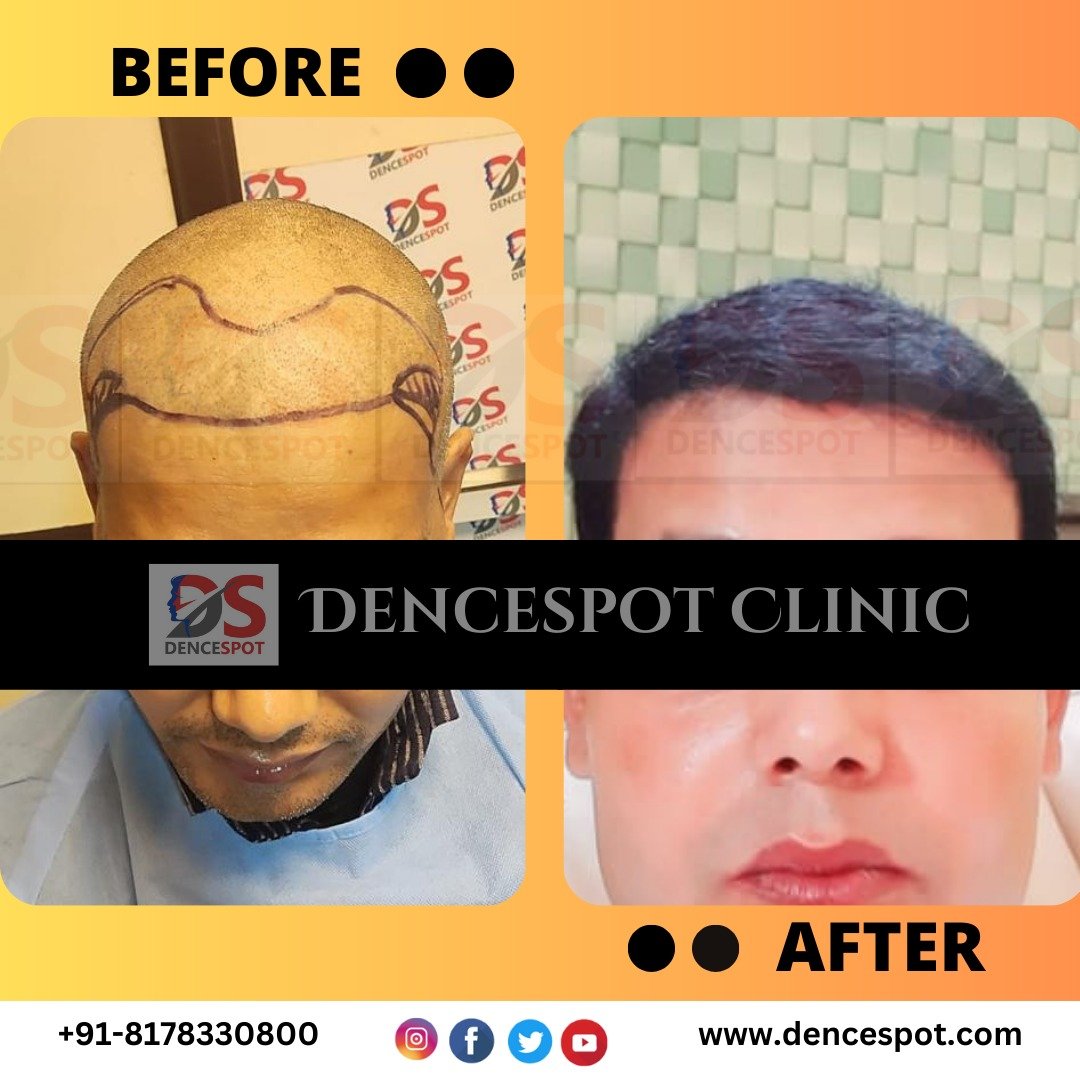
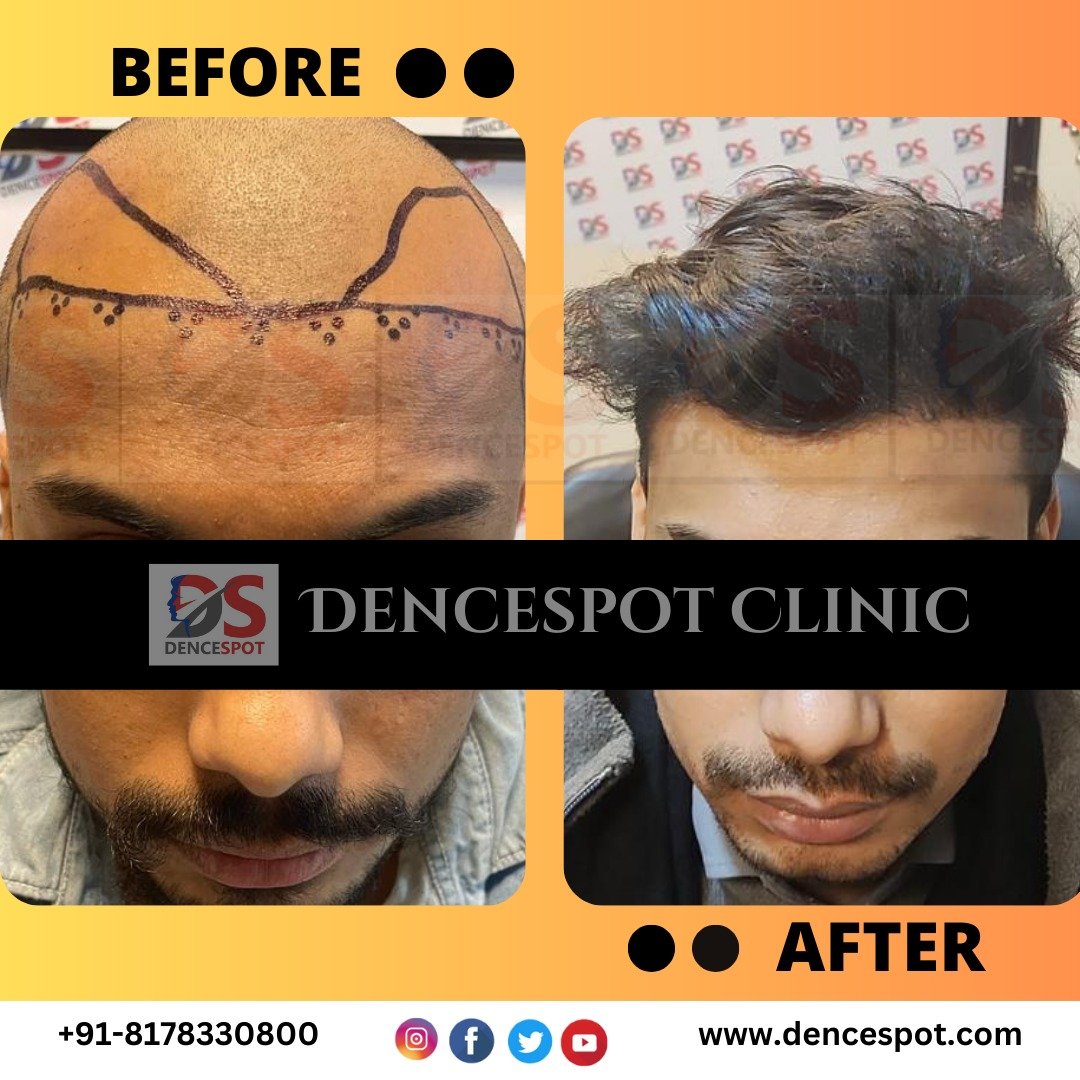
BEFORE — Hairline restoration before and after, same angle and lighting
AFTER — same patient at review

Hairline restoration

Technique, graft count and review interval — added with the consented photographs.

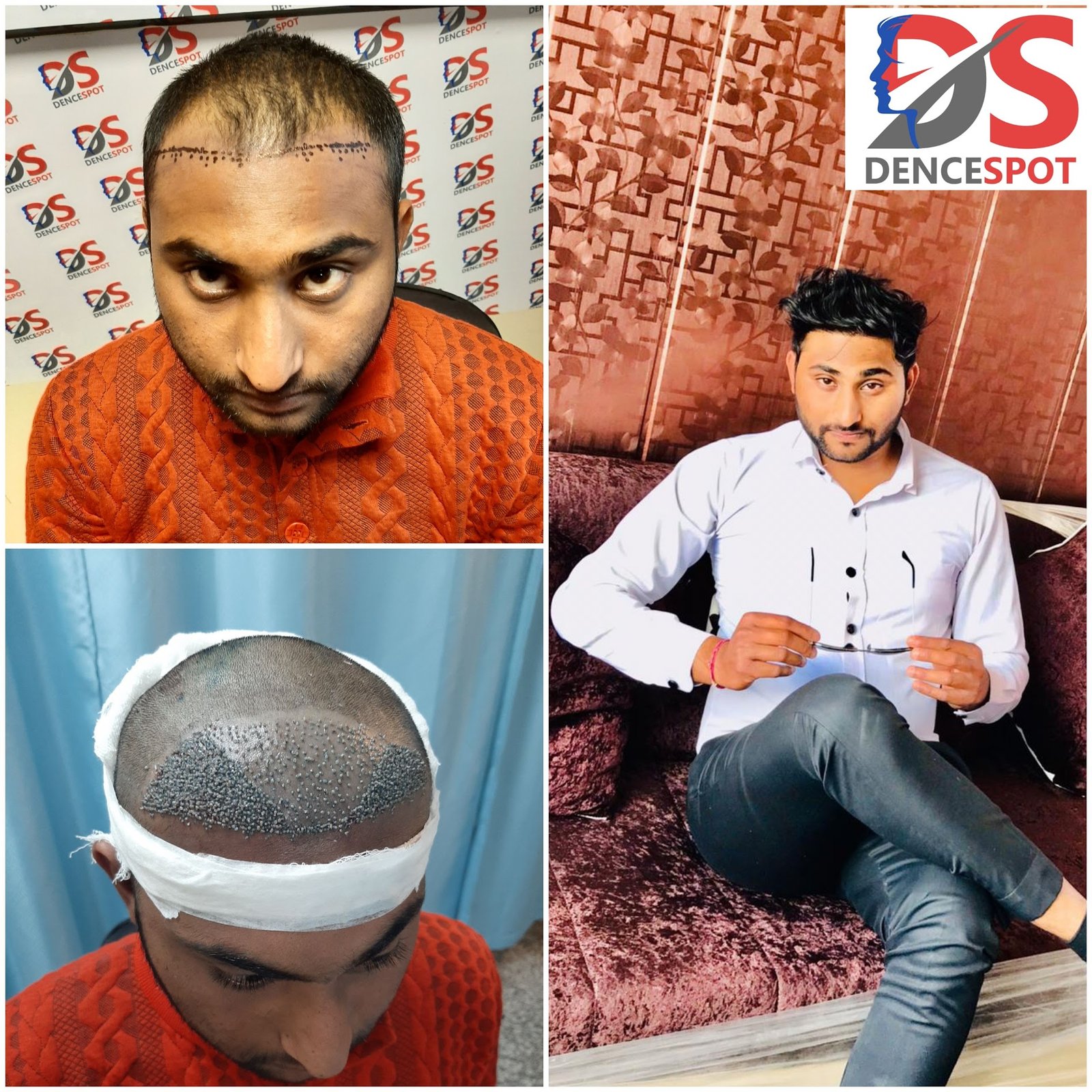
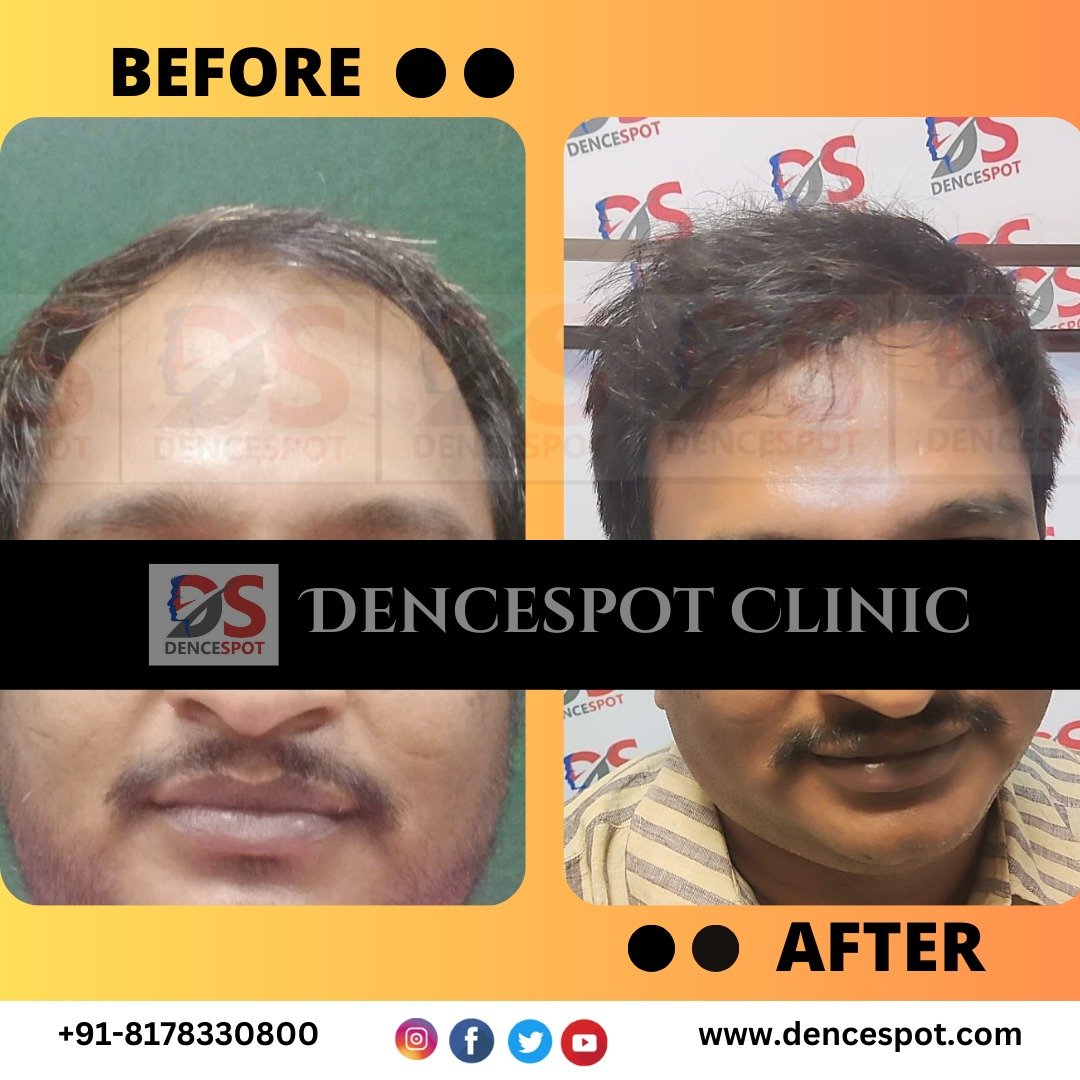
BEFORE — Crown restoration before and after pair
AFTER — same patient at review

Crown and vertex density

Technique, graft count and review interval — added with the consented photographs.

BEFORE — Patchy beard correction before and after pair
AFTER — same patient at review

Patchy cheek correction

Technique, graft count and review interval — added with the consented photographs.

BEFORE — Moustache and goatee connection before and after pair
AFTER — same patient at review

Moustache and goatee connection

Technique, graft count and review interval — added with the consented photographs.

BEFORE — PRP course before and after, crown density
AFTER — same patient at review

PRP course — crown density

Technique, graft count and review interval — added with the consented photographs.

BEFORE — Female pattern thinning before and after, parting width
AFTER — same patient at review

Widening parting

Technique, graft count and review interval — added with the consented photographs.

How to read any clinic's gallery

Six Checks Before You Believe a Result

Apply these to ours as readily as to anyone else's. Most published result photography fails at least two.

1

Same angle and distance

A camera moved a few inches closer, or tilted down, changes apparent density dramatically. If the head is at a different angle in the two shots, the pair proves nothing.

2

Same lighting

Harsh overhead light makes a scalp show through; diffuse front light hides it. This is the single easiest way to fake an improvement.

3

Same hair length and styling

Wet, flattened hair in the "before" and dry, styled hair in the "after" is a haircut, not a result.

4

A stated interval

"After" means nothing without a date. Hair restoration is judged at ten to twelve months; an image at four months is mid-growth and not a final result.

5

A stated graft count

Without it you cannot tell whether the coverage was efficient or whether the donor area was emptied to achieve it.

6

Reverse image search

Takes ten seconds and settles the question. A surprising number of clinic galleries return results from other clinics, other countries, or stock libraries.

How we photograph

Our Documentation Protocol

Progress is measured, not remembered. Every patient is photographed the same way at every visit, which is what makes a change readable at all.

Baseline at consultation

Before anything is prescribed or scheduled, so there is a fixed point to compare against.

Fixed setup

Same position, distance, lighting and camera settings at every visit. Standard views: frontal, top-down, both temples, crown, donor.

Set review points

Photographed at each scheduled review through the first twelve months, including the months when nothing appears to be happening.

Consent, separately

Clinical photography is part of your record. Publishing any image requires separate written consent, and that consent can be withdrawn.

Next step

See Cases Relevant to Your Own Pattern

At a consultation the doctor can show you consented cases with a similar pattern and donor supply to yours — which tells you far more than any public gallery can.

Suitability is determined after clinical assessment. This page is patient education and does not constitute medical advice.

Quick enquiry

Your details are used only to arrange your consultation.

Call WhatsApp