PRP for Hair: Side Effects, Pain and Who Should Avoid It
What is normal after PRP, what is not, how the discomfort is managed, and the conditions and medicines that make PRP unsuitable.
Written by the DenceSpot Clinic team
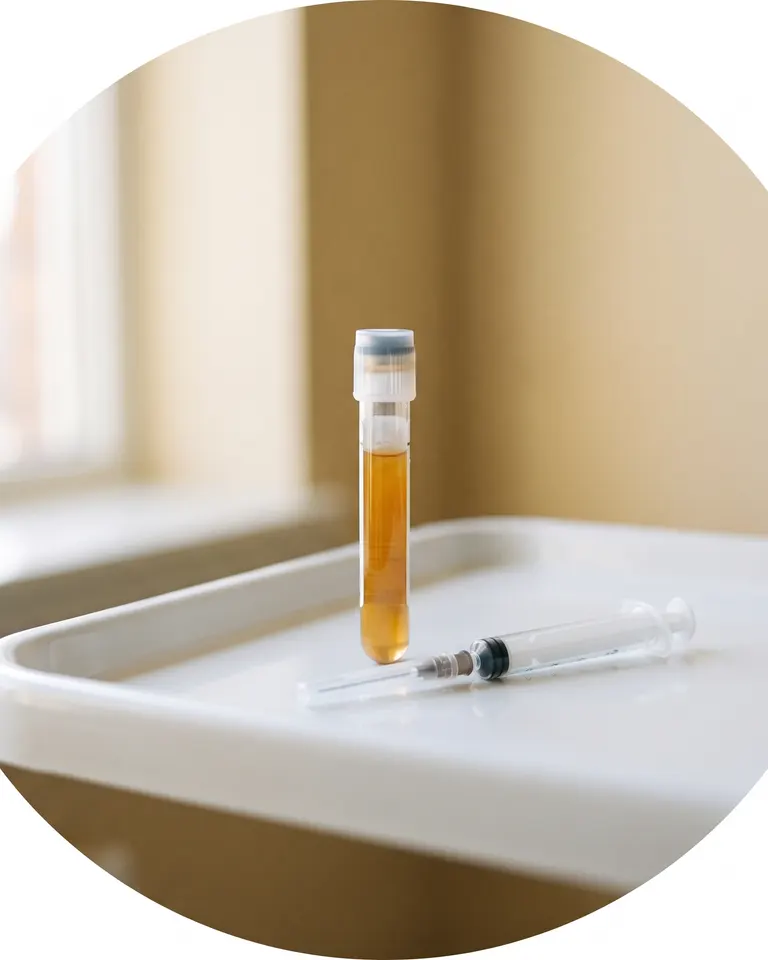
The usual side effects of PRP for hair are mild and short-lived: soreness and tenderness of the scalp, slight swelling, redness, pinpoint bleeding at the injection sites and, in some people, a headache, mostly settling within a day or two. Because the plasma comes from your own blood, a reaction to the material itself is not expected, and serious problems are rare. Most of the real risk lies in who should not have PRP at all, which is why screening comes first.
This article sets out what is normal after a session, what is not, how the discomfort is managed, and the conditions and medicines that make PRP unsuitable or mean it should wait.
What is normal after PRP
Reviews of the published trials describe the same small group of effects again and again. A 2022 review in Drug Design, Development and Therapy lists temporary pain during treatment, mild headache, slight itching and short-lived redness and swelling over the treated area, and found no documented major complications in the studies it covered. Cleveland Clinic's guide to PRP injections describes some swelling and pain at first, lasting a day or two.
| Reaction | What it is like | How long it usually lasts |
|---|---|---|
| Soreness and tenderness | The scalp feels bruised when touched or brushed, often more along the front hairline | A day or so, sometimes two |
| Mild swelling | Puffiness of the scalp, occasionally drifting to the forehead by the next morning | A day or two |
| Redness | Pink or red patches over the treated area, more visible on short hair | Hours to a day or so |
| Pinpoint bleeding | Small dots of blood at the injection sites, sometimes a little in the hair | Stops within minutes; the marks fade quickly |
| Headache or tightness | A dull ache or a tight feeling across the scalp | Usually the same day |
| Bruise on the arm | Where the blood was drawn, as after any blood test | A few days |
Some people also feel light-headed during the blood draw, as they might at any blood test. None of these needs treatment beyond leaving the scalp alone and following the aftercare sheet.
Rare problems, and what to report
Serious complications after PRP for hair are uncommon. A 2022 evidence summary in American Family Physician found little risk of serious adverse events in the pooled trials, with the caveat that not every trial reported side effects carefully and most followed patients for months rather than years. The problems that have been described, mostly in individual case reports, include:
- Infection at an injection site: uncommon when the blood is handled sterilely, but possible with anything that breaks the skin.
- Firm lumps or nodules in the scalp, reported occasionally as an inflammatory reaction around injection sites.
- A temporary increase in shedding after a session, reported now and then.
- A shingles rash over the scalp and forehead, described in a published case report soon after scalp injections.
- Larger bruises or prolonged bleeding, more likely with a low platelet count or a blood-thinning medicine.
Contact the clinic promptly if, after a session:
- redness, heat or swelling spreads, or is getting worse rather than better after the first two days;
- pain increases instead of easing;
- you notice pus, a weeping area or a hard lump that does not go away;
- you develop a fever or feel generally unwell;
- a rash or blisters appear on the scalp or forehead.
Seek medical help the same day for swelling around the eyes with fever, a severe headache unlike your usual ones, or any change in your vision.
How much PRP hurts, and how the pain is managed
The blood draw feels like any routine blood test. The scalp injections are the uncomfortable part: each one stings briefly, and because many small injections are spread across the thinning area, the sensation builds over the ten to fifteen minutes they usually take. Most people describe it as uncomfortable rather than painful, but tolerance varies a great deal, and the front of the scalp tends to be more sensitive than the crown.
Ways of reducing the discomfort commonly include:
- a numbing cream applied beforehand;
- cooling the skin before and during the injections;
- for a larger area, a local anaesthetic injection that numbs a whole region of the scalp, often called a nerve block or ring block;
- fine needles and a steady pace, with a pause whenever you need one.
Tell the person treating you if it is more than you expected, because the pace can change. Afterwards, the scalp is usually tender for a day or so. Many anti-inflammatory painkillers act on platelets, and a 2024 review of the research on these medicines and PRP found that no agreed guidance yet exists on how long to avoid them. So ask the clinic which painkiller to use, rather than taking whatever is in the cupboard. Never stop a prescribed aspirin or blood thinner on your own to have PRP.
Who should avoid PRP, or wait
PRP depends on healthy platelets and on needles passing through the scalp, and the reasons to avoid or postpone it follow from those two facts. The 2022 Drug Design, Development and Therapy review separates reasons not to do PRP at all from reasons to wait or to weigh it more carefully. In general terms, PRP is usually not offered, or is postponed, with:
- A low platelet count, a platelet disorder or a bleeding disorder. The treatment relies on your platelets, and the risk of bleeding and bruising rises.
- Blood-thinning medicines, until they have been reviewed. People take them for good reasons, so any change involves the doctor who prescribed them.
- An active scalp infection or inflamed skin over the area to be injected, until it has been treated.
- Blood cancers and some other cancers, particularly while they are active or being treated.
- Pregnancy and breastfeeding, when PRP is usually deferred because there is little safety information.
- A recent illness or fever, significant anaemia, or a poorly controlled long-term illness, which are reasons to wait and treat the underlying problem first.
- A recent steroid injection into the scalp, or a course of steroid tablets, which the review lists among reasons to wait.
Smoking is listed among the factors to weigh as well, so mention it at the consultation. Separately, PRP is the wrong treatment, rather than an unsafe one, for scalp that has been smooth and bald for years, for scarring alopecia, and for shedding driven by low iron, thyroid disease or a recent illness. Those need a different plan, not a different preparation of PRP.
Your own case
Wondering whether PRP is suitable for you?
A consultation reviews your medicines, medical history and blood results where needed, examines the scalp, and tells you plainly whether PRP suits you, should wait, or is the wrong treatment for your hair loss.
Why screening and technique matter
Most of what keeps PRP low-risk happens before the first needle. A careful history picks up bleeding problems, blood thinners, recent illness and pregnancy. A full blood count, where it is indicated, gives a platelet count, which is directly relevant to a treatment made from your own platelets. Examining the scalp rules out infection and confirms there are follicles left to treat.
Technique matters too. The blood should be drawn and prepared sterilely, with single-use needles, and the scalp cleaned before the injections. Cleveland Clinic notes a remote chance of contamination if a facility fails to keep the blood sterile while it is being prepared. It is reasonable to ask any clinic who draws, prepares and injects the plasma, and how; the questions to ask before paying for PRP lists them. GFC and other preparations made from your blood carry the same needle-related effects, and how PRP, GFC and exosomes differ covers what changes between them.
When to see a doctor
Before any course, tell the doctor at the consultation, not on the day, if you bruise easily or have a bleeding problem, take blood thinners, aspirin or regular painkillers, are pregnant or breastfeeding, or are being treated for cancer. After a session, report any of the warning signs listed above rather than waiting to see whether they settle. What to do after a PRP session covers washing, exercise and the first few days in detail.
See a doctor about the hair loss itself if it is sudden or heavy, comes in round patches, or comes with scaling, redness, pain or itching, or with symptoms such as tiredness, weight change or irregular periods. Those point to causes that PRP does not treat.
Getting it assessed
Consultations are available at our clinics in Sector 39, Gurugram and Rohini, Delhi, and are carried out by registered medical practitioners. The assessment covers your medical history and medicines, an examination of the scalp, and blood tests where your history points to them, before any session is booked. PRP hair treatment in Gurgaon and PRP hair treatment in Rohini explain how a course runs at each clinic, and how many PRP sessions hair usually needs explains how one is planned and reviewed. Whether PRP is worth doing at all is a separate question, covered in what the evidence on PRP for hair loss shows.
PRP side effects: more questions
Is PRP for hair safe?
In the published trials, side effects were mostly mild and short-lived, and serious problems were rare. Because the plasma comes from your own blood, a reaction to the material itself is not expected. The main safeguards are screening beforehand, for bleeding problems, medicines and infection, and sterile handling of the blood.
How long does the pain last after PRP?
The stinging stops when the injections stop. The scalp is then usually tender for a day or so, sometimes two, and feels bruised when touched or brushed. Pain that increases after the first two days, rather than easing, should be reported to the clinic.
Can PRP make my hair fall out more?
A temporary increase in shedding after a session has occasionally been reported. If you notice more hair coming out, tell the clinic and mention it at the review, where it is judged against your baseline photographs. Shedding that continues should prompt a fresh look at the diagnosis.
Can I take a painkiller before or after PRP?
Ask the clinic which painkiller to use. Many anti-inflammatory painkillers act on platelets, so clinics often ask patients to avoid them around a session. Never stop a prescribed aspirin or blood thinner on your own; that decision belongs to the doctor who prescribed it.
Why is my forehead swollen the morning after PRP?
Fluid from the injections can drift down with gravity overnight, so mild puffiness of the forehead the next morning is occasionally seen. It usually settles within a day or two. Swelling that spreads, becomes red and hot, or comes with a fever should be reported promptly.
Can I have PRP if I have diabetes or a thyroid problem?
A well-controlled long-term condition does not usually rule PRP out, but poorly controlled illness is a reason to wait and treat it first. A thyroid problem can itself cause hair fall, which may settle once it is treated. Bring your recent reports and medicine list to the consultation.
Can I have PRP while pregnant or breastfeeding?
It is usually postponed until after pregnancy and breastfeeding, because there is little safety information for this period. Heavy shedding a few months after childbirth is also common and often settles by itself, so it is worth having the hair loss assessed before any treatment is planned.
Is it normal to feel faint during PRP?
Some people feel light-headed during any blood draw, and the scalp injections can add to that. Eat and drink as usual beforehand, and tell the staff if you have fainted at blood tests before, so you can lie down. Feeling faint usually passes quickly once you are lying flat.
Medical disclaimer. Information on this website is general patient education. It is not medical advice and does not create a doctor-patient relationship. Suitability, graft numbers and treatment plans are decided only after an in-person examination by a registered medical practitioner. Outcomes differ from person to person, and no particular outcome, density or timeline can be promised.
Related treatment
Considering prp & non-surgical treatment?
This article is patient education. What applies to your own case is decided after an examination — the treatment page sets out how that works, what it costs and what to expect.