PRP & non-surgical
How Many PRP Sessions Does Hair Need, and How Far Apart?
The usual starting course, the gap between sessions, when to judge whether PRP is working, and what maintenance means in practice.
Face PRP uses platelet-rich plasma prepared from your own blood, with the aim of improving skin texture, fine lines and dullness. The evidence for it is limited, and any change is modest and gradual. At our Rohini clinic in North-West Delhi, a doctor first checks whether it suits what you want changed, and says so if something else would serve you better.
Rohini Clinic
North-West Delhi
Request a call back
Leave your number and the clinic will call you during opening hours (Mon–Sat · 10:00 – 20:00) to arrange a consultation. Prefer to message? WhatsApp the clinic.
Your own blood
Modest claims
Measured fairly
Registered doctors
How it works
Platelets carry growth factors involved in tissue repair. Face PRP concentrates them from your blood and delivers them into the skin of the face.
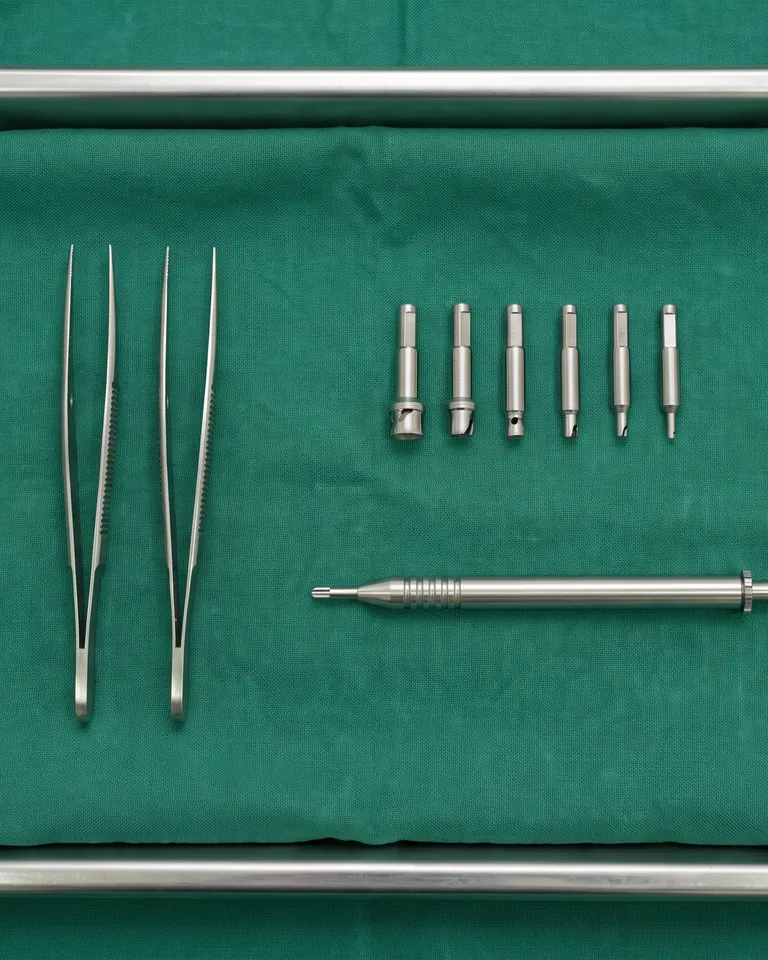
Step 01
Drawn from the arm in the same way as a routine blood test.
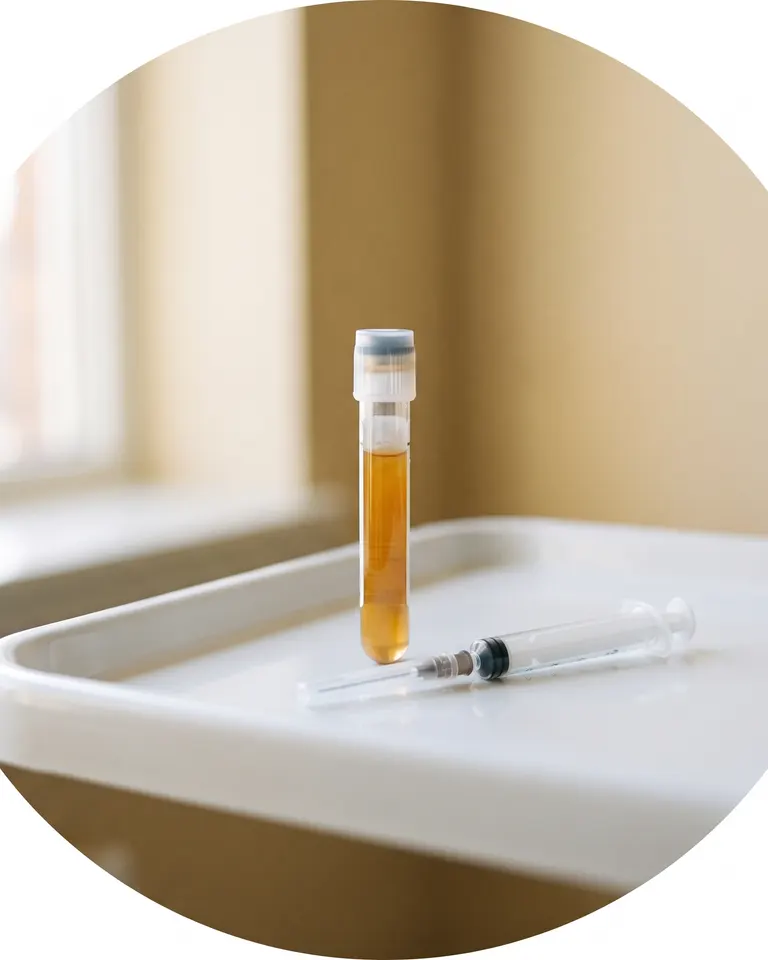
Step 02
A centrifuge separates the blood so the platelet-rich layer of plasma can be drawn off.
Step 03
Injected into the skin across the areas being treated, or applied straight after microneedling so it enters through the tiny channels made.
The evidence
Face PRP is widely offered, but the published evidence behind it is thin. Most trials include few people, so the size of any benefit is uncertain; studies prepare and deliver the plasma in different ways, which makes their results hard to compare; and results are judged mainly from photographs or from how patients rate their own skin.
Hair PRP uses plasma prepared the same way, but the purpose, the injection technique and what can be expected are different: see hair PRP and GFC in Rohini. Our article on whether PRP works for hair loss shows how that evidence is weighed.
What that means for you:
Suitability
The question at the assessment is whether PRP addresses what actually bothers you about your skin.
Where it fits with other skin care
Daily sunscreen and a simple routine do more for skin over the years than any course of injections; PRP sits alongside them, not in their place. Fillers add volume and PRP does not, so they answer different problems. If acne, marks or melasma are the main concern, those are treated first: see skin treatment in Rohini.
Concern by concern
PRP answers some skin concerns and not others. The table sets out, for the concerns people most often bring, whether face PRP plays a part and what usually addresses the concern instead or alongside it.
These are general notes, not a plan; what suits your skin is decided at the consultation. Acne, marks, pigmentation and melasma are covered in more depth on skin treatment at the Rohini clinic.
At the Rohini clinic
Every step happens at the same clinic in North-West Delhi, and change is judged against your own photographs rather than anyone else’s.

Step 01
Your skin examined, your medicines and history reviewed, and a straight answer on whether PRP fits your concern.
Step 02
Taken in a fixed position and light before anything starts, so change is judged against a record, not memory. Lighting, makeup, angle and expression can change how skin looks without any treatment, which is why there are no before-and-after photos here.
Step 03
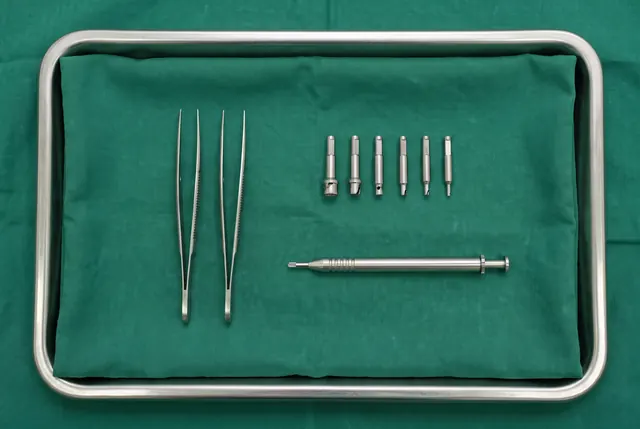
A numbing preparation, then the blood draw, preparation and treatment. Sessions are spaced some weeks apart.
Step 04
New photographs under the same conditions. Maintenance is discussed only if there is a change worth keeping, and the course can stop if there is none.
Side effects and aftercare
The first day or two is the least flattering part, so book a session a few days before any important event, not the evening before. Redness for a day or two, mild swelling, pinpoint bruises where the needle went in and tenderness that settles quickly are common and expected.
Uncommon: infection, as with any injection. Because the plasma comes from you, a reaction to the material itself is not expected; the side effects come from the injections. Bruising can be more noticeable in people taking medicines that affect clotting, which is why every medicine is reviewed first.
Call rather than wait: spreading redness, increasing pain, warmth or a fever after a session should be reported to the Rohini clinic on +91 95406 99152 the same day.
For a short time afterwards, avoid:
Recovering in Delhi
General practicalities for the days after a session. Your aftercare advice comes first wherever it differs.
Direct sun is avoided for a short time after a session, and strong sun darkens marks and melasma in any case. Daily sunscreen, reapplied outdoors, belongs in every skin plan.
Winter smog and roadside dust settle on the skin. When your aftercare allows, cleanse gently at the end of the day and leave scrubs alone.
Sweat trapped under a helmet, mask or tight collar can aggravate acne on the forehead, jaw and chin. Keep helmet padding clean, and avoid pressing on tender skin.
Sessions are spaced some weeks apart, and the day or two after each is the least flattering. Count back from the event so the last session lands a few days before it.
Before you pay
They apply wherever you have face PRP, including here. Clear answers tell you more than any photograph of someone else’s skin.
Cost guidance
Face PRP is priced per session. No price is published here: the course is planned at the assessment and quoted in writing before you agree to anything.
A prepaid package bought before an assessment is worth avoiding, because a course should be possible to stop if the photographs show no change. If acne, marks, pigmentation or melasma are the main concern, those are usually treated first with creams and daily sunscreen; see skin treatment in Rohini for how that is planned.
Instalment options through third-party lenders may be available; ask at the consultation, and see cost and EMI options.
Sessions in the course
Areas treated
Maintenance
Other skin care
Who you will see
Treatment at the Rohini clinic is carried out by registered medical practitioners. Every doctor at DenceSpot is listed below with their qualifications.
Dr. Nyra
MBBS, MD (Dermatology)
Further reading
Plain-language articles on hair loss and its treatment. Each article shows its own author and review details.
The usual starting course, the gap between sessions, when to judge whether PRP is working, and what maintenance means in practice.
What is normal after PRP, what is not, how the discomfort is managed, and the conditions and medicines that make PRP unsuitable.
When to wash your hair, when to exercise, what to avoid on the scalp, and which reactions to report after a PRP session.
Visit the clinic
Face PRP assessments, sessions and review visits take place at our clinic in Rohini, North-West Delhi, near the Outer Ring Road.
Our clinic
Rohini, Delhi
Every treatment below is carried out at the Rohini clinic, and each starts with an examination and a written plan. See the Rohini clinic page for directions and hours.
Cost guides for the Rohini clinic: Hair transplant cost in Rohini · PRP treatment cost in Rohini · Beard transplant cost in Rohini.
Rohini, Delhi
Tell the doctor what bothers you about your skin. If PRP is unlikely to help with it, you will hear that at the assessment, along with what might help instead.