Skip to content

DenceSpot Clinic, Rohini, Delhi

Mon–Sat · 10:00 – 20:00 +91 95406 99152

Rohini Clinic · North-West Delhi

Hair LED Therapy in Rohini, Delhi

LED therapy, also called low-level light therapy, shines light on the scalp to support follicles that are thinning but still present. Trials report a small effect at most, many of them small or short, and only after months of consistent use; some people see no change. At our Rohini clinic in North-West Delhi, the cause of your hair loss is diagnosed before light therapy is even discussed.
  • Diagnosis before any session or device
  • For thinning hair, not a bald scalp
  • A realistic timeline set out at the start
  • Reviews at the Rohini clinic
AI-generated illustration: a desk calendar with several days circled in green, beside a small potted succulent and a pen on a wooden desk

Rohini Clinic

North-West Delhi

+91 95406 99152

Mon–Sat · 10:00 – 20:00
Sunday · closed

Request a call back

Talk to the clinic about PRP or GFC for your hair

Leave your number and the clinic will call you during opening hours (Mon–Sat · 10:00 – 20:00) to arrange a consultation. Prefer to message? WhatsApp the clinic.

Diagnosis first

Before money goes on sessions or a device.

Months, not weeks

The timeline is explained at the start.

A small effect

Said plainly, before you decide.

Registered doctors

Assessment by registered medical practitioners.

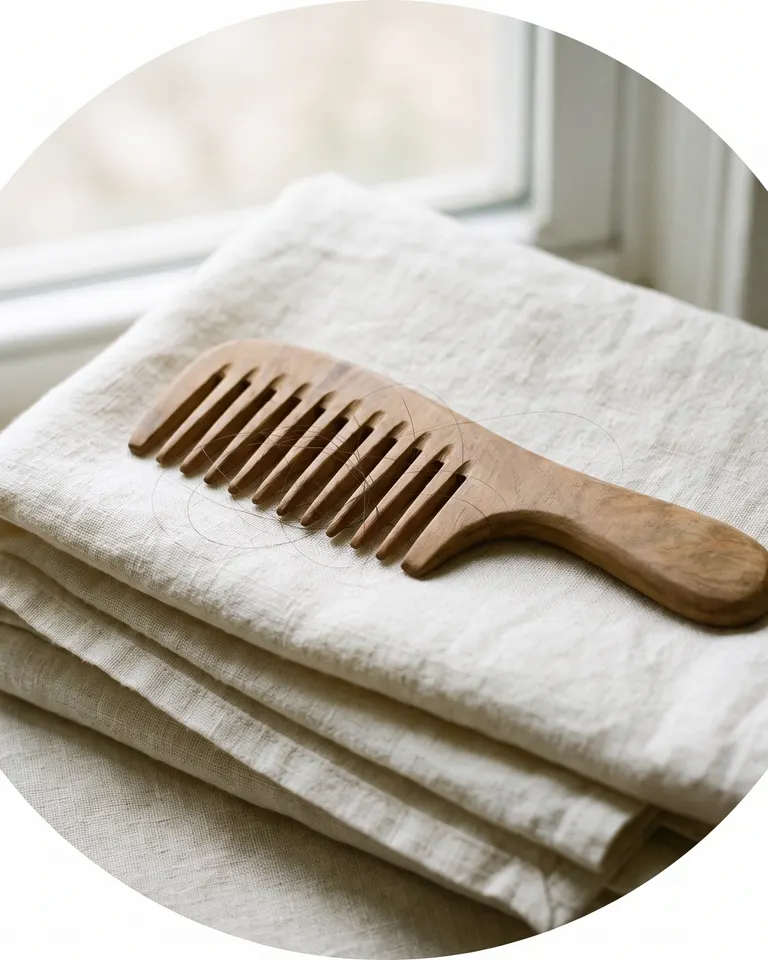
AI-generated illustration: a wooden comb with a few shed hairs resting on folded linen towels by a window

How it works

What Low-Level Light Therapy Is

Light of particular wavelengths is directed at the scalp, under a panel in the clinic or at home through a cap, helmet or comb. You may see it called LED therapy, red light therapy or low-level laser therapy; the aim is to support follicles that are still working.

It does not break the skin and is generally easy to tolerate. Devices differ widely in specification, coverage and price, so a general claim about “LED therapy” says less than it seems to.

  • At most: less shedding and slightly stronger strands in hair that is still growing
  • It does not regrow a bald crown or cure pattern hair loss
  • It does not stand in for surgery where the loss is established

The evidence

Limited Evidence, and a Small Effect

There is real trial evidence here, which is more than some scalp treatments can say. It is also thinner than device advertising suggests.

Some controlled trials

Several report a small improvement in thinning hair with regular use over months.

Small and short

Many of those trials were small or brief, and the devices tested varied widely, so results do not transfer neatly from one device to another.

Not everyone responds

Some people see no change at all, even with faithful use. Nobody can tell beforehand who will.

The long wait

Months of Consistent Use Decide It

The schedule depends on the device or the session plan. Using it now and then is, in effect, not using it.

First two months

Nothing to see

Expected. No hair treatment shows visible change this early.

Months two to three

Use starts to slip

The mirror looks the same, so sessions get missed. This is where most attempts fail.

Month four onwards

A fair test begins

Around when any response could first be measured against your baseline photographs.

A question worth answering honestly

Will you keep it up for many months? If the answer is probably not, that is useful to know. It points to a treatment with a lighter routine, and saying so at the assessment is better than buying something that will sit unused. Any benefit also lasts only while you keep going, and generally fades after stopping.

Suitability

Who It May Suit, and When It Will Not Help

Light therapy works only on follicles that are still alive. The examination decides whether yours are.

May be considered for

  • Thinning hair with follicles still present
  • An addition to medical treatment
  • People who cannot take, or would rather avoid, medication
  • Native hair around an earlier transplant

Not appropriate for

  • Established baldness, where follicles have gone
  • An infected or inflamed scalp
  • Alopecia areata and other autoimmune scalp conditions
  • Hair loss whose cause is not yet known

Checked before starting

Sensitivity to light, any medicine that causes it, and any history of skin cancer on the scalp. Shedding from low iron, thyroid disease or a hormonal problem needs that condition treated; light does not correct it. Our article on telogen effluvium versus pattern hair loss explains why the diagnosis matters, and a hair fall assessment in Rohini is where it is made.

At the Rohini clinic

How Light Therapy Is Approached

The diagnosis comes before any talk of sessions or devices, and the review runs over months, not weeks.

  1. AI-generated illustration: a dermatoscope and notepad on a wooden desk beside a potted fern

    Step 01

    Assessment

    The cause and stage of your hair loss, reversible causes looked for, and the scalp examined under magnification.
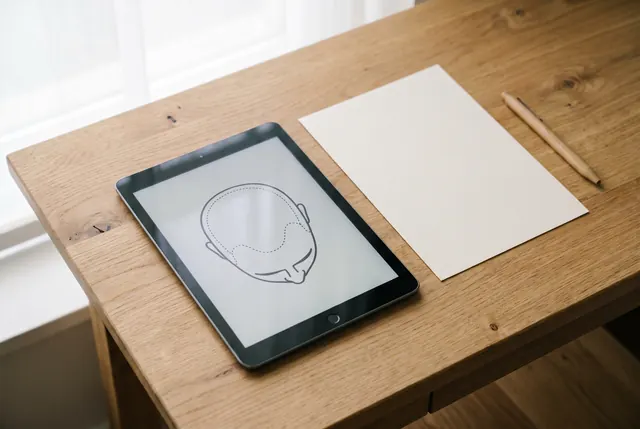
  2. AI-generated illustration: a tablet showing a head diagram, with a sheet of paper and a pencil on a wooden desk

    Step 02

    An honest plan

    Whether light therapy suits your stage of loss, what it can realistically do, clinic or home use, and baseline photographs before starting.
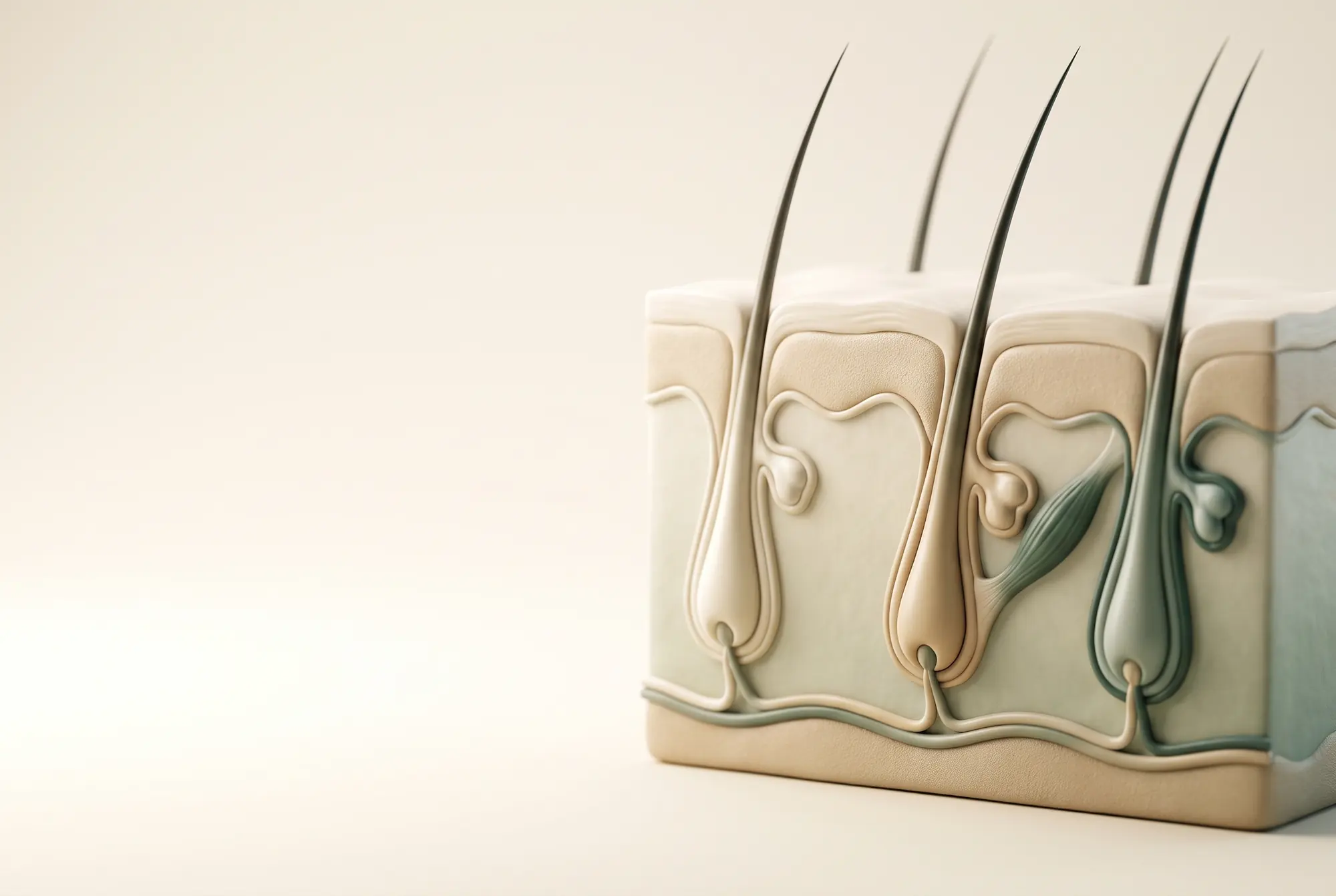
  3. AI-generated illustration: a sculpted cross-section of skin with several hair follicles and their roots

    Step 03

    Months of use, then review

    Regular use alongside your main treatment, reviewed over months against the baseline, with adherence discussed frankly.

Clinic or home

LED Hair Therapy: In-Clinic Sessions vs a Home Device

Both need the same thing from you: regular use over many months. The difference is where it happens, how practical it is to keep up, and what it costs.

LED hair therapy in clinic compared with a home device: how it is given, what it needs from you, practicality, safety, reviews and cost
 Sessions at the Rohini clinicA device at home
How it is givenLight under a panel at the clinicA cap, helmet or comb used at home
What it needs from youRegular visits, kept up for many monthsRegular use, kept up for many months; using it now and then is, in effect, not using it
PracticalityRealistic mainly if you live or work nearby in North or North-West DelhiA device that is awkward to use will not be used, so ease of use matters
ChoosingNo device to choose or buyDevices vary enormously in specification, coverage and price; this page names none. Buy one only after a diagnosis
SafetyDoes not break the skin; side effects uncommon and usually minor, such as warmth or mild irritationThe same, with headaches reported by some users of head-worn devices; some devices need eye protection, so follow the instructions exactly
ReviewsProgress judged against baseline photographs at the Rohini clinicReviews still take place at the Rohini clinic, against the same baseline photographs
CostSessions over a long period rather than a fixed courseA device you buy, priced quite differently from sessions; the commitment is still long-term

Ask before you buy

  • Does light therapy suit my stage of hair loss?
  • What should I expect, and by when?
  • How often would I need to use it?
  • What else belongs in the plan alongside it?

Side effects and eyes

Uncommon and usually minor: scalp warmth, mild irritation, and headaches in some users of head-worn devices. Some devices need eye protection, so follow the instructions exactly rather than adapting them. Directions to the Rohini clinic are on the clinic page.

Living in Delhi

Keeping Up Light Therapy Through the Delhi Year

Months of regular use decide whether light therapy gets a fair test, and Delhi’s seasons are where routines slip. General points; your own plan comes from the examination.

  • Summer heat and sweat

    Sweat and oil build up on the scalp in the hot months and can aggravate dandruff. Follow the session or device instructions on how the scalp should be before use.

  • Monsoon and festivals

    Rain, travel and the festival and wedding season are when sessions get missed. Plan around them so the months of regular use hold.

  • Winter smog and dust

    Smog and dust make the scalp dirtier and more irritable, but the evidence linking air pollution to hair loss in people is limited. Real thinning still needs its cause found.

  • Helmets and head-worn devices

    A helmet over a sweaty scalp can aggravate dandruff and folliculitis, so a clean liner and a dry scalp help. Keep a cap or helmet device clean as its instructions say.
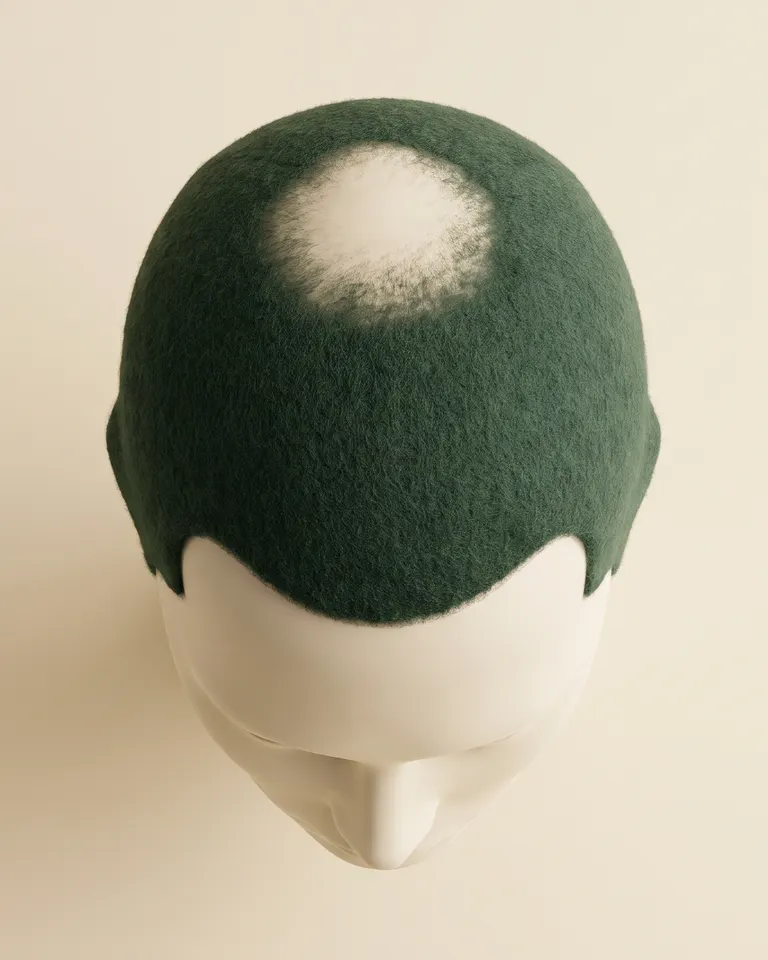
AI-generated illustration: a mannequin head seen from above with green felt hair and a bald patch at the crown

When light is not the answer

When Surgery Is the Honest Conversation

If the scalp is smooth and the follicles have gone, no light, lotion or injection brings them back. Where the loss is extensive, the useful discussion is a hair transplant in Rohini, if your donor area allows it.

Where follicles remain, other supportive options include PRP and GFC at the Rohini clinic and hair microneedling in Rohini, each with its own limits.

  • Established baldness: surgery is the realistic discussion
  • Earlier thinning: supportive treatments may be considered
  • After a transplant: light is sometimes used for the native hair, timed at your follow-up

How the Norwood scale describes stages of hair loss

Cost guidance

LED Therapy Cost Factors in Rohini

No price is published. Clinic sessions and a home device are priced quite differently, and the commitment is long-term rather than a fixed course. Your plan, including any treatment alongside light therapy, is quoted in writing after the assessment.

Before paying for months of sessions or a device, make sure the diagnosis is clear, because light works only on follicles that are still present. If PRP or GFC is suggested alongside it or instead, PRP hair treatment cost in Rohini explains how those courses are priced.

Instalment options through third-party lenders may be available; ask at the consultation, and see cost and EMI options.

Clinic or home

Sessions and a device are priced differently.

How long you keep it up

Benefit lasts only while use continues.

Treatment alongside

Medication is costed separately.

Reviews

Judged against your baseline photographs.

Who you will see

Doctors at DenceSpot Clinic

Treatment at the Rohini clinic is carried out by registered medical practitioners. Every doctor at DenceSpot is listed below with their qualifications.

Dr. Nyra

MBBS, MD (Dermatology)

FAQs

Hair LED Therapy in Rohini: Questions

General patient education. Whether light therapy belongs in your plan is decided at the assessment.

Ask the Rohini Clinic
Is LED therapy for hair available at the Rohini clinic?

Yes. The assessment, any in-clinic light sessions and the progress reviews take place at our Rohini clinic in North-West Delhi, carried out by registered medical practitioners. If a home device suits you better, your reviews still happen at Rohini.

Which parts of Delhi is the Rohini clinic convenient for?

The clinic is in North-West Delhi, near the Outer Ring Road, so it is closest for North and North-West Delhi, including Rohini, Pitampura, Shalimar Bagh and Prashant Vihar. The Directions link in the clinic card below opens it in Google Maps.

Does LED therapy for hair actually work?

Some controlled trials report a small improvement in thinning hair with regular use over months, but many were small or short, the devices tested differ widely, and not everyone responds. At most it may mean less shedding and slightly stronger strands in hair that is still growing. It does not cure or reverse hair loss.

How long before I notice any change?

Months rather than weeks, and some people never notice one. The most common way to waste money on light therapy is to stop after six or eight weeks because the mirror looks the same. Nothing visible was expected that early.

How often do I need to use it?

Regularly and consistently over many months. The exact schedule depends on the device or the session plan, and keeping to it is what decides whether light therapy gets a fair test: using it now and then is, in effect, not using it. Whether you can keep it up is discussed before any money is spent.

Should I have sessions in the clinic or buy a home device?

Both need regular use over many months. Sessions under a panel at the clinic suit people who live or work nearby; a home device suits people who will actually use it, and devices vary enormously in specification and price. Decide after a diagnosis, not before; the table on this page sets out the differences.

What should I bring, and will I need time off afterwards?

Bring a list of every medicine you take, including any that make the skin sensitive to light, any recent blood reports, and details of any light device you already own. The first appointment is an assessment. Light therapy does not break the skin, so there is no wound to recover from and no need for time off.

Will light therapy regrow hair on a bald patch?

No. It can only support follicles that are still there. Where they have gone, nothing shone on the surface brings them back, and the realistic conversation is about a hair transplant at the Rohini clinic.

Can I use it instead of medication?

It is usually added to medical treatment rather than used in its place. Some people who cannot take, or would rather avoid, medication choose it anyway. That is a reasonable choice when the smaller and less certain effect is understood beforehand.

Is it safe, and what are the side effects?

It does not break the skin and is generally well tolerated. Side effects are uncommon and usually minor: warmth, mild irritation, and headaches reported by some users of head-worn devices. Some devices need eye protection, so follow the instructions rather than improvising.

Who should not use it, and what if it does not suit me?

It is not appropriate over an infected or inflamed scalp, and it is not a treatment for alopecia areata or other autoimmune scalp conditions. Sensitivity to light, any medicine that causes it and any history of skin cancer on the scalp are checked first. If light therapy does not suit you, you are told why and what may help instead; see hair fall treatment in Rohini.

Can it be used after a hair transplant?

It is sometimes used to support the native hair around a transplant, which surgery itself does not address. The timing after a procedure is decided at your follow-up rather than assumed.

Do I have to keep using it?

Yes, if it is helping. Pattern hair loss carries on underneath, so any benefit is generally lost over the following months once use stops. Weigh that ongoing commitment before buying a device.

Is EMI available for light therapy?

Instalment options through third-party lenders may be available; ask at the consultation. Clinic sessions and a home device are priced quite differently, and the commitment is long-term, so ask what it adds up to over a year. See cost and EMI options.

Can I send photos on WhatsApp before booking?

Yes. Clear daylight photographs of the thinning areas help the Rohini clinic answer a first question, but whether light therapy suits your stage of hair loss is decided only after your scalp has been examined in person. The clinic is open Mon–Sat · 10:00 – 20:00 (Sunday · closed).

Further reading

Further Reading

Plain-language articles on hair loss and its treatment. Each article shows its own author and review details.

Visit the clinic

Visit Our Rohini Clinic

Hair loss assessments, light therapy sessions and reviews take place at our Rohini clinic in North-West Delhi, near the Outer Ring Road. The clinic card below has the phone number, hours and a map link.

Rohini, Delhi

Ask Before You Buy a Device

Book an assessment at the Rohini clinic. You will get a diagnosis, an honest view of what light therapy could and could not do at your stage of hair loss, and a plan that puts your money where it is most likely to count.
AI-generated illustration: sunlight and leaf shadows on an ivory wall with a potted plant

Book a consultation

Request a call back

Leave your details and the clinic will call you to confirm a consultation time.

We use your name, phone number, chosen treatment, preferred clinic and date, and message only to contact you about this enquiry, and record the date, time, page and your IP address with it. It reaches the clinic by email (Google) and WhatsApp (Meta), whose services may process it outside India, and is kept for 12 months. You can withdraw consent at any time.

For adults 18+. Not for emergencies — call 112. A request is not a confirmed appointment.

CallWhatsAppBook