
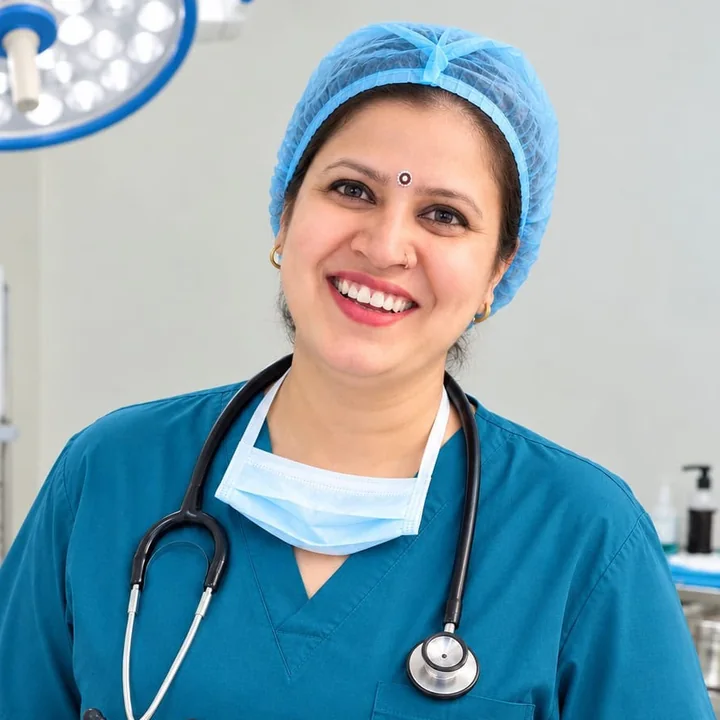
Dr. Nyra
MBBS, MD (Dermatology)
Owner & Chief Consultant
- Trained at Dr. D. Y. Patil Medical College
- 3 years of clinical work in Germany
- 8 years of experience
- Consults at Rohini, Delhi
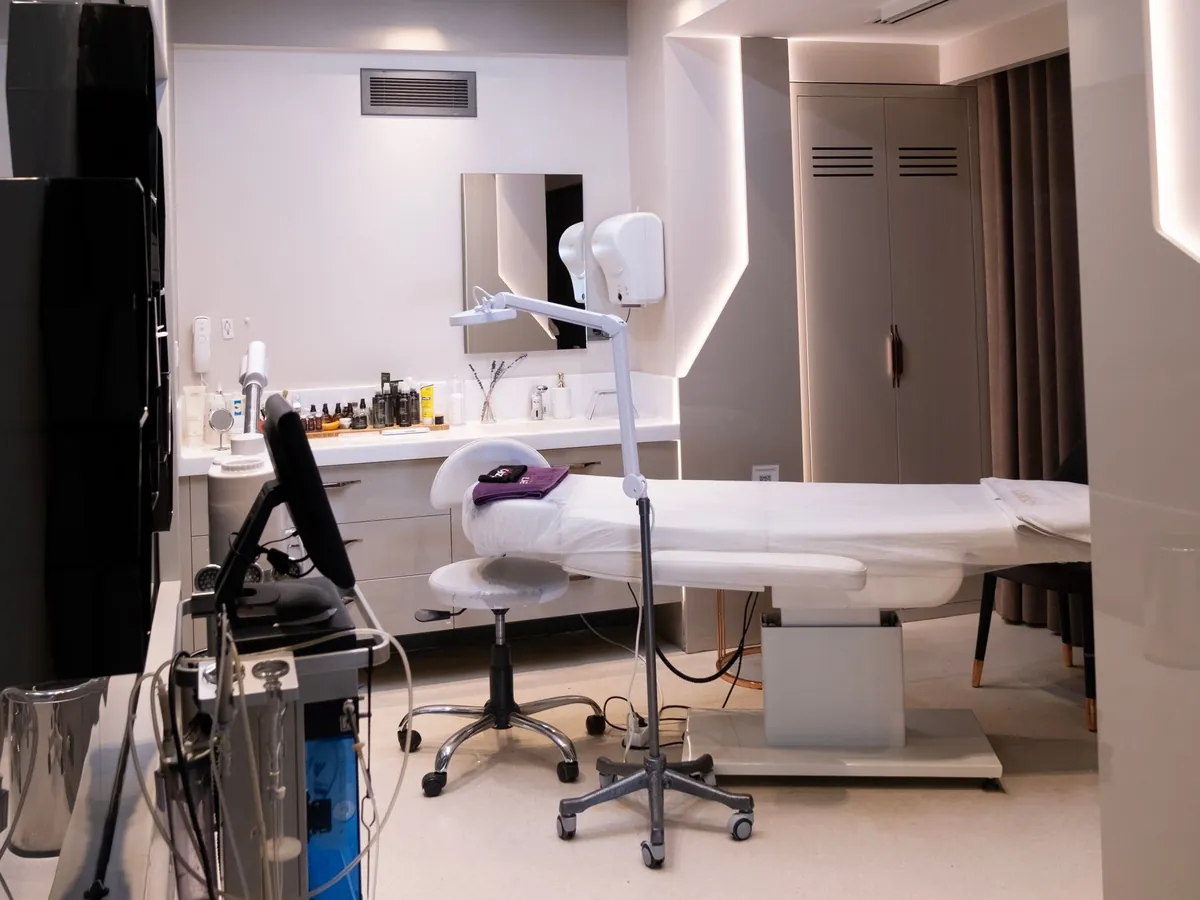
Representative image
Hair from your own donor area used to rebuild the front of the scalp, at our Rohini clinic — with the proposed line pencilled on your forehead and approved by you in a mirror before any graft is taken, and set for how your face will age.
Image: representative, not the Rohini clinic
About the treatment
The extraction in a hairline transplant is the same as in any other; what differs is that the result sits at the front of your face, seen head-on in daylight. So the work starts with the drawing. The line is set where a mature adult hairline would sit on your face, using reference points such as where the forehead turns from upright to flat, then given small irregularities so it does not look ruled.
Grafts can be added in a later session, but a line placed too low cannot simply be raised: the only fix is removing hairs one by one. In Delhi, registered medical practitioners at DenceSpot’s Rohini clinic handle every stage of a hairline transplant, from the drawing to the final review.
Follicular units by zone; a general guide.
| Zone | How it is built |
|---|---|
| Ahead of the line | A few isolated single hairs |
| The front edge | Single-hair grafts only |
| Just behind the edge | Two-hair grafts |
| Further back | Larger units for density |
| Temples | Fine hair at sharp angles |
Why DenceSpot
How a hairline case is planned at the Rohini clinic, from the first drawing to the twelve-month review.
Results
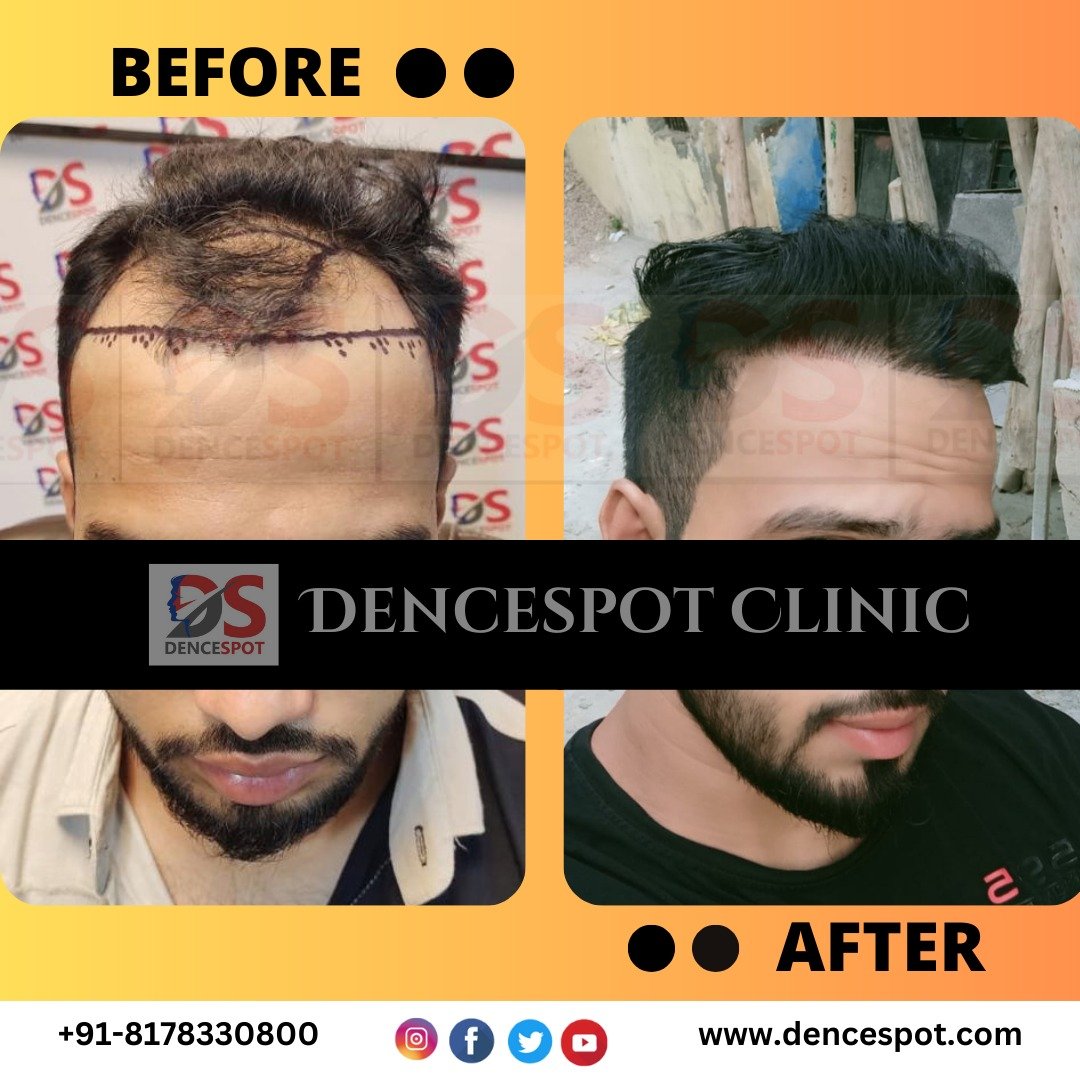
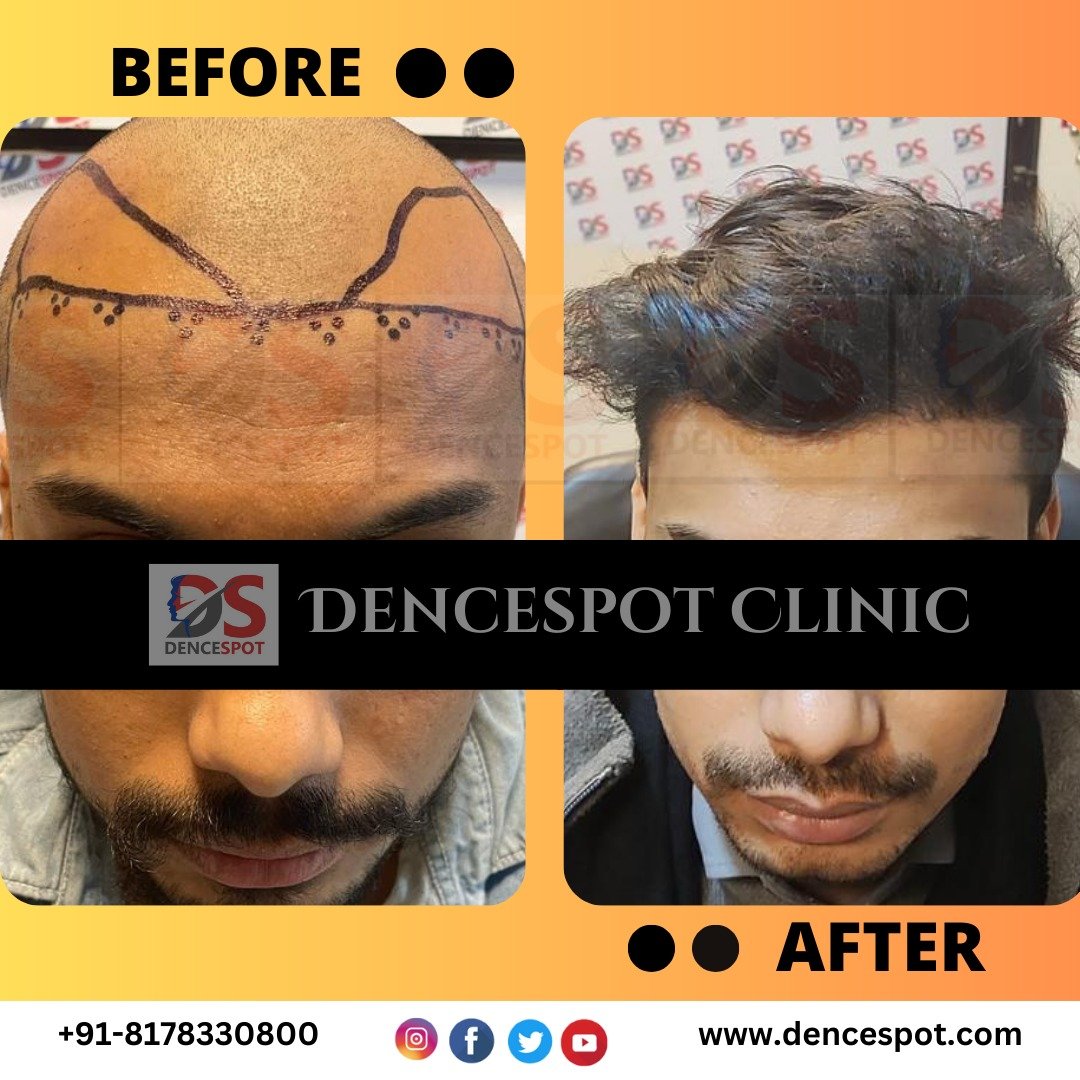
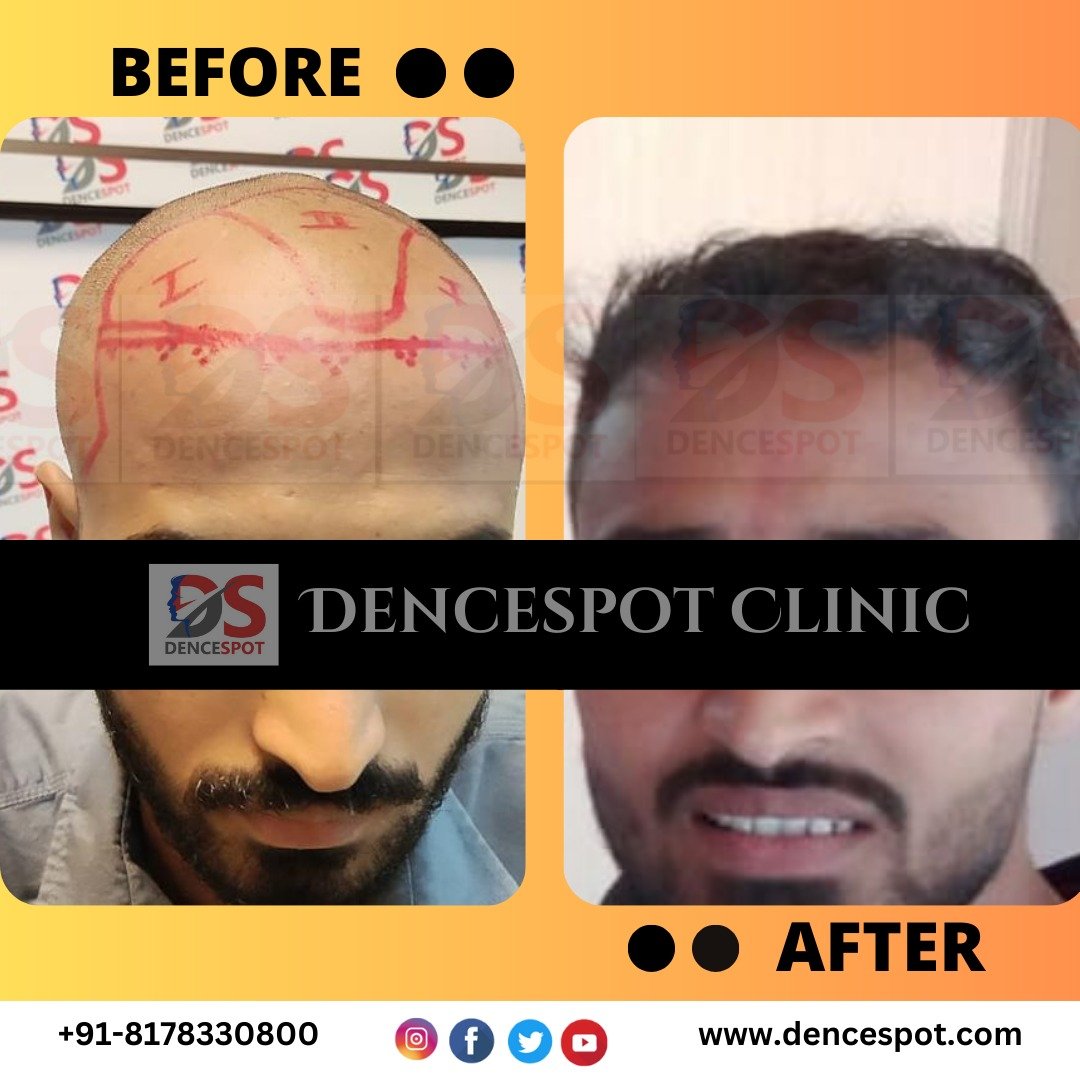
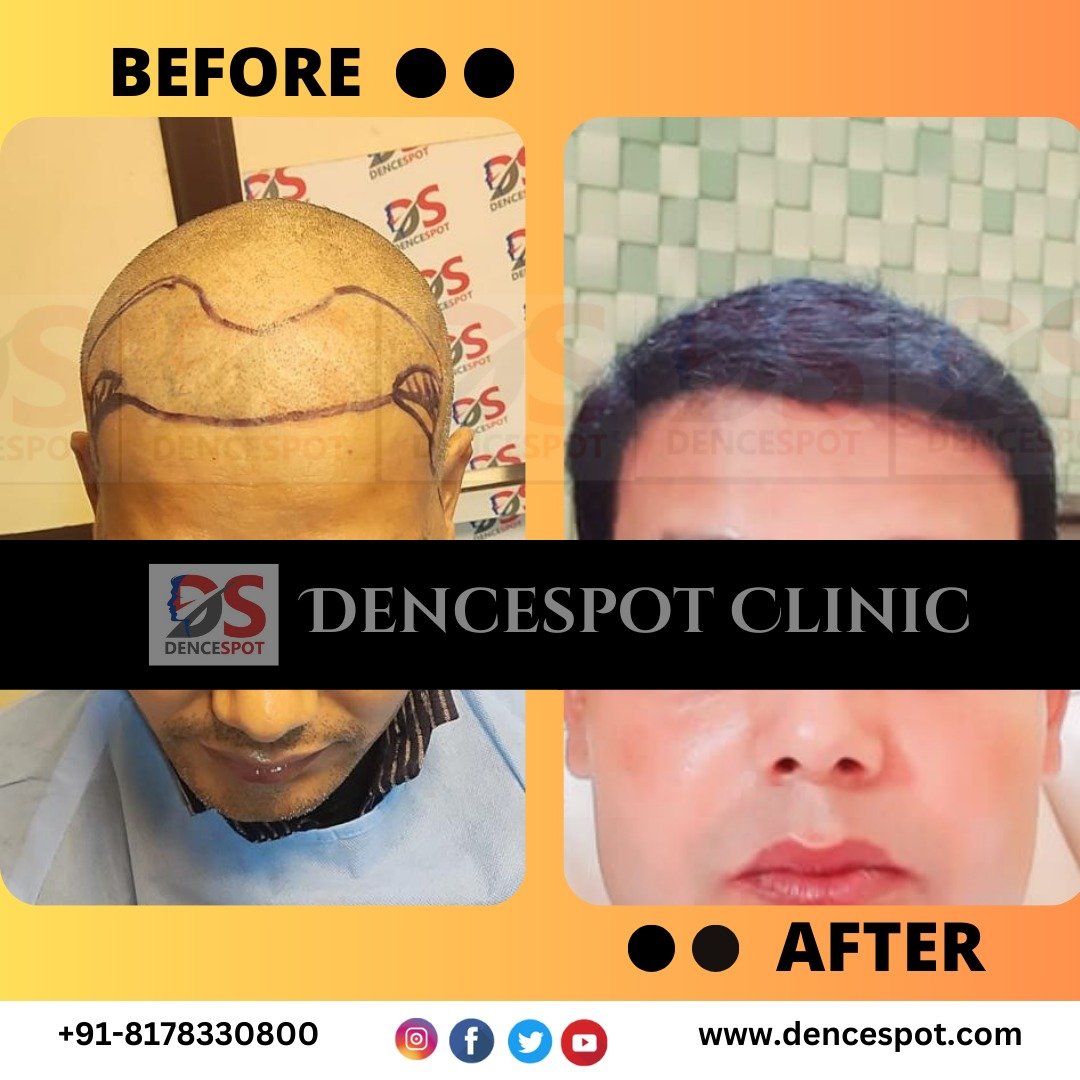
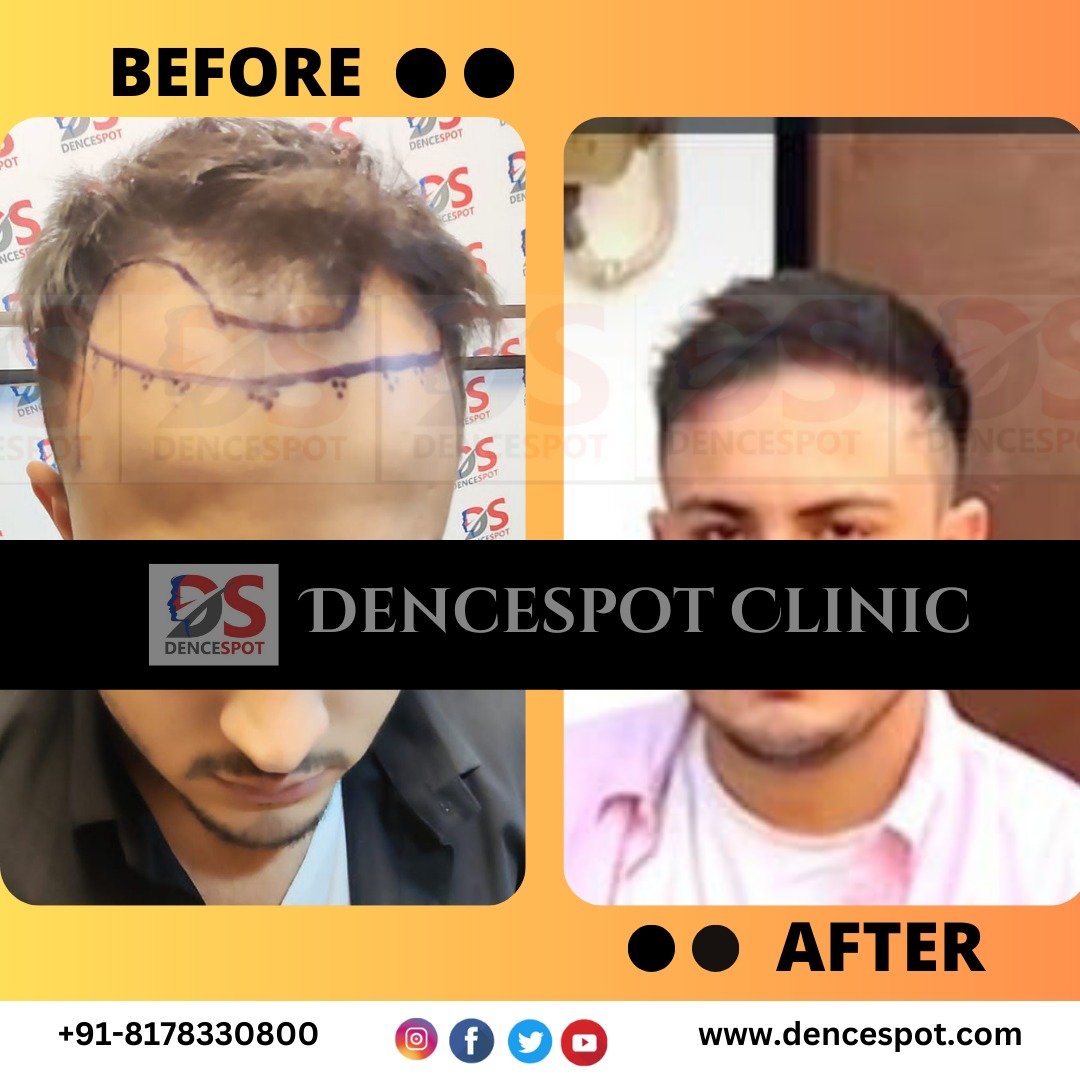
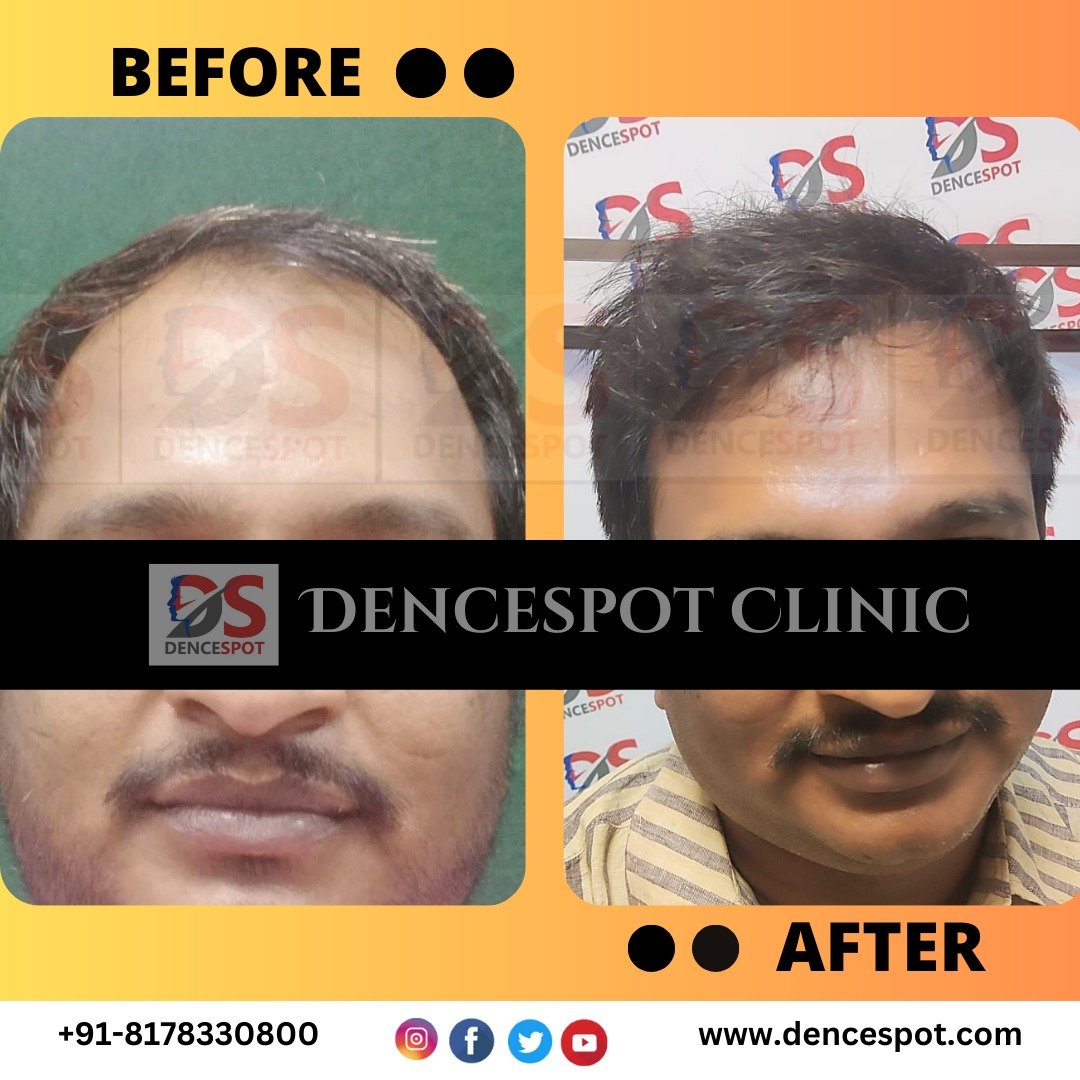
Consented photographs of DenceSpot patients, not digitally altered. They show what happened for these patients, not what will happen for you.
Suitability
Age alone does not decide it; whether your loss is still moving does. The examination looks at the hairline, the hair just behind it and how much your donor area can spare.
At twenty-five a low, dense line may look ordinary. Twenty years on, the hair behind it may have thinned while the transplanted edge stays where it was, leaving a band of hair in front of a sparse patch. A slightly higher line can be brought down later if loss stays settled; one that starts too low has no such option.
Early loss that is still progressing is usually treated medically first, through hair fall treatment. The right age for a hair transplant and the Norwood scale help frame the conversation.
Our doctors
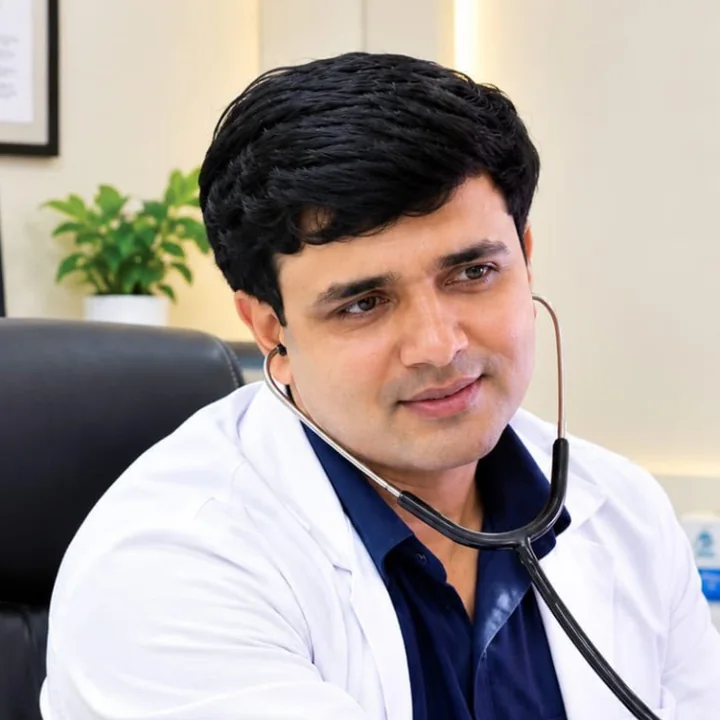
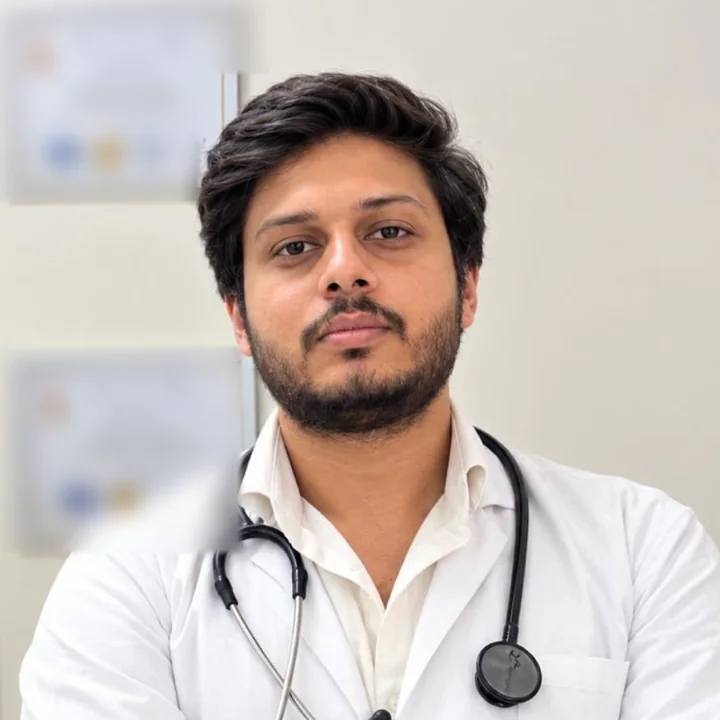
Every case starts with an examination by a doctor. The doctor who will treat you at the Rohini clinic is named at your consultation, and you can ask for their qualifications, registration and experience with the technique planned for you.
MBBS, MD (Dermatology)
Owner & Chief Consultant
Design choices
The drawing decides how far the work goes. Rebuilding the temples can frame the face, but it spends donor hair the front may need.
Single hairs along an irregular edge, two-hair grafts behind them and larger units further back to build density. The edge is set at a mature height so it still suits you as the hair behind it ages.
The temple points are rebuilt as well. Hair there is fine, lies at very sharp angles and grows backwards and downwards, so any error shows in profile; implanter placement is often used here.
How it works
Five stages at the Rohini clinic, with the line agreed before anything else happens.
History, medicines and donor density checked, along with how your loss is likely to progress.
The line pencilled on while you sit upright with relaxed eyebrows, facing a mirror; photograph it and look again a week later.
Follicular units taken from the back and sides and sorted under magnification by hair count.
Single hairs along the front edge and larger units behind, each at the forward angle of frontal hair.
A first-week wash and check, then photographs as the hairline sheds, regrows and settles.
Recovery is covered in the aftercare guide, and the year of regrowth in the growth timeline, month by month.
After the procedure
A new hairline is the most visible part of a transplant for the first fortnight. General timings; your written aftercare comes first.
Cost
What you pay depends on what is drawn. Rebuilding only the front edge takes far fewer grafts than adding the temples or building density further back, so the estimate is worked out from the agreed line and given itemised, in writing, after your assessment at the Rohini clinic.
Instalments through third-party lenders may be available; check the total payable before signing.
Reviews of DenceSpot’s Rohini clinic are on its Google Business Profile, unedited and in each reviewer’s own words. This page does not reproduce testimonials.
Book a consultation
At the Rohini clinic the doctor examines your donor area, pencils a line on your forehead and adjusts it with you in a mirror, then tells you plainly whether now is the time, with a written plan if it is. Take a photograph of the line home and decide later.
The Rohini clinic replies during opening hours (Mon–Sun · 10:00 – 20:00).
Suitability is decided after clinical assessment. This page is patient education and is not medical advice.