
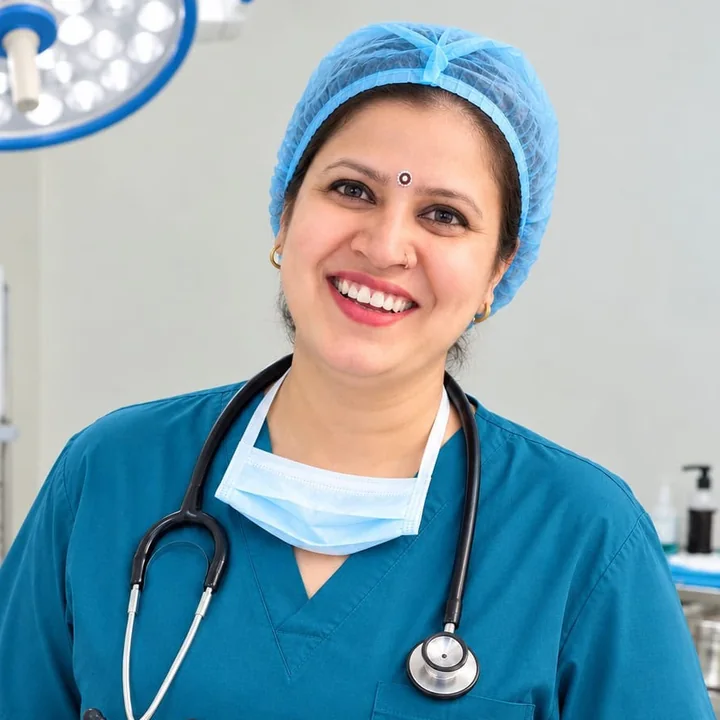
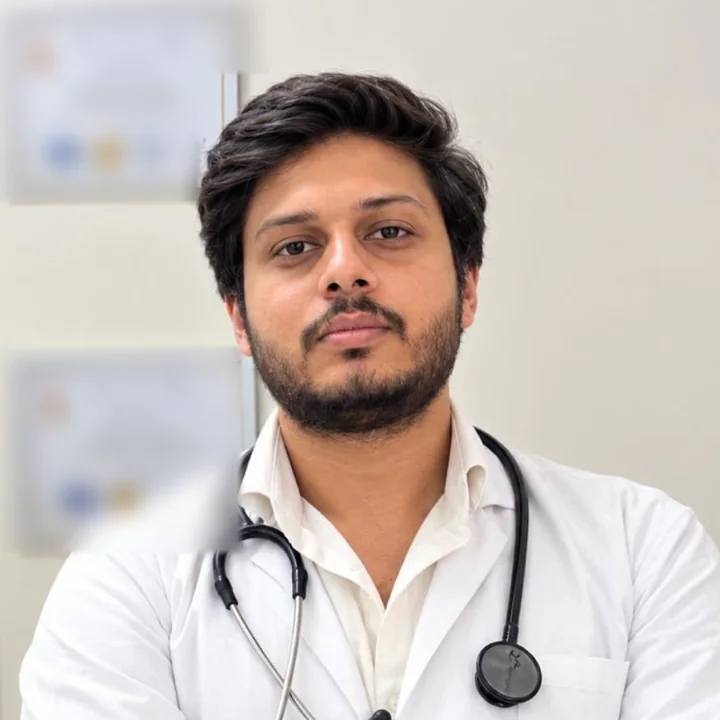
Dr. Nyra
MBBS, MD (Dermatology)
Owner & Chief Consultant
- Trained at Dr. D. Y. Patil Medical College
- 3 years of clinical work in Germany
- 8 years of experience
- Consults at Rohini, Delhi
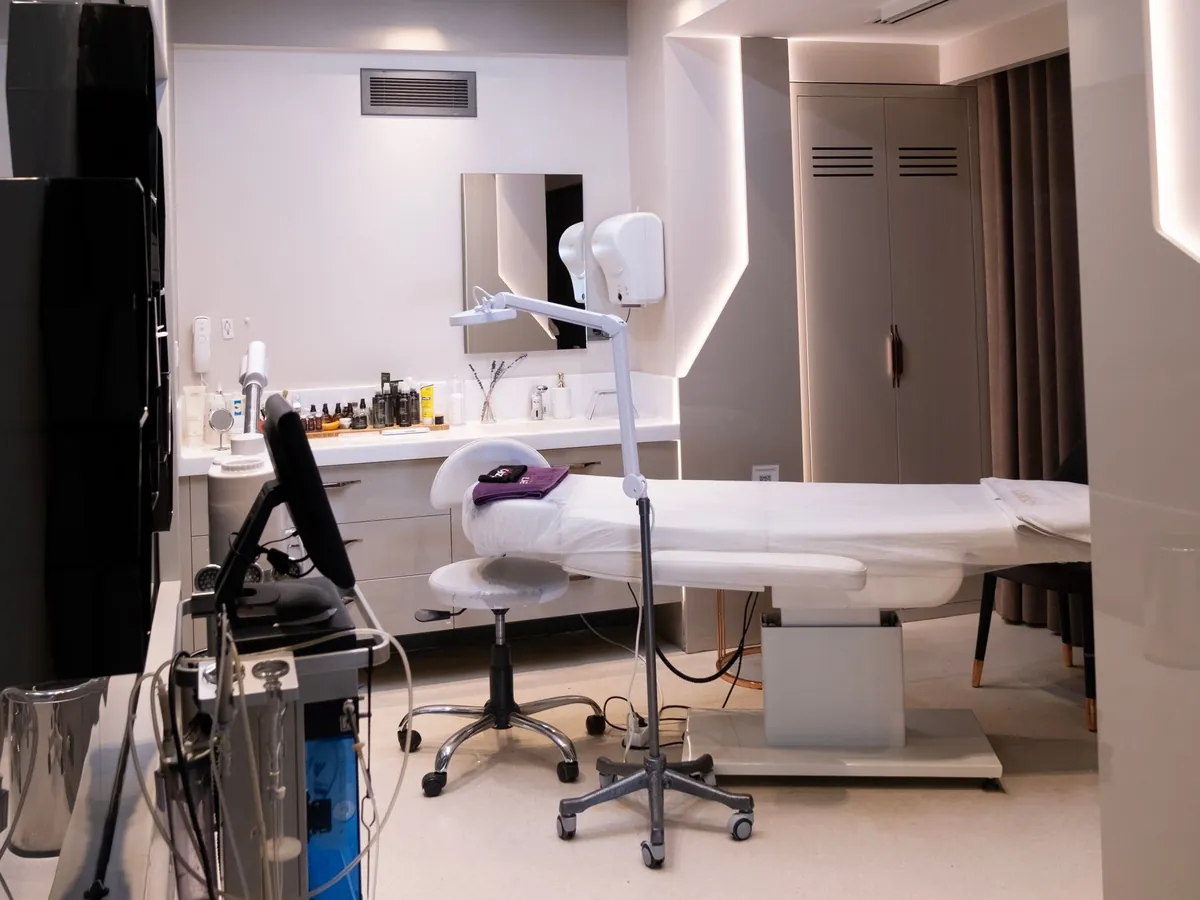
Representative image
Repair of an earlier hair transplant at our Rohini clinic: the result examined once it has matured, the donor hair you have left measured, and a written statement of what can change, and what cannot, before any corrective work is booked.
Image: representative, not the Rohini clinic
About the treatment
Repair is corrective surgery on an earlier transplant that has not turned out as hoped. Depending on the fault, it can mean taking out clumped or misdirected grafts one at a time, re-using the follicles that survive, softening a hard front edge with single-hair grafts, adding density, or grafting into a scar.
It usually improves a result rather than erasing it, and every graft it adds comes from a donor area the first operation has already drawn on. In Delhi, repair assessments and staged corrective work take place at DenceSpot’s Rohini clinic, where registered medical practitioners plan and carry out each stage.
General patient education, not a promise.
| The fault | Usual approach |
|---|---|
| Tufted grafts at the front | Removed; hair re-used further back |
| A hard, straight edge | Softened with single-hair grafts |
| A front edge set too low | Raised partly, in stages |
| Grafts at the wrong angle | Taken out and re-placed |
| Thin or patchy growth | Density added if donor allows |
| A visible strip scar | Grafts into the scar, or pigment |
Why DenceSpot
What a repair case looks like at the Rohini clinic: more time on assessment, and the limits stated before anything else.
Suitability
Two questions come before any repair plan: has the first result finished growing, and how much donor hair is left to work with?
Six months after surgery, thin and uneven growth is often normal; set it against the month-by-month growth timeline. A fault in position or angle can be looked at sooner, though surgery still waits.
Bring any paperwork from the first surgery, such as the operative note, how many grafts were moved and the method, plus photographs of your hair before it. Hair transplant repair options goes into the reasoning.
Our doctors
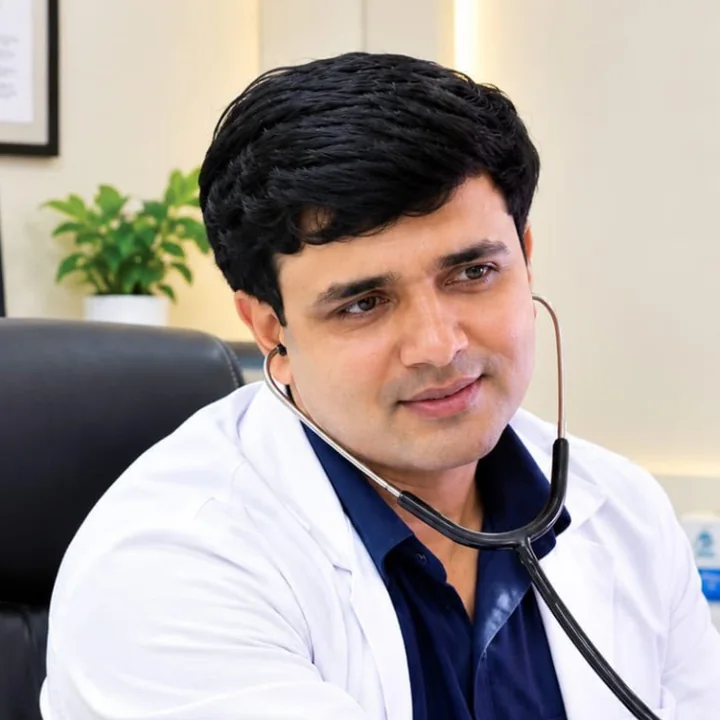
Every case starts with an examination by a doctor. The doctor who will treat you at the Rohini clinic is named at your consultation, and you can ask for their qualifications, registration and experience with the technique planned for you.
MBBS, MD (Dermatology)
Owner & Chief Consultant
Correction methods
Most repairs combine two kinds of work, usually in separate stages: taking out what sits wrongly, and adding what is missing.
Clumped or misdirected grafts are taken out one at a time and, where the follicle survives, set again further back or at the right angle. It is slow, precise work, and the main way a low front edge is raised.
Single-hair grafts break up a hard edge, extra grafts add density to a thin area, and grafts can be set into a strip scar. All of them come from the donor hair that remains.
How it works
Five stages at the Rohini clinic. More time goes into assessment than for a first transplant, and nothing is booked until the limits are written down.
The operative note, graft count and method from the first surgery, with photographs from before it, if you have them.
The transplanted area, front edge and donor examined under magnification and photographed; remaining donor density measured.
A written account of what should get better, what will stay as it is, how many stages to expect and what drives the cost of each.
Often removal and re-placement, as a day case under local anaesthetic.
Regrowth reviewed on photographs before density, softening or scar work is confirmed.
More in hair transplant repair options and shedding and shock loss after a transplant.
Recovery
Each stage heals much as a first transplant does, but a staged repair means more than one recovery, so plan each around the season. Your written aftercare comes first.
Cost
A repair can only be priced once the earlier result has been examined, and figures spread more widely than for first procedures. Corrective work is slower than a first transplant of the same size, because previously operated skin is firmer and grafts are removed as well as placed, so it usually costs more. Each stage is set out in writing after your assessment at the Rohini clinic.
Instalment options through third-party lenders may be available; ask at the consultation.
Reviews of DenceSpot’s Rohini clinic are on its Google Business Profile, unedited and in each reviewer’s own words. This page does not reproduce testimonials.
Book a consultation
Bring your records from the first surgery and, if you have them, photos of your hair before it. At the Rohini clinic the doctor examines the result, measures the donor hair you have left and sets down in writing what can change and what cannot. Nothing is scheduled on the day unless you ask for it.
The Rohini clinic replies during opening hours (Mon–Sun · 10:00 – 20:00).
Suitability is decided after clinical assessment. This page is patient education and is not medical advice.