

Dr. Nyra
MBBS, MD (Dermatology)
Owner & Chief Consultant
- Trained at Dr. D. Y. Patil Medical College
- 3 years of clinical work in Germany
- 8 years of experience
- Consults at Rohini, Delhi
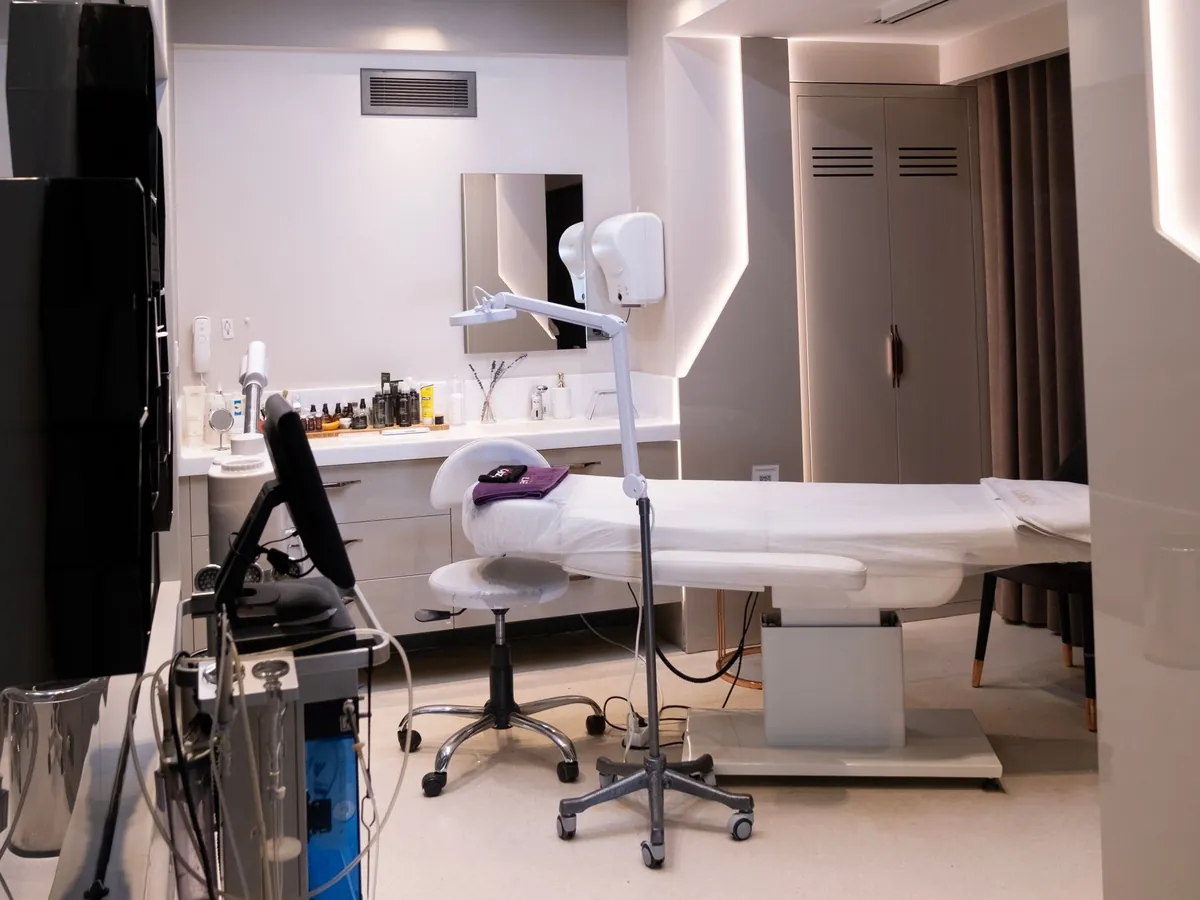
Representative image
Round, smooth bald patches that appear within weeks are usually alopecia areata, an autoimmune condition in which the follicles are switched off but not destroyed. At our Rohini clinic a doctor confirms the diagnosis, rules out lookalikes and plans treatment around the number, size and age of the patches.
Image: representative, not the Rohini clinic
About the treatment
In alopecia areata the immune system targets hair follicles and pushes them into a resting state. Because the follicles survive, hair can regrow, sometimes without any treatment, and the condition can also return later. It runs in families, is more common in people with thyroid disease or other autoimmune conditions, and is neither contagious nor caused by anything you did.
Treatment depends on how many patches there are, how large they are and how long they have been present, as well as your age and health. Limited patches may be watched, or treated with applications or injections into the patch; extensive loss can need treatment under close medical supervision. In Delhi, DenceSpot diagnoses and follows patients at its Rohini clinic.
General patient education; the examination decides.
| Condition | Typical sign |
|---|---|
| Alopecia areata | Smooth patch, normal-looking skin |
| Scalp ringworm | Scaly patch with broken stubble |
| Hair pulled out by habit | Hairs snapped at uneven lengths |
| Traction from styles | Thinning at hairline and temples |
| Scarring hair loss | Shiny skin, follicle openings gone |
| Telogen effluvium | Shedding all over, not patches |
Why DenceSpot
How patchy hair loss is diagnosed and followed at the Rohini clinic, with each patch measured against photographs rather than memory.
Suitability
The pattern is often distinctive, but several other conditions cause patchy loss and need different treatment. The first list suggests alopecia areata; the second points elsewhere. Either way, an examination settles it.
Alopecia areata cannot be caught or passed on, and it is not caused by shampoo, oil, diet or washing. Stress is often reported around the time patches appear, but the link is not proven. If the hair loss is affecting your mood or sleep, say so at the appointment.
A bare patch in the beard can be the first sign: see alopecia areata of the beard. A scaly, flaking patch is more often a scalp infection; see scalp conditions at the Rohini clinic.
Our doctors
Every case starts with an examination by a doctor. The doctor who will treat you at the Rohini clinic is named at your consultation, and you can ask for their qualifications, registration and experience with the technique planned for you.
MBBS, MD (Dermatology)
Owner & Chief Consultant

Treatment options
The doctor weighs the number and size of patches, how long they have been there, your age and your health. Medicine names and doses are not listed here: they are prescription decisions, and some need close supervision.
One or a few small patches often regrow without treatment, though it can take months. You can choose to watch them with photographs and a review date, or have treatment applied to the skin or injected into the patches at intervals.
Widespread patches, loss that has lasted a long time, or loss of eyebrows, lashes or body hair is harder to predict. Tablets or other treatment under close medical supervision may be considered, with monitoring that can include blood tests.
From first visit to review
Five stages at the Rohini clinic. Bring any photographs from when the patches first appeared.
When each patch appeared, earlier episodes, thyroid or autoimmune conditions in you or your family, and your medicines.
Scalp, beard, brows, lashes and nails, with trichoscopy to confirm the pattern and rule out lookalikes.
Thyroid or other tests only where indicated, a biopsy rarely, then the options and their side effects in writing.
A review date with photographs, treatment on or into the patches, or supervised treatment for extensive loss.
Each patch compared with its first photograph at every visit, so regrowth and any new patches are measured.
More in blood tests for hair loss and who should assess hair loss.
Over the months
Alopecia areata moves at its own pace, and nobody can predict exactly how one case will behave. General guidance only; your plan and review dates come first.
Cost
Cost follows extent, so no single price is published. With one or two small patches you are mainly paying for the consultation and reviews, and for injection visits if you opt for them. Widespread loss that needs supervised treatment brings monitoring and more visits, so it costs more. The plan is costed in writing at the Rohini clinic.
Where a plan runs over several months, instalment options through third-party lenders may be available; ask at the consultation.
Reviews of DenceSpot’s Rohini clinic are on its Google Business Profile, unedited and in each reviewer’s own words. This page does not reproduce testimonials.
Book a consultation
Have your patches examined at the Rohini clinic. A doctor confirms the diagnosis and checks the beard, brows and nails. Screening is suggested only if your history calls for it. Then every option is explained, including watching and the position on surgery.
The Rohini clinic replies during opening hours (Mon–Sat: 10:00 AM – 06:00 PM · Sun: 09:00 AM – 05:00 PM).
Suitability is decided after clinical assessment. This page is patient education and is not medical advice.