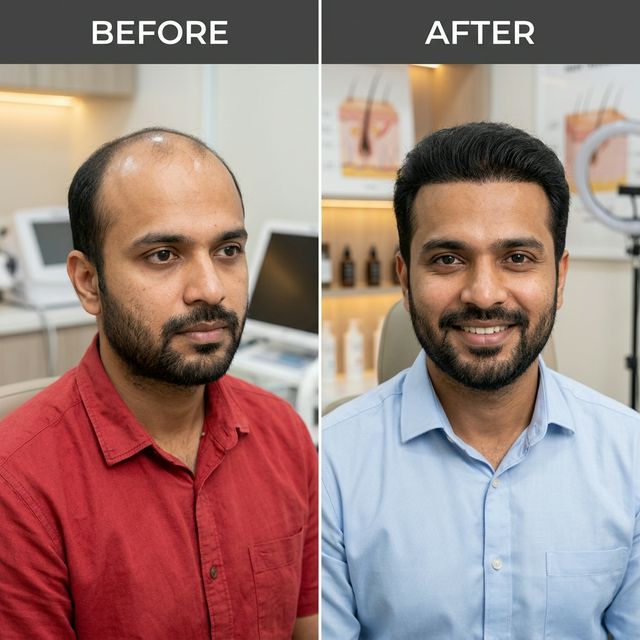
If your hair is becoming thinner and you are wondering how to increase hair thickness, you are not alone. Millions of people in India struggle with this problem. Today, we will explore from a dermatologist's perspective why achieving thicker hair is entirely possible — and how to do it.
Hair thickness is something everyone desires — regardless of gender. However, due to pollution, stress, poor diet, and genetics, a large number of Indians face the problem of thinning hair. In this comprehensive guide, we will explain how to increase hair thickness using scientifically backed and practical methods. These tips come from the perspective of an experienced dermatologist, so you can trust that they are effective.
First and foremost, it is important to understand that hair thickness and hair density are two different things. Thickness refers to how wide an individual hair strand is, while density refers to the number of hair strands per square centimeter. Both can be improved, but the approach for each is different.
Causes of Thin Hair — What Leads to Hair Thinning?
Before we discuss solutions, let us first understand why hair becomes thin. Here are some of the most common causes:
Genetics: If your parents have thin hair, there is a higher chance that you may experience the same. However, this does not mean that nothing can be done about it. Modern treatments can effectively manage even genetically driven hair thinning.
Nutritional Deficiencies: This is extremely common in India — iron deficiency, low Vitamin D levels, and insufficient biotin all directly affect hair thickness. If your body lacks essential vitamins and nutrients, your hair will become thin and weak.
Hormonal Imbalances: Thyroid disorders, PCOS (in women), and the DHT hormone (in men) are major causes of hair thinning. Hormonal changes after pregnancy or during menopause can also significantly affect hair thickness.
Environmental Damage: In areas such as Gurgaon and Delhi NCR, pollution levels are extremely high. Hard water, dust particles, and UV exposure all damage the hair and contribute to thinning.
Styling Damage: Excessive heat styling, chemical treatments, and tight hairstyles all weaken the hair shaft. If you regularly undergo hair straightening or coloring, hair fall and thinning are a natural consequence.
Diet for Hair Thickness — What to Eat for Thicker Hair
Your hair is built from what you eat — this may sound simple, but it is absolutely true. Diet is the most important foundation for hair thickening.
Protein-Rich Foods: Hair is made of keratin, which is a protein. A daily intake of 50 to 60 grams of protein is essential. Eggs, paneer, lentils, chicken, and fish are all excellent sources. For vegetarians, soybeans, kidney beans, and chickpeas are highly recommended alternatives.
Iron-Rich Foods: Iron deficiency is one of the most common nutritional issues among women in India and directly causes hair thinning. Include spinach, beetroot, dates, jaggery, and pomegranate in your daily diet. If your iron levels are significantly low, consult a doctor about supplementation.
Biotin and Zinc: Biotin is an essential vitamin for hair growth. Almonds, walnuts, and sunflower seeds are good sources of biotin. For zinc, include pumpkin seeds and cashews in your diet. Together, these nutrients help make the hair shaft thicker.
Omega-3 Fatty Acids: Flaxseeds, walnuts, and fish are rich in omega-3 fatty acids, which improve scalp health and nourish the hair follicles. Adding a tablespoon of flaxseed powder to your daily smoothie or yogurt is a simple and effective habit.
Vitamin D: Despite abundant sunshine in India, Vitamin D deficiency remains surprisingly common. Spending 15 to 20 minutes in morning sunlight is highly beneficial, as Vitamin D plays a crucial role in the hair follicle growth cycle.
Clinical Treatments for Hair Thickness — What Actually Works
While diet and lifestyle changes make a significant difference, clinical treatments are the best option if you are looking for faster and more dramatic results. As a dermatologist, here are the treatments I recommend:
PRP (Platelet-Rich Plasma) Therapy
PRP hair treatment is currently one of the most popular and effective hair thickening treatments available. In this procedure, platelets are extracted from your own blood and injected in a concentrated form into the scalp. These platelets release growth factors that activate dormant follicles and make existing hair thicker.
The results of PRP are impressive — studies indicate that hair thickness can improve by 30 to 40 percent after 3 to 4 sessions. It is a safe procedure since it uses your own blood, which eliminates the risk of allergic reactions. Read more about PRP treatment in detail on our dedicated blog post.
Microneedling for Hair Thickness
Hair microneedling treatment is a revolutionary approach to improving hair thickness. Tiny needles create controlled micro-injuries in the scalp, which trigger the body's natural healing response. This increases collagen production, improves blood circulation, and delivers more nutrients to the hair follicles.
Combining microneedling with PRP is considered the most effective approach for thickness improvement. The micro-channels created by the needles allow PRP to be absorbed more effectively, multiplying the overall results.
LED Light Therapy
LED therapy for hair is a completely pain-free treatment that applies specific wavelengths of light to the scalp. Red light therapy boosts cellular energy production and strengthens the hair follicles. This is an especially suitable option for individuals who are uncomfortable with needle-based treatments.
Get a Professional Hair Thickness Analysis
At DenceSpot Clinic, we use advanced trichoscopy to measure the thickness of each individual hair strand and create a personalized treatment plan. The initial consultation is thorough and comprehensive.
Book Your ConsultationTopical Solutions — What to Apply to Your Hair
Minoxidil: This is an FDA-approved topical solution for hair thickening, available in 2% concentration (for women) and 5% concentration (for men). It increases blood flow to the scalp and provides more nutrients to the follicles. However, it should only be used under a dermatologist's supervision.
Hair Growth Serums: Peptide-based serums that boost hair keratin production serve as an excellent supplement to your hair care routine. Serums containing Redensyl and Procapil are now readily available in India.
Natural Oils: Regular scalp massage with hair oils such as rosemary, castor, and coconut oil can also improve hair thickness. In clinical studies, rosemary oil has demonstrated results comparable to minoxidil. Aim for an oil massage two to three times per week.
Scalp Serums with Growth Factors: Advanced scalp serums containing EGF (Epidermal Growth Factor) and other peptides directly nourish the hair follicle. While these tend to be more expensive, they deliver excellent results.
Lifestyle Changes — Daily Habits That Improve Hair Thickness
Along with treatments and diet, certain lifestyle changes play a significant role in improving hair thickness:
Stress Management: Chronic stress elevates cortisol levels, which directly causes hair thinning. Whether it is yoga, meditation, or even a daily 30-minute walk, managing stress is essential. This may sound simple, but it is one of the most important factors for hair health.
Sleep: Getting 7 to 8 hours of quality sleep is essential for hair growth. During sleep, the body enters repair mode, giving hair follicles the time they need to regenerate. Consistently staying up late is highly detrimental to hair health.
Water Intake: Aim to drink 3 to 4 litres of water daily. Dehydration makes the hair shaft brittle and thin. If you live in Gurgaon, using RO-filtered water is advisable, as hard water can be particularly damaging to hair.
Gentle Hair Care: Never brush wet hair roughly — wet hair is at its most fragile state. Use a sulfate-free shampoo and avoid washing your hair with hot water; lukewarm water is ideal. If you have dandruff, be sure to seek dandruff treatment as well, since dandruff is a known contributor to hair thinning.
Exercise: Regular exercise improves blood circulation throughout the body, including to the scalp. This ensures that hair follicles receive more oxygen and nutrients. Aim for at least 30 minutes of exercise, four days a week.
When Should You Consult a Doctor?
If you notice that your hair is becoming thinner than usual, or if you are losing more than 100 strands per day, it is important to consult a dermatologist. Sudden thinning can be a sign of a hormonal imbalance or an underlying health condition.
At DenceSpot Clinic, we use trichoscopy — an advanced scalp analysis technique — to evaluate the health of each individual follicle. This allows us to identify the exact cause of thinning and determine the most suitable treatment plan. In cases of severe thinning, a hair transplant may also be considered as a permanent solution.
Remember — improving hair thickness is a journey, not an overnight miracle. However, with the right approach — including a proper diet, clinical treatments, and a healthy lifestyle — you can absolutely achieve thicker, stronger hair. To see real progress for yourself, explore our before-and-after results gallery featuring real patient transformations.
Start your hair growth journey today — even a small step can make a big difference. Combining skin treatments with hair treatments can yield even more effective results, as the scalp is essentially an extension of the skin.
Expert Hair Thickness Treatment in Gurgaon
The experienced dermatologists at DenceSpot Clinic understand the specific needs of your hair and create a customized treatment plan accordingly. Do not wait any longer — thicker hair is absolutely achievable.
Book Your Appointment NowFrequently Asked Questions
Can thin hair become permanently thick?
Yes, with the right treatment and diet, thin hair can become thicker. Clinical treatments such as PRP and microneedling can strengthen the follicles and improve the thickness of the hair shaft.
How long does it take to increase hair thickness?
Generally, it takes 3 to 6 months to see visible results. Consistency is extremely important with clinical treatments such as PRP.
Can diet improve hair thickness?
Absolutely! A diet rich in protein, iron, biotin, zinc, and Vitamin D can bring about significant improvement in hair thickness. Eggs, nuts, spinach, and fish are among the best foods for this purpose.
How effective is PRP treatment for hair thickness?
PRP treatment is highly effective because it uses your own blood platelets to stimulate hair follicles. Noticeable improvement in thickness is typically observed after 3 to 4 sessions.
Do hair thickening shampoos actually work?
Thickening shampoos can temporarily give hair a fuller appearance, but clinical treatments and proper nutrition are necessary for permanent thickness. Shampoos only provide a cosmetic effect.
How does microneedling increase hair thickness?
Microneedling creates controlled micro-injuries in the scalp, which stimulates collagen production and increases blood flow. This delivers more nutrients to the hair follicles, enabling the hair shaft to grow thicker.