For centuries, different cultures around the world have turned to the power of nature to maintain their hair's health and beauty. Among the most revered natural remedies are botanical oils. If you are on a journey to improve your hair's health, finding the best oils for hair growth can be a complete game-changer. These biological extracts are packed with essential fatty acids, antioxidants, and vitamins that nourish the scalp and protect the hair shaft from environmental damage.
In this ultimate guide, we will explore the science-backed oils to grow hair and provide expert instructions on how to use hair oil for growth effectively. Whether you are looking for a natural way to prevent hair fall or want to increase your overall hair density, there is an oil specifically suited to your needs. Let's unlock the secrets of natural hair oils together.
Why Oiling is Essential for Hair Health
Oiling isn't just an old wives' tale; it has a solid foundation in hair science. Hair is a porous fiber that can easily lose moisture and protein. Oils act as a sealant, filling in the gaps in the hair cuticle and preventing "hygral fatigue"βthe weakening of the hair shaft caused by repeated swelling and drying. Furthermore, regular oiling provides a protective layer against UV rays and pollution, which are major contributors to hair thinning.
Beyond the hair shaft, massaging oils into the scalp improves blood circulation, which helps deliver nutrients to the follicles more efficiently. This is a critical component of most successful hair growth methods. Pair your oiling routine with the right vitamins for hair growth to ensure your body is healthy from both the inside and outside.
The Best Oils for Hair Growth: Top Picks
Not all oils are created equal. Some are designed to penetrate the hair shaft, while others are better suited for scalp stimulation. Here are the top performers in the world of natural hair oils.
1. Rosemary Essential Oil
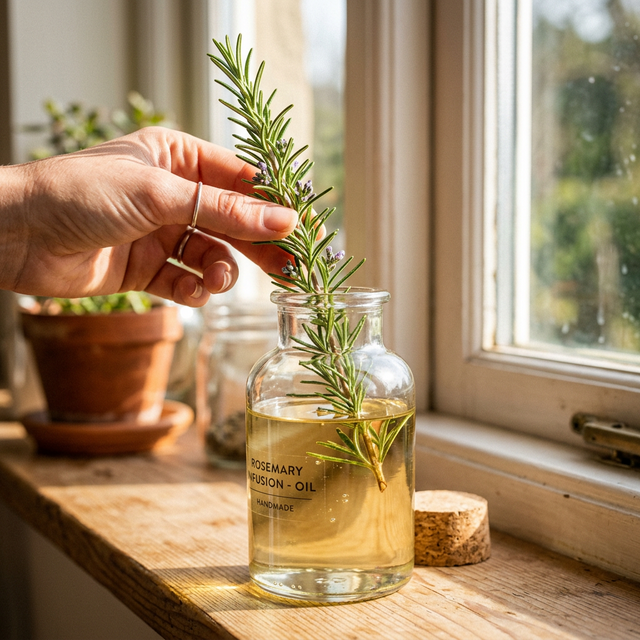
Rosemary oil has recently gained massive popularity, and for good reason. In clinical studies, rosemary oil was found to be as effective as a 2% Minoxidil solution for promoting hair growth over a six-month period, but with significantly less scalp itching. It works by improving cellular turnover and blood flow. Because it is an essential oil, it must always be diluted in a carrier oil like jojoba or coconut before application.
2. Castor Oil: The Ancient Secret
Castor oil is rich in ricinoleic acid, a type of fatty acid that has been shown to fight inflammation. When applied to the scalp, it can help prevent oxidative stress and protect the follicles. Its thick consistency also means it stays on the hair shaft well, providing deep hydration for those struggling with brittle, thinning hair. It is a cornerstone of many natural hair care remedies for improving thickness and shine.
3. Coconut Oil: The Ultimate Penetrator
Unlike most oils that just sit on the surface, coconut oil has a unique molecular structure that allows it to penetrate deep into the hair shaft. This makes it incredible for preventing protein loss during washing. If you have damaged hair from chemical treatments, using coconut oil as a pre-wash treatment is a must. It keeps the hair flexible and prevents the breakage that often mimics hair loss.
How to Use Hair Oil for Growth Effectively

Using the right oil is only half the battle; the technique is equally important. To maximize the benefits, follow these expert steps.
1. The Scalp Massage Technique
Apply a small amount of your chosen oil blend directly to your fingertips. Part your hair in sections and gently massage the oil into your scalp using circular motions. This shouldn't be a vigorous rub; rather, a gentle stretching of the scalp skin. This stimulates the follicles and ensures the oil reaches the roots. This habit is a vital part of any long-term hair care maintenance routine.
2. Temperature Matters
Warm oil penetrates the scalp and hair much better than cold oil. Place your oil bottle in a bowl of warm water for a few minutes before application. Never microwave the oil directly, as this can destroy the delicate biological compounds that make it effective.
3. Don't Over-Oil
More is not always better. Drenching your hair in oil can make it difficult to wash out, leading to heavy-handed shampooing that can actually cause more harm. Focus the oil on your scalp and the very ends of your hair. Let it sit for at least 30 minutes, or overnight for a deep treatment, then wash with a gentle sulfate-free shampoo. If you have significant dandruff or scalp buildup, be careful with heavy oils like coconut on the scalp, as they can sometimes feed the yeast that causes flaking.
Beyond Oils: When You Need a Medical Boost
While natural hair oils are fantastic for maintenance and mild growth stimulation, they may not be enough for significant genetic hair loss. If your hair thinning is advanced, consider exploring clinical growth treatments.
At DenceSpot, we offer PRP (Platelet-Rich Plasma) therapy, which delivers a much more concentrated dose of growth factors than any oil can provide. For those looking to restore large areas of loss, a permanent hair transplant is the most effective solution. You can also combine these clinical treatments with professional hair spa treatments to maintain the external health of your hair while the medical treatments work on the internal follicles.
Conclusion: Choosing Your Perfect Oil
The journey to healthier hair often begins with a simple bottle of oil. Whether you choose the stimulating power of Rosemary or the protective nature of Coconut, consistency is your greatest ally. Start your oiling routine today, stay patient, and watch as your hair transforms over the coming months.
Unlock Your Hair's Natural Potential
Confused about which oil is right for your hair type? Our experts at DenceSpot are here to help. We offer personalized hair and scalp analyses to help you create the perfect routine for your specific needs.
Book Your Hair Analysis AppointmentFrequently Asked Questions (FAQs)
Oiling 1-2 times per week is generally sufficient for most hair types. Over-oiling can lead to scalp buildup and clogged follicles, which can actually hinder growth.
Yes, leaving oil in overnight allows for deep penetration. However, if you have an oily scalp or are prone to acne, you might want to limit the treatment time to 1-2 hours before washing.
Oils cannot "heal" a split end once it has occurred, but they can lubricate the hair and prevent new splits from forming. Trimming is the only way to remove existing split ends.
Studies have shown that Rosemary oil can be as effective as a 2% minoxidil concentration for some people, with fewer side effects. However, for severe hair loss, 5% minoxidil or prescription treatments are often more powerful.
You should be cautious. Some oils, like coconut oil, can worsen dandruff if the cause is Malassezia (a yeast-like fungus). In such cases, antimicrobial oils like Tea Tree oil (diluted) or specialized scalp serums are a better choice.