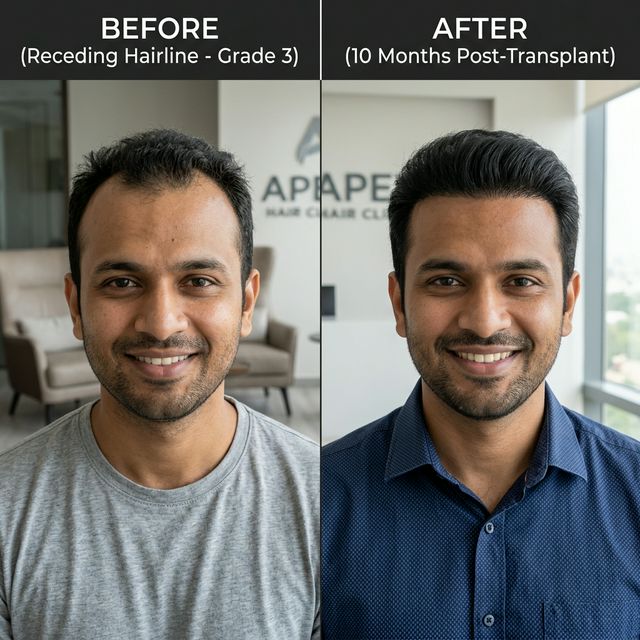
For many, hair is more than just a physical feature—it's a symbol of vitality and confidence. However, noticing that your ponytail feels thinner or your scalp is becoming more visible can be distressing. While the terms "thickness" and "density" are often used interchangeably, they refer to different aspects of hair health. Hair thickness improvement focus on the diameter of each individual strand, while increasing hair density refers to the number of follicles per square inch on your scalp. Understanding both is the key to achieving a voluminous look.
In this definitive guide, we will explore the science of how to increase hair density and provide actionable thick hair tips that you can implement today. Whether you are dealing with age-related thinning or environmental damage, there are numerous strategies to restore your hair's body. From the importance of controlling hair fall to advanced clinical therapies, let's dive into the world of voluminous hair.
The Science of Hair Thickness vs. Density
To effectively improve your hair's appearance, you must first identify your specific concern. Hair thickness is determined by the "cortex" of the hair shaft. If the cortex is healthy and filled with protein, the hair strand feels coarse and strong. Conversely, hair density is all about the population of follicles. You can have very fine hair strands but high density, resulting in a full head of hair that feels soft.
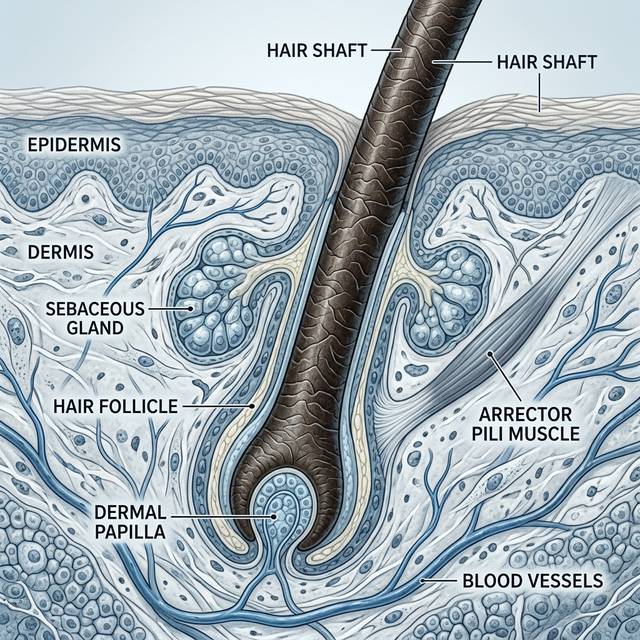
Both factors are influenced by genetics, but they are also highly responsive to your external and internal environment. By utilizing specific hair thickness improvement techniques, you can strengthen the cuticle and swell the shaft for immediate volume. Simultaneously, by focusing on scalp health to increase hair density, you ensure that dormant follicles are reactivated and shedding is minimized. Combining these efforts with natural hair growth methods will yield the best long-term results.
Top Methods for Increasing Hair Density
If you've noticed your scalp peeking through more than usual, your focus should be on density. This involves nurturing the follicles to ensure they stay in the "growth" phase for as long as possible.
1. Scalp Stimulation and Blood Flow
Consistent scalp stimulation is one of the most effective ways to wake up sluggish follicles. Massaging your scalp for just five minutes a day can significantly increase blood flow, bringing essential nutrients directly to the root. Combining this with the benefits of hair growth oils like rosemary or cedarwood can further stimulate the follicles. These oils contain compounds that are thought to mimic the effects of growth-promoting medications without the side effects.
2. Advanced Clinical Solutions
For those who need more significant results, clinical treatments are often the most reliable path. One of the most successful thin hair solutions we offer is PRP hair therapy. By injecting your own concentrated platelets into the scalp, we provide a massive "growth signal" to the follicles, often resulting in visible increases in density within a few months. For cases of severe, permanent thinning, a surgical hair transplant can physically move high-density hair from the back of the head to the thinning areas.
Proven Tips for Hair Thickness Improvement

If your hair feels limp and breaks easily, you need to focus on the structure of the hair shaft itself. These thick hair tips focus on protein retention and cuticle health.
1. Protein Reinforcement
Your hair is roughly 90% protein. Using a protein-rich hair care maintenance routine can help fill in the gaps in a damaged hair cuticle, temporarily "thickening" the strand. Look for products containing hydrolyzed wheat protein or keratin. However, be careful not to over-treat; too much protein can make hair brittle. Balanced nutrition, including adequate vitamins for healthy hair, ensures that your body has the raw materials to build strong shafts from the start.
2. Volumizing Treatments and Serums
Modern cosmetic science has given us "thickening" serums that work by coating each hair strand with a lightweight polymer, making it physically wider. These are excellent thin hair solutions for immediate styling needs. For a more intensive external treatment, consider professional hair Botox or Spa, which deep-conditions the hair and seals the cuticle, giving it a much fuller and shinier appearance.
Nutrition and Lifestyle for Maximum Volume
You cannot achieve long-lasting thickness if your body is struggling to meet its basic nutritional needs. Iron deficiency (anemia) is one of the leading causes of low hair density in women. Ensuring you have adequate iron, ferritin, and Vitamin D levels is crucial for maintaining a full head of hair. If you are experiencing other scalp issues, such as chronic dandruff or inflammation, it is vital to treat them, as a healthy scalp environment is the only place where thick hair can thrive.
Moreover, stress management is a non-negotiable part of increasing hair density. High cortisol levels can push hair into the "shedding" phase prematurely. Engaging in regular exercise, getting enough sleep, and staying hydrated are foundational habits that support your hair's biological potential.
Avoiding Common Thickness Killers
Sometimes, what you *don't* do is just as important as what you do. To maintain your hair thickness improvement, avoid the following:
- Excessive Heat Styling: High temperatures "cook" the protein in your hair, leading to permanent thinning and breakage.
- Tight Hairstyles: Constants tension can cause traction alopecia, where follicles are physically pulled out.
- Harsh Chemicals: Over-processing with bleach or relaxers destroys the hair's internal structure.
- Neglecting Your Health: Smoking and a high-sugar diet can impair blood circulation to the scalp.
Rescover the Volume You Deserve
Don't settle for thin, lifeless hair. At DenceSpot, we are committed to helping you achieve the density and thickness you've always wanted. From clinical analysis to advanced growth treatments, we have the tools to transform your hair journey.
Book Your Hair Density Analysis NowFrequently Asked Questions (FAQs)
Biologically, you are born with all the hair follicles you will ever have. However, many "dormant" follicles are present on your scalp that aren't growing hair. Treatments like PRP and scalp massage can reactivate these follicles, effectively increasing your visible hair density.
External thickening products provide immediate results. However, for biological thickness (improving the quality of hair coming out of the scalp), you will need at least 3 to 6 months to see a visible change as the new, healthier hair grows in.
Rice water is rich in amino acids and inositol, which can strengthen the hair cuticle and provide a temporary thickening effect. It is a great natural supplement to a professional hair care routine.
Genetics plays a massive role in your "baseline" density. However, factors like nutrition, stress, and scalp health determine whether you are actually reaching that genetic potential or if your density is lower than it should be.
Vitamins are essential if you have a deficiency. If your thinning is caused by lack of nutrients, supplements can make a dramatic difference. However, for genetic or hormonal thinning, vitamins are usually a supporting treatment rather than the primary cure.