Chat with Us
SCALP HEALTH

Dandruff & Scalp Problems: Causes and Effective Treatments

Dandruff and Scalp Problems Treatment Guide

Dandruff is one of the most common dermatological conditions globally, affecting nearly half of the adult population at some point in their lives. While it is rarely a serious medical issue, the persistent flaking and itching can be socially embarrassing and physically uncomfortable. Understanding the root causes of dandruff and scalp problems is the first step toward achieving a permanent solution. An unhealthy scalp isn't just about flakes; it can lead to hair thinning and inflammation that compromises your overall hair quality.

In this comprehensive guide, we will explore the different types of scalp problem solutions and provide expert advice on how to achieve itchy scalp relief. From the foundational importance of nutritional support for the scalp to advanced medical-grade shampoos, we cover it all. Remember, a healthy mane can only grow from a healthy, flake-free scalp.

What Exactly is Dandruff?

Biologically, dandruff (Pityriasis capitis) is the excessive shedding of dead skin cells from the scalp. While skin turnover is a natural process, in individuals with dandruff, this process is accelerated. This acceleration is often triggered by a yeast-like fungus called Malassezia, which feeds on the oils produced by your hair follicles. This fungal activity can cause inflammation, which in turn leads to the white or yellowish flakes we associate with the condition.

It’s important to distinguish between simple dandruff and more severe conditions like Seborrheic Dermatitis or Scalp Psoriasis. Seborrheic Dermatitis involves more intense inflammation and greasy, yellow scales, while Psoriasis presents as thick, silvery-white plaques. Catching these issues early through a consistent hair care routine and maintenance plan is key to preventing them from worsening.

The Science of Scalp Inflammation

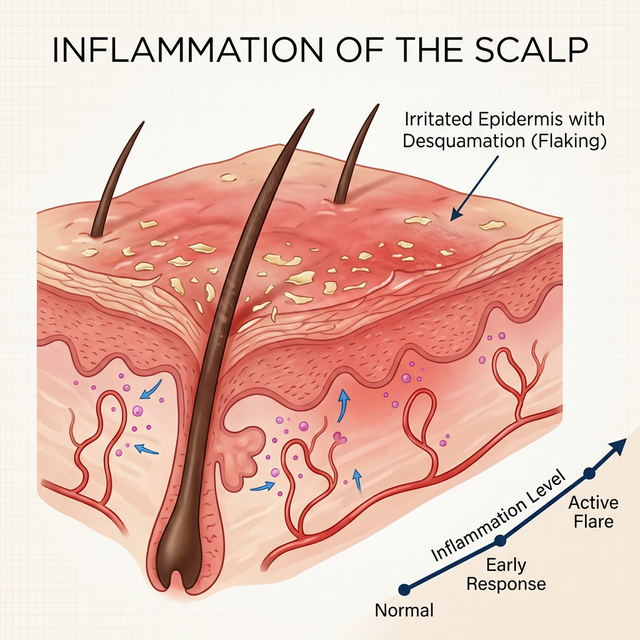
When the delicate balance of the scalp microbiome is disrupted, the body’s immune system reacts with inflammation. This inflammation is what causes the redness and the intense urge to scratch. Unfortunately, scratching further damages the skin barrier, creating a vicious cycle that can eventually lead to hair fall and loss.

Anatomical diagram of scalp inflammation and flaking

Chronic inflammation can also constrict the blood vessels supplying the hair follicles, leading to lower hair density and thickness over time. This is why treating scalp problems isn't just about aesthetics; it's a vital part of protecting your hair's long-term health. Utilizing the benefits of antimicrobial hair oils like tea tree or neem can help in calming this inflammation naturally before it causes permanent damage.

Effective Dandruff Treatment Strategies

Removing dandruff requires a multi-faceted approach that targets the fungus, the oil production, and the inflammation simultaneously.

1. Medicated Shampoos: The First Line of Defense

The most effective dandruff treatment involves using shampoos containing active ingredients like Ketoconazole, Zinc Pyrithione, Selenium Sulfide, or Salicylic Acid. These ingredients work by killing the Malassezia fungus and slowing down the production of dead skin cells. For the best results, leave the lather on your scalp for at least 5 minutes before rinsing to allow the active ingredients to penetrate the skin barrier.

2. Lifestyle and Dietary Adjustments

High levels of stress can exacerbate dandruff by weakening your immune system’s ability to control fungal growth. Furthermore, a diet high in sugar and dairy can sometimes trigger inflammatory flares on the scalp. Ensuring you have adequate levels of Zinc and B-Vitamins—often found in the best hair growth nutrients—can strengthen your scalp's natural defenses against flaking.

3. Managing Oil Production

Since Malassezia fungus feeds on sebum (oils), managing your scalp's oiliness is crucial. Regular washing with a gentle shampoo ensures that excess oil doesn't accumulate. However, avoid over-washing with harsh cleaners, as this can trigger "rebound oiliness," where the scalp produces even more oil to compensate for dryness. This balance is a core part of effective scalp problems solutions.

Natural Remedies for Itchy Scalp Relief

For those who prefer a holistic approach, several natural remedies for hair care have shown promise in managing mild dandruff. Apple cider vinegar (diluted with water) can help restore the scalp's natural pH balance, making it less hospitable to yeast. Aloe Vera is another excellent tool for providing immediate itchy scalp relief due to its cooling and anti-inflammatory properties.

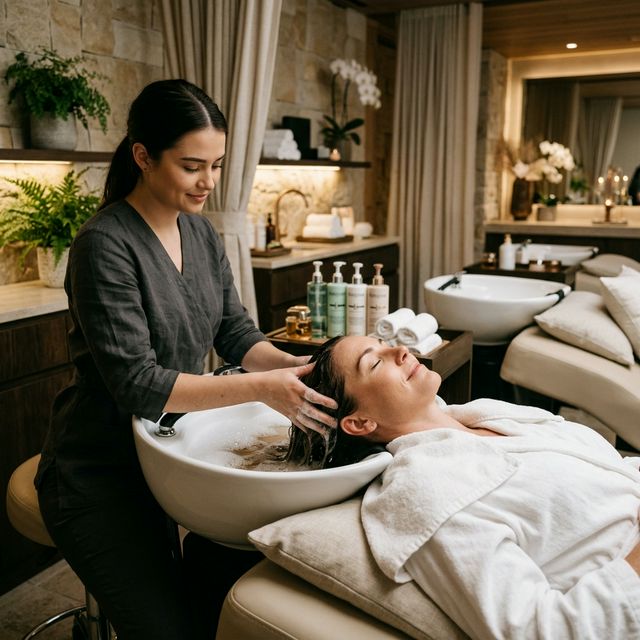
Pairing these natural methods with targeted hair growth tips ensures that while you are treating the scalp, you are also encouraging healthy new hair to grow. If your scalp feels extremely dry after a dandruff treatment, a professional hair spa or deep conditioning session can restore the necessary moisture levels without clogging your pores.

When to Seek Professional Clinical Help

If you have tried over-the-counter medicated shampoos for more than a month and still see significant flaking or redness, it’s time to visit a dermatologist. Sometimes, what looks like dandruff is actually a fungal infection like Tinea Capitis, which requires prescription oral medication.

At DenceSpot, we provide clinical scalp analyses to determine the exact cause of your flaking. For those experiencing hair thinning due to chronic scalp issues, we offer science-backed PRP therapy, which can help in rejuvenating the scalp and strengthening the hair follicles. Our goal is to give you a clear, healthy scalp that supports permanent hair thickness improvement.

Conclusion: Consistency leads to a Clear Scalp

Clearing dandruff is rarely a one-time event; it is a process of managing your scalp's unique environment. By combining the right medicated products with a healthy lifestyle and the occasional natural boost, you can keep flakes at bay and enjoy a comfortable, healthy head of hair. Stay consistent, don't ignore the itch, and your scalp will reward you with thicker, healthier hair.

Get Rid of Flakes for Good

Is dandruff impacting your confidence? Stop the cycle of itching and flaking today. Our specialists at DenceSpot can identify your specific scalp type and recommend a personalized treatment plan that delivers real, lasting results.

Book Your Scalp Analysis Today

Frequently Asked Questions (FAQs)

Is dandruff caused by a dry scalp?

Not necessarily. While dry skin can flake, true dandruff is usually caused by an overgrowth of fungus that feeds on excess oil. This is why people with oily scalps are actually more prone to dandruff than those with dry ones.

Can I "catch" dandruff from someone else?

No, dandruff is not contagious. The fungus that causes it (Malassezia) is already present on everyone's scalp. It only becomes a "problem" in individuals who have a sensitivity or overgrowth of it.

How often should I use a dandruff shampoo?

Initially, most dermatologists recommend using a medicated shampoo 2-3 times per week. Once the dandruff is under control, you can reduce usage to once a week for maintenance.

Does stress actually make dandruff worse?

Yes. Stress can increase oil production and weaken your immune system's control over the scalp's fungal population, leading to a sudden flare-up of flakes and itching.

Can I use oil if I have dandruff?

You should be careful. Some oils like coconut oil can actually feed the dandruff-causing fungus. If you must oil, use antimicrobial ones like tea tree oil or neem oil, and always wash it out thoroughly.