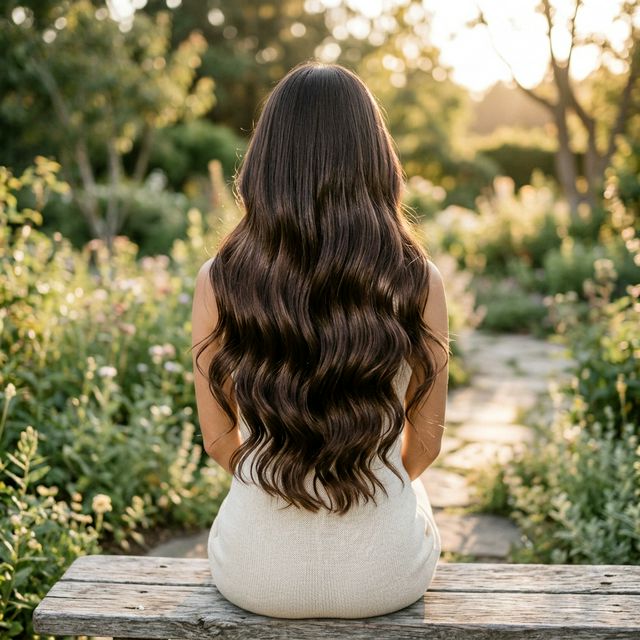
Long hair is not exclusively a women's domain — today, many men aspire to grow long, healthy hair. However, growing long hair as a man can present unique challenges. In this guide, we cover everything from diet and grooming routines to clinical treatments that actually deliver results.
The answer to how to grow long hair for men comes down to patience, proper care, and a scientific approach. Hair thinning and receding hairlines are common concerns among Indian men, making long hair goals even more challenging. At DenceSpot Clinic Gurgaon, we handle such cases on a daily basis. Let us walk you through the process step by step.
Why Is Hair Growth Different for Men?
There is a fundamental difference between male and female hair, and it comes down to DHT (Dihydrotestosterone). This hormone is derived from testosterone and is present in higher levels in men. DHT causes hair follicles to shrink, particularly in the forehead and crown areas. This is the primary reason why receding hairlines are predominantly seen in men.
Additionally, men typically do not invest as much effort in hair care as women do. For most men, hair care is limited to a quick shampoo and rinse. However, if you are serious about growing long hair, you need to establish a proper routine.
Another important factor is that the Anagen (growth) phase in men is slightly shorter compared to women. Women's hair can grow continuously for six to seven years, whereas in men, this phase typically lasts two to four years. This is why patience is absolutely essential.
Step 1: Assess Your Current Hair Health
Before embarking on your long hair journey, it is important to understand the current condition of your hair:
Are you experiencing hair fall? If so, focus on hair fall prevention first. There is no point in trying to grow hair that is actively falling out — stop the shedding first.
Is your scalp healthy? Do you have dandruff, itching, or redness? Get dandruff treatment first. Healthy hair cannot grow on an unhealthy scalp.
Is thinning visible? If your hair is thinning, address hair density improvement before focusing on length.
Step 2: The Perfect Grooming Routine for Men
Washing — How Often Should You Shampoo?
Many men wash their hair daily — this is counterproductive if you are trying to grow long hair. Shampooing two to three times per week is sufficient. Daily washing strips the natural oils that protect and nourish your hair.
Use a sulfate-free shampoo and always follow up with a conditioner — yes, men need conditioner too! Conditioner keeps hair moisturized and prevents breakage.
The "Awkward Phase" — The Most Challenging Period
When hair reaches ear length, there is an awkward phase where it looks neither short nor long. This phase typically lasts three to six months. This is where you need the most patience. Use headbands, caps, or a slicked-back style to manage this stage. Cutting your hair during this phase is the biggest mistake you can make.
Trimming — Yes, Even for Long Hair
Get your split ends trimmed every eight to ten weeks. This may seem counterintuitive, but regular trims keep hair healthy and prevent breakage. If split ends are left untreated, your hair will begin to look rough and unhealthy beyond a certain length.
Step 3: Diet — The Fuel for Your Hair
This is the most important step and the one most often overlooked. Your hair is built from the nutrients you consume.
Protein: Hair is composed of keratin protein. Aim for 1.2 to 1.5 grams of protein per kilogram of body weight daily. Include eggs, chicken breast, paneer, and lentils in your diet.
Iron: Iron deficiency is the number one cause of hair fall among Indian men. Consume spinach, dates, jaggery, and pomegranate regularly.
Zinc: Pumpkin seeds, chickpeas, and dark chocolate are rich in zinc, which supports hair tissue growth and repair.
Omega-3 Fatty Acids: Salmon, walnuts, and flaxseeds help maintain a healthy scalp and reduce inflammation.
For a comprehensive nutrition guide, read our post on vitamins and nutrition for healthy hair, which includes a detailed breakdown of essential nutrients.
Step 4: Supplements That Can Help
If your diet does not provide adequate nutrients (which is common in India), consider the following supplements:
Biotin (5000 mcg daily): Often called the star vitamin for hair growth. Vitamin D3: A deficiency can lead to hair thinning — surprisingly common in India despite abundant sunshine. Iron + Vitamin C: Take these together, as Vitamin C enhances iron absorption. Omega-3 capsules: Recommended if you do not consume fish regularly.
Warning: Always take supplements under medical guidance. Over-supplementation can also be harmful.
Need a Hair Growth Plan for Men?
At DenceSpot Clinic, we create customized treatment plans tailored to men's hair growth goals. From scalp analysis to advanced treatments, everything is available under one roof.
Book Men's Hair ConsultationStep 5: Oil Treatments — Essential for Men Too
The tradition of oil massage is deeply rooted in Indian culture, and it is actually backed by science as well. Here are the best hair growth oils for men:
Rosemary Oil: Studies have shown it to be as effective as Minoxidil for promoting hair growth. Mix two to three drops with a carrier oil and massage into the scalp.
Castor Oil: While thick in consistency, the ricinoleic acid it contains stimulates hair follicles. Mix it with coconut oil in a 1:2 ratio for easier application.
Peppermint Oil: Enhances scalp circulation and provides a refreshing sensation. Mix two to three drops with coconut oil before applying.
Perform an oil massage two to three times per week — apply at night and wash it out in the morning. Consistency is key; a single application will not yield noticeable results.
Step 6: Clinical Treatments — When Home Care Is Not Enough
Many men try everything at home but fail to see results. This is when professional treatments can be a game-changer:
PRP Therapy for Men
PRP treatment in Gurgaon is especially effective for men. This procedure delivers growth factors from your own blood directly into the scalp, stimulating new hair growth in thinning areas. Typically, four to six sessions are recommended. Read our complete guide to PRP therapy for more details.
Microneedling with Growth Factors
Microneedling for hair growth is a proven technique in which tiny needles create controlled micro-injuries on the scalp. This triggers collagen production, improves blood flow, and releases growth factors. When combined with PRP, the results are significantly amplified.
LED Light Therapy
LED therapy is painless and can even be completed during a lunch break. Specific wavelengths of light energize the hair follicles. It works best as a maintenance treatment.
Hair Transplant — A Permanent Solution for Receding Hairline
If your hairline has receded significantly or the crown area has become noticeably thin, a hair transplant in Gurgaon offers a permanent solution. Modern FUE techniques deliver natural-looking results. You can view real male transformations in our results gallery.
Step 7: When to See a Doctor — Warning Signs
Consult a trichologist immediately if you notice any of the following signs:
Sudden hair fall — if you experience an abrupt increase in hair shedding. Visible scalp — if the scalp becomes visible in areas where it was not previously. Receding hairline — if your hairline is progressively moving backward. Patchy bald spots — this could indicate alopecia areata. Family history — if your father or maternal grandfather experienced baldness.
The sooner treatment begins, the better the results. Starting treatment between the ages of 25 and 30 is significantly more effective than waiting until 40.
Realistic Timeline for Men Growing Long Hair
Month 1-3: Hair health begins to improve, with less breakage and better texture. Month 3-6: The awkward phase — ears are covered and hair starts to look longer. Month 6-12: Chin to shoulder length — the hair now begins to look intentionally styled. Month 12-18: Shoulder length — a proper long hair look becomes achievable. Month 18-24: Past the shoulders — full long hair goals are achieved.
Stay patient, follow the routine, and enjoy the journey. Long hair looks excellent on men when it is well-maintained.
Consult a Men's Hair Growth Expert
DenceSpot Clinic Gurgaon offers specialized treatments for male hair growth. Scalp analysis, blood tests, and a customized treatment plan — all in a single visit.
Book Your Appointment NowFrequently Asked Questions
How long does it take for men to grow long hair?
The average male hair growth rate is 0.5 inches per month. It typically takes approximately 18 to 24 months to achieve shoulder-length hair, depending on your starting length and overall hair health.
Why is it harder for men to grow long hair?
Men have higher levels of the DHT hormone, which causes hair follicles to shrink over time. Additionally, men typically follow less rigorous hair care routines, which can lead to increased breakage.
What should men eat for faster hair growth?
Include protein-rich foods such as eggs, chicken, and fish in your diet. Also ensure you are consuming iron (spinach), zinc (pumpkin seeds), biotin (nuts), and omega-3 fatty acids (salmon, walnuts) as part of your daily nutrition.
Can men use hair oils for faster growth?
Absolutely. Coconut oil, castor oil, and rosemary oil are equally effective for men. Apply an oil massage two to three times per week for the best results.
When should men see a doctor about hair growth?
If you notice a receding hairline, unusual hair thinning, or have a family history of baldness, it is important to consult a trichologist as soon as possible. Early treatment yields significantly better results.
Does working out help men grow hair faster?
Yes, regular exercise improves blood circulation, which helps deliver nutrients to the scalp. However, excessive weightlifting can cause testosterone spikes that may increase DHT levels, so maintaining a balanced routine is essential.