FUT Hair Transplant in Gurgaon for Advanced Loss and Limited Donor
FUT removes a strip of skin from the back of the scalp, which is dissected under microscopes into individual grafts. It leaves a linear scar, and it is unfashionable for that reason. It also still produces the highest graft yield per session of any technique, which is why it remains the right answer for a specific group of patients.
- Highest graft yield from a single session
- Donor hair above and below the strip preserved
- Leaves one linear scar — explained before you decide
- Gurugram · Mon–Sat · 10:00 – 20:00
Performed & reviewed by
Dr. Nyra
MBBS, MD (Dermatology) · Owner & Chief Consultant, DenceSpot Clinic
Highest yield per session
Where large coverage in one day is the priority.
Microscopic dissection
Grafts separated under magnification, not by eye.
Donor preserved above and below
FUE territory left intact for future sessions.
Scar discussed before you decide
Width, position and what it needs to stay hidden.
Selected cases only
Not offered where FUE would serve you better.
The basics, plainly
What Is an FUT Hair Transplant?
FUT stands for follicular unit transplantation, and it is usually called the strip technique. A narrow band of hair-bearing skin is taken from the back of the scalp — the area where hair is most resistant to pattern loss — and the edges are closed with sutures or staples, leaving a single line.
That strip is then handed to a team who dissect it under microscopes into individual follicular units. Because every unit in the strip is accounted for and nothing is left behind in the scalp, the yield from a given area of donor skin is high, and transection rates in experienced hands are low. Those grafts are placed into recipient sites exactly as they are in FUE.
The unavoidable trade-off is the scar. It is a line, not dots, and while modern closure techniques keep it narrow — trichophytic closure encourages hair to grow through the scar rather than beside it — it is permanent. It sits low at the back where surrounding hair covers it, but it needs a certain hair length above it to stay hidden. If you shave your head to the skin, FUT is the wrong operation for you.
The reason FUT has not disappeared is arithmetic. FUE harvests across a wide donor area and thins it slightly everywhere; FUT takes from one band and leaves the surrounding donor untouched. For a patient facing advanced loss who will likely need more surgery later, a strip first and FUE afterwards can yield more total grafts across a lifetime than FUE alone.
In one line
FUT trades a visible line for graft yield and donor preservation. Whether that trade is right for you depends on how you wear your hair and how much loss is still ahead.
Suitability
Who FUT Suits — and Who It Does Not
FUT is offered here for selected cases rather than as a default. These are the situations where it is genuinely the better operation, and the situations where it is not.
Advanced loss needing volume
Where a large area needs covering and total graft yield in one session is the deciding factor rather than donor appearance.
Limited donor for FUE
Where donor density will not support wide FUE harvesting without visible thinning, a strip can yield more without spreading the loss.
You keep your hair long
If the hair at the back of your head is worn long enough to cover a line, the scar is a non-issue in daily life.
Planning for more than one session
Taking a strip first preserves the surrounding donor for FUE later — the reverse order does not work as well.
Not for shaved heads
If you shave to the skin or expect to, a linear scar will show. FUE is the right technique for you, and we will say so.
Not for poor healers
Keloid or hypertrophic scarring history, very tight scalp laxity or conditions affecting wound healing all count against a strip.
The part most pages skip
The Scar, Honestly
You cannot make an informed choice about FUT without a straight account of the one thing it leaves behind. Nothing below is softened.
Why here
Why Have FUT Done Here?
Offered, not pushed
FUT is recommended only where it genuinely beats FUE for your donor and your goals. If FUE serves you better, that is what you are offered — even though a strip is quicker for us.
Laxity measured before planning
Scalp laxity and strip width are assessed together, because closure tension is the main thing you can control that affects how the scar heals.
Microscopic dissection
Grafts are separated under magnification rather than by eye, which is what keeps transection low and yield high in a strip case.
Trichophytic closure
The wound edge is prepared so hair grows through the line rather than stopping at it, giving the scar the best chance of disappearing into the surrounding hair.
Lifetime donor planning
The strip is placed with future sessions in mind, so FUE territory above and below stays usable as the loss progresses.
Donor reviewed too
Follow-up photographs cover the donor line as well as the recipient area, so scar healing is tracked rather than assumed.
Start to finish
Your FUT Journey
Seven stages, in the order you will experience them.
Consultation
History, medication review, how you wear your hair and how you expect to.
Donor & laxity exam
Density, calibre and scalp laxity measured; the scar conversation happens here.
Technique decision
An explicit comparison of what FUT and FUE would each give you.
Written plan
Strip dimensions, expected yield, timeline, cost and scar expectations.
Procedure day
Strip harvest, closure, microscopic dissection and placement.
Suture removal
Wound review and suture or staple removal at around ten to fourteen days.
Reviews to 12 months
Growth and donor-line healing both tracked photographically.
On the day
How an FUT Procedure Works
A day case under local anaesthetic. The dissection stage runs in parallel while placement begins.
Design and consent
Hairline drawn and agreed while you sit upright, and the donor strip position and expected scar marked and shown to you before anything begins.
Strip harvest
The donor area is anaesthetised and a narrow band of hair-bearing skin is removed from the back of the scalp, sized to your laxity and the graft number planned.
Closure
The edges are closed with sutures or staples, using trichophytic technique so hair can grow up through the line. Tension is kept as low as the plan allows.
Microscopic dissection
The strip is divided under microscopes into individual follicular units, sorted by hair count and held in solution. This runs while the recipient area is prepared.
Sites and placement
Recipient sites are made at the angle and direction of the surrounding hair, and grafts are placed — single-hair units at the front, multi-hair units behind for density.
Aftercare and discharge
Donor dressed, medication and written aftercare issued, activity restrictions explained in detail, and the suture-removal appointment booked before you leave.
Specific to a strip
- Sleeping position matters — you will be told exactly how.
- No heavy lifting or gym for longer than after FUE.
- Avoid stretching the neck backwards while healing.
- Return at 10–14 days for suture or staple removal.
- Numbness behind the line for some weeks is common.
Recovery & results
What Happens After FUT
Recipient-area growth follows the same course as FUE. The donor is where FUT recovery genuinely differs, so it is described separately here.
The donor line
Tightness, soreness and often numbness behind the closure. Sutures or staples come out at around ten to fourteen days. Activity restrictions are stricter than after FUE and they matter for scar width.
Shedding
Transplanted hairs commonly fall while follicles stay in place. The donor line is healing but still pink and at its most conspicuous.
Line settles, growth starts
The scar fades from pink towards skin tone and hair begins growing through it. New transplanted hairs start appearing, unevenly at first.
Density builds
Coverage thickens and hair coarsens. Numbness behind the donor line usually resolves through this period, though it can take longer.
Final assessment
A fair judgement of both the result and the scar. This is when a decision about camouflage, if any is wanted, is properly made.
Individual recovery, scar width and growth vary. Scalp laxity, closure tension, healing biology and adherence to activity restrictions all affect how the donor line settles. Timelines here are general patient education and not a promise of results; no clinic can guarantee scar width or a specific density.

Who performs and reviews this treatment
Dr. Nyra, MBBS, MD (Dermatology)
Owner & Chief Consultant, DenceSpot Clinic
Qualified MBBS from Dr. D. Y. Patil Medical College, and holds an MD in Dermatology. Three years of clinical work in Germany followed — two at Bio Hair Clinic and one at St. Georg Klinikum Eisenach — before establishing DenceSpot in Gurugram.
Why FUT is still on the menu here: FUE is easier to sell, because “no scar” is a simpler promise than a conversation about donor arithmetic. But a patient with advanced loss and a modest donor can be worse served by wide FUE harvesting than by a single strip that leaves the surrounding donor intact. The right question is not which technique sounds more modern — it is which one leaves you with more usable hair in fifteen years.
Qualification
MBBS, MD (Dermatology)
Training
3 years, Germany
Specialization
Dermatology
Cost guidance
FUT Hair Transplant Cost in Gurgaon
FUT is often priced below FUE per graft, because harvesting a strip takes less surgeon time than extracting units one at a time. That difference should never be the reason you choose it — a technique picked on price rather than on your donor is a false economy with permanent consequences.
Number of grafts
Yield from the strip, counted after dissection
Strip dimensions
Set by your laxity and the graft number planned
Dissection time
Microscopic separation is labour-intensive
Hair-loss stage
How much area needs coverage
Closure technique
Trichophytic closure adds time at the donor
Supporting treatment
Medical therapy or PRP running alongside
The honest comparison is not FUT against FUE on price today. It is what each leaves you with over a lifetime of continuing hair loss — total grafts available, donor appearance, and what a second or third session will still be able to draw on. We will go through that arithmetic with you rather than quoting a rate.
Working through the numbers first? See our full breakdown of hair transplant cost in Gurgaon.
Get a Personalized Treatment Estimate
Send photos of the front, crown and donor area on WhatsApp, or request a call back. You will get an assessment appointment — not a sales pitch.
Send photos on WhatsApp Request an estimate by formYour details are used only to arrange your consultation.
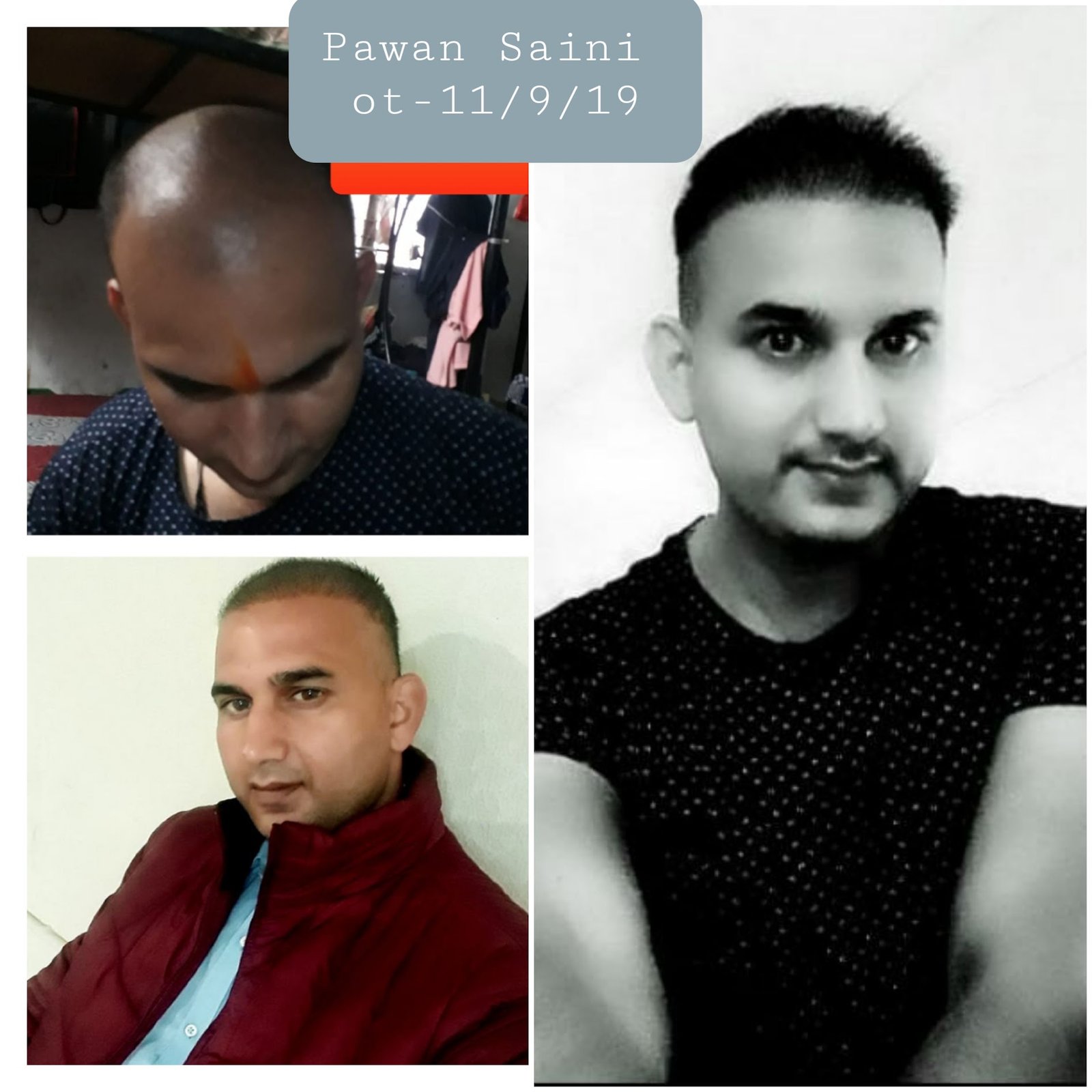
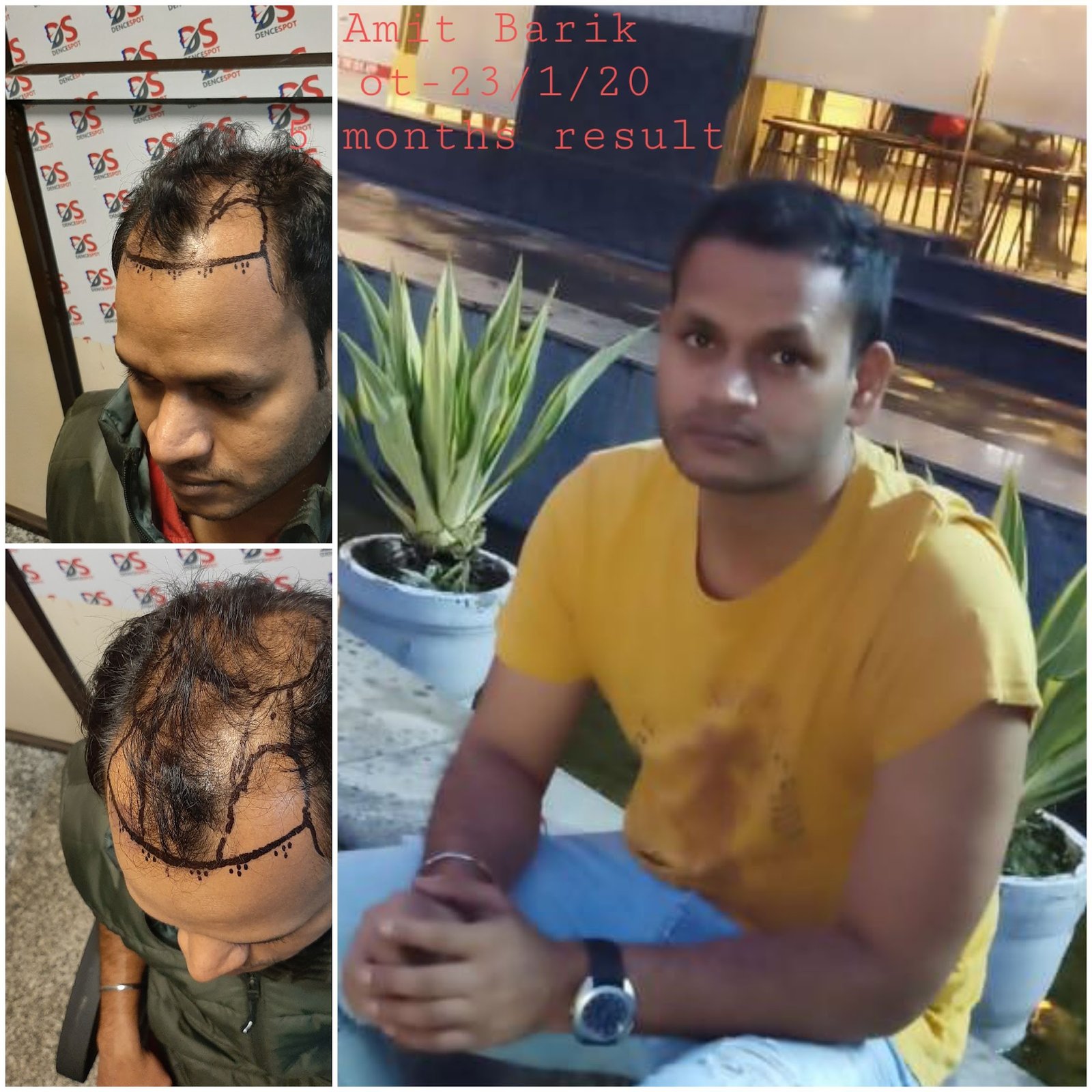
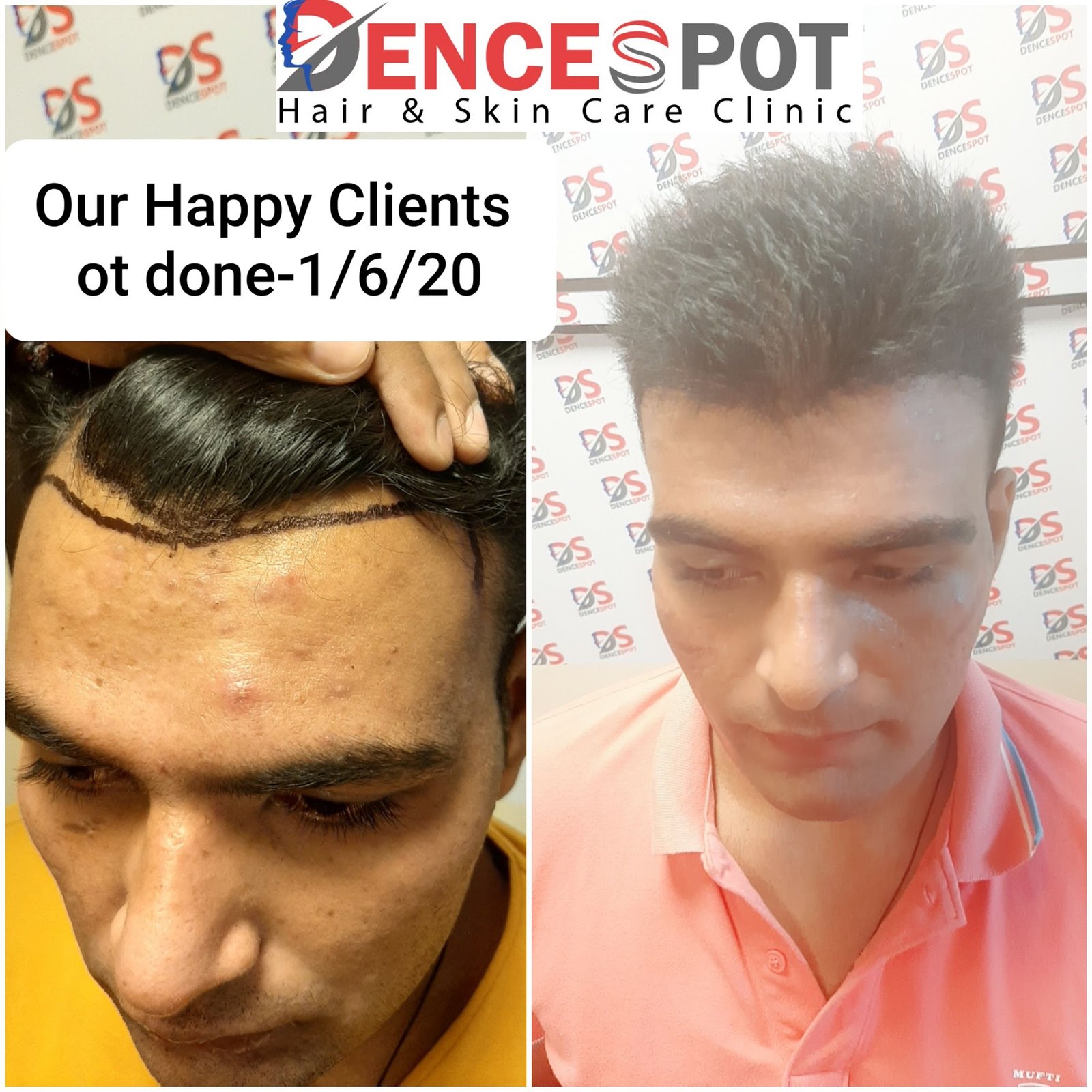
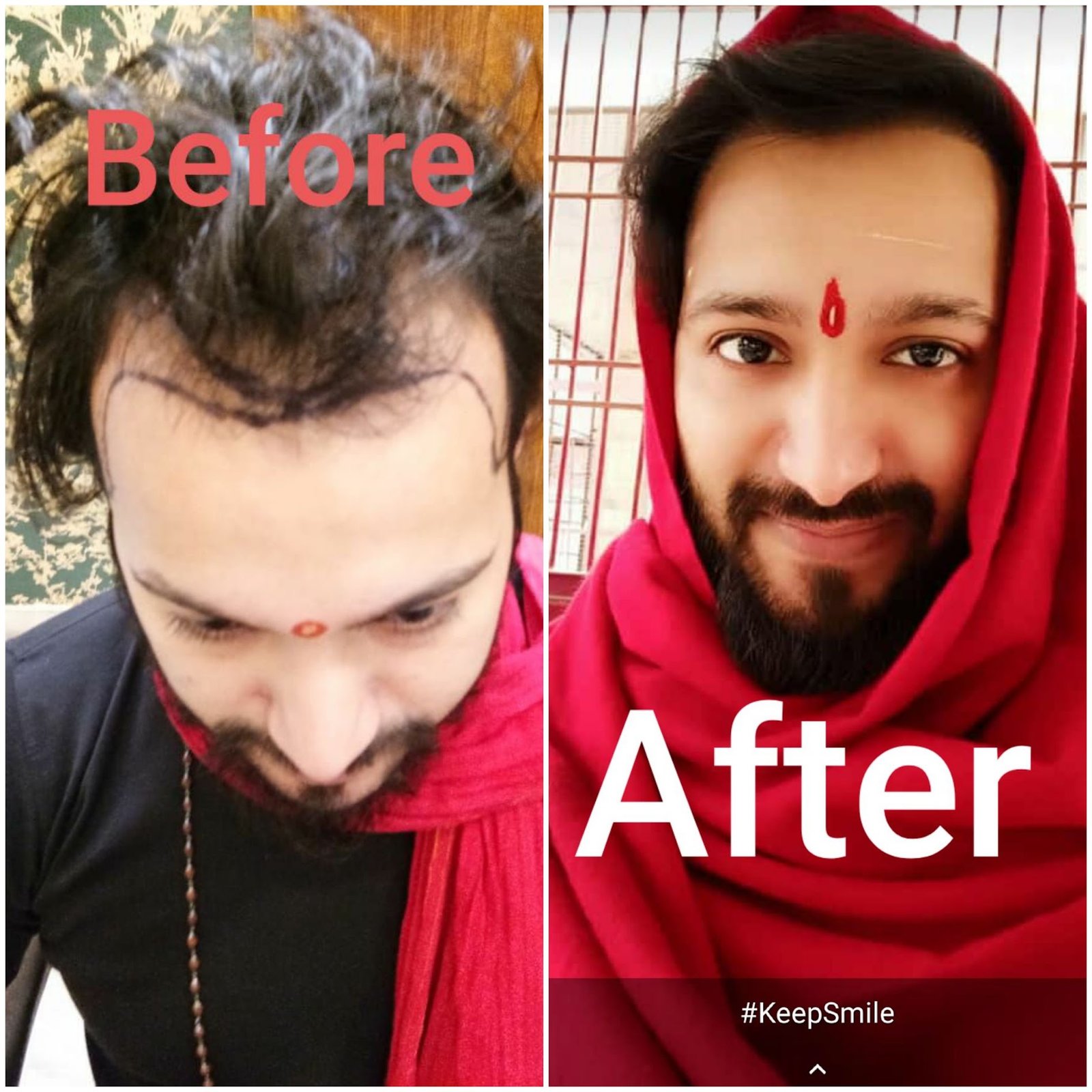
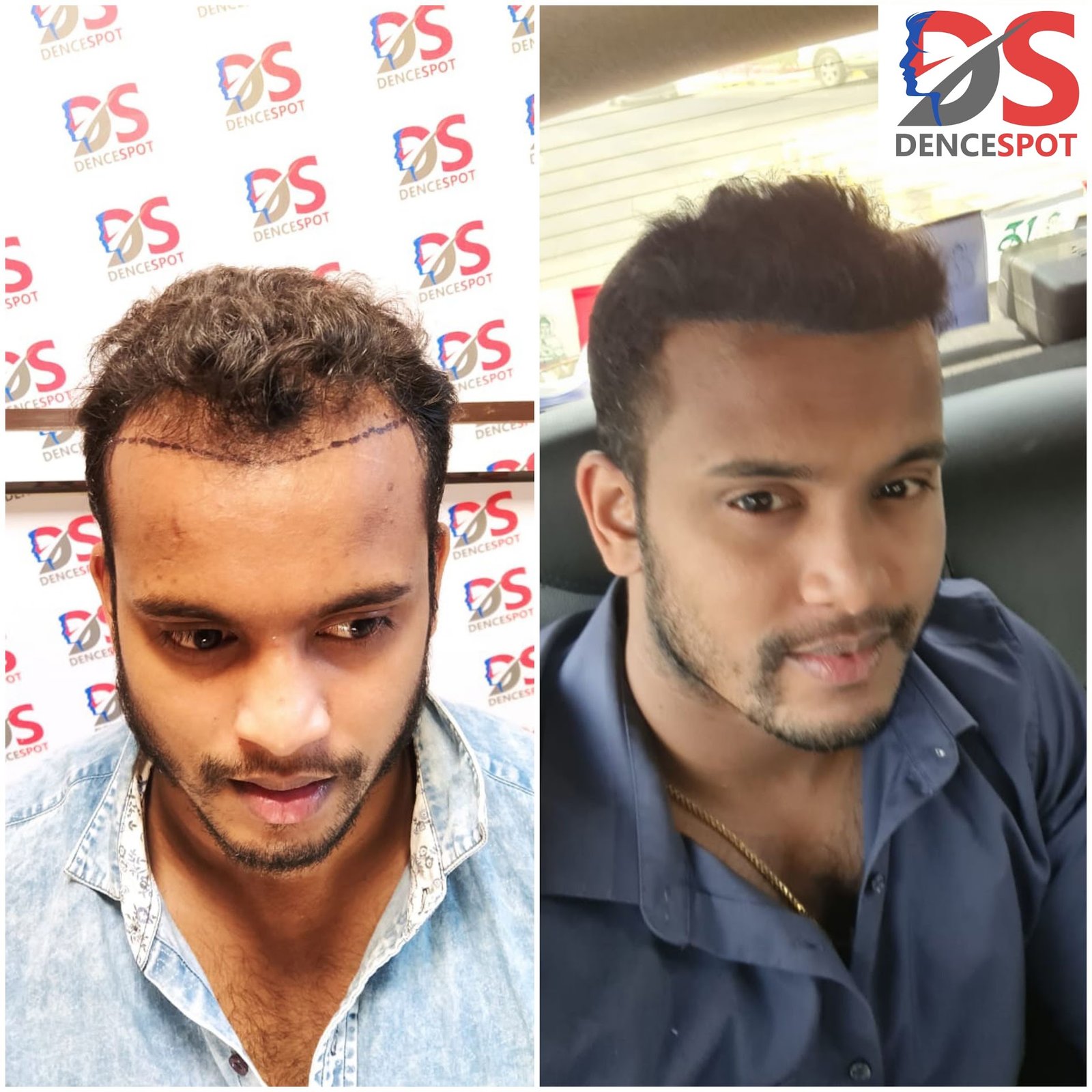
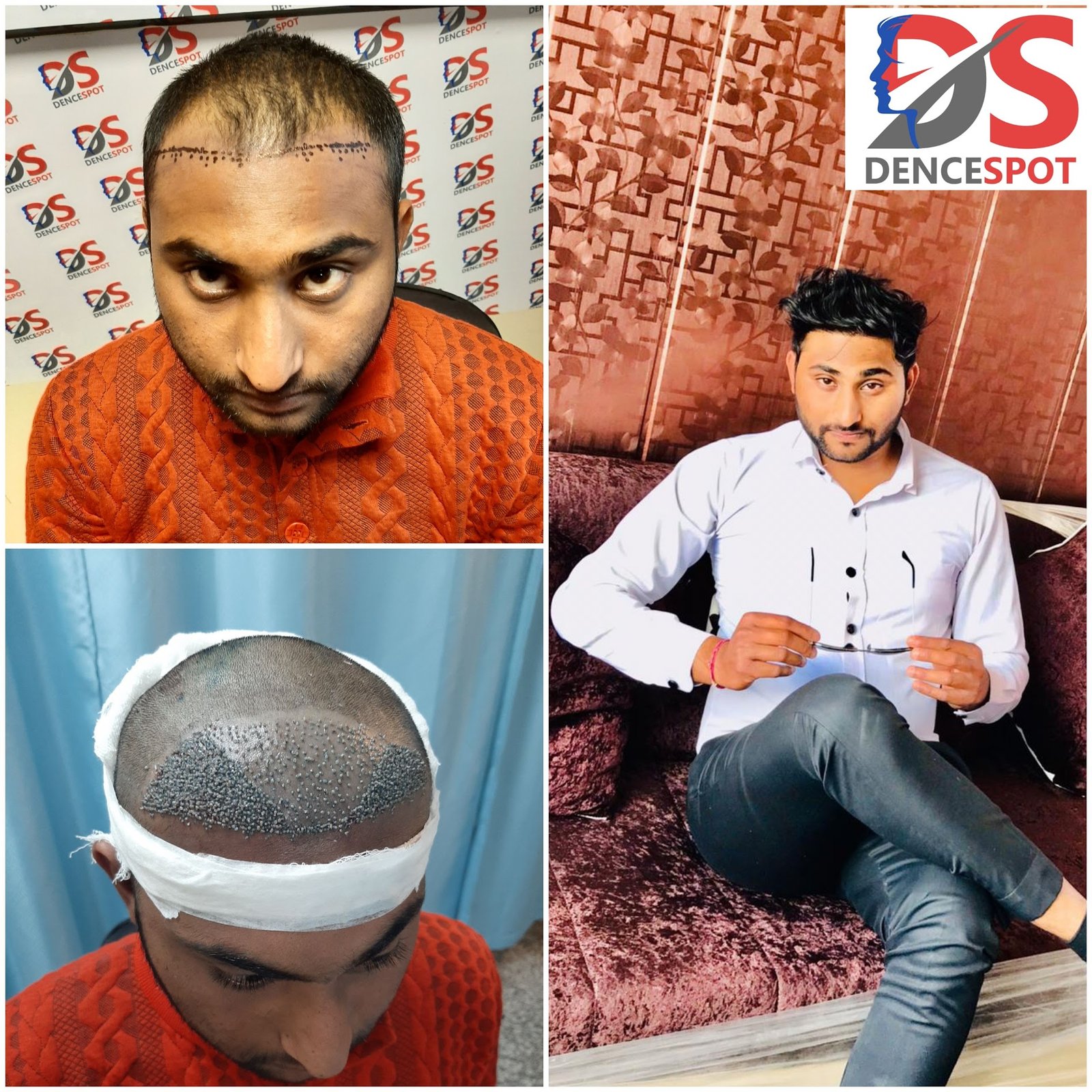
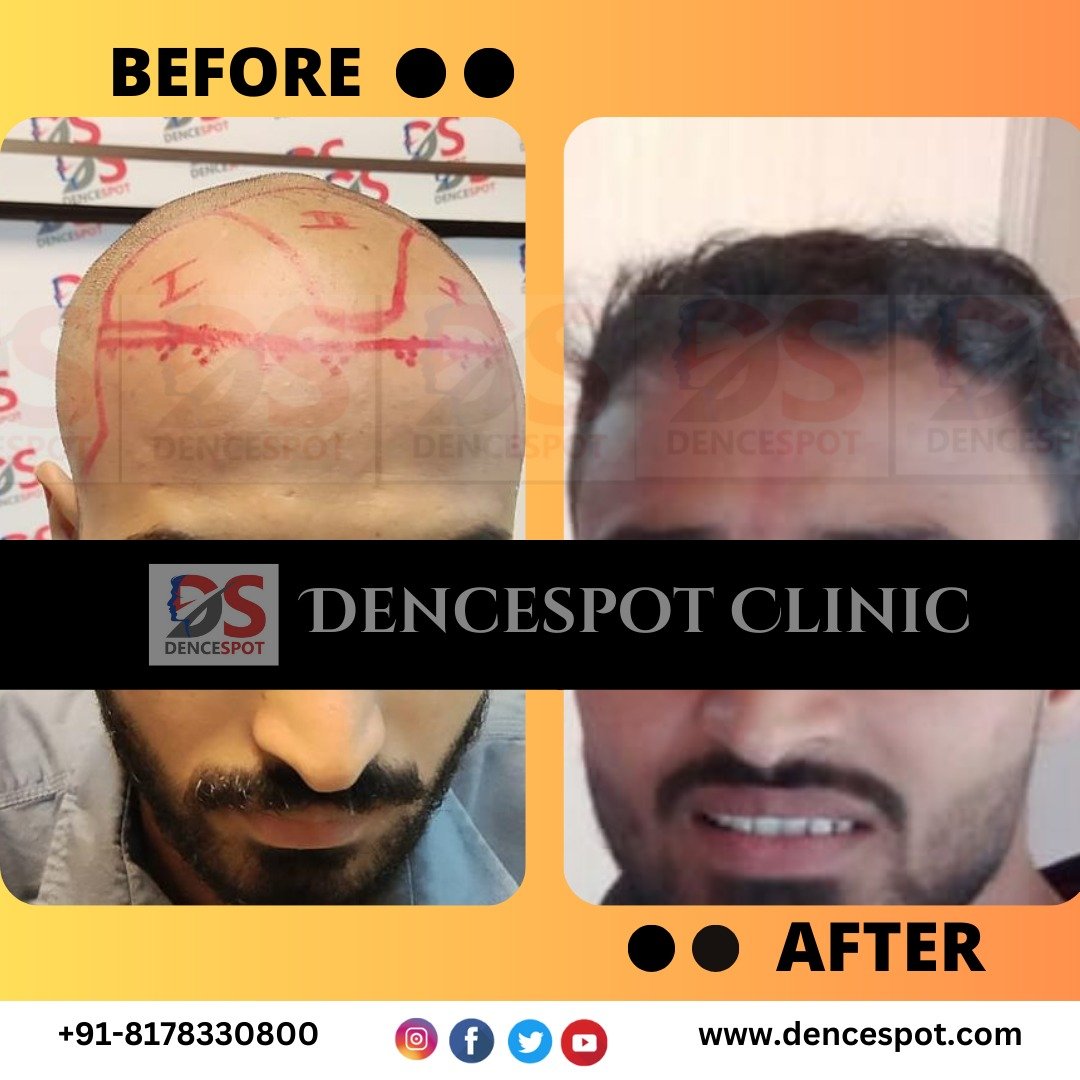
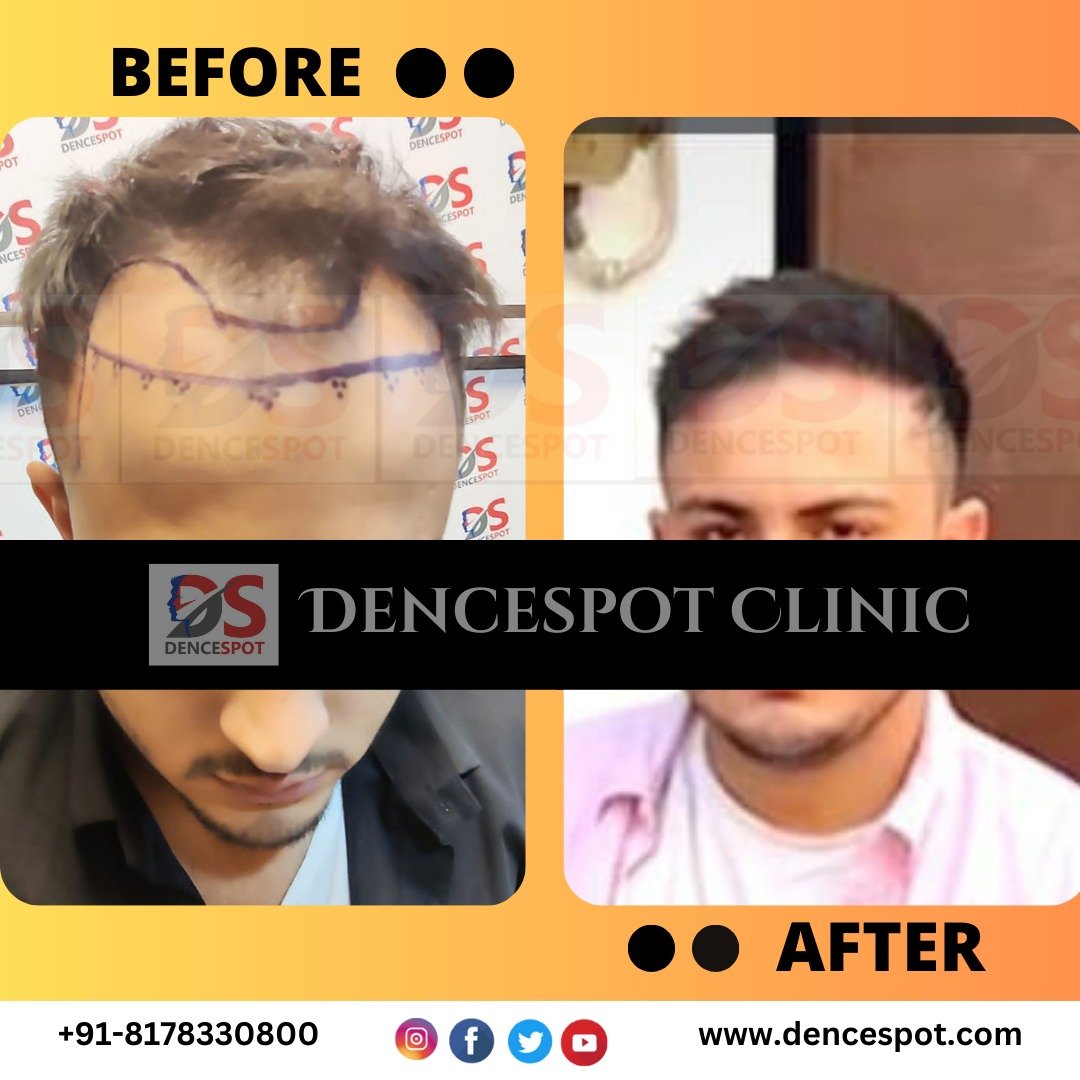
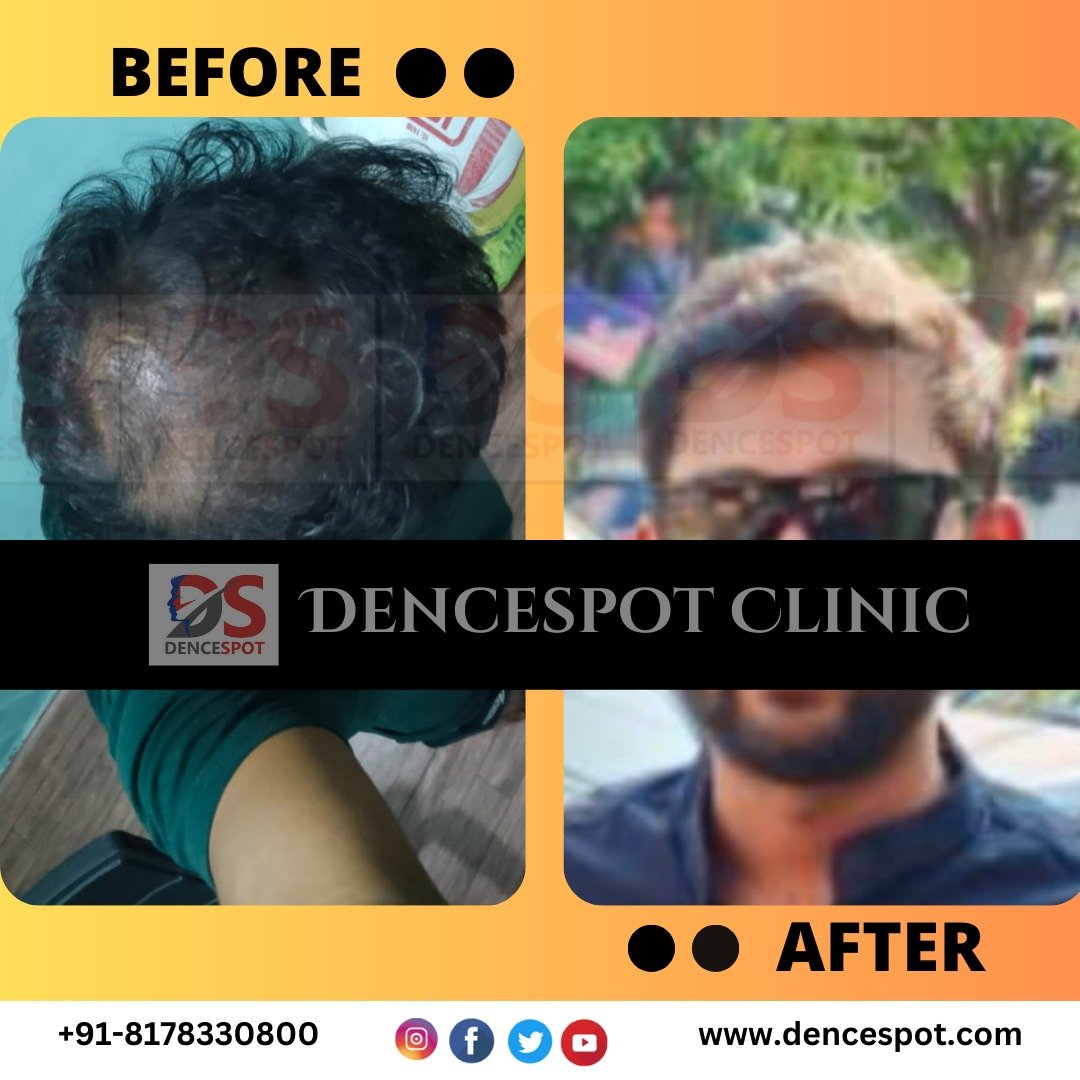
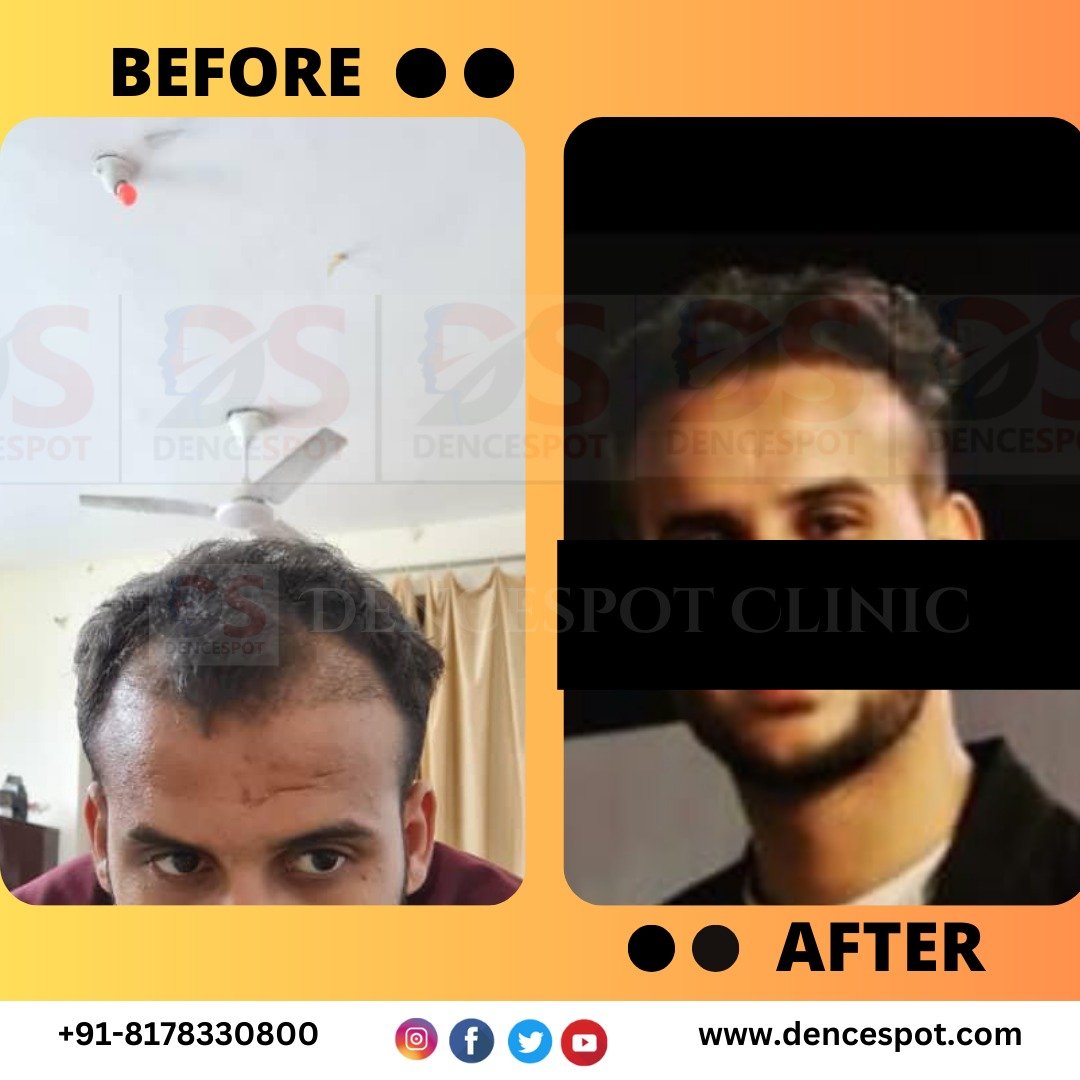
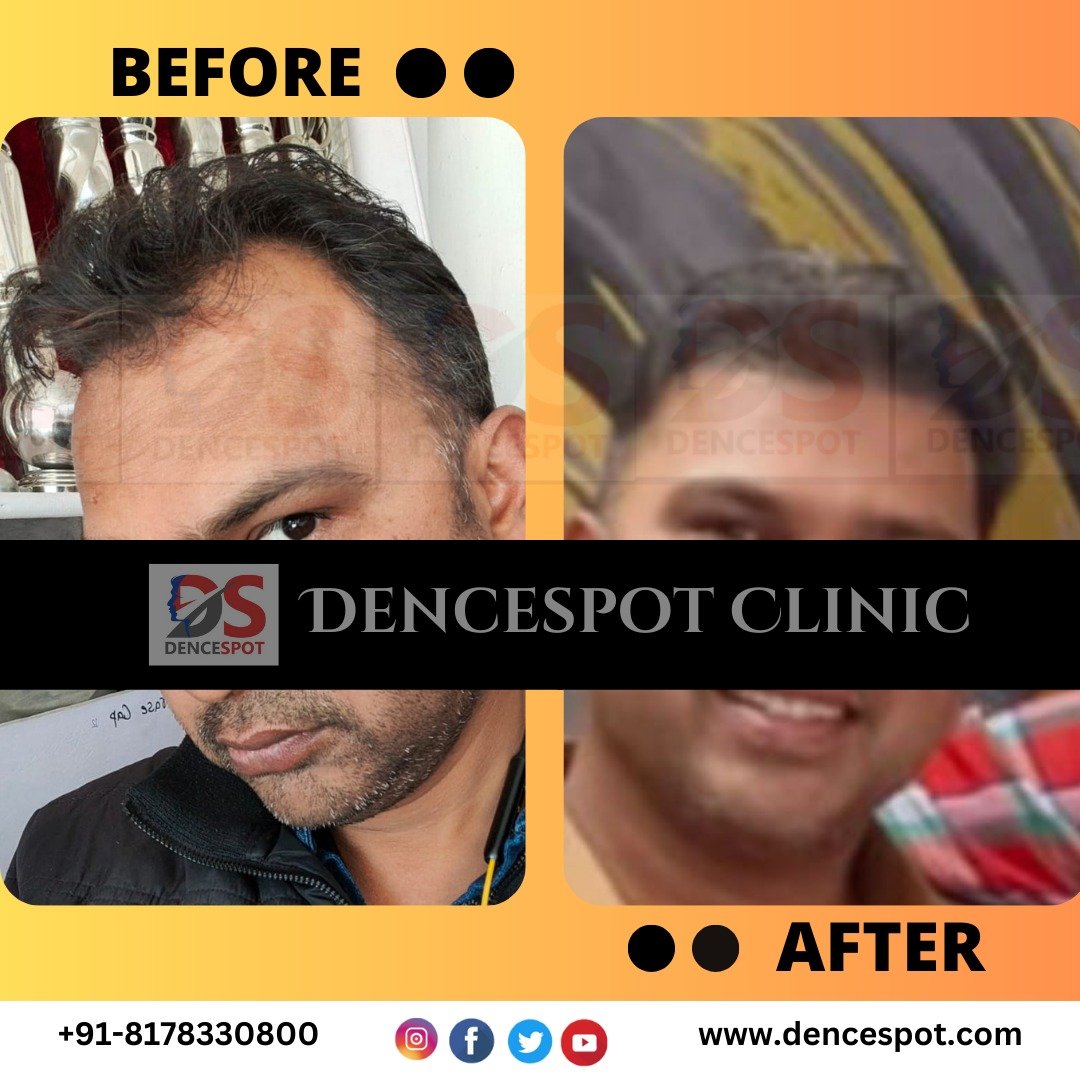
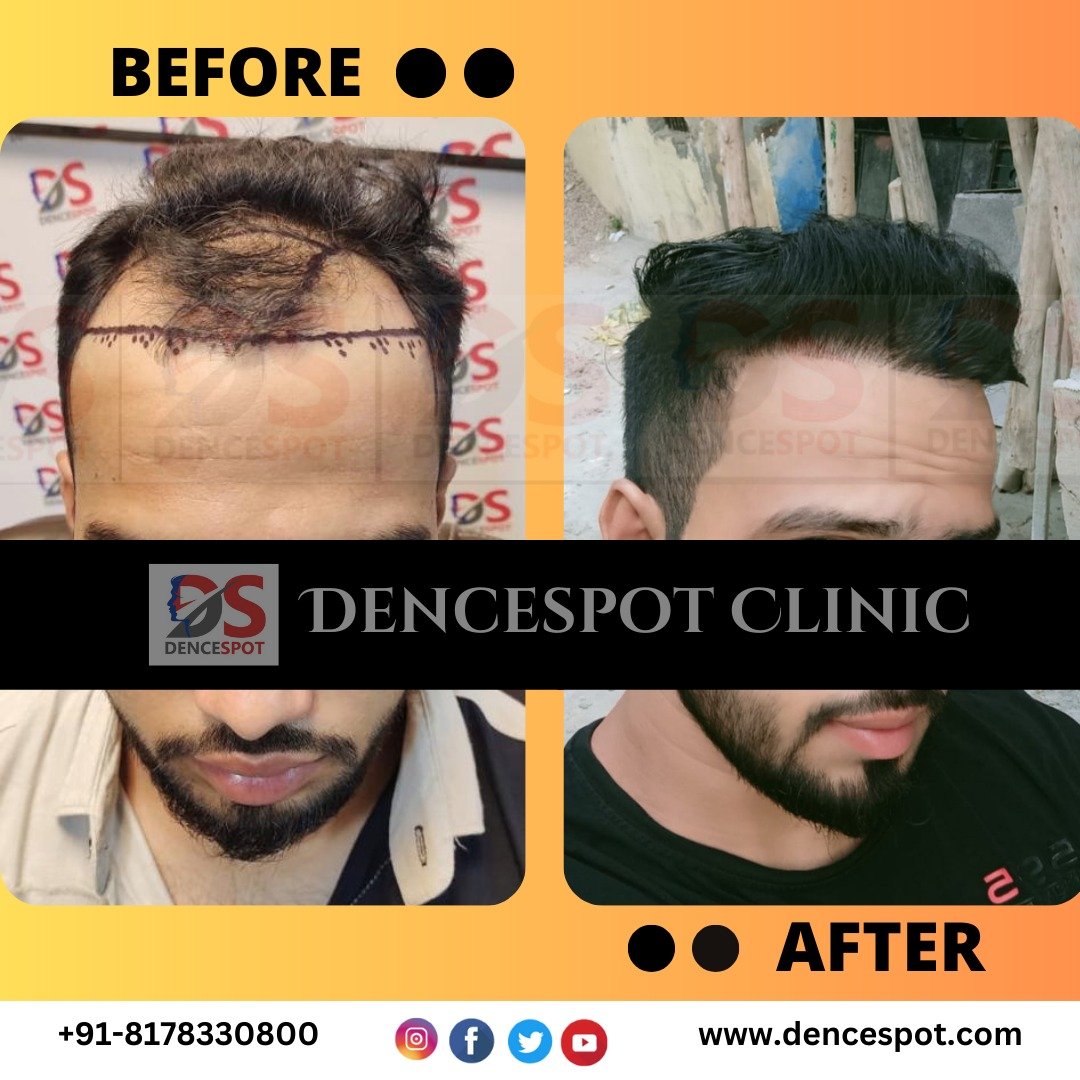
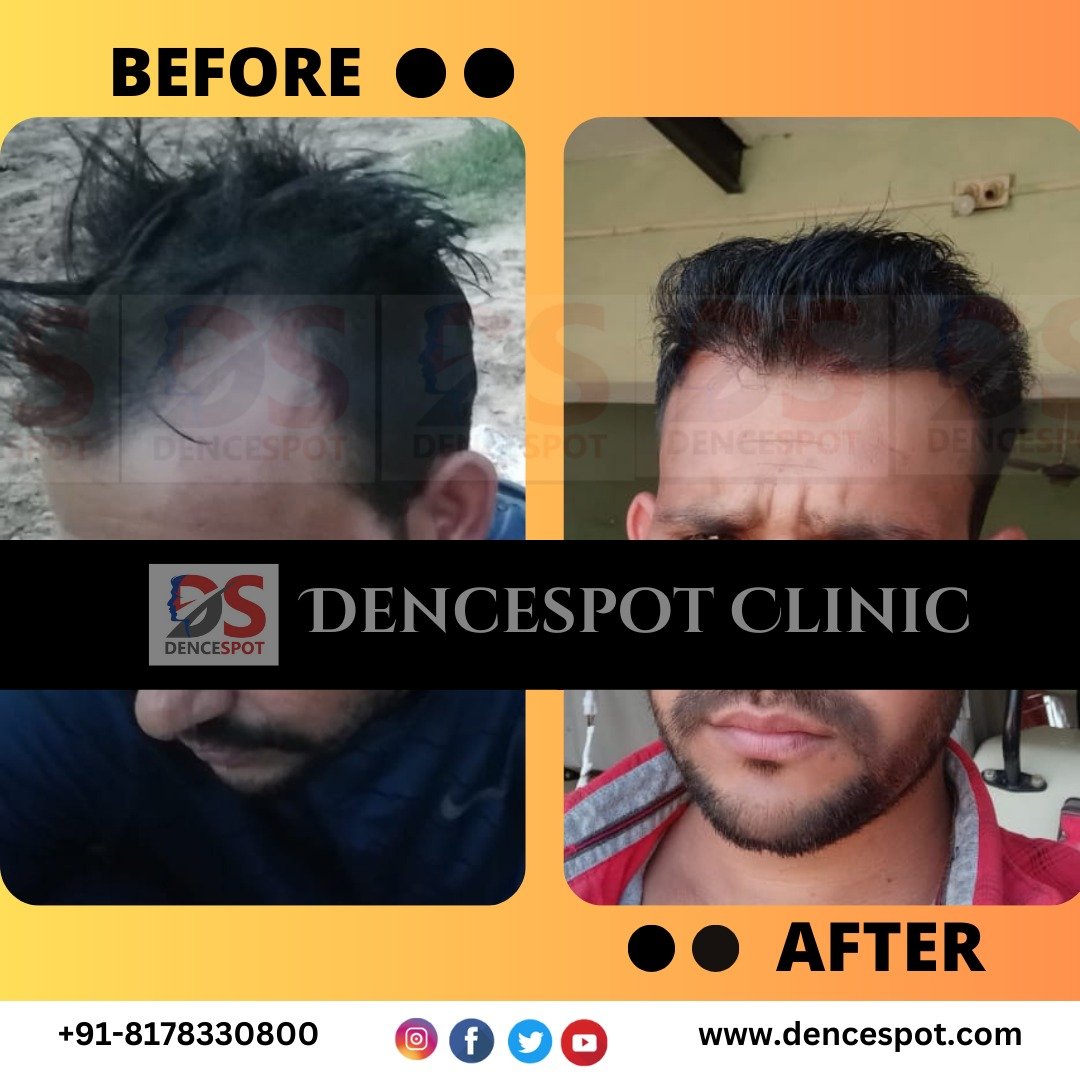
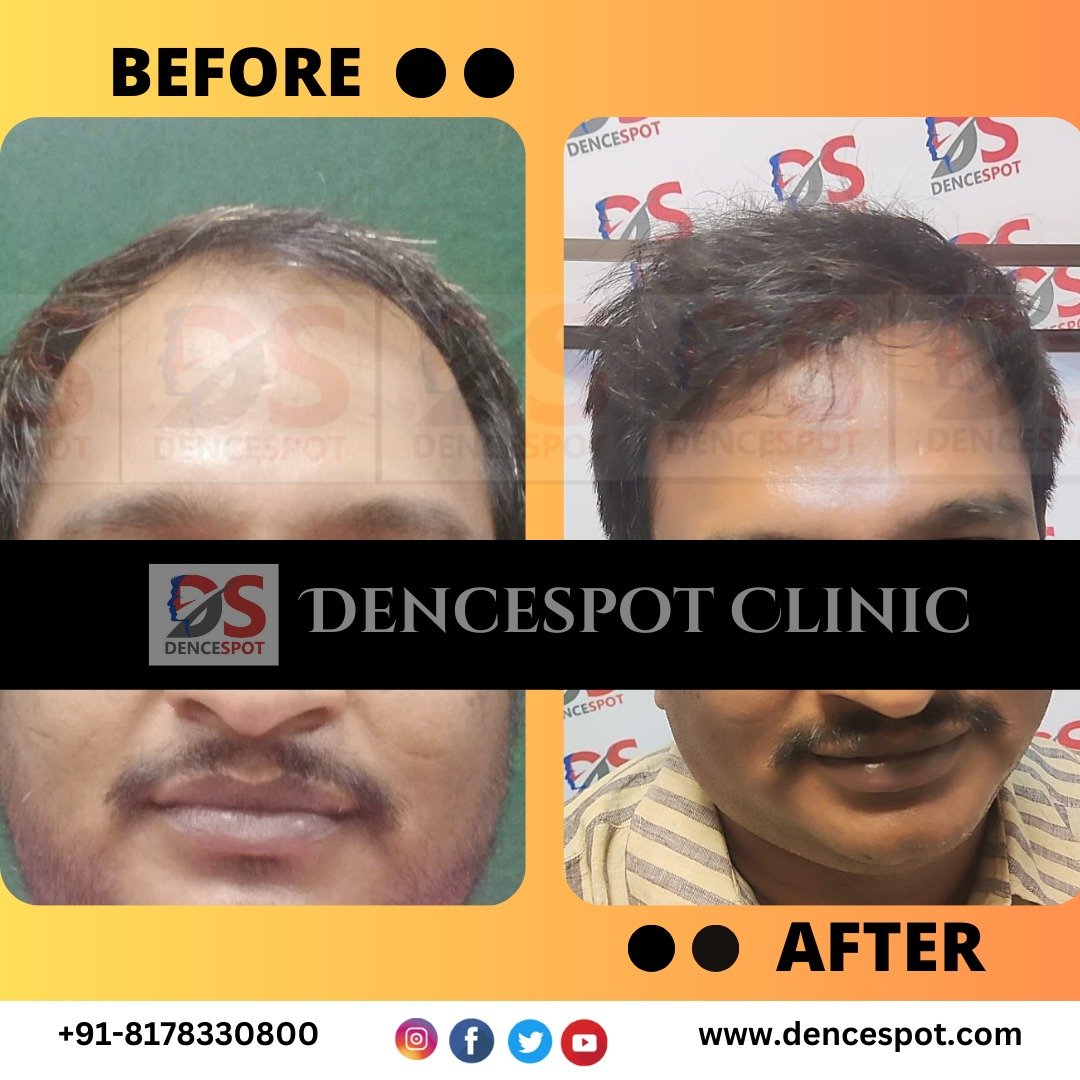
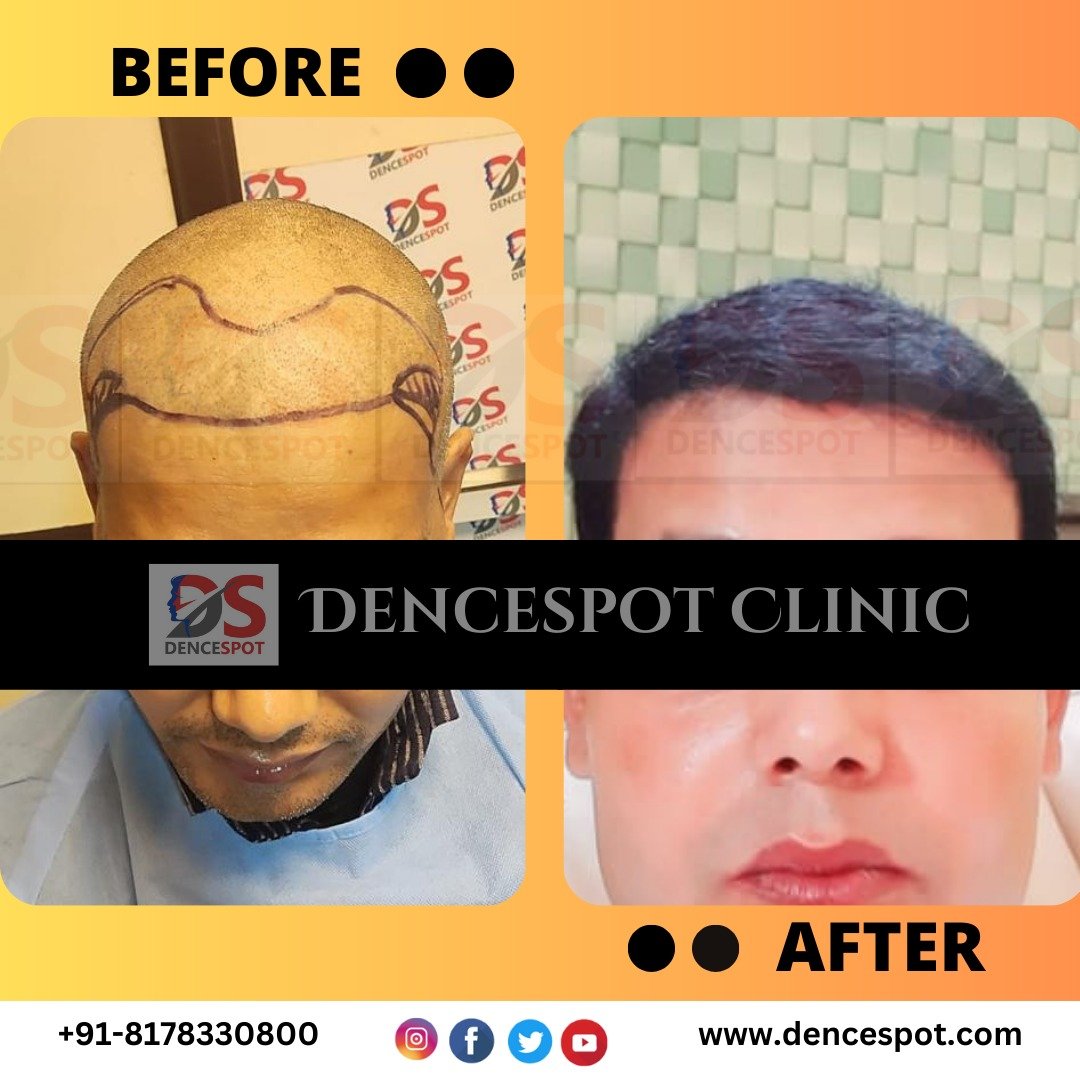
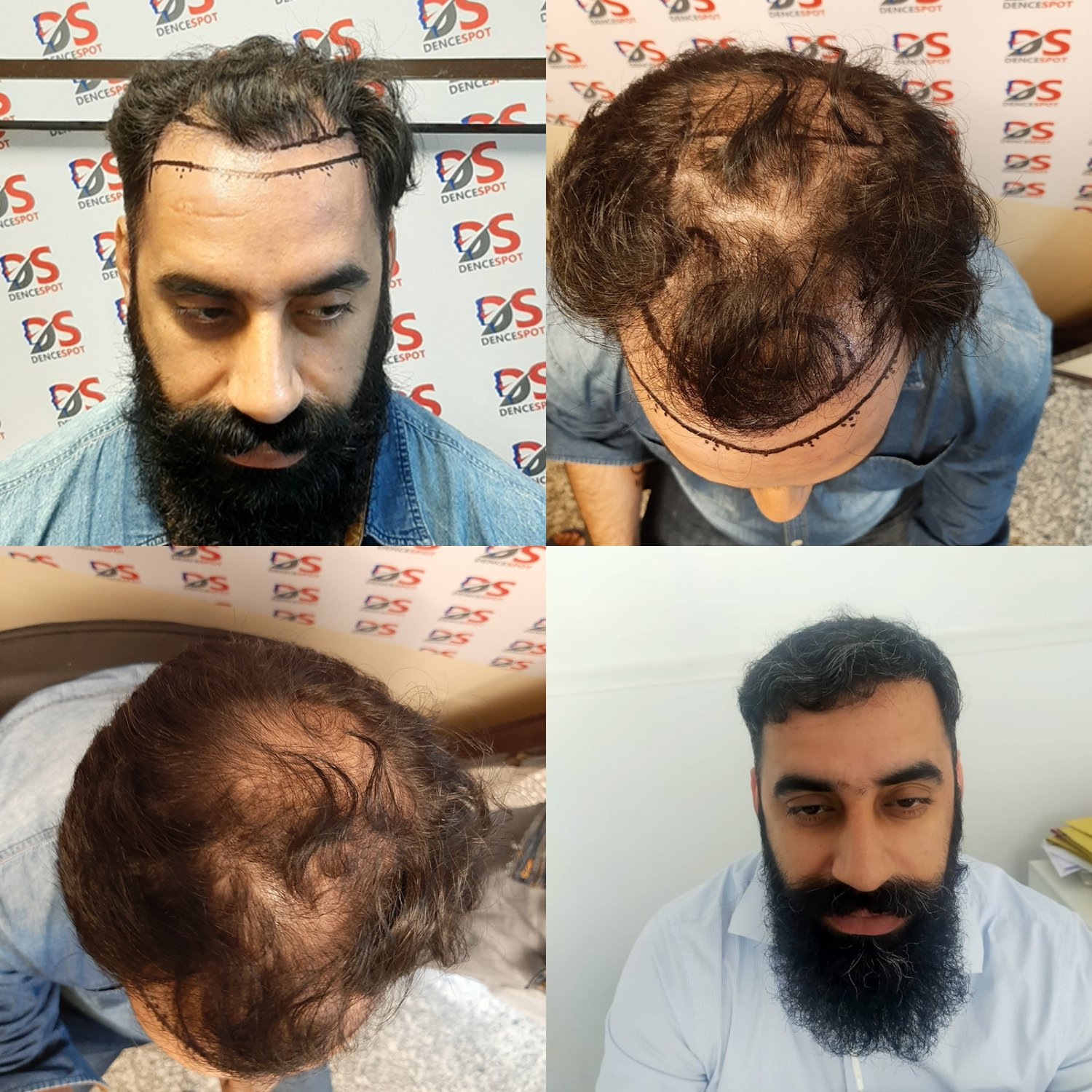
Before & After Hair Transplant Cases in Gurgaon
Consented photographs, with the hair never digitally altered, from patients treated personally by Dr. Nyra at DenceSpot Clinic, Sector 39 Gurugram. Results vary between patients, and hair restoration is judged at ten to twelve months.
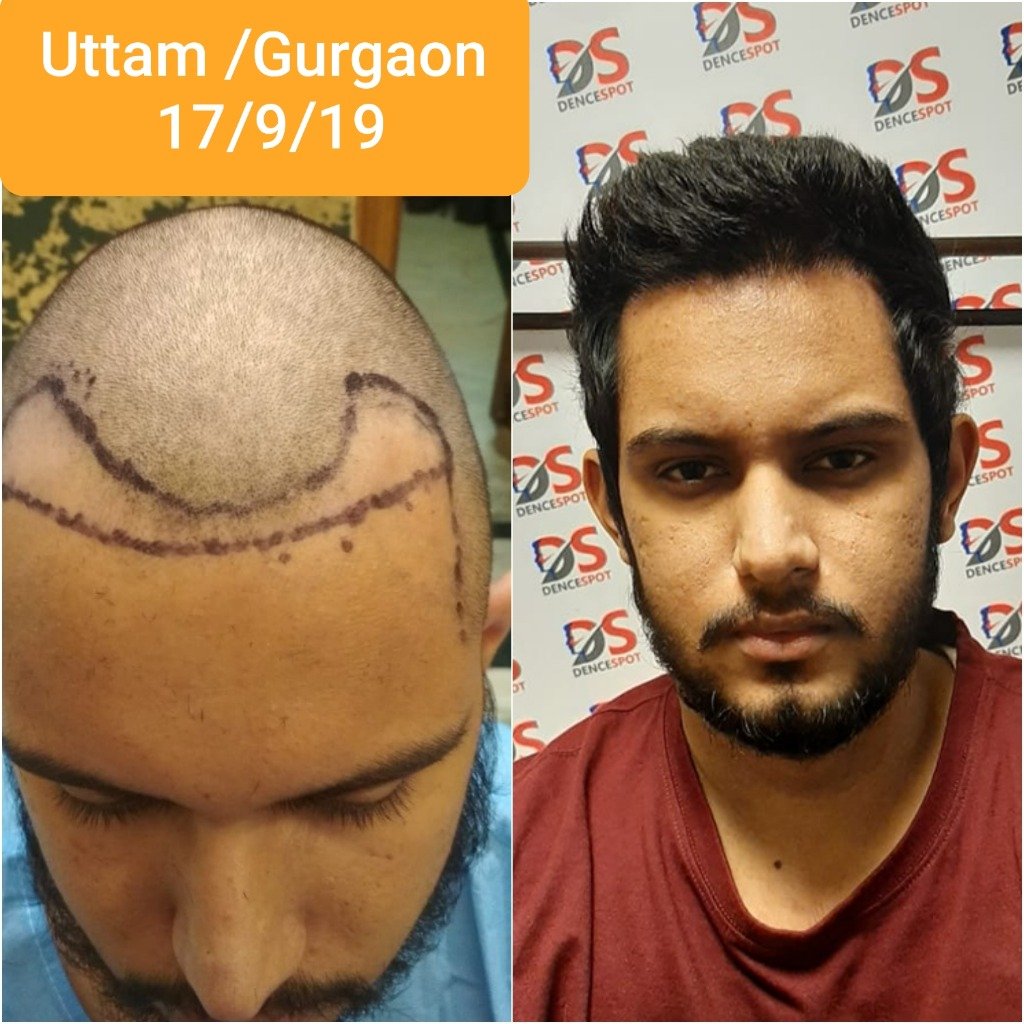
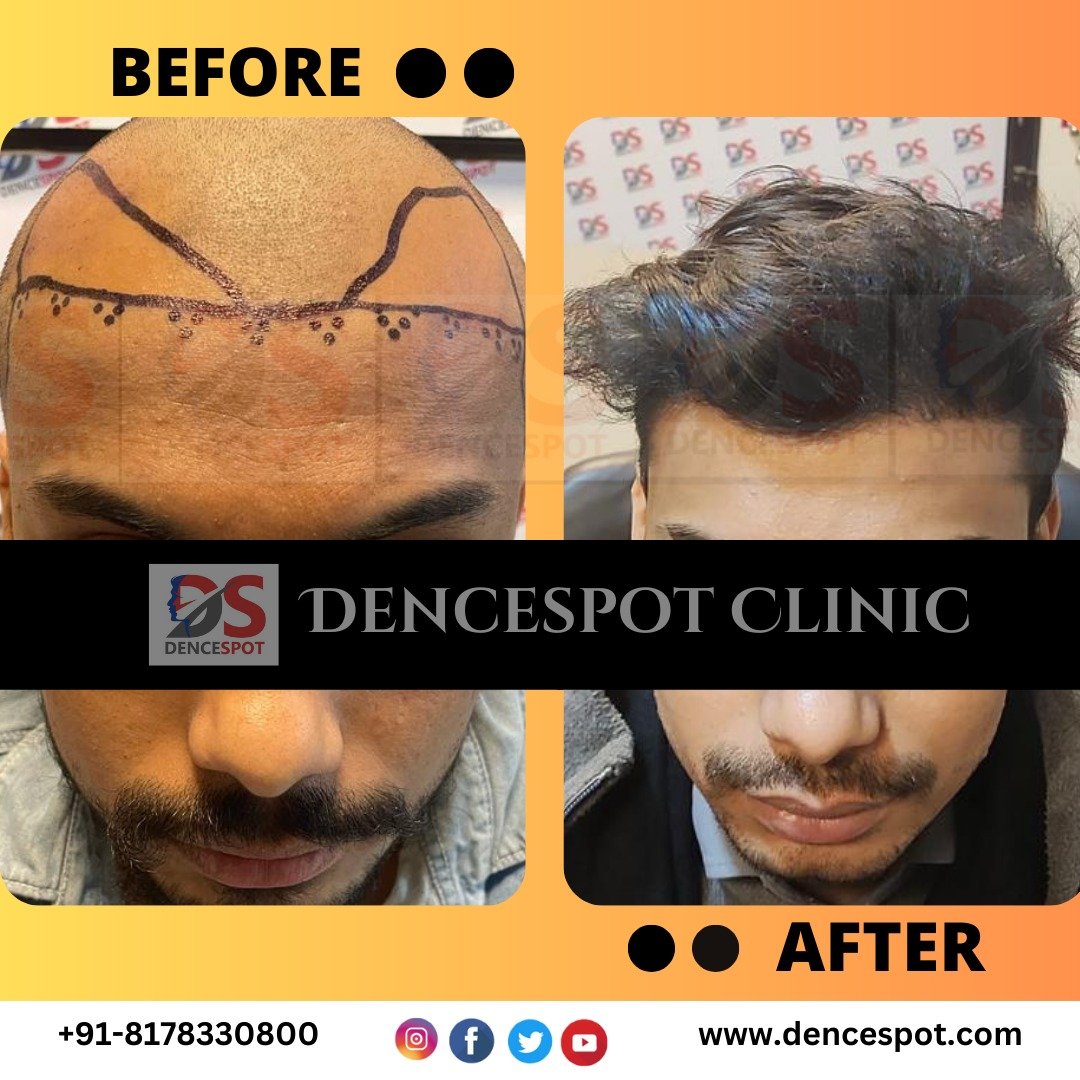
Uttam — Hairline & Temple Restoration
Receding hairline & frontal scalp completely restored with age-appropriate hairline design and dense graft placement.
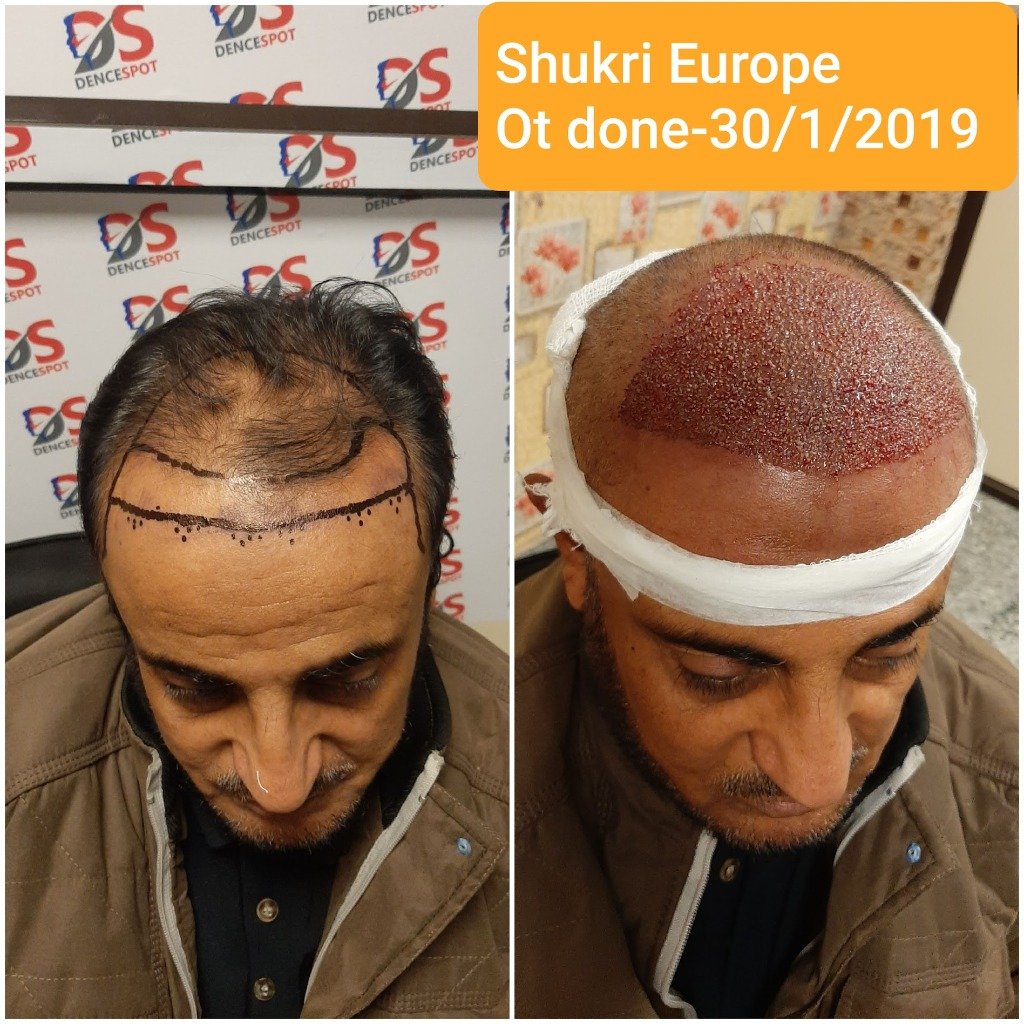
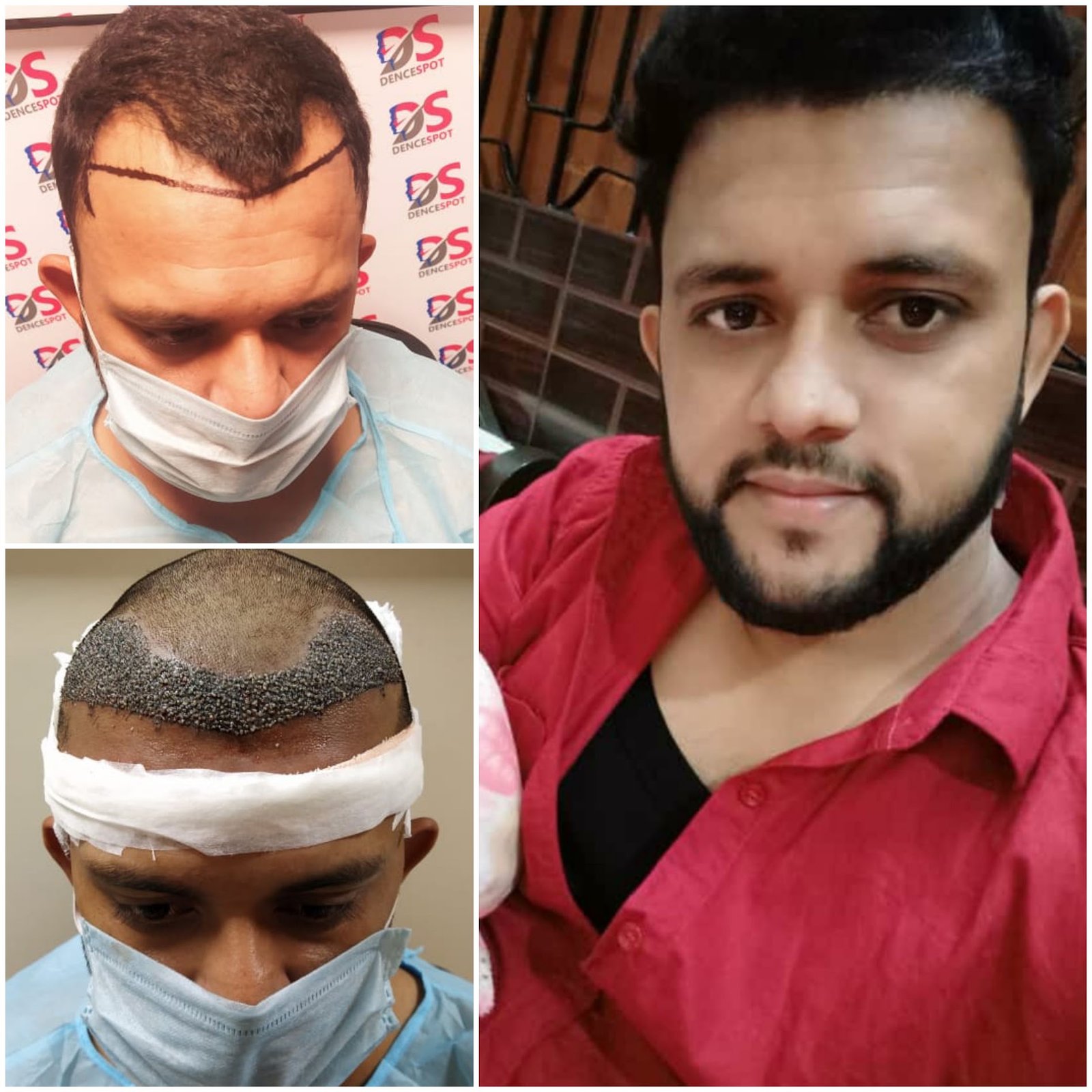
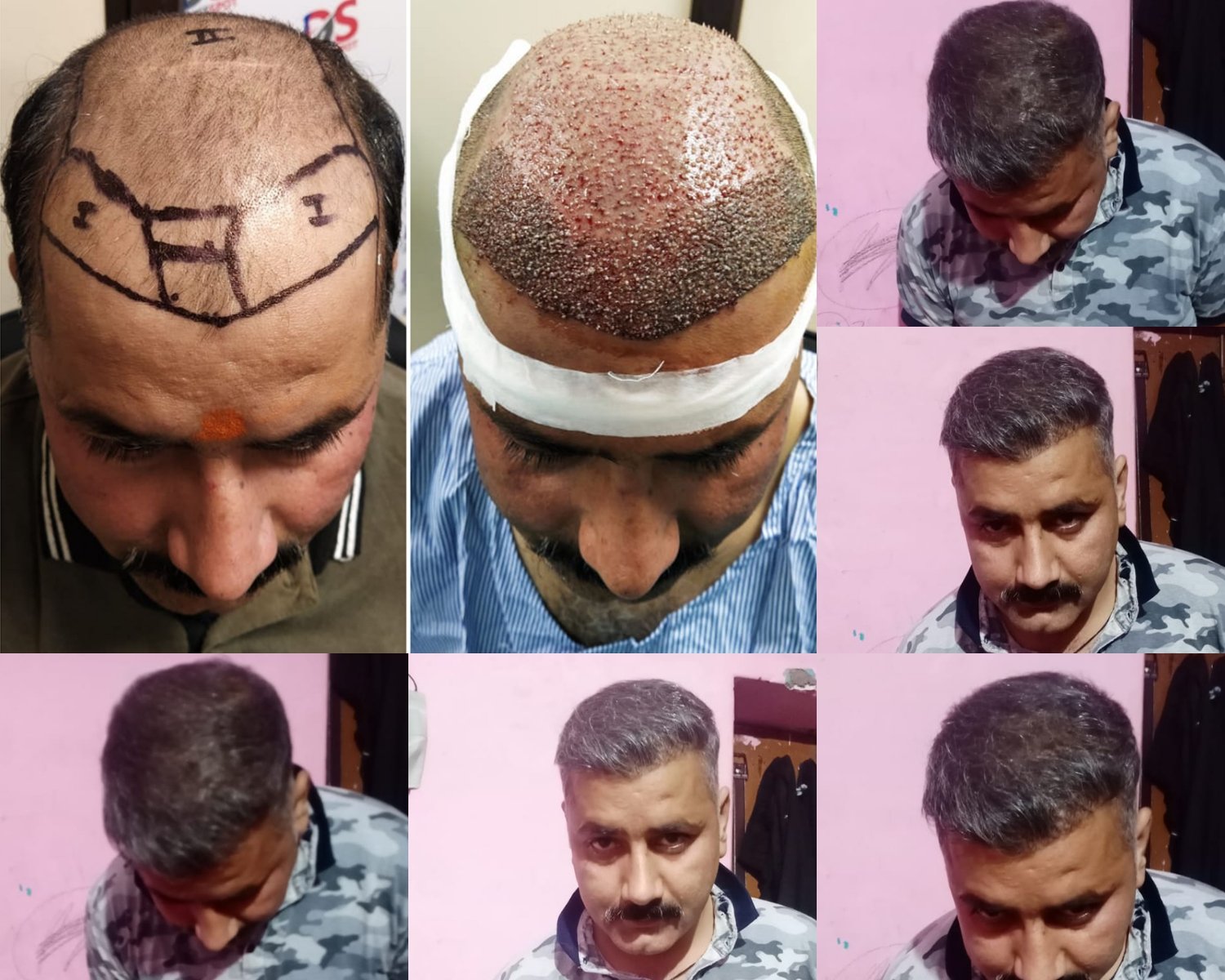
Shukri — Frontal Zone, Procedure Day
Hairline design and 2,800 grafts photographed immediately after placement. Growth is judged at ten to twelve months, so this shows the work, not the outcome.
Visit the clinic
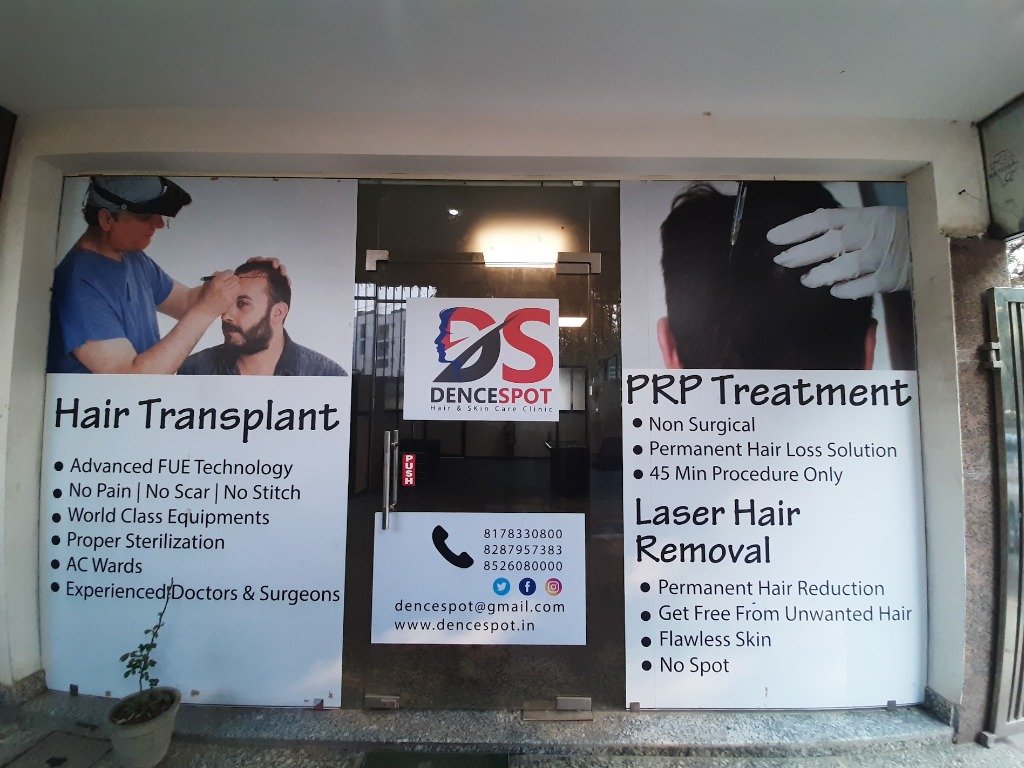
FUT Hair Transplant at Our Gurgaon Clinic
Consultation, procedure, suture removal and every follow-up happen at our Sector 39 clinic in Gurugram, with the same doctor throughout. Donor-line healing is reviewed alongside growth at each appointment.
- Address
- 1123, Sector 39 Road, Jharsa, C Block, Sector 39,
Gurugram, Haryana 122003 - Phone
- +91 81783 30800
- Message +91 81783 30800
- dencespot@gmail.com
- Hours
- Mon–Sat · 10:00 – 20:00Sunday · closed
Getting here
Next step
Find Out Whether a Strip Is Right for Your Donor
Bring your questions and your medication list. You will get a donor and laxity assessment, an explicit comparison of what FUT and FUE would each give you now and in fifteen years, and a straight account of the scar before you decide anything.
Suitability is determined after clinical assessment. This page is patient education and does not constitute medical advice.
Quick enquiry