Did you start experiencing sudden, excessive hair fall 2-3 months after recovering from Covid? This is an extremely common condition known as Telogen Effluvium. There is no need to panic — it is temporary and can be effectively treated with the right care. In this guide, we explain why hair fall occurs after Covid and how you can stop it.
The Covid pandemic affected not just overall health but also caused significant damage to hair. Millions of people worldwide experienced extreme hair fall after recovering from Covid. In India, this problem was particularly widespread — high fever cases, stress, lockdown-related anxiety, and nutritional deficiencies all combined to take a severe toll on hair health.
At DenceSpot Hair Clinic in Gurgaon, we have treated hundreds of post-covid hair fall cases. The encouraging news is that almost all patients have recovered successfully — some naturally and some with the help of clinical treatments. If you are going through this situation, this guide is for you.
Why Does Hair Fall After Covid? Understanding the Science
The primary cause of post-covid hair fall is Telogen Effluvium. This is a condition in which the body's extreme stress or shock disrupts the natural hair growth cycle.
Normal Hair Cycle vs Post-Covid Disruption:
Under normal circumstances, only 10-15% of hair is in the Telogen (resting) phase, while the remaining 85-90% is in the Anagen (growth) phase. After Covid, the body's extreme stress response causes 30-50% of hair to simultaneously enter the Telogen phase. These hairs then shed together 2-3 months later, which is why the sudden, excessive hair fall occurs.
Specific Triggers of Post-Covid Hair Fall:
High fever: A fever exceeding 100 degrees is a major physical stressor and one of the strongest triggers for Telogen Effluvium. Inflammatory response: Covid causes severe inflammation that directly affects the hair follicles. A cytokine storm can cause follicle damage. Medications: Medicines used during Covid treatment, such as steroids and antivirals, can disrupt the hair growth cycle. Nutritional depletion: Fighting Covid depletes the body's nutrient stores, especially iron, zinc, and Vitamin D. Emotional stress: Fear, anxiety, and isolation are emotional triggers that also contribute to hair loss. Low oxygen levels: Reduced oxygen supply directly affects the health of hair follicles.
Post-Covid Hair Fall Timeline — What to Expect
It is important to understand that post-covid hair fall follows a specific pattern:
Covid recovery (Week 0): The fever has subsided and energy is returning. Hair appears normal at this stage. The body is internally stressed, but externally everything seems fine. Month 1-2 post-recovery: Slightly increased hair shedding may begin, but it is not dramatic. Most people do not notice any changes during this phase. Month 2-3 post-recovery (Peak shedding): Sudden, excessive hair fall begins. Hair appears on the comb, in the shower, and on the pillow — seemingly everywhere. This is the most alarming phase, but it is completely normal. You may lose 200-300 or more hairs per day. Month 3-6 post-recovery: Shedding should gradually decrease. If it does not, a professional evaluation is necessary. Month 6-12 post-recovery: New hair growth becomes visible. Fine baby hairs will appear. This is the recovery phase — patience is key.
Step-by-Step Recovery Plan — Protect Your Hair After Covid
Step 1: Do Not Panic — Stress Only Worsens Hair Fall
This is the first and most important step. Seeing post-covid hair fall causes significant stress in most people, and this additional stress further worsens the hair loss, creating a vicious cycle. Remember — Telogen Effluvium is temporary. Your hair will grow back. The follicles are not dead; they are simply in a resting phase. Nearly all post-covid hair loss patients recover fully.
Step 2: Nutrition Recovery Plan — Rebuild Your Body
Covid significantly depletes the body's nutrient stores. The first priority is to replenish these reserves.
Priority 1 — Iron: Iron levels drop considerably after Covid. Consume spinach, beetroot, dates, and pomegranate daily. Take iron supplements only on a doctor's advice and if blood tests confirm a deficiency. Take iron with Vitamin C for 67% better absorption.
Priority 2 — Vitamin D: Both Covid and lockdown periods deplete Vitamin D levels. Get 15-20 minutes of daily sunlight, preferably in the morning. Supplement with 1000-2000 IU daily after a blood test. Add fortified milk and fatty fish to your diet.
Priority 3 — Zinc: Zinc is critical for both immune recovery and hair growth. Eat pumpkin seeds, chickpeas, yogurt, and cashews daily. Supplement with 15-30mg daily on a doctor's advice.
Priority 4 — Protein: The body requires extra protein for rebuilding. Aim for 60-70g of protein daily. Include eggs, chicken, fish, paneer, lentils, and soybean in your meals. Every meal should contain a protein source.
Priority 5 — Biotin & B-Complex: B vitamins support both energy recovery and hair growth. Consume almonds, walnuts, eggs, and whole grains. A B-complex supplement is particularly helpful during post-covid recovery.
For detailed nutrition guidance, read our complete vitamins and nutrition guide.
Step 3: Gentle Hair Care — Avoid Further Damage
During the post-covid phase, hair is already weakened and requires extra gentle care.
Gentle washing: Use a sulfate-free shampoo. Wash on alternate days, not daily. Use lukewarm water — neither hot nor cold. No heat, no chemicals: Avoid straighteners, blow dryers, and curling irons entirely. Postpone coloring, bleaching, and rebonding for at least 6 months. Gentle handling: Use only a wide-tooth comb. Never comb wet hair. Gently pat dry with a towel — do not rub. Loose hairstyles: Avoid tight ponytails. Use a silk pillowcase to reduce friction. Keep hair loose or in a gentle braid.
Struggling with Post-Covid Hair Fall?
At DenceSpot Clinic, we have successfully treated hundreds of post-covid hair fall cases. Our specialized recovery protocol is designed to restore your hair. Learn more with a free consultation.
Book Free ConsultationStep 4: Scalp Care — Keep the Follicles Active
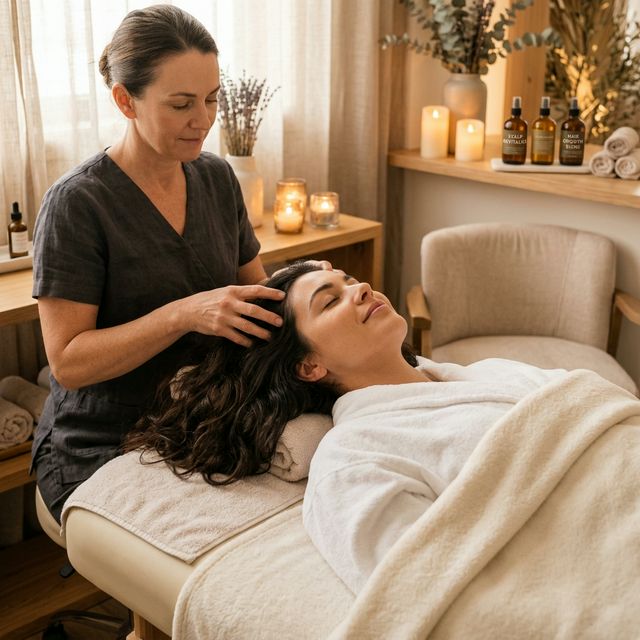
Daily scalp massage (10 minutes): This is extremely important for post-covid recovery. Increasing blood circulation delivers oxygen and nutrients to the follicles, which accelerates the recovery process. Massage with the best hair oils for added benefits.
Rosemary oil treatment: Mix 3-4 drops of rosemary essential oil with 1 tablespoon of coconut oil. Apply to the scalp and massage thoroughly. Use three times a week — overnight application works best. Research has proven that rosemary oil stimulates hair regrowth.
Maintain scalp health: If you have dandruff or other scalp issues, treat those first. A clean scalp leads to better recovery.
Clinical Treatments — Fast-Track Your Recovery
If you do not see significant improvement after 3-4 months of home care, or if the hair fall is particularly severe, clinical treatments can be extremely beneficial.
PRP Therapy — The Best Treatment for Post-Covid Hair Loss
PRP (Platelet-Rich Plasma) therapy is especially effective for post-covid hair fall. This is because it delivers growth factors directly to the dormant follicles. For follicles that have entered the resting phase after Covid, PRP serves as a powerful reactivation stimulus.
Typically, 3 sessions are recommended at monthly intervals. Improvement usually becomes visible after the second session. The procedure is safe as it uses your own blood. There is no downtime, and you can resume your normal routine the same day. Our PRP treatment guide explains the entire process in detail.
LED Light Therapy
LED therapy is particularly useful for post-covid recovery because it is completely painless and non-invasive, making it a gentle approach for a weakened body. The red light wavelength increases cellular energy, which accelerates the repair process. It also reduces inflammation, helping to calm post-covid inflammatory responses. Weekly sessions produce noticeable improvement.
Microneedling
Combining scalp microneedling with PRP produces dramatically better results. The micro-channels allow PRP to reach the follicles directly, while also stimulating collagen production. Monthly sessions are recommended.
Post-Covid Hair Fall vs Other Conditions — How to Differentiate
Sometimes, hair loss that appears to be "post-covid" may actually be caused by something else. Covid can sometimes trigger or expose underlying conditions:
Thyroid issues: Covid can disrupt thyroid function. If hair fall is accompanied by weight changes, fatigue, or cold sensitivity, be sure to get a thyroid test. Iron deficiency anemia: Covid can turn a pre-existing mild deficiency into a severe one. If hair fall is accompanied by fatigue, pale skin, or breathlessness, get a CBC and ferritin test. Androgenetic alopecia triggered by Covid: In some individuals, Covid can activate or accelerate genetic hair loss. If hair fall follows a specific pattern, such as a receding hairline or crown thinning, this is different from post-covid Telogen Effluvium. Alopecia Areata: In rare cases, the immune system may begin attacking hair follicles after Covid. If you notice patchy bald spots, consult a doctor immediately.
If you are unsure whether your hair loss is solely post-covid or involves other factors, we strongly recommend seeking a professional consultation. Blood tests and trichoscopy will provide an accurate diagnosis.
Recovery Diet Plan — Specifically for Post-Covid Hair Health
Here is a sample daily diet plan optimized for post-covid hair recovery:
Morning (empty stomach): 1 glass of warm water with 1 tablespoon of amla juice and a small amount of honey. Breakfast: 2 eggs (or paneer paratha) with 5-6 soaked almonds and 1 glass of milk. Mid-morning: 1 fruit such as amla, orange, or pomegranate for Vitamin C and iron. Lunch: Lentil soup, spinach or fenugreek vegetable dish, brown rice or roti, salad, and curd. Evening snack: Mixed nuts including walnuts, cashews, and pumpkin seeds, along with green tea. Dinner: Chicken, fish, or paneer with vegetables, 1 roti, and buttermilk. Bedtime: 1 glass of turmeric milk for its anti-inflammatory benefits.
Daily essentials: 3-4 litres of water. Vitamin D supplement (after testing). Iron supplement (if deficient). B-complex supplement. For detailed nutrition guidance, read our vitamins guide.
When Should You See a Doctor? Red Flags to Watch For
Post-covid hair fall is usually self-resolving, but professional help is necessary in certain situations:
No improvement after 6 months: Telogen Effluvium should typically settle within 6 months. If it has not, there may be an underlying condition at play. Bald patches: Telogen Effluvium causes overall thinning, not specific patches. Patches may indicate Alopecia Areata. Pain, burning, or redness on the scalp: These symptoms indicate inflammation or infection. Rapidly thinning hair: If your ponytail has reduced to half its original thickness or your scalp is clearly visible, immediate evaluation is required. Overall health is not improving: Hair fall accompanied by fatigue, weight changes, or mood swings may indicate systemic health issues.
At DenceSpot Clinic, we offer specialized assessments for post-covid cases, including trichoscopy, blood work, and a customized recovery plan. If you would like to learn more about hair fall prevention in general, please read that guide as well. For specific hair fall control tips, our complete guide is also available. You can view real post-covid recovery transformations in our results gallery.
Need Expert Help with Post-Covid Hair Recovery?
At DenceSpot Clinic Gurgaon, we offer a specialized post-covid hair recovery program that includes PRP, LED therapy, and nutrition planning. Discover your personalized recovery plan with a free consultation.
Book Free Recovery ConsultationFrequently Asked Questions
Why does hair fall after covid?
After Covid, a condition called Telogen Effluvium occurs due to the body's extreme stress response, which causes hair to prematurely enter the resting phase. High fever, inflammation, medications, and emotional stress all contribute to this condition. Shedding typically begins 2-3 months after recovery.
How long does post-covid hair loss last?
Shedding typically lasts for 3-6 months. Hair usually begins to recover naturally within 6-12 months. With proper nutrition and treatment, this timeline can be significantly shortened.
Is post-covid hair loss permanent?
No, in the majority of cases, post-covid hair loss is temporary. Telogen Effluvium is a self-limiting condition — the follicles are not dead, they are simply in a resting phase. With proper care, hair grows back.
Which vitamins help with post-covid hair recovery?
Vitamin D, iron, zinc, biotin, Vitamin B12, and Vitamin C are the most important nutrients for post-covid hair recovery. Covid depletes the body's nutrient stores, so replenishing them is essential. Take supplements based on blood test results.
Does PRP help with post-covid hair fall?
Yes, PRP therapy is highly effective for post-covid hair loss. It stimulates dormant follicles with growth factors and significantly speeds up the recovery timeline. Improvement is usually visible after 2-3 sessions.
When should I see a doctor for post-covid hair loss?
If hair fall has not reduced after 6 months, bald patches are appearing, or there is pain or redness on the scalp, you should consult a doctor. Sometimes post-covid conditions trigger other issues like thyroid disorders that require separate treatment.