"My comb is full of hair every morning — what should I do?" This is a question we hear from almost every other patient at DenceSpot Clinic. The truth is, hair fall in women is fundamentally different from that in men — the causes are different, the pattern is different, and the treatment is different too.
If you find yourself worried every morning at the sight of hair on your pillow, this guide is for you. We will discuss in detail the real causes of hair fall in women, the common mistakes you may be making daily, and the proven clinical treatments that actually work. Many women are unaware that their hair fall can be diagnosed with a simple blood test. So let us understand everything, step by step.
Why Is Hair Fall in Women Different from Men?
First and foremost, it is important to understand that hair fall in men typically follows a predictable pattern — a receding hairline and crown thinning. However, hair fall in women is diffuse, meaning hair thins out uniformly across the entire scalp. This is why many women do not initially realise that they are losing hair.
Hormones play a significant role in female hair loss. Fluctuations in estrogen and progesterone — whether due to the menstrual cycle, pregnancy, or menopause — directly affect the hair growth cycle. This is why understanding hormonal health is essential for effective hair fall prevention.
Top 8 Causes of Hair Fall in Women
1. PCOS (Polycystic Ovary Syndrome)
Approximately 20% of women in India are affected by PCOS. In this condition, elevated androgen hormone levels cause hair follicles to shrink. If you are experiencing hair fall alongside irregular periods, acne, and weight gain, it is important to get tested for PCOS. With proper treatment, this type of hair fall is completely reversible.
2. Thyroid Disorders
Both hypothyroidism (underactive thyroid) and hyperthyroidism (overactive thyroid) can cause hair fall. Thyroid hormones directly regulate the hair growth cycle. A simple TSH test can detect these conditions. Many women ignore thyroid issues for years and only seek treatment for hair fall — this is an incorrect approach.
3. Iron Deficiency and Anaemia
This is the most common cause of hair fall among Indian women. Heavy menstrual periods, a poor diet, or insufficient iron in a vegetarian diet all contribute to this issue. When ferritin levels (stored iron) drop below 40, hair fall increases dramatically. Improving iron levels through proper vitamins and nutrition can make a significant difference.
4. Pregnancy and Postpartum Hair Fall
During pregnancy, elevated estrogen levels make hair appear thicker and fuller. However, 3 to 6 months after delivery, when estrogen drops suddenly, a large amount of hair sheds simultaneously — a condition known as Telogen Effluvium. While this is temporary, it can be quite alarming. With proper nutrition and patience, it resolves on its own.
5. Menopause and Perimenopause
After the age of 40, estrogen levels gradually decline while the relative effect of androgens increases. This results in overall hair thinning, particularly around the parting line. At this stage, seeking proactive treatment is highly important. PRP treatment delivers excellent results for menopause-related hair loss.
6. Stress and Emotional Trauma
Chronic stress elevates cortisol levels, which pushes hair follicles into a premature resting phase. Following any major life event — such as a divorce, job loss, or a family illness — sudden hair fall may occur within 2 to 3 months. Stress management is essential not only for mental well-being but also for hair growth.
7. Vitamin D Deficiency
Surprisingly, despite abundant sunlight in India, 70 to 80% of women are Vitamin D deficient. An indoor lifestyle, excessive sunscreen use, and a poor diet are the primary causes. Vitamin D is essential for healthy hair follicle cycling. A 25-hydroxy Vitamin D test can help determine your levels.
8. Chemical Treatments and Heat Styling
Straightening, colouring, rebonding, and keratin treatments all weaken the hair shaft. Daily use of heat styling tools damages the cuticle. While this is technically hair "breakage" rather than hair "fall," the visible result is the same. It is advisable to maintain a minimum gap of 8 weeks between chemical treatments.
Common Hair Care Mistakes Women Make Every Day
Before considering clinical treatments, it is important to address these everyday errors:
Combing wet hair: Wet hair is 30% more fragile than dry hair. Allow your hair to towel-dry first, then use a wide-tooth comb.
Tight hairstyles: Tight ponytails, braids, and buns can lead to Traction Alopecia — a condition that may cause permanent hair loss along the hairline. Opt for looser styles whenever possible.
Sleeping with hair loose: Friction against the pillow causes breakage. Use a loose braid or switch to a silk pillowcase.
Over-shampooing: Washing your hair daily strips the scalp of its natural oils. Two to three times a week is sufficient. However, not washing at all is equally problematic and can lead to dandruff and scalp problems.
Taking supplements without testing: Randomly taking biotin or multivitamins will not help if you do not know what deficiency you have. Always get a blood test first, then take supplements accordingly.
Diet and Nutrition — The Foundation of Hair Fall Control
If your diet is not right, no treatment will deliver 100% results. The following nutrients are critical for women:
Protein: Hair is made up of 95% keratin protein. You need approximately 1 gram of protein per kilogram of body weight daily. Eggs, lentils, paneer, chicken, and soybean are all excellent sources. Read our complete guide to vitamins and nutrition for more details.
Iron: Include iron-rich foods such as spinach, dates, jaggery, pomegranate, and red meat in your daily diet. Taking them with Vitamin C enhances absorption.
Omega-3 Fatty Acids: Flaxseeds, walnuts, and fatty fish are excellent for scalp health. They help reduce dryness and inflammation.
Biotin (Vitamin B7): Found naturally in eggs, almonds, and sweet potatoes. Supplements should only be taken when a blood test confirms a deficiency.
Zinc: Available in pumpkin seeds, chickpeas, and cashews. Zinc deficiency is an often-overlooked cause of hair fall.
Get Your Hair Fall Diagnosed — Free
At DenceSpot Clinic, we use advanced trichoscopy and blood tests to identify the exact cause of your hair fall. Hair fall is treatable in 80% of women — all it takes is an accurate diagnosis.
Book Free ConsultationClinical Treatments That Actually Work for Women's Hair Fall
1. PRP (Platelet-Rich Plasma) Therapy
This is DenceSpot Clinic's most popular treatment for women. Platelets are extracted from your own blood, and the concentrated growth factors are injected into the scalp. This activates dormant follicles and stimulates new hair growth. Learn more about PRP treatment in detail.
Results: Noticeable improvement is typically seen after 3 to 4 sessions. A course of 6 to 8 sessions is recommended for a complete treatment. Monthly maintenance sessions help sustain long-term results.
2. Microneedling (Dermaroller/Dermapen)
Scalp microneedling involves creating controlled micro-injuries with tiny needles, which triggers the body's natural healing response. This boosts collagen production, improves blood flow, and promotes the release of growth factors. When combined with PRP, the results are even more impressive.
3. Low-Level LED Therapy
LED light therapy is a painless treatment that uses red light at a specific wavelength on the scalp. It enhances cellular energy production (ATP), reduces inflammation, and improves hair follicle function. This treatment is especially popular among women as it is entirely pain-free.
4. Customized Topical Treatments
Minoxidil 2% is FDA-approved for women. At DenceSpot, we go a step further by prescribing customized serums tailored to each patient's specific condition — formulated with growth peptides, caffeine, saw palmetto, and other active ingredients. These are far more effective than generic over-the-counter products.
5. Mesotherapy
This treatment involves injecting a cocktail of vitamins, amino acids, and minerals directly into the scalp. Since the nutrients reach the hair follicles directly, this method is considerably more effective than oral supplements. Women tend to respond particularly well to this treatment.
Supplements That Actually Help (Under Medical Guidance)
The market is flooded with hair supplements, but not all of them work. Based on blood test results, the following supplements may be beneficial:
Iron + Vitamin C combination: Recommended if ferritin levels are low (common in most Indian women)
Vitamin D3: 60,000 IU weekly for 8 weeks, followed by a maintenance dose (in cases of deficiency)
Biotin 5000mcg: Only when a biotin deficiency has been confirmed through testing
Omega-3 capsules: 1000mg daily to help reduce inflammation
Zinc: 30 to 50mg daily if zinc levels are low
Important: Taking random supplements without a blood test is a waste of money and can sometimes be harmful. A combination of PRP treatment and targeted supplements delivers the best results.
Hair Oils — Do They Really Work?
Hair oiling is a deeply rooted tradition among Indian women — and when the right oil is applied correctly, it can genuinely help. We have written a detailed guide on the best hair oils for growth. Here are the key points:
Coconut oil reduces protein loss from the hair shaft. Rosemary oil has been shown in studies to be as effective as minoxidil in mild cases. Onion juice (not technically an oil) provides sulfur, which aids keratin production.
However, leaving oil in overnight, massaging with excessively hot oil, or applying oil immediately after a chemical treatment — these are all common mistakes to avoid.
When Should You See a Doctor?
There is no need to panic over minor hair fall — losing 50 to 100 strands per day is perfectly normal. However, you should consult a trichologist in the following situations:
If you are losing more than 100 strands daily and this has persisted for 2 to 3 months. If your parting line is widening or your scalp is becoming visible. If you are losing hair in patches. If hair fall is accompanied by irregular periods, acne, or weight gain. If there is a family history of early hair loss.
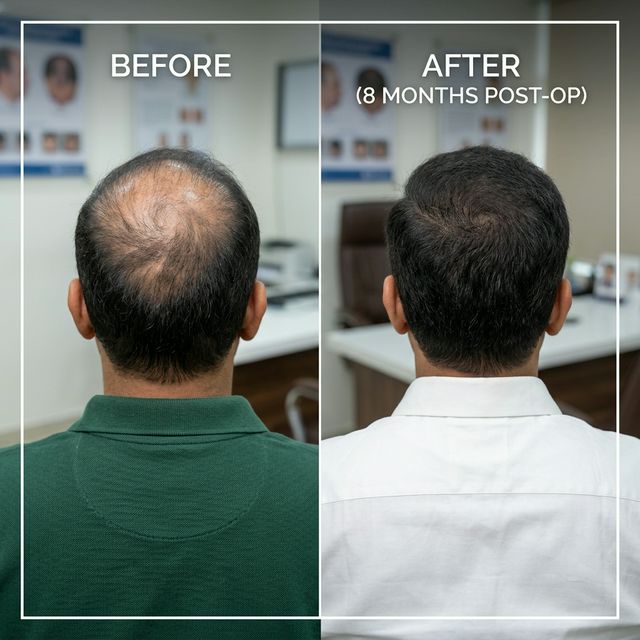
At DenceSpot Clinic, we perform advanced trichoscopy — a microscopic analysis of your scalp and hair follicles — to arrive at a precise diagnosis. Visit our results gallery to see the difference that proper treatment can make.
A Complete Hair Care Routine for Women
Morning: Use a gentle sulfate-free shampoo (2 to 3 times per week), apply a lightweight conditioner only on the lengths, and finish with a leave-in serum or prescribed topical treatment.
Night: Wear a loose braid, use a silk or satin pillowcase, and do a scalp oil massage twice a week.
Weekly: Apply a hair mask (curd, honey, and olive oil) and gently exfoliate the scalp.
Monthly: Trim split ends, monitor your hair fall count, and take progress photos to track improvement.
If you are considering a hair transplant, it is advisable to try non-surgical options first. In many cases, hair fall in women can be controlled effectively without surgery.
The Emotional Impact — Hair Fall Is Not Just a Physical Problem
This is a topic that is rarely discussed, but hair loss can be emotionally devastating for women. It affects self-confidence, social interactions, and relationships. If you are going through this, remember:
You are not alone — over 60% of women in India experience significant hair fall at some point in their lives. And in the majority of cases, hair fall is treatable. The key is to consult the right doctor at the right time.
At DenceSpot Clinic, we treat every patient in a judgement-free environment. Your concern is valid, and a solution is within reach. A combined approach that includes skin treatments alongside hair care can provide an overall confidence boost.
Ready to Stop Hair Fall? Take the First Step Here
DenceSpot Clinic in Gurgaon offers advanced hair analysis and personalized treatment plans. 90% of our women patients see visible improvement within 3 months. Book your appointment today.
Book Free ConsultationFrequently Asked Questions
Can PCOS cause permanent hair loss?
No, hair loss caused by PCOS is reversible with the right treatment. Restoring hormonal balance can help hair regrow. At DenceSpot, we offer specialized treatment for PCOS-related hair loss.
How long does postpartum hair fall last after delivery?
Postpartum hair fall usually begins 3 to 6 months after delivery and resolves on its own within 6 to 12 months. If hair fall persists beyond one year, it is advisable to consult a doctor.
Can iron deficiency cause hair fall?
Absolutely. Iron deficiency is one of the most common causes of hair fall in women. When ferritin levels drop below 40 ng/mL, hair fall increases significantly. A blood test is strongly recommended.
Is PRP treatment safe for women?
Yes, PRP treatment is completely safe and highly effective for women. It is a non-surgical procedure that uses growth factors derived from your own blood. There are no major side effects.
Can hair straightening and colouring cause permanent hair loss?
Permanent hair loss from chemical treatments is rare. However, excessive use can weaken the hair shaft and increase breakage. It is best to maintain a gap of 6 to 8 weeks between treatments.
How can hair fall be controlled after menopause?
After menopause, the drop in estrogen levels leads to hair thinning. A balanced diet, targeted supplements, PRP therapy, and LED treatment can bring about significant improvement. Early treatment yields the best results.