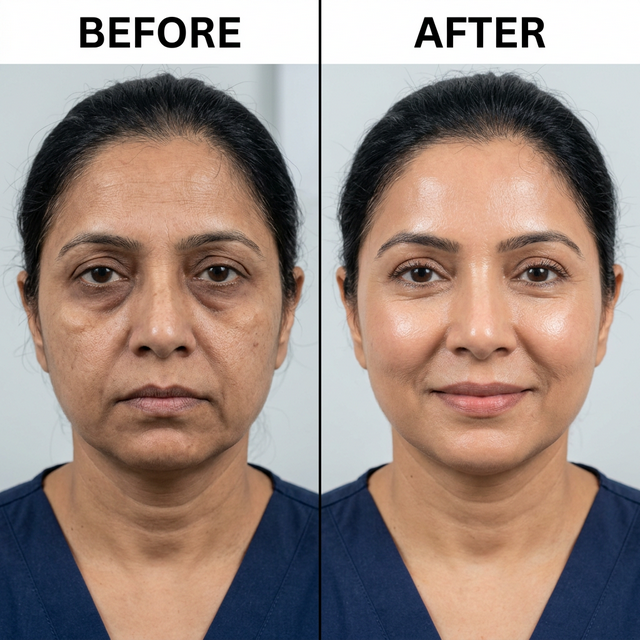
The topic of How Prp Works is highly relevant for anyone considering treatment. PRP works by taking a small sample of your blood, concentrating the healing components (platelets), and injecting them into the area that needs repair — whether that is your scalp, skin, or joints. The concentrated platelets release natural growth factors that tell your body's cells to regenerate, build new blood vessels, and repair damaged tissue.
You have probably heard about PRP therapy for hair loss, skin rejuvenation, or sports injuries. But every time someone tries to explain how it works, it sounds overly complicated — platelet degranulation, growth factor cascades, angiogenesis. In this guide, we strip away the jargon and explain how PRP works in plain, simple language that anyone can understand.
The Simple Version: PRP in 60 Seconds
Think of it this way:
Step 1: Your blood is drawn (just like a blood test).
Step 2: The blood is spun in a machine to separate it into layers.
Step 3: The layer packed with healing cells (platelets) is extracted.
The topic of How Prp Works is highly relevant for anyone considering treatment. Step 4: This concentrated healing liquid is injected where you need repair (scalp, face, joints).
The topic of How Prp Works is highly relevant for anyone considering treatment. Step 5: The platelets release natural healing chemicals that tell your body to regenerate.
That is PRP in its simplest form. Now let us understand each part in more detail.
What Are Platelets and Why Do They Matter?
The topic of How Prp Works is highly relevant for anyone considering treatment. Your blood is made up of several components — red blood cells (carry oxygen), white blood cells (fight infection), plasma (the liquid), and platelets (the healers).
At DenceSpot Clinic, How Prp Works is a very common point of discussion. Platelets are tiny cells that most people associate with blood clotting. When you get a cut, platelets rush to the wound and form a plug to stop bleeding. But that is only half their job.
Platelets also carry growth factors — think of these as instruction manuals for your cells. When platelets arrive at a damaged area, they release these growth factors which tell nearby cells to:
- Multiply and create new cells
- Build new blood vessels to improve blood supply
- Produce collagen and other structural proteins
- Wake up dormant stem cells
- Reduce inflammation
In normal blood, platelets are spread thin — there are many competing demands on them across your entire body. PRP concentrates them so that when injected into a specific area, the healing signal is 3 to 8 times stronger than what normal blood flow can deliver.
How PRP is Made — The Kitchen Analogy
Imagine your blood is a fruit smoothie with different ingredients — strawberries (red blood cells), blueberries (white blood cells), yoghurt (plasma), and honey (platelets). You want to extract just the honey because that is the healing ingredient.
The centrifuge machine is like a super-fast spinner. When it spins the blood at high speed, the heavier ingredients (red blood cells) sink to the bottom, the lighter liquid (plasma) rises to the top, and the honey-like healing layer (platelets) settles in the middle.
The doctor carefully extracts this middle layer — the PRP — and discards the rest. What you are left with is a small amount of golden-coloured liquid that is packed with healing power. This is the PRP that gets injected.
What Happens After PRP is Injected?
Once PRP is injected into your scalp (or any other target area), a series of events unfolds:
Phase 1: The Release (Minutes)
Immediately after injection, the concentrated platelets break open and release their growth factors into the surrounding tissue. Think of it as hundreds of tiny healing packets bursting open simultaneously, flooding the area with repair instructions.
Phase 2: The Signal (Hours to Days)
The growth factors bind to receptors on nearby cells — like a key fitting into a lock. Once activated, these cells receive the message to start working. Hair follicle cells start preparing to grow. Blood vessel cells start forming new capillaries. Stem cells wake up from their dormant state.
Phase 3: The Response (Days to Weeks)
New blood vessels begin forming around the treated area, delivering more oxygen and nutrients. Dormant cells start multiplying. In the case of hair treatment, sleeping follicles begin transitioning into the active growth phase. Inflammation in the area decreases.
Phase 4: The Results (Weeks to Months)
The cumulative effect of these changes becomes visible. For hair, this means reduced shedding first, followed by the appearance of fine new hairs, then gradual thickening and increased density over several months. For skin, it means improved texture, tone, and reduced fine lines.
Why PRP Works for Hair Loss — Made Simple
Hair loss happens primarily because hair follicles weaken over time. In pattern baldness, a hormone called DHT causes follicles to shrink (miniaturize). The blood supply around follicles deteriorates. Follicles that used to produce thick, healthy hair start producing thinner, shorter hairs — until eventually they stop producing visible hair altogether.
PRP reverses this process through four key actions:
1. Waking Up Sleeping Follicles: Many follicles that appear to have stopped producing hair are not actually dead — they are dormant. PRP growth factors act as an alarm clock, signalling these follicles to re-enter the active growth phase. This is why PRP works best when started early, before follicles are permanently destroyed. Learn more about how PRP specifically works for hair growth.
2. Rebuilding Blood Supply: PRP stimulates the creation of new, tiny blood vessels around follicles. Better blood supply means more oxygen and nutrients reaching the follicle root. Think of it like installing better plumbing — once the supply lines are upgraded, everything works better.
3. Making Hair Thicker: The growth factors encourage miniaturized follicles to enlarge back toward their original size. This means each hair produced becomes thicker and stronger over successive growth cycles. The difference between "thin, weak hair" and "thick, healthy hair" is essentially the size and health of the follicle producing it.
4. Keeping Hair Growing Longer: Each hair goes through cycles of growing, resting, and shedding. In hair loss, the growing phase gets shorter and the resting phase gets longer. PRP extends the growing phase, meaning each hair grows for a longer time before falling out. This results in longer hair and fewer hairs in the "falling out" stage at any given time.
See How PRP Can Work for You
At DenceSpot Clinic, our dermatologists will assess your scalp, explain exactly how PRP can help your specific condition, and create a personalized treatment plan. Your first consultation is free.
Book Free ConsultationPRP for Skin — How It Works
The same PRP mechanism that helps hair also rejuvenates skin. When PRP is injected into facial skin (the famous "vampire facial"), the growth factors stimulate fibroblasts — the cells responsible for producing collagen and elastin.
Collagen gives skin its firmness. Elastin gives skin its bounce. As we age, production of both decreases, leading to wrinkles, sagging, and dull texture. PRP essentially tells your skin cells to ramp up production of these proteins, resulting in firmer, smoother, more youthful-looking skin. For detailed information, read about PRP treatment for face.
PRP for Joints — How It Works
In orthopaedic applications, PRP is injected into damaged joints, tendons, or ligaments. The growth factors stimulate repair of damaged cartilage, reduce chronic inflammation that causes joint pain, promote healing of torn or strained tendons, and improve the lubrication environment inside the joint.
This is why professional athletes and sports teams use PRP extensively — it helps injuries heal faster and can even repair chronic damage that was not responding to other treatments.
Why Your Own Blood? Why Not Someone Else's?
This is one of the most elegant aspects of PRP. Because it comes from your own blood (called "autologous"), your body recognizes it as completely safe. There is:
- No risk of allergic reaction
- No risk of infection from donor blood
- No risk of immune rejection
- No synthetic chemicals or drugs involved
Your body treats PRP as a natural healing process — because it literally is. The growth factors in PRP are the same ones your body uses every day for tissue repair. PRP just concentrates them and delivers them exactly where they are needed most.
What PRP Cannot Do — Being Honest
PRP is powerful, but it is not magic. Here is what it cannot do:
Cannot revive dead follicles: If a follicle has been permanently destroyed (long-term complete baldness), PRP cannot bring it back. There are no stem cells left to activate. In this case, a hair transplant is the appropriate solution.
Cannot work in one session: PRP is a cumulative treatment. Each session builds on the last. You need 4-6 initial sessions and ongoing maintenance for lasting results. Read more about how many sessions are needed.
Cannot overcome poor health: If you smoke, have severe nutritional deficiencies, or have an untreated medical condition affecting your hair, PRP results will be limited. Healthy body = healthy PRP = better results.
Cannot replace a hair transplant for advanced baldness: PRP is ideal for early to moderate hair loss. For advanced baldness with large bald areas, a transplant combined with PRP gives the best outcome.
PRP Combined with Other Treatments — Why It Works Better Together
PRP is often combined with complementary treatments for enhanced results:
PRP + Microneedling: Microneedling creates tiny channels in the scalp that allow PRP to penetrate deeper. The micro-injuries also trigger additional healing responses, multiplying the effect. Think of it as opening more doors for the PRP to enter through.
PRP + Minoxidil: Minoxidil widens blood vessels in the scalp (vasodilation), while PRP builds new blood vessels (angiogenesis). Together, they improve blood supply through two different pathways.
PRP + LED Therapy: LED light therapy boosts cellular energy production, giving follicle cells more energy to respond to PRP growth factor signals. It is like giving your cells a caffeine boost alongside the PRP instructions.
PRP + Good Nutrition: Growth factors tell cells to build new hair, but cells need raw materials — protein, iron, zinc, biotin, vitamins. Without adequate nutrition, cells cannot execute the PRP instructions effectively. Learn about essential hair vitamins.
The Timeline: When Will PRP Start Working?
Here is a realistic, honest timeline for PRP hair treatment:
Week 1-4: No visible changes. The biological process has started inside your scalp, but hair growth is slow — about 1 cm per month. The first sign is usually less hair on your pillow and in the shower drain.
Month 2-3: Fine baby hairs may start appearing in thinning areas. Existing hair may feel slightly healthier and stronger.
Month 4-6: Visible improvement in density. Baby hairs mature into thicker strands. People around you may start noticing the difference.
Month 6-9: Significant improvement. Hair coverage, thickness, and quality are noticeably better. This is when most patients feel genuinely happy with the results.
Month 9-12: Peak results from the initial treatment course. Maintenance sessions every 3-6 months keep the gains going. For detailed timeline information, read how long PRP takes to work.
Ready to Try PRP? Start at DenceSpot
Our expert dermatologists will explain everything in person, assess your specific condition, and recommend the right approach for you. No jargon, no pressure — just honest medical advice. Book your free consultation today.
Book Free ConsultationFrequently Asked Questions
Can you explain PRP in one sentence?
PRP concentrates the healing components of your own blood and injects them where they are needed — delivering a powerful dose of natural growth factors that trigger cell regeneration, new blood vessel formation, and tissue repair.
Is PRP a natural treatment?
Yes, PRP is completely natural. It uses your own blood — nothing synthetic, artificial, or foreign is added. The growth factors in PRP are the same ones your body produces naturally for healing. PRP simply concentrates them and delivers them directly to the target area.
How is PRP different from a steroid injection?
Steroids suppress inflammation and immune response using synthetic chemicals. PRP promotes natural healing using your own biological material. Steroids provide temporary relief by masking symptoms, while PRP aims to repair and regenerate the underlying tissue. PRP has virtually no side effects since it comes from your own blood.
Does PRP work the same way for hair and skin?
The core mechanism is identical — concentrated growth factors trigger cell regeneration. For hair, PRP activates dormant follicles and improves scalp blood supply. For skin, PRP stimulates collagen production and improves texture. The target cells are different, but the growth factor signalling is the same.
Why does PRP use my own blood instead of someone else?
Using your own blood (autologous PRP) eliminates the risk of allergic reactions, infections, or immune rejection. Your platelets are perfectly compatible with your body. There is zero risk of disease transmission or adverse immune response.
Is PRP just a trend or does it actually have scientific backing?
PRP has over 20 years of clinical research across dermatology, orthopaedics, dentistry, and sports medicine. Multiple randomised controlled trials and meta-analyses confirm its effectiveness. It is used by hospitals, sports teams, and clinics worldwide — far beyond a passing trend.
How many sessions of PRP do I need to see results?
Most patients need 4-6 initial sessions spaced 3-4 weeks apart, followed by maintenance every 3-6 months. You may notice reduced hair fall within 4-6 weeks and visible new growth by 3-4 months. Maximum results typically appear by 6-9 months.
Can I do PRP at home?
No. PRP requires sterile blood collection, a medical-grade centrifuge for processing, and precise injection technique by a trained doctor. There is no safe way to prepare or administer PRP at home. Always get PRP from a qualified dermatologist or medical professional at a proper clinic.