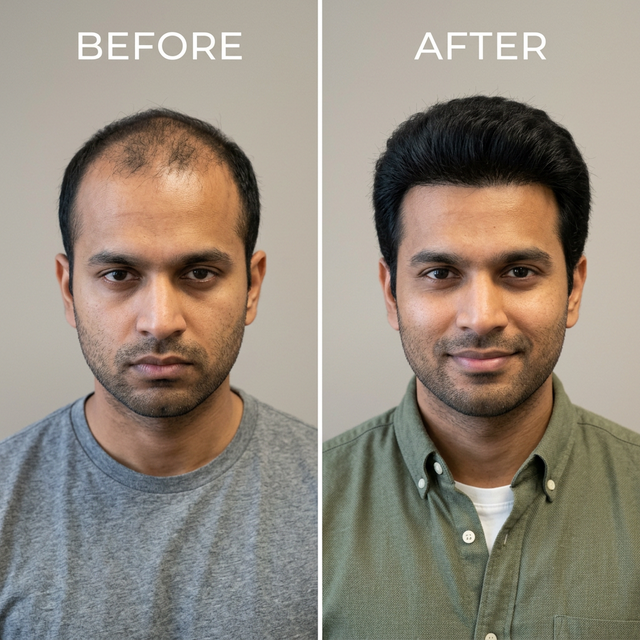
One of the most common questions we hear at DenceSpot Clinic is: how many PRP sessions are needed for hair regrowth? The answer depends on several factors, including your hair loss stage, overall scalp health, and individual biology. However, the standard medical recommendation is 3 to 4 initial sessions spaced 3 to 4 weeks apart, followed by periodic maintenance sessions. In this comprehensive guide, we break down exactly what to expect from your PRP hair treatment journey.
Platelet-Rich Plasma therapy has become one of the most sought-after non-surgical treatments for hair loss across India. Whether you are dealing with early thinning, receding hairlines, or diffuse hair fall, understanding the right number of sessions can help you set realistic expectations and plan your treatment budget. If you are new to PRP, start with our detailed guide on what is PRP before diving into session planning.
Understanding PRP Treatment Sessions
Before we discuss how many PRP sessions are needed for hair growth, it is important to understand what a PRP treatment course actually involves. PRP therapy is not a one-time miracle procedure. It is a structured medical protocol that works progressively over multiple sessions to stimulate your hair follicles back into their active growth phase.
Each PRP session involves drawing a small amount of your own blood (typically 15 to 20 ml), processing it in a centrifuge to concentrate the platelet-rich plasma, and then injecting it into the thinning or balding areas of your scalp. The concentrated growth factors in PRP activate dormant follicles, increase blood supply to the hair roots, and strengthen the existing hair shafts.
Think of PRP sessions as watering a garden. A single watering session helps, but consistent care over weeks and months is what transforms a dry patch into lush greenery. Similarly, a structured course of PRP sessions provides a sustained supply of growth factors that gradually coax weakened follicles back to life.
The treatment works on a biological timeline. Your hair follicles operate in cycles of growth (anagen), regression (catagen), and rest (telogen). PRP helps push more follicles into the anagen phase, but this transition does not happen overnight. It takes multiple sessions to build up enough growth factor concentration in the scalp tissue to produce visible, lasting results.
How Many PRP Sessions Are Needed? (The Standard Protocol)
The standard protocol recommended by dermatologists worldwide, and the one we follow at DenceSpot Clinic in Gurgaon, involves two phases:
Phase 1: Initial Treatment Course (3 to 4 Sessions)
Most patients require 3 to 4 initial PRP sessions, each spaced 3 to 4 weeks apart. This initial course serves as the foundation of your treatment. Here is what each session accomplishes:
- Session 1: The first session introduces concentrated growth factors to the scalp tissue. It kickstarts the healing and regeneration process. Many patients notice a reduction in hair fall within 2 to 3 weeks after this session. The growth factors begin to increase blood flow to follicles and create a healthier scalp environment.
- Session 2: The second session, typically 3 to 4 weeks later, builds on the foundation laid by the first. Growth factor concentration in the scalp tissue increases, and dormant follicles begin transitioning from the telogen (resting) phase to the anagen (growth) phase. Hair fall reduction becomes more noticeable at this stage.
- Session 3: By the third session, most patients start observing visible changes. Baby hairs may appear along the hairline and in previously thinning areas. Existing hair starts feeling thicker and more robust. The cumulative effect of growth factors is now producing measurable results.
- Session 4 (if recommended): Some patients benefit from a fourth session to consolidate results. This is particularly helpful for those with moderate to advanced hair loss or those who responded slower to the initial sessions. This session locks in the gains and prepares the scalp for the maintenance phase.
Phase 2: Maintenance Sessions
After the initial course, maintenance sessions are essential to sustain results. We typically recommend one session every 4 to 6 months during the first year, and then every 6 to 12 months thereafter. We will discuss this in detail in a dedicated section below.
It is worth noting that some studies suggest that patients who complete the full initial course of 3 to 4 sessions see up to 30% improvement in hair density compared to those who stop after just 1 or 2 sessions. Consistency is absolutely key when it comes to PRP.
Factors That Affect the Number of PRP Sessions
While the standard protocol works for most people, the exact number of PRP sessions you need can vary based on several individual factors. Understanding these helps you plan better and set realistic expectations.
1. Severity of Hair Loss
This is the single biggest factor. Someone with early-stage thinning (Norwood 1-2) will typically need fewer sessions than someone with moderate to advanced hair loss (Norwood 4-5). Early intervention with PRP produces the best results because the follicles are still alive and capable of being revitalised. In advanced stages, some follicles may have permanently shut down, making them unresponsive to PRP alone.
2. Age
Younger patients (in their 20s and 30s) generally respond faster and more robustly to PRP. Their follicles tend to be more responsive to growth factors, and their body produces higher-quality platelets. Patients above 50 may need additional sessions or may benefit from combining PRP with other treatments for optimal results.
3. Genetics
Your genetic predisposition to hair loss plays a significant role. Those with aggressive androgenetic alopecia running in the family may need more sessions and closer maintenance intervals. Genetics determine how quickly your follicles miniaturise and how well they respond to regenerative therapies.
4. Scalp Health
A healthy scalp absorbs and utilises PRP more effectively. Conditions like dandruff, seborrheic dermatitis, psoriasis, or chronic scalp inflammation can reduce the efficacy of PRP. At DenceSpot Clinic, we always assess and treat underlying scalp issues before beginning PRP therapy to ensure maximum absorption of growth factors.
5. Lifestyle Factors
Your overall health significantly impacts PRP outcomes. Patients who smoke, have poor nutrition, sleep irregularly, or experience chronic stress may need additional sessions. Smoking restricts blood flow to the scalp, directly counteracting what PRP aims to achieve. A balanced diet rich in protein, iron, zinc, and biotin (see our guide on what to eat for hair growth) helps amplify PRP results.
6. Individual Response to Treatment
Just as some people heal faster from injuries, some scalps respond more quickly to PRP. Platelet count, growth factor quality, and individual biological response all vary from person to person. Your dermatologist at DenceSpot will monitor your progress and adjust the treatment plan accordingly after each session.
PRP Session Breakdown by Hair Loss Stage
To give you a more precise idea of how many PRP sessions are needed for hair regrowth based on your specific situation, here is a breakdown by hair loss stage using the Norwood Scale:
Early Stage Hair Loss (Norwood 1-2): Minor Thinning or Receding Hairline
- Initial sessions needed: 3 sessions
- Session interval: Every 4 weeks
- Maintenance: Once every 6 months
- Expected outcome: Excellent. Hair thickening and density improvement of 25-35%. Hairline may stabilise and show regrowth.
- Best for: Young adults noticing initial thinning, crown thinning, or slight hairline recession.
Early-stage hair loss is the sweet spot for PRP therapy. The follicles are still active and miniaturised rather than dead. PRP can reverse miniaturisation effectively at this stage, making it one of the most cost-effective interventions available.
Moderate Hair Loss (Norwood 3-4): Visible Thinning and Recession
- Initial sessions needed: 4 sessions
- Session interval: Every 3 weeks
- Maintenance: Once every 4 months for the first year, then every 6 months
- Expected outcome: Good. Hair density improvement of 15-25%. Significant reduction in hair fall. Existing hair becomes thicker and stronger.
- Best for: Patients with noticeable crown thinning, temple recession, or overall density reduction.
At this stage, PRP works well but often delivers the best results when combined with other treatments. Your dermatologist may recommend adding microneedling or topical minoxidil to enhance growth factor absorption and stimulate additional follicle activation.
Advanced Hair Loss (Norwood 5+): Significant Baldness
- Initial sessions needed: 4 to 6 sessions
- Session interval: Every 3 weeks
- Maintenance: Once every 3-4 months
- Expected outcome: Moderate. PRP alone may not produce dramatic regrowth. However, it can strengthen existing hair, slow further loss, and prepare the scalp for a hair transplant.
- Best for: Pre-transplant scalp preparation, post-transplant graft nourishment, and protecting remaining native hair.
For advanced hair loss, PRP is most effective as part of a comprehensive treatment plan. Many patients at DenceSpot Clinic combine PRP with a hair transplant procedure. PRP administered before and after a transplant has been shown to improve graft survival rates by up to 15% and accelerate healing time significantly.
What Happens During Each PRP Session
Understanding the procedure can help ease any anxiety and prepare you for your appointment. Here is a step-by-step breakdown of what happens during each PRP session at DenceSpot Clinic:
- Step 1 - Consultation and Assessment: Before your first session, our dermatologist conducts a thorough scalp examination using trichoscopy (a specialised scalp microscope). This helps map the thinning areas, assess follicle health, and determine the exact injection points. For subsequent sessions, progress is documented and compared.
- Step 2 - Blood Draw: Approximately 15 to 20 ml of blood is drawn from your arm, similar to a routine blood test. The process takes 2 to 3 minutes and involves minimal discomfort.
- Step 3 - Centrifugation: Your blood sample is placed in a medical-grade centrifuge and spun at a specific speed for 10 to 15 minutes. This separates the blood into three layers: red blood cells at the bottom, platelet-poor plasma at the top, and the golden platelet-rich plasma in the middle. The PRP layer is carefully extracted.
- Step 4 - Scalp Preparation: A topical anaesthetic cream is applied to the treatment areas 15 to 20 minutes before injections. This ensures the procedure is comfortable and virtually painless.
- Step 5 - PRP Injection: Using ultra-fine needles, the concentrated PRP is injected into the scalp at multiple points across the thinning areas. The injections are placed at the level of the hair follicle root for maximum effectiveness. The entire injection process takes about 15 to 20 minutes.
- Step 6 - Post-Session Care: There is no downtime. You can return to work or daily activities immediately. We advise avoiding hair washing for 24 hours, staying away from harsh chemical products for 48 hours, and not swimming in chlorinated pools for a week.
The entire session from arrival to departure takes approximately 45 to 60 minutes. Most patients describe the experience as surprisingly comfortable, especially from the second session onwards when they know what to expect.
Ready to Start Your PRP Journey?
Get a personalised PRP session plan from our experienced dermatologists at DenceSpot Clinic Gurgaon. We will assess your hair loss stage and recommend the exact number of sessions you need for the best results.
Book Your PRP ConsultationMaintenance Sessions After Initial Treatment
Completing your initial 3 to 4 PRP sessions is only half the journey. Maintenance sessions play a crucial role in preserving and building upon your results. Here is the recommended maintenance schedule:
First Year After Initial Course
During the first 12 months after completing your initial PRP course, we recommend maintenance sessions every 3 to 6 months. This frequency ensures that the growth factors in your scalp tissue remain at therapeutic levels. The follicles you have reactivated need continued support during this critical period to firmly establish themselves in the growth phase.
Most patients at DenceSpot Clinic schedule 2 to 3 maintenance sessions during their first year. Each maintenance session follows the same procedure as the initial sessions and takes approximately 45 to 60 minutes.
Second Year Onwards
Once your results have stabilised (usually by the end of the first year), the maintenance interval can be extended to every 6 to 12 months. By this point, your follicles have established a healthier growth pattern, and less frequent stimulation is needed to maintain it.
Some patients with excellent response and minimal genetic predisposition to hair loss may need just one annual session. Others with more aggressive hair loss patterns may benefit from sessions every 4 to 6 months indefinitely. Your dermatologist will personalise this schedule based on your ongoing progress.
Signs You Need a Maintenance Session
- Increased hair fall during shampooing or combing
- Hair feels thinner or less voluminous than it did post-treatment
- New areas of thinning become visible
- It has been more than 6 months since your last session
Do not wait until you have lost significant ground before scheduling a maintenance session. Proactive maintenance is always more effective and economical than reactive treatment.
Can You Do Too Many PRP Sessions?
This is a valid concern, and the short answer is: more is not always better. While PRP uses your own blood and is inherently safe, there is a point of diminishing returns.
Having sessions too close together (for example, every week) does not accelerate results. Your scalp tissue needs time between sessions to respond to the growth factors. Flooding the area with too much PRP too frequently can actually cause unnecessary inflammation without additional benefit.
The minimum recommended gap between sessions is 3 weeks. Anything more frequent than this is generally unnecessary and not supported by clinical evidence. Some clinics may push for more sessions to increase revenue, but at DenceSpot, we believe in evidence-based treatment protocols that prioritise your results over session count.
That said, PRP is remarkably safe. Since it uses your own blood, there is virtually no risk of allergic reactions, infections, or rejection. The most common side effects are mild redness and tenderness at the injection sites, which resolve within 24 to 48 hours. Serious complications from PRP are extremely rare when performed by qualified dermatologists.
The key takeaway: follow your dermatologist's recommended schedule, which balances efficacy with biological response time. Overspending on unnecessary sessions helps no one.
PRP Sessions Combined with Other Treatments
PRP delivers excellent standalone results, but its effectiveness can be significantly amplified when combined with complementary treatments. Here are the most effective combinations:
PRP + Hair Transplant
For patients who have undergone or are planning a hair transplant, PRP is a powerful companion therapy. Studies have shown that PRP administered during and after transplant surgery can:
- Improve graft survival rates by 10-15%
- Accelerate healing of the donor and recipient areas
- Stimulate faster growth of transplanted follicles
- Protect and strengthen existing native hair around the transplant zone
At DenceSpot Clinic, PRP is included as part of our comprehensive transplant care protocol. Many transplant patients continue with PRP maintenance sessions to protect their investment and maintain overall hair density.
PRP + Microneedling
Microneedling creates controlled micro-injuries in the scalp that trigger wound healing responses. When PRP is applied immediately after microneedling, the tiny channels created by the needles allow deeper penetration of growth factors into the scalp tissue. This combination has been shown to produce results superior to either treatment alone.
The typical protocol involves microneedling followed immediately by PRP application in the same session. This dual approach is particularly effective for patients with moderate hair loss who want to maximise their results without surgery.
PRP + Minoxidil
Minoxidil (commonly known by the brand name Rogaine) is a topical solution that prolongs the anagen (growth) phase of hair follicles. When used alongside PRP, it creates a synergistic effect: PRP reactivates dormant follicles while minoxidil helps keep them in the growth phase longer.
Your dermatologist may recommend starting minoxidil between PRP sessions to maintain momentum. The combination is particularly effective for crown thinning and diffuse hair loss in both men and women.
PRP + Nutritional Therapy
Addressing nutritional deficiencies alongside PRP sessions can dramatically improve outcomes. Common deficiencies that worsen hair loss include iron, vitamin D, zinc, biotin, and protein. A simple blood test before starting PRP can identify these gaps, and targeted supplementation ensures your body has the building blocks it needs to grow healthy hair. Read more about vitamins and nutrition for healthy hair.
PRP Session Schedule at DenceSpot Clinic, Gurgaon
At DenceSpot Clinic, we follow an evidence-based, personalised approach to PRP treatment. Our PRP hair treatment in Gurgaon protocol has been refined over hundreds of successful cases. Here is how we structure your PRP journey:
Step 1: Initial Consultation (Day 0)
Every PRP journey at DenceSpot begins with a detailed consultation. Our dermatologist examines your scalp using advanced trichoscopy, reviews your medical history, checks for nutritional deficiencies, and assesses your hair loss stage on the Norwood/Ludwig scale. Based on this comprehensive evaluation, we create a customised PRP treatment plan specifying the exact number of sessions, interval, and any combination therapies recommended.
Step 2: Initial Treatment Phase (Weeks 1-12)
Based on your assessment, you will undergo 3 to 4 PRP sessions at intervals of 3 to 4 weeks. Each session is scheduled at your convenience, and we maintain detailed photographic documentation to track your progress objectively. After each session, you receive specific post-care instructions and can reach our team for any questions.
Step 3: Progress Review (Month 4)
Four months after your first session, we conduct a thorough review using comparative trichoscopy images. This is when most patients see measurable improvement in hair density, thickness, and coverage. Based on this review, we finalise your maintenance schedule.
Step 4: Maintenance Phase (Month 6 Onwards)
You transition to periodic maintenance sessions. The exact frequency is determined by your response to treatment. We schedule follow-up reviews at each maintenance session to ensure your results continue to improve.
Our clinic is located in Gurgaon and is easily accessible from Delhi NCR, Faridabad, Noida, and surrounding areas. We offer flexible scheduling including weekday and weekend appointments to accommodate working professionals.
Get Your Personalised PRP Session Plan
Every scalp is different. Book a consultation at DenceSpot Clinic and let our experts determine exactly how many PRP sessions you need based on your unique hair loss profile.
Book Free ConsultationFrequently Asked Questions
How many PRP sessions are needed for hair growth?
Most patients need 3 to 4 initial PRP sessions spaced 3 to 4 weeks apart. After the initial course, maintenance sessions every 4 to 6 months help sustain results long-term.
How long does each PRP session take?
A single PRP session typically takes 45 to 60 minutes from blood draw to the final injection. There is no downtime, and you can resume normal activities the same day.
When will I see results after PRP sessions?
Most patients begin to notice reduced hair fall within 4 to 6 weeks. Visible new hair growth and thickening typically become apparent after the 3rd or 4th session, around 3 to 4 months into treatment.
Is PRP painful during the session?
PRP involves minimal discomfort. A topical numbing cream is applied before injections, so most patients describe it as a mild tingling or pressure sensation rather than pain.
Can I combine PRP sessions with other hair treatments?
Yes. PRP works excellently when combined with microneedling, minoxidil, or as a post-hair transplant recovery booster. Your dermatologist will recommend the best combination based on your hair loss stage.
Do PRP sessions work for women with hair thinning?
Absolutely. PRP is effective for both men and women. Women experiencing diffuse thinning, post-pregnancy hair loss, or early-stage female pattern hair loss often respond very well to PRP therapy.
What happens if I stop PRP sessions after the initial course?
Hair improvements from PRP are not permanent without maintenance. If you stop completely, hair may gradually return to its pre-treatment state over 6 to 12 months as the growth factors diminish.
How much do PRP sessions cost at DenceSpot Clinic Gurgaon?
PRP session costs vary depending on the treatment plan and number of sessions needed. We recommend booking a consultation at DenceSpot Clinic Gurgaon for a personalised assessment and transparent pricing.