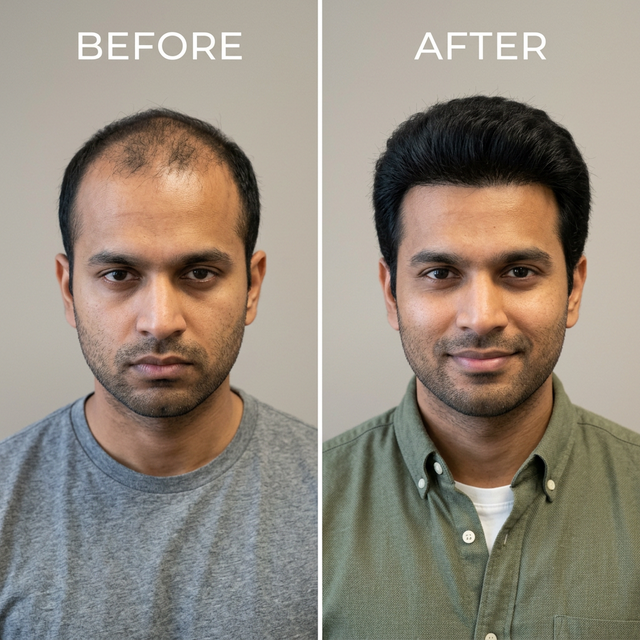
"How painful is PRP injection — really?" It is the single most common question we hear from first-time patients at DenceSpot Clinic. The honest answer: most patients rate the overall PRP injection pain at 3 to 4 out of 10 when proper numbing is used. It is not painless, but it is far more tolerable than most people expect. Below, we break down the pain at every step so you know exactly what to prepare for.
Understanding How Painful Is Prp Injection can significantly impact your final results. PRP (Platelet-Rich Plasma) injections have become a mainstream treatment for hair restoration, facial rejuvenation, and joint healing across clinics in India. Yet fear of pain remains the number one reason patients delay or avoid the procedure entirely. The reality is that PRP involves a level of discomfort that is manageable for virtually everyone — and understanding what each step feels like goes a long way toward removing that anxiety. In this detailed guide, we explain how painful PRP injection is at every stage, what the pain actually feels like, and exactly how clinicians minimize discomfort.
Breaking Down PRP Pain Step by Step
At DenceSpot Clinic, How Painful Is Prp Injection is a very common point of discussion. A PRP session has three distinct phases, and each comes with its own pain profile. Let us walk through them one by one so there are no surprises.
Step 1: The Blood Draw (Pain Level: 1-2 out of 10)
Understanding How Painful Is Prp Injection can significantly impact your final results. Every PRP procedure starts with drawing 15-20 ml of blood from a vein in your arm — exactly like a routine blood test. You will feel a brief pinch when the needle enters the skin, followed by mild pressure as the blood flows into the collection tube. The entire draw takes about 5 minutes. If you have ever had blood work done at a pathology lab, this feels identical. Most patients barely notice it.
Many patients ask us about How Painful Is Prp Injection during their consultations. What makes it easier: Good hydration before your appointment plumps up your veins, making the draw quicker and less uncomfortable. Eating a light meal beforehand also helps prevent lightheadedness.
Step 2: The Waiting Period (Pain Level: 0 out of 10)
After the blood draw, you sit comfortably while the centrifuge machine spins your blood for 10-15 minutes to separate the platelet-rich layer. During this time, topical numbing cream is applied to the treatment area. There is zero discomfort during this phase — it is simply a waiting period. Many patients scroll through their phones or chat with the staff.
Step 3: The PRP Injections (Pain Level: 3-5 out of 10)
This is the phase people worry about most — and understandably so, because it involves multiple micro-injections into the treatment area. Using a fine-gauge needle (30-32 gauge, thinner than a standard blood test needle), the dermatologist delivers tiny amounts of PRP across a grid pattern. A typical scalp session involves 50-100 micro-injections spaced about 1 cm apart.
With proper numbing, most patients rate this phase at 3-4 out of 10. Without numbing, it rises to about 5-6 out of 10. The discomfort is not constant — it is a series of brief sensations, each lasting only a fraction of a second, with short pauses between them. The entire injection phase takes 15-20 minutes. For a full overview of the PRP procedure, read our guide on how PRP treatment is done step by step.
PRP Injection Pain by Body Area
Where you receive PRP injections significantly affects how much pain you feel. Different body areas have different concentrations of nerve endings, skin thickness, and sensitivity levels.
Scalp Injections (Pain Level: 3-4 out of 10)
Scalp PRP for hair loss treatment is the most common application. The scalp is moderately sensitive, but numbing cream works very effectively here. The crown and mid-scalp areas tend to be less sensitive, while the temples and frontal hairline are slightly more uncomfortable due to thinner skin and more superficial nerves. Most hair PRP patients describe the sensation as very tolerable, especially after the first few injections when they realize it is less painful than they feared.
Facial Injections (Pain Level: 4-5 out of 10)
Facial PRP (sometimes called the "vampire facial") involves injecting PRP into the cheeks, under-eye area, forehead, and nasolabial folds. The face has a higher density of sensory nerve endings compared to the scalp, which means slightly more discomfort. The under-eye area and upper lip are the most sensitive zones. However, thorough numbing cream application for 20-30 minutes before injections brings the pain down to a very manageable level for most patients.
Knee and Joint Injections (Pain Level: 4-6 out of 10)
PRP injections into joints (knee, shoulder, elbow) involve a single deeper injection rather than multiple shallow ones. The needle is longer and penetrates through soft tissue into the joint space. Patients typically feel a deep pressure or aching sensation during the injection that lasts 10-15 seconds. The injection itself is quick, but the momentary discomfort is more intense than scalp or facial PRP. A local anaesthetic is often used alongside topical numbing for joint injections.
The Pain Scale: Where PRP Injection Falls
To put PRP injection pain in perspective, here is how it compares to everyday experiences and other medical procedures on a 1-10 pain scale:
- 1-2: Mosquito bite, blood pressure cuff, routine blood test
- 3-4: PRP injection with numbing (you are here), ear piercing, waxing
- 5-6: PRP injection without numbing, dental filling without anaesthesia, tattoo on a sensitive area
- 7-8: Surgical procedure under local anaesthesia, fracture pain
- 9-10: Kidney stones, childbirth, severe burns
As you can see, PRP with numbing falls in the "mild discomfort" range — comparable to experiences most adults have already been through. It is far below the threshold of anything that would be considered genuinely painful by medical standards.
What Does PRP Injection Actually Feel Like?
Clinical pain scales are useful, but nothing beats hearing it described in real terms. Here is what patients at DenceSpot Clinic most commonly report:
Pressure: The most frequently described sensation. Patients feel a firm pressing feeling at each injection point, similar to someone pushing a pen tip against the skin. This is the needle entering the superficial tissue layer.
Pinch: A brief, sharp pinch that lasts less than a second. This occurs as the needle pierces the skin surface. With numbing cream, many patients do not feel the pinch at all — only the deeper pressure.
Stinging: A mild stinging or burning sensation that lasts 2-3 seconds after each injection. This is caused by the PRP fluid entering the tissue and is the most noticeable part of the experience. Patients describe it as similar to an ant bite or a mild nettle sting that fades quickly.
Warmth: Some patients report a warm or tingling sensation spreading from each injection point. This is caused by the growth factors in the PRP triggering a local biological response and is completely normal.
Importantly, the discomfort is intermittent, not constant. Between injections, you feel nothing. Most patients say the anticipation of each injection is worse than the injection itself — and by the midpoint of the session, they have fully relaxed. To understand more about what PRP involves, see our guide on what PRP therapy is.
Nervous About PRP Pain? Talk to Us First
At DenceSpot Clinic Gurgaon, we use advanced numbing techniques to ensure your PRP session is as comfortable as possible. Book a free consultation to discuss your concerns and see the clinic before committing.
Book Free ConsultationNumbing Techniques Used to Reduce PRP Injection Pain
No reputable clinic performs PRP injections without some form of pain management. Here are the most common numbing methods used to minimize discomfort:
Topical Numbing Cream (Most Common)
A thick layer of lidocaine-based anaesthetic cream is applied to the treatment area 15-30 minutes before injections begin. The cream numbs the superficial nerve endings in the skin, significantly reducing the sensation of the needle entering. This is the standard approach at most clinics, including DenceSpot, and is effective for the vast majority of patients. It reduces perceived pain by approximately 50-70%.
Nerve Block Injections
For patients with high pain sensitivity or those undergoing extensive treatment areas, a local anaesthetic (such as lidocaine) can be injected at specific nerve points around the scalp or face. This provides deeper, more complete numbness than topical cream. The nerve block injection itself causes a brief sting, but once it takes effect (within 2-3 minutes), the treatment area becomes almost entirely numb.
Ice and Cold Therapy
Applying ice packs to the treatment area before and between injections numbs the skin and constricts superficial blood vessels. Some dermatologists alternate between sections — numbing one area with ice while injecting another. This simple technique is surprisingly effective and often used alongside numbing cream for enhanced comfort.
Vibration Devices
Some advanced clinics use handheld vibration devices placed near the injection site during PRP administration. Based on the gate control theory of pain, vibration signals travel faster than pain signals to the brain, effectively "blocking" the pain message. Patients who have experienced this technique report a noticeable reduction in perceived discomfort.
Pain During vs Pain After PRP Injection
Understanding the difference between procedural pain and post-procedural discomfort helps set realistic expectations.
During the Procedure (15-20 minutes)
As described above, you feel intermittent pinching, pressure, and brief stinging at each injection point. The numbing cream handles most of the superficial sensation. Between injections, there is no pain. Most patients describe the overall experience as "mildly uncomfortable but completely manageable." The discomfort ends the moment the last injection is delivered.
Immediately After (First 1-2 Hours)
As the numbing cream wears off, you may notice a dull, tender feeling across the treated area — similar to the feeling after bumping your head gently. The scalp or face may feel warm, slightly swollen, and sensitive to touch. This is completely normal and is caused by the micro-trauma of the injections and the biological response to the PRP.
Post-Procedure Soreness (24-48 Hours)
Mild soreness and tenderness at the injection sites can persist for 1-2 days. It typically feels like a light bruise — noticeable when you press on the area but not bothersome during daily activities. Some patients experience a mild headache after scalp PRP, which responds well to paracetamol. By 48-72 hours, virtually all post-procedure discomfort has resolved completely.
Important: Avoid aspirin and ibuprofen (NSAIDs) after PRP, as they can interfere with the platelet-mediated healing process. Paracetamol is the recommended option if you need pain relief. Learn more about what PRP is and how it works.
First Session vs Subsequent Sessions: Does It Get Easier?
The overwhelming answer from patients is yes — PRP gets easier with each session. Here is why:
- Reduced anxiety: The first session carries the most psychological stress because you do not know what to expect. Once you have been through it and realized it was manageable, subsequent sessions feel significantly less daunting. Anxiety amplifies pain perception, so less anxiety directly means less perceived pain.
- Familiarity with the process: You know when the pinches will come, how long the session takes, and what the stinging feels like. This mental preparedness makes the experience feel less intense.
- Improved scalp condition: Some dermatologists observe that healthier, better-nourished scalp tissue (which develops over the course of PRP sessions) may respond slightly differently to injections. While this is anecdotal, many patients confirm it.
- Trust in your practitioner: Building rapport with your dermatologist over multiple sessions creates a comfort level that genuinely reduces the stress response during treatment.
At DenceSpot Clinic, we typically see patients visibly relax by the second or third session. Many tell us they were surprised how quickly the fear disappeared once they knew what the procedure involved. For details on the recommended session schedule, see our guide on how many PRP sessions are needed for hair.
Tips to Make Your PRP Injection Less Painful
While your clinic handles the medical numbing, there are several things you can do on your end to minimize discomfort:
- Stay well hydrated: Drink at least 2-3 litres of water in the 24 hours before your appointment. Good hydration makes the blood draw easier and improves overall tissue condition.
- Eat before your appointment: A light, nutritious meal 1-2 hours before PRP prevents lightheadedness and helps your body handle the minor stress of the procedure.
- Avoid caffeine on the day: Caffeine can increase anxiety and make you more sensitive to pain. Switch to decaf or herbal tea on PRP day.
- Practice deep breathing: Slow, deep breaths during the injection phase activate your parasympathetic nervous system, which naturally reduces pain perception. Inhale for 4 counts, hold for 4, exhale for 4.
- Distract yourself: Listen to music, a podcast, or an audiobook during the procedure. Many DenceSpot patients bring earphones and find that audio distraction makes the session pass quickly.
- Communicate with your dermatologist: If you feel a particularly sharp injection, let the doctor know. They can pause, reapply numbing, or adjust their technique. A good practitioner will always prioritize your comfort.
- Avoid alcohol the night before: Alcohol thins the blood, increases bleeding at injection sites, and can lower your pain threshold. Skip it for at least 24 hours before PRP.
- Schedule wisely: Book your session at a time when you are calm and unhurried. Rushing to the clinic stressed will heighten your pain sensitivity. Allow extra time so you arrive relaxed.
If you are considering PRP alongside other treatments, learn about hair transplant options and how PRP can complement surgical restoration for enhanced results.
Experience Comfortable PRP at DenceSpot Clinic
Our team uses advanced numbing protocols, fine-gauge needles, and patient-first techniques to make PRP as painless as possible. Thousands of patients trust DenceSpot for gentle, effective PRP treatment in Gurgaon.
Book Free ConsultationFrequently Asked Questions
How painful is PRP injection on a scale of 1 to 10?
Most patients rate PRP injection pain between 3 and 4 out of 10 when topical numbing cream is applied beforehand. Without numbing, it may reach 5-6 out of 10. The pain is brief and tolerable — comparable to mild pinching or light pressure on the scalp.
Is PRP more painful than a tattoo?
PRP injections are generally considered less painful than a tattoo. Tattoos involve continuous needle contact over extended periods, while PRP injections are quick micro-injections that last only a fraction of a second each. With numbing cream, most patients find PRP significantly more comfortable than tattooing.
What does PRP injection feel like on the scalp?
Patients commonly describe scalp PRP injections as a series of tiny pinches or pressure points. Some feel a brief stinging sensation as the PRP fluid enters the tissue. The forehead hairline and temples tend to be slightly more sensitive than the crown area.
Does the blood draw for PRP hurt?
The blood draw feels identical to a routine blood test — a brief pinch when the needle enters the vein, followed by mild pressure. It takes about 5 minutes and is the least uncomfortable part of the entire PRP procedure.
How long does pain last after PRP injection?
Most patients experience mild tenderness or soreness at the injection sites for 24-48 hours after PRP. This feels similar to a mild bruise and does not require pain medication for most people. Significant pain is rare and typically resolves within 72 hours.
Can I take painkillers before PRP to reduce pain?
Avoid aspirin, ibuprofen, and other NSAIDs before PRP, as they inhibit platelet function and can reduce treatment effectiveness. Paracetamol (acetaminophen) is safe to take before or after PRP if needed. Always consult your dermatologist before taking any medication around your PRP session.
Is PRP injection on the face more painful than on the scalp?
Facial PRP injections can be slightly more uncomfortable than scalp injections because facial skin has more nerve endings. However, with proper numbing cream application, most patients tolerate facial PRP very well and rate the pain at 3-5 out of 10.
Does PRP get less painful with each session?
Many patients report that subsequent PRP sessions feel less painful than the first. This is partly because you know what to expect, reducing anxiety-related pain amplification. Some patients also find that their scalp becomes less sensitive over time as the tissue responds to treatment.