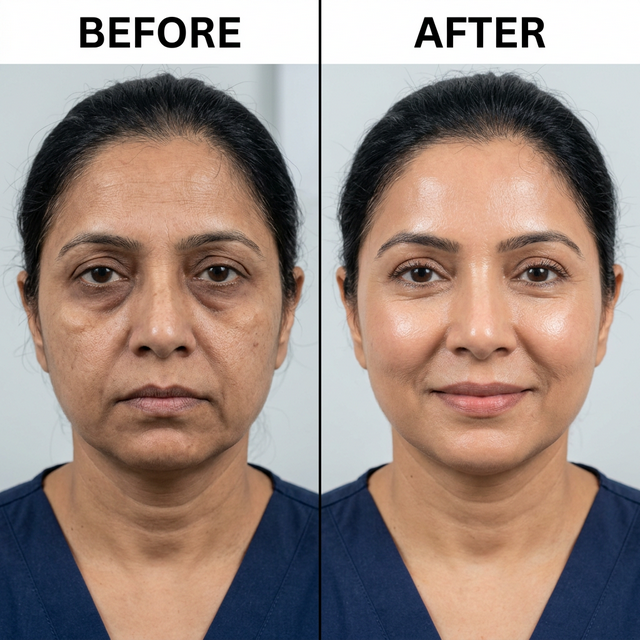
At DenceSpot Clinic, How Long Does Prp Last is a very common point of discussion. One of the most common questions patients ask after starting PRP therapy is — how long will these results actually last? It is a fair question, especially when you are investing time, money, and hope into a treatment for hair loss. The honest answer is that PRP results typically last 12 to 18 months with proper maintenance, but the full picture is more nuanced. In this comprehensive guide, we break down exactly how long PRP lasts for different applications, what factors affect longevity, and how you can maximise your results for as long as possible.
Many patients ask us about How Long Does Prp Last during their consultations. At DenceSpot Clinic in Gurgaon, we have treated thousands of patients with Platelet-Rich Plasma therapy for hair loss, facial rejuvenation, and other concerns. Through years of clinical experience, we have developed a clear understanding of how long PRP benefits persist and what patients can do to extend them. Whether you are considering your first PRP session or are already several sessions in and wondering about the road ahead, this guide will give you the answers you need.
At DenceSpot Clinic, How Long Does Prp Last is a very common point of discussion. Understanding PRP longevity is not just about numbers — it is about setting realistic expectations, planning your treatment budget, and making informed decisions about your long-term hair health strategy. Let us walk through everything you need to know about how long PRP lasts and what determines the duration of your results.
How Long Does PRP Last? The Short Answer
Many patients ask us about How Long Does Prp Last during their consultations. The results of PRP therapy for hair loss generally last 12 to 18 months after completing the initial treatment course, provided you follow up with recommended maintenance sessions. This is the timeframe most dermatologists and clinical studies agree upon, and it aligns with what we consistently observe at DenceSpot Clinic.
To be more specific, here is what the timeline typically looks like. After your initial course of 3 to 4 PRP sessions spaced 3 to 4 weeks apart, you will begin to see meaningful improvements in hair density, thickness, and reduced shedding by the 3rd to 6th month. These results peak around the 6 to 12 month mark. Without maintenance sessions, the benefits will gradually begin to diminish after 12 to 18 months as the stimulatory effects of the concentrated growth factors wear off.
However, and this is the critical point — with regular maintenance sessions every 4 to 6 months, most patients sustain and even continue to improve their results for years. PRP is not a one-and-done treatment. It is a long-term hair health strategy that rewards consistency. Patients who commit to a maintenance schedule consistently report better outcomes than those who complete the initial course and then stop entirely.
The 12 to 18 month figure refers to the duration of benefit from a single treatment cycle without additional sessions. When you layer maintenance sessions on top, you are essentially resetting and reinforcing the biological stimulus each time, creating a cumulative and sustained effect on your hair follicles.
Understanding Why PRP Results Fade
To understand why PRP results are not permanent from a single treatment, you need to understand what PRP actually does at the biological level. When Platelet-Rich Plasma is injected into your scalp, the concentrated platelets release a cocktail of growth factors — including Platelet-Derived Growth Factor (PDGF), Vascular Endothelial Growth Factor (VEGF), Transforming Growth Factor (TGF-beta), and Epidermal Growth Factor (EGF). These growth factors perform several important functions.
They increase blood supply to the hair follicles by stimulating angiogenesis — the formation of new blood vessels. They prolong the anagen (growth) phase of the hair cycle, which means your hair stays in its active growing stage for longer. They stimulate dermal papilla cells at the base of the follicle to multiply and become more active. And they reduce inflammation around the follicle that may be contributing to miniaturisation and hair loss.
All of these effects are genuinely powerful and clinically proven. However, PRP does not permanently alter the genetic programming of your hair follicles. The underlying cause of hair loss — whether it is androgenetic alopecia driven by DHT sensitivity, or other factors — remains present. PRP creates an enhanced biological environment that counteracts these forces, but once the growth factor stimulation fades, the follicles gradually return to their baseline state.
Think of it this way: PRP is like high-quality fertiliser for a garden. While the fertiliser is active, your plants grow thicker, healthier, and more vigorously. But the soil conditions, the weather, and the plant's genetics have not changed. Over time, without re-application, the garden returns to its natural state. This is not a failure of the treatment — it is simply how biology works. The good news is that, just like re-fertilising a garden, maintenance PRP sessions can keep your hair in that enhanced state indefinitely.
The hair growth cycle itself also plays a role. Human hair goes through three phases: anagen (growth, lasting 2 to 7 years), catagen (transition, lasting 2 to 3 weeks), and telogen (resting and shedding, lasting 2 to 4 months). PRP influences follicles at various stages of this cycle, but as individual hairs naturally cycle through these phases, the PRP-stimulated improvements gradually phase out unless reinforced with additional treatment.
PRP Longevity for Different Applications
PRP is used for various medical and aesthetic purposes, and the duration of results differs depending on the application. Here is a breakdown of how long you can expect PRP to last for each common use case.
PRP for Hair Loss — 12 to 18 Months
Hair loss treatment is where PRP demonstrates its longest-lasting effects. After a complete initial course, patients typically enjoy 12 to 18 months of improved hair density and reduced shedding. This is because hair follicles are relatively stable structures that retain the structural and vascular benefits of PRP stimulation for an extended period. The new blood vessels formed around the follicles do not disappear overnight, and follicles that were pushed into a prolonged anagen phase take time to cycle back to their baseline. For detailed information on treatment frequency, read our guide on how often to do PRP for hair.
PRP for Facial Rejuvenation — 9 to 12 Months
Facial PRP results typically last 9 to 12 months. The collagen and elastin stimulation from PRP improves skin texture, reduces fine lines, and enhances overall radiance. However, facial skin is constantly exposed to environmental aggressors — UV radiation, pollution, free radicals, and the natural aging process — which erode these gains faster than in the relatively protected scalp environment. Most facial PRP patients benefit from sessions every 6 to 9 months to maintain their youthful appearance.
PRP for Joint and Orthopaedic Conditions — 6 to 12 Months
In orthopaedic applications such as knee osteoarthritis, tennis elbow, or ligament injuries, PRP results generally last 6 to 12 months. The shorter duration compared to hair and skin applications is due to the constant mechanical stress that joints and tendons endure during daily activities. The tissue repair and anti-inflammatory effects of PRP are gradually overcome by ongoing wear and tear. Many orthopaedic patients require repeat injections every 6 to 12 months for sustained pain relief and improved function.
Factors That Determine How Long PRP Lasts
Not every patient experiences the same duration of PRP results. Several individual factors significantly influence how long your specific results will last. Understanding these factors can help you set realistic expectations and take proactive steps to maximise longevity.
Age
Younger patients tend to experience longer-lasting PRP results. This is because younger individuals have a higher baseline concentration of growth factors in their blood, more active stem cells, and a more robust healing response. A patient in their late 20s or early 30s with early-stage thinning will typically retain PRP benefits longer than a patient in their 50s with more advanced hair loss. However, PRP is effective and worthwhile at any age — the maintenance schedule may simply need to be more frequent for older patients.
Genetics and Type of Hair Loss
The genetic component of your hair loss plays a significant role. Patients with mild to moderate androgenetic alopecia who still have a good number of miniaturised but living follicles tend to see longer-lasting results. Those with more aggressive genetic hair loss patterns may experience a faster return of shedding as their genetic programming reasserts itself. Similarly, patients with non-genetic hair loss (such as stress-related telogen effluvium) often see longer-lasting benefits because the underlying trigger can be addressed alongside PRP treatment.
Severity of Hair Loss
Patients with early-stage hair thinning — Norwood stage 2 to 3 for men and Ludwig stage 1 for women — generally experience longer-lasting PRP results compared to those with more advanced loss. This is because early-stage patients have more responsive follicles that can be effectively stimulated. In advanced stages, many follicles may already be permanently miniaturised or scarred, leaving fewer targets for PRP to work on. This is why starting PRP early gives you the best long-term outcomes. Learn more about how long PRP takes to work for different stages.
Overall Health and Medical Conditions
Your general health directly impacts how well your body utilises the growth factors in PRP. Patients with well-controlled health conditions, good cardiovascular function, and no chronic inflammatory disorders tend to see longer-lasting results. Conditions such as uncontrolled diabetes, thyroid disorders, autoimmune diseases, or chronic anaemia can diminish PRP effectiveness and reduce the duration of results. Addressing these underlying conditions alongside PRP treatment is essential for optimal outcomes.
Smoking and Alcohol Consumption
Smoking is one of the biggest enemies of PRP longevity. Nicotine constricts blood vessels, reduces oxygen delivery to the scalp, increases oxidative stress, and impairs the healing cascade that PRP relies on. Smokers consistently show shorter PRP result duration compared to non-smokers. Similarly, excessive alcohol consumption causes dehydration, nutrient depletion, and liver stress — all of which undermine PRP effectiveness. If you are investing in PRP treatment, reducing or eliminating smoking and moderating alcohol intake will significantly extend your results.
Stress Levels
Chronic stress elevates cortisol levels, which can push hair follicles into the telogen (shedding) phase prematurely and counteract the growth-promoting effects of PRP. Patients who manage their stress effectively — through exercise, meditation, adequate sleep, or other stress-management techniques — tend to maintain PRP results longer. Conversely, patients going through prolonged periods of high stress may find their results diminishing faster than expected.
Nutritional Status
Your hair follicles need adequate nutrition to maintain the growth that PRP stimulates. Deficiencies in iron, vitamin D, zinc, biotin, and protein can significantly shorten PRP result duration. Patients with excellent nutritional profiles — particularly adequate protein intake, healthy iron and ferritin levels, and sufficient micronutrients — provide the best biological foundation for PRP to work on and maintain its effects.
The Role of Maintenance Sessions
If there is one takeaway from this entire article, it should be this: maintenance sessions are the single most important factor in determining how long your PRP results last. Without maintenance, you are relying on a single burst of growth factor stimulation to carry you indefinitely. With maintenance, you are continuously reinforcing and building upon previous gains.
The typical maintenance protocol recommended by dermatologists, and what we follow at DenceSpot Clinic, involves sessions every 4 to 6 months after the initial treatment course. Here is what a standard long-term PRP schedule looks like:
Months 1 to 3 (Initial Course): 3 to 4 sessions spaced 3 to 4 weeks apart. This establishes the foundation by flooding your follicles with concentrated growth factors during a compressed timeframe. For complete details on the initial treatment plan, read our guide on how many PRP sessions are needed.
Months 6 to 7 (First Maintenance): A single booster session approximately 3 to 4 months after the last session of your initial course. This reinforces the biological changes before they begin to fade.
Months 10 to 12 (Second Maintenance): Another single session to sustain results through the first year. By this point, patients who have been consistent with maintenance typically report better hair density than at any point during the initial treatment course, as the cumulative effect builds.
Year 2 Onwards: Sessions every 4 to 6 months, adjusted based on individual response. Some patients with stable results may extend to every 6 to 8 months, while those with more aggressive hair loss patterns may benefit from staying at the 4-month interval. Your dermatologist will personalise this based on your ongoing assessment.
The cost-effectiveness of maintenance sessions is actually quite favourable when you consider the alternative. A single maintenance session every 4 to 6 months is far less burdensome than daily medication regimens, and the cumulative improvement in hair quality and confidence is invaluable. Many of our patients at DenceSpot describe their PRP maintenance as a straightforward part of their self-care routine — no different from a dental cleaning or an annual health check-up.
Want a Personalised PRP Maintenance Plan?
At DenceSpot Clinic Gurgaon, our dermatologists create customised PRP treatment and maintenance schedules based on your specific hair loss pattern, health profile, and goals. Get expert guidance on maximising your PRP investment.
Book Free ConsultationWhat Happens When PRP Wears Off
One of the biggest fears patients have is that PRP will suddenly "stop working" and they will lose all their hair overnight. This is not how it works at all. When PRP effects wear off, the process is gradual, not sudden. Understanding this is important for managing expectations and knowing when to schedule your next maintenance session.
Here is the typical progression when PRP stimulation fades. In the first phase, around months 12 to 14 after your last session, you may notice a very slight increase in hair shedding during washing or brushing. This is usually subtle — perhaps 10 to 20 extra hairs per day compared to your best results. The hair density and thickness you gained will still be largely intact at this stage.
In the second phase, around months 14 to 16, the shedding may increase slightly more, and you might notice that new hair growth has slowed. Some of the finer, newer hairs that grew during PRP treatment may become thinner. However, the thicker, more established hairs will still be present and healthy.
In the third phase, around months 16 to 18 and beyond, without any maintenance intervention, your hair will gradually trend back toward its pre-treatment state. This does not mean you will suddenly be worse off than before PRP — it means you will slowly return to whatever trajectory your hair loss was on before treatment began.
Critically, PRP does not cause rebound hair loss. Stopping PRP will not make you lose hair faster than you would have without the treatment. You simply lose the protective and stimulatory benefits it was providing. Think of it as removing a shield rather than creating a new problem. This is an important distinction that separates PRP from certain medications where discontinuation can sometimes trigger a temporary shedding phase.
The gradual nature of PRP wear-off is actually an advantage — it gives you a clear window to schedule maintenance sessions before significant reversal occurs. Most patients can identify the early signs of fading results and proactively book their next appointment.
How to Extend Your PRP Results
While maintenance sessions are the primary tool for sustaining PRP results, several complementary strategies can significantly extend the longevity of each treatment. Incorporating these into your daily routine creates an environment where PRP's effects persist longer and more robustly.
Optimise Your Nutrition
Hair is made primarily of keratin, a protein. Ensuring adequate protein intake — at least 0.8 to 1 gram per kilogram of body weight daily — provides the building blocks your follicles need to capitalise on PRP stimulation. Indian vegetarians should pay particular attention to protein sources such as paneer, dal, soy, eggs (if included), and nuts. Additionally, ensure you are getting sufficient iron (especially important for women), vitamin D (deficiency is extremely common in India despite the sunny climate), zinc, omega-3 fatty acids, and B-complex vitamins including biotin.
Consider Complementary Topical Treatments
Using minoxidil (as prescribed by your dermatologist) between PRP sessions can significantly extend results. Minoxidil works through a different mechanism — it is a vasodilator that increases blood flow to the scalp — and its effects complement PRP's growth factor stimulation beautifully. The combination is greater than either treatment alone. Other topical options such as peptide serums, caffeine-based scalp treatments, and prescribed formulations can also support PRP longevity. For more details on complementary treatments, refer to how long PRP treatment lasts.
Take Recommended Supplements
Based on your blood work results, your dermatologist may recommend specific supplements. Common recommendations include biotin (2.5 to 5 milligrams daily), iron and ferritin supplements if levels are low, vitamin D3 if deficient (very common in Indian patients), zinc supplements, and omega-3 fish oil capsules. These do not replace PRP but provide the nutritional substrate that allows PRP-stimulated follicles to function optimally for longer.
Follow a Proper Scalp Care Routine
A healthy scalp environment extends PRP results. Use a gentle, sulphate-free shampoo to avoid stripping natural oils. Keep your scalp clean — oily or flaky scalps have higher levels of inflammation that counteract PRP. If you have dandruff or seborrhoeic dermatitis, get it treated, as scalp inflammation is a significant contributor to hair loss acceleration. Avoid harsh chemical treatments, excessive heat styling, and tight hairstyles that cause traction alopecia.
Lifestyle Modifications
Quit smoking or at least reduce it significantly — this alone can extend PRP results by several months. Moderate alcohol consumption. Exercise regularly, as cardiovascular fitness improves blood circulation to the scalp. Prioritise sleep — growth hormone, which supports hair growth, is primarily released during deep sleep. Practice stress management through meditation, yoga, or any activity that helps you decompress. These lifestyle factors collectively create a biological environment where PRP's effects are amplified and prolonged.
PRP Longevity vs Other Hair Loss Treatments
To put PRP longevity in perspective, it helps to compare it with other common hair loss treatments. Each approach has a different duration of effect and maintenance requirement, and understanding these differences will help you make the best treatment decisions.
PRP vs Minoxidil
Minoxidil (Rogaine) requires daily topical application — twice a day for the liquid form, once a day for the foam. Its effects last only as long as you continue using it. Stop minoxidil, and the benefits begin fading within weeks, with most gains lost within 3 to 6 months of discontinuation. In contrast, PRP provides months of benefit from each session without any daily commitment. Many dermatologists recommend combining both — PRP for periodic intensive stimulation and minoxidil for daily maintenance — to achieve the best of both worlds.
PRP vs Finasteride
Finasteride is an oral medication that blocks the conversion of testosterone to DHT, the hormone primarily responsible for androgenetic alopecia. Like minoxidil, finasteride requires continuous daily use — stop taking it, and hair loss resumes within months. Finasteride also carries potential side effects that concern many patients. PRP offers a side-effect-free alternative (since it uses your own blood) with results that persist for months between sessions. For patients who are unable or unwilling to take finasteride, PRP provides a compelling non-pharmaceutical approach.
PRP vs Hair Transplant
A hair transplant is the only truly permanent solution for hair loss, as transplanted follicles are genetically resistant to DHT and continue growing for life. However, a hair transplant addresses only the transplanted area — it does not prevent ongoing thinning of your existing native hair. This is where PRP plays a critical complementary role. Many hair transplant patients use PRP to protect and strengthen their non-transplanted hair, improve graft survival, and maintain overall hair density long-term. The combination of a hair transplant for permanent coverage and PRP for ongoing native hair maintenance is widely considered the gold standard approach.
PRP vs Mesotherapy
Mesotherapy involves injecting a cocktail of vitamins, amino acids, and medications directly into the scalp. Results typically last 3 to 6 months — shorter than PRP — because the injected compounds are metabolised and cleared more quickly than the biological response triggered by PRP's growth factors. PRP creates a cascade of healing and regeneration that outlasts the immediate presence of the growth factors themselves, which is why its effects persist longer than mesotherapy.
Real Patient Expectations at DenceSpot Clinic
At DenceSpot Clinic in Gurgaon, we believe in honest, transparent communication about what PRP can and cannot do. Here is what we tell every patient during their consultation.
PRP is a marathon, not a sprint. The patients who achieve the best long-term results are those who commit to the full initial course and follow through with maintenance. Skipping sessions or stopping prematurely is the most common reason for underwhelming results. We see a clear correlation — patients who complete 3 to 4 initial sessions and maintain every 4 to 6 months consistently report high satisfaction rates year after year.
Individual results vary genuinely. We have patients who maintain excellent density with just two maintenance sessions per year, and others who benefit from three. Age, genetics, lifestyle, and the specific nature of your hair loss all play a role. Rather than promising a fixed outcome, we monitor your progress at every session and adjust the plan accordingly.
Combination approaches yield the best results. While PRP alone produces meaningful improvements, combining it with complementary treatments — such as a tailored topical regimen, nutritional optimisation, and in some cases a hair transplant — delivers outcomes that exceed what any single treatment can achieve. We develop personalised multi-pronged treatment plans for each patient based on their specific needs and goals.
Starting early makes a significant difference. Patients who begin PRP at the first signs of thinning — rather than waiting until significant loss has occurred — consistently achieve longer-lasting and more dramatic results. If you have noticed your parting widening, your hairline receding, or more hair in your comb than usual, do not wait. The sooner you start, the more follicles PRP has to work with, and the longer your results will last.
We encourage every potential patient to come in for a thorough scalp assessment and consultation. This allows us to evaluate your specific situation, discuss realistic expectations, and create a treatment plan that maximises both the effectiveness and longevity of your PRP results.
Maximise Your PRP Results — Start with Expert Guidance
Whether you are considering PRP for the first time or looking to optimise your existing treatment, DenceSpot Clinic provides evidence-based care with personalised treatment plans. Book a free consultation with our dermatologists today.
Book Free ConsultationFrequently Asked Questions
How long does PRP last for hair loss?
PRP results for hair loss typically last 12 to 18 months after completing the initial course of 3 to 4 sessions. However, the duration varies depending on the severity of hair loss, your age, genetics, overall health, and lifestyle factors. Maintenance sessions every 4 to 6 months are strongly recommended to sustain and build upon your results over time.
Do PRP results fade suddenly or gradually?
PRP results fade gradually, not suddenly. You will not wake up one morning and find all your hair gone. As the growth factor stimulation diminishes over several months, you may notice a slow increase in hair shedding and a gradual reduction in the thickness gained. This gives you plenty of time to schedule a maintenance session before significant reversal occurs.
Can PRP results be permanent?
PRP results are not permanent from a single treatment course because the therapy stimulates existing follicles rather than permanently altering their genetic programming. However, with consistent maintenance sessions every 4 to 6 months, many patients maintain excellent hair density for years. Think of PRP as an ongoing investment in your hair health rather than a one-time fix.
How often should I get PRP maintenance sessions?
After completing your initial course of 3 to 4 PRP sessions, maintenance sessions are recommended every 4 to 6 months. Some patients with aggressive hair loss patterns may benefit from sessions every 3 to 4 months in the first year, gradually spacing them out as their hair stabilises. Your dermatologist will create a personalised maintenance schedule based on your response to treatment.
Does PRP last longer for facial rejuvenation or hair loss?
PRP generally lasts longer for hair loss (12 to 18 months) compared to facial rejuvenation (9 to 12 months). This is because hair follicles retain the structural benefits of PRP stimulation for a longer period, while the collagen and elastin benefits in facial skin are subject to ongoing environmental damage from UV exposure, pollution, and natural aging processes.
What happens if I stop PRP maintenance sessions completely?
If you stop PRP maintenance sessions entirely, the benefits will gradually diminish over 12 to 18 months. Your hair will slowly return to its pre-treatment trajectory of thinning and shedding. However, you will not lose hair faster than you would have without PRP — you simply lose the protective and stimulatory benefits the treatment was providing. You can restart PRP at any time to regain benefits.
How can I make my PRP results last longer?
To extend PRP longevity, maintain a protein-rich balanced diet, take recommended supplements like biotin and iron, use minoxidil or other prescribed topical treatments between sessions, avoid smoking and excessive alcohol, manage stress levels, protect your scalp from harsh sun exposure, and follow your dermatologist prescribed hair care routine. These lifestyle measures support the biological environment that PRP creates.
Is PRP more long-lasting than minoxidil or finasteride?
PRP and medications like minoxidil and finasteride work differently. Minoxidil requires daily application and its effects stop within weeks of discontinuation. Finasteride also requires continuous daily use. PRP provides benefits that persist for months after each session, making it more convenient. However, the best long-term results are often achieved by combining PRP with complementary treatments as recommended by your dermatologist.