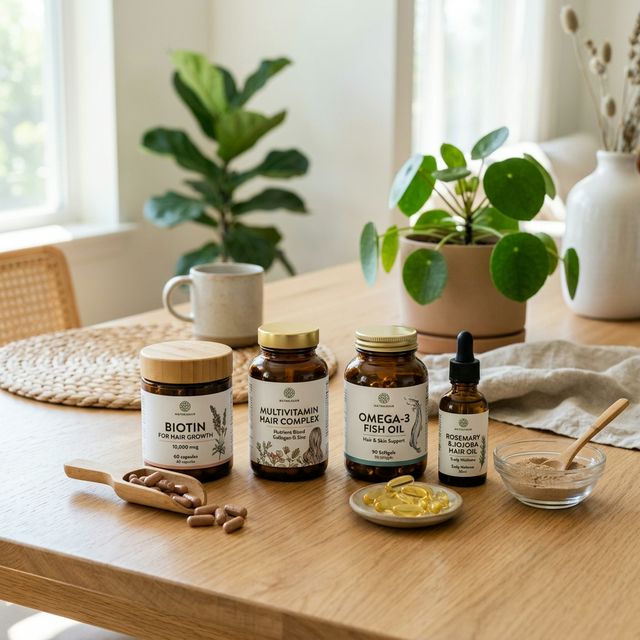
One of the most common concerns among gym-goers is this — "I started taking whey protein and my hair began falling out. Does protein powder cause hair loss?" This is a question we hear every week at DenceSpot Clinic. Today, let us address this topic thoroughly — backed by science.
The fitness industry in India is booming. Gym memberships are on the rise, protein powder sales are at an all-time high, and a large number of people are taking supplements. However, alongside this trend, a growing fear has emerged — will these supplements cause hair loss? Let us examine the facts in detail and separate truth from myth.
Whey Protein Basics — Understanding What It Is
Whey protein is extracted from cow's milk. During the cheese-making process, the remaining liquid contains whey protein. It is a complete protein source that contains all essential amino acids.
There are three main types:
Whey Concentrate: Contains 70-80% protein with some lactose and fat. It is the most common and affordable option.
Whey Isolate: Contains 90%+ protein with minimal lactose. It is more refined and better absorbed by the body.
Whey Hydrolysate: A pre-digested form with the fastest absorption rate. It is the most expensive option.
Pure whey protein does not contain any harmful ingredient that directly causes hair loss. It is essentially concentrated milk protein — similar to consuming paneer or yogurt. So where did the controversy originate? Read on to find out.
Whey Protein and Hair Loss — Is There a Direct Connection?
Short answer: Pure whey protein does not directly cause hair loss.
However, the matter is not that straightforward. There are certain indirect mechanisms through which whey protein may contribute to hair fall — but it does not "cause" it. Understanding this distinction is important:
1. The Testosterone and DHT Connection
Resistance training (weight lifting) naturally increases testosterone levels — which is beneficial for muscle building. Whey protein supports this process because protein is essential for muscle recovery and growth.
Testosterone in the body is converted into DHT (dihydrotestosterone) through the 5-alpha reductase enzyme. DHT shrinks genetically sensitive hair follicles. The chain of events is as follows: gym training + protein intake leads to better muscle growth, which leads to higher testosterone levels, potentially resulting in increased DHT conversion, and ultimately hair follicle miniaturization (if there is a genetic predisposition).
Important nuance: This only affects individuals who carry the genetic predisposition for hair loss. If your father or grandfather did not experience baldness, this mechanism is unlikely to affect you. In hair fall prevention, genetic risk assessment is always the first step.
2. Insulin-Like Growth Factor (IGF-1)
Whey protein increases IGF-1 levels, which is beneficial for muscle growth. However, some research suggests that elevated IGF-1 also stimulates sebaceous gland activity, which can lead to excess sebum production on the scalp. Excess sebum can worsen dandruff and scalp issues.
3. Additives and Hidden Ingredients
This is the most important point to consider. Many protein powders contain more than just protein — they are often mixed with: testosterone boosters (Tribulus, D-Aspartic Acid), DHEA (a hormone precursor), creatine (discussed separately below), artificial sweeteners and preservatives, and high doses of BCAAs.
These additives can trigger hair loss — not the whey protein itself.
Creatine and Hair Loss — A Genuine Concern
Creatine is the most popular gym supplement after whey protein. Its connection to hair loss is more concerning:
The Study: In 2009, a study conducted on South African rugby players found that after 3 weeks of creatine supplementation, their DHT levels increased by 56%. The DHT-to-testosterone ratio also rose significantly.
A 56% increase in DHT is substantial. DHT directly causes hair follicle miniaturization in genetically susceptible individuals. Therefore, if you are at risk for genetic hair loss, it is advisable to exercise caution with creatine.
However, context is important: This was a single study, and replicated studies remain limited. The same effect may not occur in all individuals. There may be differences between short-term and long-term use. If there is no genetic predisposition, the risk is minimal.
Our recommendation: If there is a family history of hair loss and you are taking creatine, consult a hair specialist. Have your DHT levels checked through blood tests. If you notice hair thinning, discontinue creatine and evaluate the situation.
Gym Supplements — Safe vs Risky for Hair
SAFE Supplements
Whey Protein (pure): Completely safe. It is actually beneficial for keratin production as it provides the necessary protein. Protein is essential for hair, and whey is an excellent source.
Omega-3 Fish Oil: Has anti-inflammatory properties. It improves scalp health and enhances hair texture.
Vitamin D: If you are deficient, supplementation is essential. Vitamin D plays a critical role in hair follicle cycling.
Zinc: Safe and beneficial for hair in moderate doses (30-50mg). However, excessive zinc intake can be harmful.
Multivitamin: Provides general nutritional support and helps maintain overall hair health.
Caffeine (pre-workout): Caffeine can actually support hair growth, making caffeine-based pre-workouts a safe choice.
USE WITH CAUTION
Creatine: Safe for most individuals, but those with a genetic risk of hair loss should monitor their condition. Regular DHT level checks are recommended.
BCAAs (high dose): Excessive BCAA supplementation can affect testosterone metabolism. Normal doses (5-10g) are considered safe.
Mass Gainers: These often contain hidden ingredients. Read the label carefully. Inexpensive mass gainers frequently have poor quality control.
RISKY / AVOID
Anabolic Steroids: These are the primary culprit behind gym-related hair loss. Steroids directly elevate testosterone and DHT to extremely high levels. Hair loss is common in 60-70% of steroid users. This type of hair loss tends to be very aggressive, with significant balding occurring within months.
Testosterone Boosters: Ingredients such as Tribulus terrestris, D-Aspartic Acid, and Fenugreek extract all claim to increase testosterone. If they actually work as claimed, DHT levels will also rise, thereby increasing the risk of hair loss.
DHEA Supplements: DHEA is a hormone precursor that the body converts into testosterone. It directly increases the risk of hair loss.
SARMs: Selective Androgen Receptor Modulators are marketed as "safer steroids," but they do cause hair loss and their long-term effects remain unknown.
Working Out but Experiencing Hair Loss?
At DenceSpot Clinic, we offer specialized hair assessments for gym-goers. From supplement review and hormonal panel analysis to scalp assessment — everything is covered in a single visit. Protect both your gains and your hair.
Book Free ConsultationAnabolic Steroids — The Real Villain Behind Gym-Related Hair Loss
This section is particularly important because many people use steroids but blame whey protein for their hair loss.
Anabolic steroids are synthetic forms of testosterone. When injected testosterone is administered, testosterone levels in the body can rise to 10-100 times above normal levels. A significant portion of this massive testosterone increase is converted into DHT. The result is rapid, aggressive hair loss.
Common steroids that cause hair loss include: Testosterone (all forms — enanthate, cypionate, propionate), Trenbolone (causes the most aggressive hair loss), Dianabol, Winstrol (Stanozolol), Masteron (a DHT derivative that directly causes hair loss), and Anadrol.
If you are currently using or have previously used steroids and are experiencing hair loss, whey protein is not the cause. While steroid-induced damage is difficult to reverse, it is not impossible — significant recovery is achievable through clinical treatments. PRP treatment and microneedling can help revive damaged follicles.
A Hair-Friendly Diet Plan for Gym-Goers
Want to build muscle while keeping your hair healthy? This diet plan is optimized for both goals:
Protein Sources (Hair + Muscle Friendly)
Eggs: A complete protein source rich in biotin and iron. Consuming 3-4 whole eggs daily is excellent. Eggs are one of the best foods for both hair and muscle health.
Chicken Breast: An excellent source of lean protein along with zinc and iron. A daily intake of 200g is recommended for gym-goers.
Paneer (Cottage Cheese): An excellent option for vegetarians, providing protein, calcium, and healthy fats.
Dal and Rice Combination: Provides a complete amino acid profile. This classic Indian combination is beneficial for both muscle and hair health.
Greek Yogurt: Rich in protein and probiotics. It improves gut health, which in turn enhances nutrient absorption.
Hair-Specific Additions
Walnuts: Rich in Omega-3, Vitamin E, and biotin. Consume a handful daily for best results.
Spinach: An excellent source of iron, folate, and Vitamin C. It is a superstar ingredient for hair growth. Read our hair nutrition guide for more details.
Sweet Potato: Contains beta-carotene (a Vitamin A precursor) and complex carbohydrates. Ideal for post-workout recovery and hair health.
Berries: Packed with antioxidants and Vitamin C. They support collagen production and improve iron absorption.
Pumpkin Seeds: Rich in zinc, magnesium, and healthy fats. Zinc also mildly inhibits DHT production.
Foods to Limit
Excessive sugar and processed foods increase inflammation. Alcohol affects liver function, which disrupts hormonal balance. Excessive dairy consumption (in some individuals) can cause IGF-1 spikes that may worsen scalp issues.
Clinical Treatments — Specifically for Gym-Goers
If supplements or lifestyle factors associated with gym training have contributed to hair loss, these treatments can help:
PRP Therapy
PRP treatment involves extracting growth factors from your own blood and injecting them into the scalp. This is particularly effective for gym-goers because their blood already contains elevated growth factors due to regular exercise — making the concentrated PRP treatment even more powerful. Read the complete details about PRP treatment here.
Microneedling + Growth Serums
Scalp microneedling stimulates collagen production and dramatically improves the absorption of topical serums. Gym-goers already have better blood flow to the scalp due to regular exercise, which means results from microneedling are even faster.
LED Light Therapy
LED therapy boosts cellular energy and reduces inflammation. Since the body experiences inflammation after heavy workouts, LED therapy supports overall recovery, including scalp recovery.
DHT-Blocking Topicals
Oral finasteride can be problematic for gym-goers as it affects testosterone metabolism. However, topical DHT blockers such as caffeine-based formulations, saw palmetto, and ketoconazole shampoo are safe alternatives that do not impact muscle gains.
Practical Guide — How to Balance Gym Training and Hair Health
Supplement Choice: Use pure whey protein isolate. Avoid blends with hidden ingredients. Make it a habit to read labels carefully. Incorporate weekly scalp massages with hair oils — ideally on rest days.
Training Style: Moderate intensity training is optimal, as extreme overtraining raises cortisol levels. Take rest days — both muscle and hair growth occur during recovery. Include cardio exercises, as improved blood circulation benefits overall scalp health.
Monitor Your Progress: Track your monthly hair fall count. If you have started a new supplement, evaluate its effects after 2-3 months. Take before-and-after photos for comparison. Get annual blood tests to check testosterone, DHT, iron, and vitamin levels.
Even if you require a hair transplant, you can continue going to the gym — you will only need a 2-4 week break during the recovery period. Skin treatments are also fully compatible with your gym routine.
Bottom Line — You Can Maintain Both Your Fitness and Your Hair
The final takeaway is this — pure whey protein does not cause hair loss. Those who notice hair loss after starting their gym journey usually have one or more of the following underlying reasons: genetic hair loss that coincidentally begins during gym-going age, use of anabolic steroids or testosterone boosters, creatine sensitivity (in those with a genetic predisposition to hair loss), overtraining and stress, or a poor diet despite regular exercise.
Make smart supplement choices, follow a clean diet, and seek professional help promptly if you notice hair loss. At DenceSpot Clinic, we design hair-friendly treatment protocols specifically for gym-goers that align with your fitness goals.
Want Gains and Great Hair? You Can Have Both.
DenceSpot Clinic in Gurgaon offers customized hair treatment plans for gym-goers. Supplement guidance, clinical treatments, and diet plans — all under one roof. Book your free consultation today.
Book Free ConsultationFrequently Asked Questions
Is regular whey protein safe for hair?
Yes, standard whey protein concentrate or isolate is safe for your hair. It is a pure protein source that actually supports hair keratin production. Problems arise only when whey is combined with testosterone boosters or excessive BCAA intake.
Does creatine really cause hair loss?
One study showed that creatine supplementation increased DHT levels by up to 56%. However, this was a single study and the results are not conclusive. If you have a genetic predisposition to hair loss, exercise caution with creatine use and consult a doctor.
Does heavy gym training increase hair fall?
Regular exercise does not increase hair fall — in fact, it promotes hair growth by improving blood circulation. However, overtraining (excessive exercise without adequate recovery) raises cortisol levels, which can trigger hair fall.
Is plant-based protein powder safe for hair?
Yes, pea protein, soy protein, and hemp protein are all safe. Soy protein contains phytoestrogens that mildly inhibit DHT. Plant-based proteins are generally more hair-friendly options.
What is the best hair-friendly supplement stack for gym-goers?
Whey protein isolate combined with Omega-3, Vitamin D, Zinc, and Biotin (if deficient). This stack supports muscle building while also maintaining hair health. Avoid testosterone boosters and anabolic supplements.
Do pre-workout supplements cause hair fall?
Standard pre-workout ingredients such as caffeine, beta-alanine, and citrulline do not cause hair fall. However, some pre-workouts contain hidden testosterone boosters or DHEA — always check the ingredients list carefully.