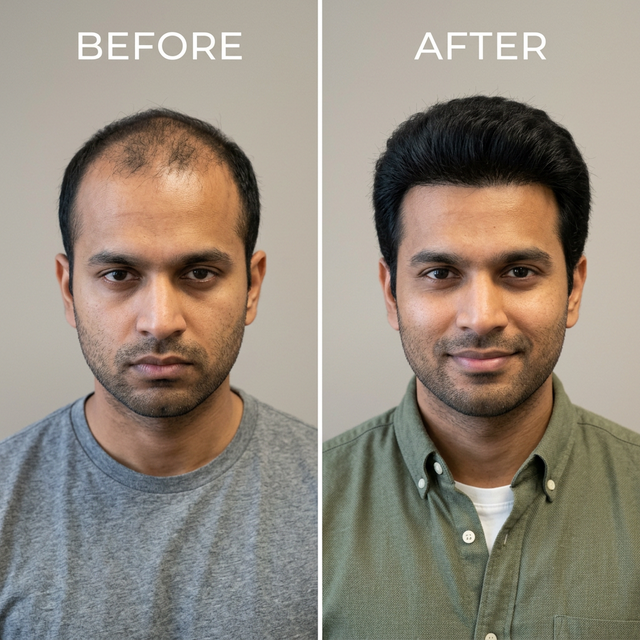
Is PRP dangerous? The short answer is no. PRP (Platelet-Rich Plasma) therapy is one of the safest regenerative medical treatments available today. Because it uses your own blood — processed and re-injected into the treatment area — the risk of allergic reactions, immune rejection, or systemic complications is virtually zero. When performed by qualified professionals in a sterile clinical setting, PRP carries fewer risks than many everyday medical procedures you have already undergone without a second thought.
Yet if you search online for "is PRP dangerous," you will find no shortage of alarming headlines, sensationalised social media posts, and anonymous forum warnings that paint PRP as a risky, experimental treatment. This disconnect between medical reality and public perception is precisely what this article aims to address. We will separate the myths from the medically verified facts, explain what genuine risks exist, and help you make a fully informed decision about PRP therapy.
Why Do People Think PRP Is Dangerous?
Before we debunk the myths, it is worth understanding why the question "is PRP dangerous" arises in the first place. Several factors contribute to this misconception:
1. Fear of Needles and Blood
When exploring Is Prp Dangerous, it is crucial to understand all the facts. PRP involves both a blood draw and multiple injections. For people with needle phobia or haemophobia (fear of blood), the mere description of the procedure can trigger anxiety that translates into perceived danger. The sight of blood being drawn, centrifuged, and re-injected sounds far more invasive than it actually is. In reality, the blood draw is identical to a routine blood test, and the injections are performed with ultra-fine needles after numbing cream has been applied.
2. Social Media Misinformation
A single dramatic post about a "PRP gone wrong" experience can reach millions of people, while thousands of successful treatments go undocumented. Social media algorithms reward shocking content, which means negative experiences — often from unregulated settings — get disproportionate visibility. This creates a skewed perception of PRP safety that does not reflect clinical reality.
3. Confusion with Other Procedures
PRP is sometimes grouped together with more invasive treatments like stem cell injections, synthetic filler procedures, or surgical interventions. People who hear "injection into the scalp" may mentally compare it to procedures that carry genuinely higher risk profiles. In truth, PRP is far simpler and safer than most of these alternatives.
4. Lack of Understanding About Autologous Treatments
Many people do not realise that PRP uses their own blood. When they hear "blood product being injected," they may imagine donor blood or a pharmaceutical drug with potential side effects. The autologous nature of PRP — meaning it comes from your own body — is the very feature that makes it exceptionally safe.
Myths vs Facts: Is PRP Really Dangerous?
Let us address the most common myths about PRP danger head-on, with medically accurate facts to counter each one.
Myth 1: PRP Can Cause Severe Allergic Reactions
Fact: Allergic reactions to PRP are essentially impossible. Since PRP is prepared from your own blood, your immune system recognises it as "self." There is no foreign protein, no synthetic chemical, and no donor material involved. The risk of an allergic or anaphylactic reaction — which exists with drugs, contrast dyes, and synthetic fillers — simply does not apply to PRP. This is one of the fundamental reasons why PRP treatment has such an outstanding safety record.
Myth 2: PRP Injections Can Cause Cancer
Fact: There is zero scientific evidence that PRP causes cancer. While PRP contains growth factors that stimulate cell regeneration, these are the same growth factors already circulating in your bloodstream at all times. They do not have the ability to transform healthy cells into cancerous ones. PRP is contraindicated in patients with active cancer as a precautionary measure — not because it causes cancer, but because any growth-promoting treatment is avoided when malignant cells are present.
Myth 3: PRP Carries a Risk of Blood-Borne Infections
Fact: Since you are receiving your own blood back, there is no risk of contracting blood-borne diseases like HIV, hepatitis, or other infections through the PRP itself. The only infection risk — which is extremely small — comes from the injection site, and this is the same risk that exists with any injection, including vaccinations and blood tests. Proper sterilisation protocols, as followed at reputed clinics like DenceSpot, reduce this risk to near zero.
Myth 4: PRP Has Dangerous Long-Term Side Effects
Fact: PRP has been used clinically for over three decades across dermatology, orthopaedics, dentistry, and sports medicine. In that time, no dangerous long-term side effects have been documented in medical literature. The growth factors in PRP are metabolised by the body within days to weeks, and the regenerative effects they trigger follow your body's natural healing pathways. There is no accumulation, no toxicity, and no delayed adverse reaction associated with PRP.
Myth 5: PRP Can Damage Hair Follicles or Cause More Hair Loss
Fact: PRP does not damage hair follicles. On the contrary, it nourishes and revitalises them. Some patients experience temporary shedding in the first 2 to 3 weeks after PRP — this is a well-documented phenomenon called "shedding phase" that occurs because PRP resets the hair growth cycle, pushing weak hairs out to make way for stronger ones. This temporary shedding is actually a positive sign and not an indication of damage. Learn more about how PRP works for hair in our guide on PRP therapy explained.
Myth 6: PRP Is an Experimental, Unproven Treatment
Fact: PRP is backed by hundreds of peer-reviewed clinical studies and is used by licensed medical professionals in hospitals, sports medicine centres, and dermatology clinics worldwide. It is not experimental — it has been a mainstream medical treatment for decades. The PRP preparation devices used in clinics are FDA-cleared, and the procedure is performed within established medical guidelines.
What Makes a Medical Procedure "Dangerous" — and Why PRP Does Not Qualify
To objectively assess whether PRP is dangerous, we need to define what makes any medical procedure genuinely dangerous. A treatment is considered high-risk when it involves one or more of the following:
- General anaesthesia: PRP requires no anaesthesia — just a topical numbing cream.
- Incisions or surgical cutting: PRP involves no incisions. It is a needle-based injection procedure.
- Foreign substances with known toxicity: PRP uses only your own blood. No synthetic chemicals enter your body.
- High complication rates: Published studies consistently report PRP complication rates below 1%, with virtually all complications being minor and self-resolving.
- Significant recovery time: PRP has zero downtime. Patients return to normal activities the same day.
- Risk of permanent damage: No cases of permanent damage from properly administered PRP have been documented in medical literature.
By every objective medical criterion, PRP is classified as a low-risk, minimally invasive procedure. Comparing it to genuinely dangerous procedures — such as open surgery, chemotherapy, or treatments requiring general anaesthesia — puts its safety profile into proper perspective.
The Autologous Advantage: Why Your Own Blood Is the Safest Medicine
The single most important safety feature of PRP is that it is an autologous treatment — meaning it uses biological material derived from your own body. This eliminates the three biggest risk categories in medicine:
- No risk of allergic reaction: Your immune system cannot reject what it already recognises as its own tissue.
- No risk of disease transmission: Unlike donor blood products, there is zero chance of contracting infections from another person.
- No risk of immune rejection: Foreign substances can trigger inflammatory responses and rejection. Your own platelets integrate seamlessly because they are biologically identical to what is already in your bloodstream.
This autologous nature is why PRP is often recommended for patients who cannot tolerate synthetic medications or who prefer natural treatment approaches. It is also why PRP has an almost zero serious adverse event rate across millions of procedures performed globally each year.
Worried About PRP Safety? Talk to Our Experts
At DenceSpot Clinic Gurgaon, every PRP session follows international safety protocols. Get a free consultation to discuss your concerns, medical history, and treatment suitability with our qualified specialists.
Book Free ConsultationWhen PRP CAN Become Risky
While PRP itself is not dangerous, certain circumstances can introduce unnecessary risk. It is important to be aware of these so you can avoid them:
1. Unqualified Providers
PRP should only be administered by licensed medical professionals — dermatologists, trichologists, or trained aesthetic physicians. When performed by untrained individuals at beauty parlours, spas, or unregulated "clinics," the risk of complications increases significantly. An unqualified provider may use incorrect injection depths, improper centrifugation settings, or fail to screen for contraindications.
2. Non-Sterile Environments
Any injection-based procedure requires strict sterilisation protocols. If PRP is performed in a facility that does not follow proper hygiene standards — unsterilised equipment, reused needles, contaminated surfaces — the risk of infection rises dramatically. This is not a flaw of PRP itself but of the environment in which it is administered. Reputed clinics like DenceSpot Clinic follow hospital-grade sterilisation protocols for every procedure.
3. Ignoring Contraindications
Certain medical conditions make PRP inadvisable. When providers skip the medical screening step or patients withhold their health information, treatments may be performed on individuals for whom PRP is not appropriate. A responsible clinic always conducts a thorough health assessment before proceeding.
4. Substandard Equipment
The quality of the PRP preparation depends heavily on the centrifuge and collection kit used. Low-quality or non-certified equipment may produce a PRP concentrate that is too dilute (ineffective) or contaminated with red blood cells (causing excessive inflammation). Always verify that your clinic uses FDA-cleared PRP preparation systems.
Contraindications: Who Should Avoid PRP?
PRP is safe for the vast majority of people, but there are specific groups for whom it is not recommended. These contraindications exist as precautionary measures, not because PRP has caused harm to these populations:
- Platelet disorders: Conditions like thrombocytopenia (low platelet count) or platelet dysfunction syndrome mean the PRP produced will be suboptimal and may not heal properly.
- Active cancer: Growth factors in PRP could theoretically stimulate existing malignant cells. PRP is avoided until the patient is in remission.
- Chronic liver disease: Impaired liver function can affect blood clotting factors and platelet quality.
- Active systemic infections or sepsis: Introducing injections during an active infection increases complication risk.
- Anticoagulation therapy: Blood thinners affect platelet function and increase bruising and bleeding risk at injection sites.
- Pregnancy and breastfeeding: As a precautionary measure, PRP is deferred until after pregnancy and lactation.
- Haemodynamic instability: Patients with severe anaemia or very low blood pressure should not undergo blood draws for PRP.
At DenceSpot Clinic, every patient undergoes a comprehensive medical screening before PRP treatment. This ensures that only suitable candidates receive the procedure, maintaining our track record of zero serious complications.
PRP Danger Compared to Everyday Medical Procedures
Sometimes the best way to understand a procedure's risk level is to compare it with medical procedures you already consider routine and safe. Here is how PRP stacks up against everyday treatments:
PRP vs Dental Fillings
A dental filling involves drilling into tooth enamel, injecting local anaesthetic, and applying synthetic composite materials. The risks include nerve damage, allergic reaction to filling material, and infection. PRP involves none of these — no drilling, no synthetic materials, and the anaesthetic is a simple topical cream. If you have ever had a filling without worrying about danger, PRP should be even less concerning.
PRP vs Vaccinations
Vaccines inject foreign biological material (attenuated viruses, mRNA, adjuvants) into your body to trigger an immune response. While vaccines are overwhelmingly safe and essential, they carry a small risk of allergic reactions and side effects because they introduce foreign substances. PRP, by contrast, introduces nothing foreign — only your own concentrated blood components.
PRP vs Routine Blood Tests
The blood draw for PRP is identical to a standard blood test. The injection component adds only the minor additional step of re-introducing your processed blood into the treatment area. If you have had a blood test without considering it dangerous, the blood draw portion of PRP should cause no additional concern.
PRP vs Over-the-Counter Painkillers
Common medications like ibuprofen and paracetamol carry documented risks of gastrointestinal bleeding, liver damage, kidney problems, and cardiovascular events when used regularly. PRP has no systemic side effects whatsoever because it acts locally at the injection site using your own biological material. By this comparison, taking a painkiller carries more measurable risk than a PRP session.
How DenceSpot Clinic Ensures Zero-Risk PRP Treatments
At DenceSpot Clinic in Gurgaon, patient safety is not just a priority — it is a non-negotiable standard built into every step of the PRP process. Here is how we ensure your treatment is as safe as medically possible:
- Qualified Medical Team: Every PRP session is performed by experienced, licensed dermatologists and trichologists — never by technicians or assistants.
- Comprehensive Pre-Treatment Screening: We evaluate your complete medical history, current medications, allergies, and any pre-existing conditions before clearing you for PRP.
- FDA-Cleared Equipment: We use internationally certified centrifuge systems and sterile, single-use PRP collection kits to ensure optimal platelet concentration and zero contamination.
- Hospital-Grade Sterilisation: Our clinic follows strict sterilisation protocols for all instruments, surfaces, and treatment areas. All needles and consumables are single-use and disposed of safely.
- Personalised Treatment Plans: We do not follow a one-size-fits-all approach. Your PRP type, concentration, injection depth, and treatment frequency are customised to your specific condition and goals.
- Post-Treatment Follow-Up: We monitor every patient after treatment to ensure proper healing and address any concerns promptly.
- Transparent Communication: We explain every step of the procedure, discuss realistic expectations, and answer all your questions before proceeding. Informed consent is mandatory.
Our approach to PRP safety has resulted in thousands of successful treatments with an outstanding patient satisfaction record. Whether you are considering PRP for hair loss, PRP for facial rejuvenation, or exploring PRP as a complement to hair transplant surgery, you can trust that your wellbeing is in expert hands at DenceSpot.
If you still have concerns about whether PRP is dangerous or want to discuss your specific medical situation, we encourage you to book a free consultation. Our specialists will address every question and help you decide if PRP is the right treatment for you. You can also read our related articles on is PRP safe and does PRP have side effects for additional reassurance.
Ready for Safe, Effective PRP Treatment?
Join thousands of satisfied patients who have experienced safe, results-driven PRP therapy at DenceSpot Clinic Gurgaon. Your free consultation includes a complete medical assessment and personalised treatment plan.
Book Free ConsultationFrequently Asked Questions
Is PRP dangerous for hair treatment?
No, PRP is not dangerous for hair treatment. It uses your own blood, which eliminates the risk of allergic reactions or immune rejection. When performed by qualified professionals in a sterile environment, PRP hair treatment has an excellent safety profile with only minor temporary side effects like mild swelling or redness.
Can PRP injections cause cancer?
There is no scientific evidence linking PRP injections to cancer. PRP uses your body's own platelets and growth factors, which function within normal biological processes. However, PRP is not recommended for patients with active cancer as a precautionary measure, since growth factors could theoretically stimulate existing malignant cells.
What are the worst side effects of PRP?
The most common side effects of PRP are mild and temporary — including redness, swelling, bruising, and tenderness at the injection site. These typically resolve within 24 to 72 hours. Serious complications like infection are extremely rare and almost exclusively linked to non-sterile environments or unqualified providers.
Is PRP more dangerous than Botox or fillers?
No, PRP is generally considered safer than Botox or synthetic fillers. Botox uses a neurotoxin, and fillers are synthetic substances that carry risks of vascular occlusion, migration, and granulomas. PRP uses only your own blood components, eliminating the risk of foreign body reactions or toxin-related complications.
Can PRP go wrong?
PRP can produce unsatisfactory results if performed by unqualified providers, in non-sterile settings, or on patients with contraindications. However, serious medical complications are exceptionally rare. Choosing a reputed clinic with experienced doctors virtually eliminates the risk of anything going wrong.
Who should not get PRP treatment?
PRP is not recommended for people with platelet disorders (thrombocytopenia), active cancer, chronic liver disease, systemic infections, sepsis, or those on anticoagulation therapy. Pregnant and breastfeeding women should also avoid PRP. A thorough medical screening before treatment ensures patient safety.
Is PRP FDA approved?
The PRP preparation devices and kits are FDA-cleared, but PRP therapy itself is classified as an autologous blood product rather than a drug, so it does not require FDA approval in the traditional sense. It is widely accepted and practised by licensed medical professionals globally, supported by extensive clinical research.
How can I make sure my PRP treatment is safe?
Choose a licensed clinic with qualified dermatologists or trichologists, ensure they use FDA-cleared centrifuge equipment, verify the facility follows strict sterilisation protocols, disclose your complete medical history, and follow all pre- and post-treatment instructions. At DenceSpot Clinic Gurgaon, every PRP session follows international safety standards.