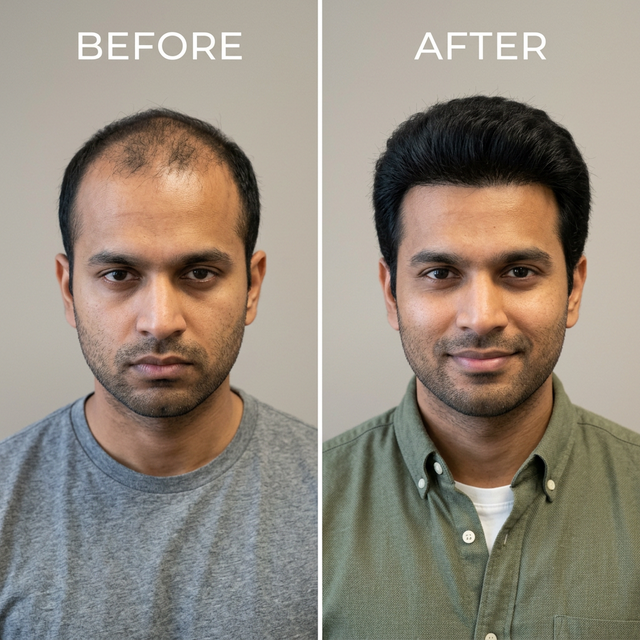
Does PRP have side effects? The short answer is yes — but they are minimal, mostly temporary, and far milder than the side effects associated with most alternative treatments. PRP (Platelet-Rich Plasma) therapy uses your own blood, which means the risk of allergic reactions, immune rejection, or serious systemic complications is extremely low. Most patients experience nothing more than mild swelling, redness, or tenderness at the injection site, all of which resolve within 24 to 72 hours.
When exploring Does Prp Have Side Effects, it is crucial to understand all the facts. If you are considering PRP therapy for hair loss, facial rejuvenation, or joint pain, understanding the potential side effects is an important part of making an informed decision. At DenceSpot Clinic in Gurgaon, we believe in complete transparency with our patients. This guide covers every known side effect of PRP — common, uncommon, and rare — so you know exactly what to expect before, during, and after your treatment.
The topic of Does Prp Have Side Effects is highly relevant for anyone considering treatment. PRP has been used safely in medical practice for over two decades, with published research across dermatology, orthopedics, sports medicine, and dentistry consistently confirming its excellent safety profile. That said, no medical procedure is entirely without risk, and being well-informed helps you prepare appropriately and recognise when something needs attention.
Common Side Effects of PRP
Understanding Does Prp Have Side Effects can significantly impact your final results. The most frequently reported side effects of PRP are mild and localised to the treatment area. These are a normal part of your body's response to the micro-injections and the concentrated growth factors being introduced into the tissue.
Swelling
Many patients ask us about Does Prp Have Side Effects during their consultations. Mild to moderate swelling at and around the injection site is the most common side effect of PRP treatment. This occurs because the concentrated platelets trigger an immediate inflammatory healing response — which is actually the mechanism through which PRP works. The swelling is your body activating its repair processes. For scalp PRP, you may notice slight puffiness on the forehead or around the temples. For facial PRP, swelling can be more visible, particularly around the under-eye area and cheeks. This typically peaks within the first 12 to 24 hours and resolves completely within 48 hours.
Redness
Redness at the injection sites is almost universal and nothing to worry about. The micro-needle punctures combined with the inflammatory response from the PRP cause temporary erythema (skin reddening). On the scalp, this is largely hidden by hair. On the face, it may resemble a mild sunburn. The redness usually fades within 24 to 48 hours, though patients with sensitive or fair skin may notice it for up to 72 hours.
Tenderness and Soreness
The treated area may feel tender or sore to the touch for 1 to 3 days after the procedure. This is particularly common with scalp PRP, where multiple injections are administered across a broad area. The soreness is similar to what you might feel after a vigorous scalp massage — uncomfortable but not painful. Sleeping on the treated side may be slightly uncomfortable on the first night. Over-the-counter pain relief such as paracetamol (not aspirin or ibuprofen, as these can interfere with the platelet activity) can help if needed.
Bruising
Small bruises may appear at the injection sites or at the point where blood was drawn from your arm. Bruising is more common in patients who have thinner skin, those who take supplements like fish oil or vitamin E (which have mild blood-thinning effects), and older patients. Bruises from PRP injections are typically small — pinpoint to the size of a fingertip — and fade within 5 to 7 days. On the scalp, bruising is usually concealed by hair.
Mild Pain During and After the Procedure
While a topical numbing cream or local anaesthetic is applied before PRP injections, some patients still feel a pinching or stinging sensation during the procedure. This is brief and tolerable for the vast majority of patients. Post-procedure, a dull ache or throbbing may persist for a few hours, particularly after scalp PRP where numerous injection points are involved. This discomfort typically resolves on its own within the same day or by the following morning.
Less Common Side Effects of PRP
These side effects occur in a smaller percentage of patients and are still considered medically insignificant. They resolve on their own without intervention.
Headache After Scalp PRP
Some patients report a mild to moderate headache following scalp PRP treatment. This can result from the multiple micro-injections across the scalp, temporary tension in the scalp muscles, or mild dehydration if the patient did not drink enough water before the session. The headache usually responds well to paracetamol and resolves within a few hours. Staying well-hydrated before and after your appointment significantly reduces the likelihood of this side effect.
Temporary Hair Shedding
This one understandably causes concern, but it is actually a positive sign. Some patients notice increased hair shedding 1 to 3 weeks after their first or second PRP session. This phenomenon — known as "shock shedding" — occurs because the PRP growth factors push resting (telogen phase) hair follicles into a new growth cycle. The old, weak hairs fall out to make way for new, thicker, healthier strands. The shedding is temporary and typically lasts 2 to 4 weeks. If you are considering PRP for hair loss, our guide on what is PRP for hair explains this growth cycle in more detail.
Dizziness or Light-Headedness
A small number of patients may feel dizzy or light-headed during or immediately after the procedure. This is usually related to the blood draw rather than the PRP injection itself — similar to how some people feel faint after giving a blood sample. Anxiety about needles can also contribute. This side effect is brief, typically lasting only a few minutes, and is easily managed by sitting still, drinking water, and taking slow deep breaths. At DenceSpot Clinic, we ensure patients are comfortable and monitored throughout the procedure.
Itching at the Injection Site
Mild itching around the treated area may develop as the healing process begins, typically 24 to 48 hours after the procedure. This is part of the normal tissue repair response and is temporary. Avoid scratching the area, especially after scalp PRP, as this can irritate the treated follicles. The itching resolves on its own within a day or two.
Rare and Serious Side Effects of PRP
Serious complications from PRP are exceptionally uncommon. In published medical literature involving thousands of patients, the incidence of serious adverse events is well below 1%. However, it is important to be aware of these possibilities.
Infection
Any procedure that involves needle punctures carries a theoretical risk of infection. With PRP, this risk is estimated at less than 0.1% when performed in a sterile clinical environment using proper aseptic technique. Signs of infection include increasing redness, warmth, pus discharge, fever, or worsening pain after the first 48 hours. At DenceSpot Clinic, we follow strict sterilisation protocols — single-use needles, medical-grade disinfection, and certified closed-system centrifuge kits — to virtually eliminate this risk.
Nerve Injury
In extremely rare cases, a needle may irritate or injure a superficial nerve during injection. This can cause temporary numbness, tingling, or a sharp shooting pain in the treated area. Nerve injuries from PRP are almost always temporary and resolve within a few days to weeks as the nerve heals. The risk is minimised when the procedure is performed by an experienced practitioner who understands the anatomy of the treatment area. This is one of the key reasons to choose a reputed clinic with trained specialists.
Tissue Damage
Improper injection technique — such as injecting too deeply or using excessive pressure — could theoretically cause damage to underlying tissue structures. This is an operator-dependent risk, meaning it is related to the skill of the practitioner rather than the PRP itself. In the hands of qualified professionals, tissue damage is essentially non-existent. This risk underscores the importance of choosing an experienced clinic rather than opting for the cheapest available option.
Calcification at Injection Site
There are rare reports in orthopedic literature of calcium deposits forming at PRP injection sites in joints and tendons. This is extremely uncommon in cosmetic and hair PRP applications and is primarily a concern in musculoskeletal treatments where PRP is injected into deep tissue structures.
Side Effects by Treatment Area
The side effects you experience can vary depending on where PRP is administered. Here is a breakdown by treatment area:
Scalp PRP (for Hair Loss)
Scalp PRP for hair restoration is the most commonly performed PRP procedure in India. Side effects specific to scalp treatment include:
- Scalp tenderness and soreness: The most common complaint, lasting 1 to 3 days.
- Mild headache: Reported by approximately 10 to 15% of patients.
- Temporary hair shedding: Occurs in about 5 to 10% of patients, usually after the first session.
- Tiny bumps at injection sites: Small raised points that flatten within hours.
- Minor bleeding: Pinpoint bleeding at needle entry points that stops within minutes.
Overall, scalp PRP is extremely well-tolerated. Most patients return to work and normal activities the same day.
Facial PRP (Vampire Facial)
Facial PRP treatment tends to produce slightly more visible side effects simply because the face is more exposed and the skin is thinner. Common side effects include:
- Facial swelling: More noticeable than scalp PRP, particularly around the eyes and cheeks. Can last 24 to 72 hours.
- Redness: May resemble a sunburn and last 1 to 3 days. Often more prominent when PRP is combined with microneedling.
- Bruising: More visible on the face than the scalp. Can take up to a week to fully resolve.
- Temporary skin sensitivity: The treated skin may feel tight, dry, or sensitive for a few days.
- Mild peeling: Some patients experience light flaking or peeling as the skin heals, particularly after combined PRP and microneedling.
Many patients schedule facial PRP before a weekend to allow any visible redness or swelling to subside before returning to work.
Joint and Musculoskeletal PRP
PRP injections for joint pain, tendon injuries, and sports injuries may produce different side effects:
- Joint stiffness: The treated joint may feel stiff for 1 to 3 days after injection.
- Increased pain initially: A temporary flare-up of pain at the injection site is common in the first 48 to 72 hours, particularly with leukocyte-rich PRP.
- Swelling within the joint: Mild joint effusion (fluid accumulation) may occur and typically resolves within a week.
- Restricted movement: Patients are usually advised to rest the treated joint for 24 to 48 hours.
Worried About PRP Side Effects?
Get honest, personalised advice from our PRP specialists at DenceSpot Clinic, Gurgaon. We will assess your medical history, explain exactly what to expect, and create a treatment plan tailored to your needs.
Book Free ConsultationHow Long Do PRP Side Effects Last?
One of the most reassuring aspects of PRP side effects is how quickly they resolve. Here is a detailed timeline:
- First 1 to 6 hours: Mild redness, minor bleeding at injection points (stops quickly), mild swelling begins. Some patients feel a dull ache or throbbing.
- 6 to 24 hours: Swelling peaks. Redness remains visible, especially on the face. Tenderness is at its highest. Headache (if any) typically occurs in this window.
- 24 to 48 hours: Swelling begins to subside. Redness fades significantly. Most discomfort resolves. Bruising (if present) becomes visible as small purple or yellowish marks.
- 48 to 72 hours: The majority of side effects have resolved by this point. Some residual tenderness may remain.
- 3 to 7 days: Any remaining bruising fades. Itching may occur briefly as the area heals. The treatment area feels completely normal for most patients.
- 1 to 4 weeks: Temporary hair shedding (if it occurs) happens during this window and resolves on its own as new growth begins.
In summary, the vast majority of PRP side effects are completely resolved within 3 to 5 days. The temporary shedding phase is the only effect that extends beyond the first week, and even that is a sign the treatment is working.
How to Minimise PRP Side Effects
While most side effects are mild and unavoidable, there are practical steps you can take before and after your PRP session to reduce their severity and duration.
Before Your PRP Session
- Stop blood-thinning supplements: Discontinue fish oil, vitamin E, ginkgo biloba, and garlic supplements 5 to 7 days before the procedure. These increase bruising risk.
- Avoid aspirin and ibuprofen: Do not take NSAIDs (non-steroidal anti-inflammatory drugs) for at least 5 days before PRP. These medications interfere with platelet function and can reduce treatment effectiveness.
- Stay hydrated: Drink plenty of water in the 24 hours before your appointment. Good hydration makes the blood draw easier and reduces the risk of dizziness and headache.
- Eat a nutritious meal: Do not arrive on an empty stomach. A light, balanced meal 1 to 2 hours before the procedure helps prevent light-headedness.
- Avoid alcohol: Do not consume alcohol for at least 48 hours before PRP. Alcohol thins the blood and increases bruising and swelling.
- Wash your hair or face: Arrive with a clean treatment area. For scalp PRP, wash your hair the morning of the appointment. For facial PRP, come with clean, makeup-free skin.
After Your PRP Session
- Do not wash the treated area for 24 hours: Allow the PRP to fully absorb into the tissue before washing.
- Avoid strenuous exercise for 48 hours: Heavy workouts increase blood flow and can worsen swelling and bruising.
- Skip saunas, steam rooms, and hot baths: Excessive heat can increase inflammation. Avoid for 48 to 72 hours.
- Do not apply ice directly: While it may be tempting to ice the swollen area, cold compresses can reduce the inflammatory response that PRP relies on to work. Only use ice if specifically advised by your doctor.
- Avoid hair styling products for 24 hours: Gels, sprays, and serums may irritate the injection sites on the scalp.
- Use paracetamol for pain if needed: Avoid aspirin and ibuprofen as they can inhibit the platelet healing process.
- Sleep slightly elevated: If you experience facial swelling, sleeping with an extra pillow can help reduce it overnight.
- Avoid sun exposure: Protect the treated area from direct sunlight for 48 to 72 hours. Use a hat for scalp PRP and broad-spectrum sunscreen for facial PRP.
PRP Side Effects vs Other Hair Loss Treatments
To put PRP side effects in perspective, let us compare them with the side effects of other common hair loss treatments.
PRP vs Minoxidil
Minoxidil (commonly sold as Rogaine or Mintop) is a topical medication applied daily to the scalp. While effective, its side effects include persistent scalp irritation, dryness, flaking, unwanted facial hair growth (especially in women), and in rare cases, dizziness or rapid heartbeat. These side effects continue for as long as you use the product — which is indefinitely. PRP side effects, by contrast, are limited to a few days after each session and do not involve any ongoing daily commitment.
PRP vs Finasteride
Finasteride (Propecia, Finpecia) is an oral prescription medication that blocks DHT. It is effective for male pattern baldness but carries a well-documented risk of sexual side effects including reduced libido, erectile dysfunction, and decreased ejaculate volume. Some patients report persistent side effects even after stopping the medication — a condition termed "post-finasteride syndrome." PRP has absolutely no hormonal or sexual side effects, making it a preferred option for patients who are concerned about these risks.
PRP vs Hair Transplant Surgery
Hair transplant surgery is a highly effective but invasive procedure. Side effects and risks include surgical pain, significant swelling (lasting 3 to 5 days), numbness in the donor and recipient areas (lasting weeks to months), visible scabbing and crusting, risk of infection, scarring, shock loss, and a recovery period of 2 to 4 weeks before returning to normal activities. PRP is non-surgical, involves no incisions, and has essentially zero downtime. Many patients use PRP both before and after a hair transplant to enhance results and speed recovery.
PRP vs Mesotherapy
Mesotherapy involves injecting a cocktail of vitamins, minerals, and medications into the scalp. Because it introduces foreign substances (unlike PRP which uses your own blood), the risk of allergic reactions is higher. Side effects include more pronounced swelling, bruising, and in rare cases, skin necrosis or granuloma formation. PRP carries none of these risks because it is autologous — derived entirely from your own body.
When to Contact Your Doctor After PRP
While PRP side effects are overwhelmingly mild and self-limiting, there are certain warning signs that warrant immediate medical attention. Contact your doctor or clinic if you experience any of the following after PRP treatment:
- Increasing pain after 48 hours: Post-PRP discomfort should be decreasing, not increasing. Worsening pain beyond 48 hours could indicate an issue.
- Signs of infection: Increasing redness with warmth, pus or discharge from injection sites, red streaking around the treated area, or fever above 100.4 F (38 C).
- Severe or spreading swelling: Mild swelling is normal, but if it spreads significantly beyond the treated area or does not begin to improve within 48 to 72 hours, seek evaluation.
- Persistent numbness or tingling: Brief tingling is not unusual, but numbness that persists for more than a few days should be assessed.
- Excessive or prolonged bleeding: The injection sites should stop bleeding within minutes. Ongoing bleeding suggests a clotting concern that needs attention.
- Allergic reaction symptoms: While exceedingly rare with PRP, any signs of hives, difficulty breathing, or facial swelling unrelated to the treatment area require immediate medical attention.
It is worth emphasising that these complications are extremely rare. In thousands of PRP sessions performed at DenceSpot Clinic, serious adverse events are virtually unheard of. However, being vigilant and knowing when to seek help is always wise.
Ready to Try PRP With Confidence?
At DenceSpot Clinic Gurgaon, your safety comes first. Our experienced specialists use advanced closed-system PRP kits, strict sterilisation protocols, and personalised treatment plans to ensure the best possible results with minimal side effects. Book your free assessment today.
Book Free ConsultationFrequently Asked Questions
Does PRP have side effects?
Yes, PRP can have minor side effects such as temporary swelling, redness, tenderness, and bruising at the injection site. However, because PRP uses your own blood, serious side effects are extremely rare. Most side effects resolve within 24 to 72 hours.
How long do PRP side effects last?
Most common PRP side effects like redness and swelling last 24 to 48 hours. Bruising may take 5 to 7 days to fully fade. Tenderness at the injection site usually resolves within 2 to 3 days. Temporary hair shedding, if it occurs, typically lasts 2 to 4 weeks before new growth begins.
Can PRP cause hair loss or shedding?
Some patients experience temporary hair shedding 1 to 2 weeks after scalp PRP treatment. This is actually a positive sign — it means the treatment is resetting hair follicles into a new, healthier growth cycle. The shedding is temporary and new, thicker hair grows in its place within a few weeks.
Is PRP safe for the scalp?
Yes, PRP is considered very safe for the scalp. Since it is derived from your own blood, there is no risk of allergic reaction or immune rejection. Scalp PRP has been extensively studied and is performed routinely at reputed clinics worldwide with an excellent safety profile.
Can PRP cause infection?
Infection after PRP is extremely rare — less than 0.1% of cases when performed in a sterile clinical environment by trained professionals. Using proper aseptic technique and a certified lab-grade centrifuge virtually eliminates this risk.
Does PRP hurt during the procedure?
Most patients describe PRP injections as mildly uncomfortable rather than painful. A topical numbing cream or local anaesthetic is applied before the procedure, significantly reducing discomfort. The blood draw from the arm feels similar to a routine blood test.
Are PRP side effects worse than minoxidil or finasteride?
No. PRP side effects are generally milder and shorter-lasting compared to daily medications like minoxidil (scalp irritation, unwanted facial hair) or finasteride (sexual side effects, hormonal changes). PRP has no systemic side effects because it uses your own blood.
Who should avoid PRP treatment?
PRP is not recommended for people with blood disorders (thrombocytopenia, platelet dysfunction), active infections, cancer, chronic liver disease, or those on anticoagulant therapy. Pregnant and breastfeeding women should also avoid PRP. Always consult a qualified doctor before treatment.