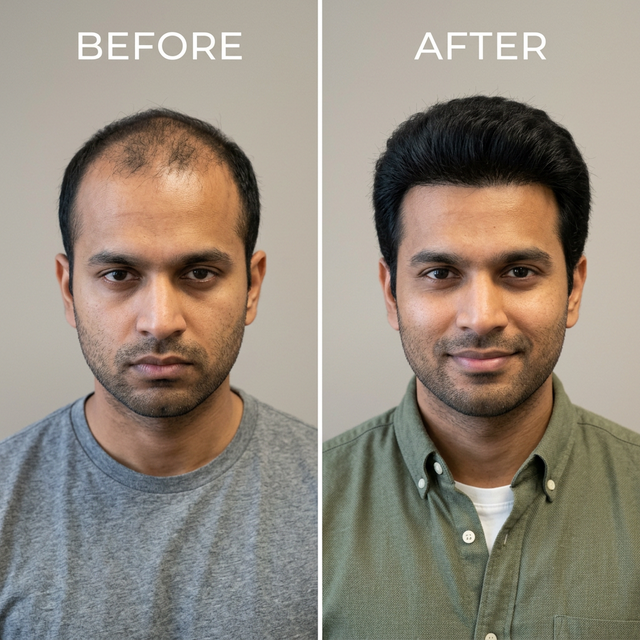
Understanding Is Prp Safe can significantly impact your final results. Yes, PRP (Platelet-Rich Plasma) treatment is one of the safest cosmetic and regenerative procedures available today. Because PRP is prepared entirely from your own blood, the risk of allergic reactions, immune rejection, or cross-contamination is virtually zero. Thousands of clinical studies and millions of treatments worldwide confirm that PRP carries an outstanding safety profile when performed by qualified medical professionals in a sterile environment.
At DenceSpot Clinic, Is Prp Safe is a very common point of discussion. If you are considering PRP for hair restoration or PRP for facial rejuvenation, safety is likely one of your top concerns — and rightfully so. Any medical procedure deserves careful scrutiny before you commit. In this comprehensive guide, we address every aspect of PRP safety: the science behind it, what clinical research says, regulatory status, who should avoid it, how it compares to alternatives, and how to choose a safe provider.
The topic of Is Prp Safe is highly relevant for anyone considering treatment. By the end of this article, you will have a thorough understanding of why PRP is considered one of the safest treatments in modern dermatology and regenerative medicine.
Why PRP Is Considered One of the Safest Medical Procedures
When exploring Is Prp Safe, it is crucial to understand all the facts. The single most important factor that makes PRP exceptionally safe is its autologous nature — meaning it comes from your own body. Here is why this matters:
- No Foreign Substances: Unlike synthetic fillers, chemical medications, or donor-based treatments, PRP introduces nothing foreign into your body. The plasma, platelets, and growth factors injected during treatment are all derived from your own blood drawn minutes before the procedure.
- Zero Allergy Risk: Allergic reactions occur when the immune system identifies a foreign substance as a threat. Since PRP is your own biological material, your immune system recognises it as self — eliminating any possibility of allergic response.
- No Risk of Disease Transmission: Treatments involving donor blood or tissue carry a theoretical risk of transmitting infections. PRP completely eliminates this risk because no external biological material is used at any stage.
- No Immune Rejection: Organ transplants and certain injectable treatments can trigger immune rejection. PRP is biocompatible by definition — your body cannot reject its own cells.
- Natural Healing Mechanism: PRP does not force an artificial chemical reaction in your tissue. It simply concentrates and redirects your body's existing healing factors to where they are needed most, working in harmony with your natural biology.
This autologous approach is the foundation of PRP's safety record. It is the reason dermatologists, trichologists, and orthopaedic surgeons around the world consider PRP to be among the lowest-risk procedures in their practice. For a deeper understanding of the science, read our guide on what is PRP therapy.
Scientific Evidence and Clinical Studies on PRP Safety
PRP safety is not just a theoretical claim — it is backed by decades of clinical research across multiple medical specialties. Here is what the evidence shows:
Systematic Reviews and Meta-Analyses
A 2019 systematic review published in the Journal of Cosmetic Dermatology analysed 14 randomised controlled trials on PRP for androgenetic alopecia (pattern hair loss). The review concluded that PRP significantly improved hair density and thickness with no serious adverse events reported across any of the studies. The most common side effects were transient pain and mild swelling at injection sites.
A 2020 meta-analysis in Dermatologic Surgery reviewing 22 clinical studies found a consistent safety profile across diverse patient populations. Adverse events were limited to minor injection-site reactions that resolved within 24 to 72 hours without any medical intervention.
Long-Term Safety Data
One of the most reassuring aspects of PRP research is the long-term follow-up data. Studies tracking patients for 12 to 24 months after PRP treatment found no delayed adverse effects, no tissue damage, and no increased cancer risk. The growth factors in PRP promote controlled, localised cell regeneration — they do not cause uncontrolled cell proliferation.
Orthopaedic and Sports Medicine Data
PRP has an even longer safety track record in orthopaedic medicine, where it has been used since the early 2000s. A comprehensive 2021 review in the American Journal of Sports Medicine evaluated over 5,000 patients who received PRP injections for joint and tendon conditions. The overall complication rate was less than 1%, with no serious adverse events. This extensive dataset provides strong confidence in PRP's long-term safety.
Facial Rejuvenation Safety Studies
Research published in Aesthetic Plastic Surgery examined PRP safety specifically for facial treatments. Across multiple studies involving hundreds of patients, PRP demonstrated an excellent safety profile for skin rejuvenation, under-eye treatment, and scar revision. The autologous nature of PRP makes it safer than synthetic dermal fillers, which carry risks of granuloma formation and vascular occlusion.
FDA Status and Regulatory Perspective
Understanding PRP's regulatory status helps clarify its position in the medical landscape:
- FDA-Cleared Devices: The US Food and Drug Administration (FDA) has cleared multiple PRP preparation devices and kits for use in medical settings. These devices are classified as Class II medical devices and must meet rigorous safety and manufacturing standards.
- Off-Label Use: While the FDA clears PRP preparation devices, it does not specifically approve PRP treatment protocols for individual conditions such as hair loss or facial rejuvenation. This is common for many widely accepted medical treatments — the procedure is considered an off-label application of an approved technology.
- Medical Community Acceptance: Despite the absence of condition-specific FDA approval, PRP is endorsed by major medical associations worldwide, including dermatology, orthopaedic, and sports medicine societies. It is practised in leading hospitals and clinics across the United States, Europe, Japan, South Korea, and India.
- Indian Regulatory Framework: In India, PRP is legally performed by qualified dermatologists, trichologists, and orthopaedic surgeons. The procedure falls under established medical practice guidelines and is offered at thousands of reputable clinics nationwide.
The absence of condition-specific FDA approval does not indicate a safety concern — it reflects the regulatory pathway for autologous treatments, which by their nature differ from manufactured pharmaceutical products.
How Clinics Ensure PRP Safety
The safety of any PRP procedure depends not only on the treatment itself but also on how it is administered. Here is what a reputable clinic should have in place:
Sterile Clinical Environment
PRP preparation and injection must be performed in a clinically sterile environment. This includes laminar airflow systems, sterilised equipment, disposable single-use kits, and strict hygiene protocols for all staff involved in the procedure.
Qualified Medical Professionals
PRP should only be administered by qualified dermatologists, trichologists, or physicians with specific training in PRP procedures. The injecting doctor must have a thorough understanding of facial or scalp anatomy to ensure precise placement and avoid complications.
Medical-Grade Centrifuge Equipment
The quality of the PRP preparation directly impacts both safety and efficacy. Medical-grade centrifuges produce consistent, reliable platelet concentrations. Low-quality or poorly calibrated equipment can result in suboptimal PRP or inadequate separation, potentially increasing infection risk.
Proper Patient Screening
A thorough pre-treatment consultation should include a review of your complete medical history, current medications, blood disorders, allergies, and any contraindications. Responsible clinics will decline to treat patients who present risk factors, rather than proceeding regardless.
Closed-System Preparation
The best PRP protocols use closed-system kits where the blood is drawn, processed, and prepared for injection within a sealed system. This minimises the risk of contamination at every stage.
Concerned About PRP Safety?
At DenceSpot Clinic, Gurgaon, every PRP session follows strict safety protocols — from sterile preparation to qualified specialists. Book a free consultation and get your questions answered in person.
Book Free ConsultationWho Should NOT Get PRP Treatment
While PRP is safe for the vast majority of people, certain medical conditions and circumstances make it inadvisable. Responsible clinics will screen for these contraindications before proceeding:
- Blood Disorders: Conditions such as thrombocytopenia (low platelet count), platelet dysfunction syndrome, and haemophilia affect the quality and function of platelets. PRP prepared from blood with compromised platelets will not deliver therapeutic benefit and may pose additional risks.
- Active Cancer: Patients with active malignancies should avoid PRP. The concentrated growth factors in PRP promote cell proliferation, which is a concern in the context of active cancer. Patients in remission should consult their oncologist before considering PRP.
- Pregnancy and Breastfeeding: PRP is not recommended during pregnancy or breastfeeding as a precautionary measure. While there is no evidence of direct harm, the hormonal changes during pregnancy make it difficult to predict treatment outcomes, and the precautionary principle applies.
- Anticoagulant Medications: Patients on blood thinners such as warfarin, heparin, or newer anticoagulants (DOACs) face increased bleeding risk during the injection process. Additionally, these medications can affect platelet function, reducing PRP efficacy. Treatment may be possible after consulting with the prescribing physician about temporarily adjusting medication.
- Chronic Liver Disease: Severe liver conditions affect clotting factor production and platelet quality, making PRP less effective and potentially riskier.
- Active Skin Infections: Any active bacterial, viral, or fungal infection at the treatment site is a contraindication. PRP should only be administered once the infection has fully resolved.
- Chronic NSAID Use: Long-term use of non-steroidal anti-inflammatory drugs (ibuprofen, aspirin, naproxen) can impair platelet function. Patients are typically advised to stop NSAIDs for 7 to 10 days before PRP treatment.
If you have any of these conditions, it does not necessarily mean PRP is permanently off the table. A qualified specialist can evaluate your individual situation and determine whether PRP is appropriate after your condition is managed or resolved.
PRP Safety Compared to Other Treatments
To put PRP's safety profile into proper perspective, it helps to compare it against other common treatments for similar conditions:
PRP vs Surgical Hair Transplant
A hair transplant is a surgical procedure involving incisions, donor area harvesting, local anaesthesia, and a recovery period of 7 to 14 days. While modern hair transplant techniques (FUE and FUT) are very safe when performed by skilled surgeons, they carry inherently higher risks than PRP — including surgical infection, scarring, nerve damage, graft failure, and anaesthesia-related complications. PRP involves no incisions, no surgery, no stitches, and zero downtime. For patients with early to moderate hair loss, PRP offers a significantly lower-risk entry point.
PRP vs Steroid Injections
Corticosteroid injections are commonly used for joint pain, alopecia areata, and inflammatory skin conditions. While effective in the short term, repeated steroid injections carry well-documented risks: skin thinning and atrophy, depigmentation, tendon weakening, fat pad atrophy, and in some cases, adrenal suppression. PRP, by contrast, promotes genuine tissue regeneration without any of these degenerative side effects. Studies have shown that PRP provides comparable or superior long-term outcomes to steroids for many conditions, with a significantly better safety profile.
PRP vs Chemical Treatments (Minoxidil and Finasteride)
Topical minoxidil can cause scalp irritation, contact dermatitis, and unwanted facial hair growth. Oral finasteride carries risks of sexual side effects including decreased libido, erectile dysfunction, and in rare cases, persistent post-finasteride syndrome. PRP has no systemic side effects — because the growth factors remain localised at the injection site, they do not circulate throughout the body or affect hormonal systems. For patients who cannot tolerate pharmaceutical treatments, PRP represents a safe and effective alternative.
PRP vs Synthetic Dermal Fillers
Synthetic fillers (hyaluronic acid, calcium hydroxylapatite, poly-L-lactic acid) carry risks of granuloma formation, vascular occlusion, tissue necrosis, and delayed-onset nodules. While these complications are uncommon with skilled injectors, they are inherent risks of introducing foreign substances into tissue. Facial PRP eliminates these risks entirely because no synthetic material is injected — only your own concentrated growth factors.
Safety Record at DenceSpot Clinic, Gurgaon
At DenceSpot Clinic, patient safety is not just a priority — it is the foundation of every treatment we offer. Here is what sets our PRP practice apart:
- Qualified Specialists: Every PRP session is conducted by experienced dermatologists and trichologists with specialised training in regenerative treatments. Our team follows evidence-based protocols refined over hundreds of successful PRP procedures.
- Medical-Grade Equipment: We use certified, medical-grade centrifuge systems that deliver consistent, high-quality PRP preparations. Our equipment is regularly calibrated and maintained to international standards.
- Strict Sterile Protocols: Our clinic adheres to rigorous sterilisation standards. All PRP kits are single-use and disposable, and the entire preparation process occurs in a controlled, sterile environment.
- Comprehensive Screening: Every patient undergoes a thorough medical evaluation before PRP treatment. We review your complete health history, current medications, and any potential contraindications. If PRP is not suitable for you, we will tell you honestly and suggest alternatives.
- Transparent Communication: We believe informed patients make better decisions. Before any procedure, our specialists explain exactly what to expect, potential side effects, aftercare instructions, and realistic outcomes. There are no hidden surprises.
- Post-Treatment Support: Our care does not end when you leave the clinic. We provide detailed aftercare guidelines and remain available for any questions or concerns during your recovery period.
Our commitment to safety is reflected in our patient outcomes. We maintain an excellent safety track record with PRP treatments for both hair restoration and skin rejuvenation, with patient satisfaction consistently rated among the highest in the Gurgaon region.
How to Choose a Safe PRP Provider
Not all PRP clinics are created equal. Your safety depends heavily on where you choose to get treated. Here are the key factors to evaluate — and the red flags to watch for:
What to Look For
- Qualified Medical Doctor: Ensure your PRP is administered by a registered dermatologist, trichologist, or physician — not an aesthetician or unqualified technician.
- Clean, Professional Clinic: The treatment environment should be visibly clean, well-organised, and equipped with proper medical infrastructure. Look for clinical-grade examination rooms, not converted beauty parlour setups.
- Medical-Grade Centrifuge: Ask about the centrifuge system used. FDA-cleared, medical-grade devices produce superior and more consistent PRP compared to low-cost alternatives.
- Thorough Consultation: A responsible provider will conduct a detailed medical evaluation before recommending PRP. They should ask about your health history, medications, allergies, and treatment goals.
- Verified Patient Reviews: Check Google reviews, patient testimonials, and before-after galleries. Consistent positive feedback from real patients is a reliable indicator of quality.
- Transparent Pricing: The clinic should provide clear pricing upfront with no hidden costs or pressure tactics to buy packages on the spot.
Red Flags to Avoid
- Unusually Low Prices: If a PRP session is priced significantly below the market range, it may indicate the use of substandard equipment, unqualified staff, or compromised sterile practices.
- No Medical Consultation: Any clinic that offers to perform PRP without a proper medical evaluation is cutting corners on safety.
- Pressure Tactics: Be wary of clinics that push you to commit to treatment immediately or offer aggressive discounts for same-day bookings.
- Lack of Credentials: If the clinic cannot provide information about their doctors' qualifications, certifications, or experience, treat it as a serious warning sign.
- No Aftercare Instructions: A provider who does not discuss post-treatment care is unlikely to follow proper treatment protocols either.
Taking the time to research your PRP provider is one of the most important safety measures you can take. When in doubt, contact our team at DenceSpot Clinic for a free, no-obligation consultation where we can address all your safety concerns.
Ready to Experience Safe, Effective PRP?
DenceSpot Clinic follows the highest safety standards for every PRP session. Whether you need PRP for hair loss or skin rejuvenation, our specialists will guide you through a safe and comfortable experience. Book your free assessment today.
Book Free ConsultationFrequently Asked Questions
Is PRP treatment safe for everyone?
PRP is safe for most healthy adults. However, it is not recommended for individuals with blood disorders, active cancer, chronic liver disease, those on anticoagulant therapy, or pregnant and breastfeeding women. A thorough medical evaluation before treatment ensures your safety.
What are the side effects of PRP treatment?
Since PRP uses your own blood, serious side effects are extremely rare. Common temporary effects include mild swelling, redness, and tenderness at the injection site, which typically resolve within 24 to 48 hours. Infection risk is negligible when performed in a sterile clinical environment.
Is PRP FDA approved?
The FDA has cleared PRP preparation devices and kits for general use in medical settings. While the FDA does not approve specific PRP treatment protocols for individual conditions like hair loss, PRP is widely accepted in the medical community and supported by extensive clinical research.
Can PRP cause allergic reactions?
No. Because PRP is prepared from your own blood (autologous), there is virtually zero risk of allergic reaction, immune rejection, or cross-contamination. This is one of the key reasons PRP is considered one of the safest regenerative treatments available.
How safe is PRP compared to hair transplant surgery?
PRP is significantly less invasive than hair transplant surgery. It involves no incisions, no stitches, no general anaesthesia, and no surgical recovery period. While hair transplant is safe when performed by skilled surgeons, PRP carries far fewer procedural risks overall.
Is PRP safe for the face and skin?
Yes, PRP is very safe for facial rejuvenation when administered by a trained professional. It is widely used in vampire facials and skin rejuvenation treatments. Since it uses your own growth factors, there is no risk of foreign substance reactions that can occur with synthetic fillers.
How do I know if a PRP clinic is safe?
Look for clinics with qualified dermatologists or trichologists, a sterile clinical environment, medical-grade centrifuge equipment, transparent treatment protocols, and positive patient reviews. Avoid clinics that offer unusually low prices, lack visible credentials, or pressure you into immediate treatment.
Can PRP go wrong?
Complications from PRP are extremely uncommon. The most significant risk comes from receiving treatment at unqualified clinics with poor sterile technique. When performed by trained medical professionals in a proper clinical setting, PRP has an excellent safety record with minimal risk of adverse outcomes.