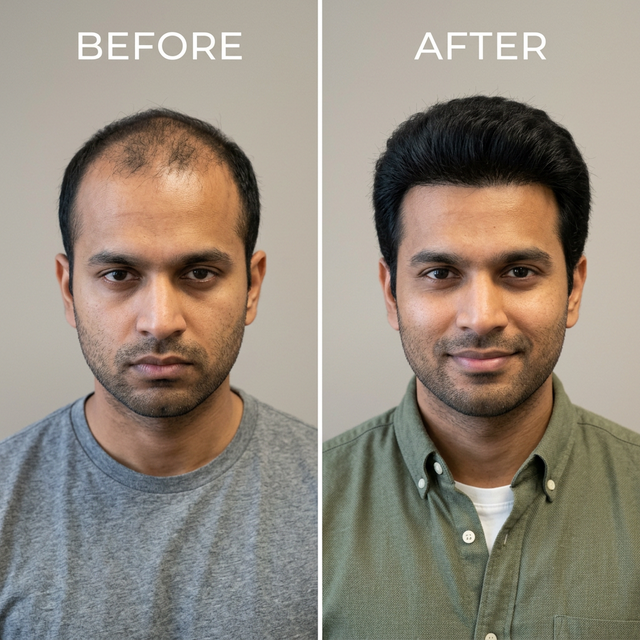
Is PRP painful? This is one of the most common questions we hear at DenceSpot Clinic, and the honest answer is: no, PRP treatment is not truly painful. Most patients describe it as mild discomfort — a series of small pinches — rather than actual pain. With modern numbing techniques, the procedure is very well-tolerated, and the brief discomfort is far outweighed by the results PRP delivers for hair restoration, facial rejuvenation, and other conditions.
When exploring Is Prp Painful, it is crucial to understand all the facts. If you have been considering PRP therapy but have been holding back because of fear of pain, you are not alone. Pain anxiety is one of the biggest reasons people delay treatments that could genuinely improve their confidence and quality of life. In this guide, we will give you a completely honest, detailed breakdown of what PRP actually feels like — during the blood draw, during the injections, and after the procedure — so you can walk into your appointment knowing exactly what to expect.
Many patients ask us about Is Prp Painful during their consultations. We will also compare PRP pain to everyday experiences you are already familiar with, explain the numbing options available, and share practical tips to make your session as comfortable as possible. To understand the basics of how PRP works, you may also want to read our guides on what is PRP therapy and what is PRP.
Understanding PRP Pain: What Causes the Sensation?
Many patients ask us about Is Prp Painful during their consultations. To understand whether PRP is painful, it helps to know what is actually happening during the procedure. PRP (Platelet-Rich Plasma) treatment involves two main steps that involve needles: drawing blood from your arm and injecting the concentrated plasma into the treatment area. Both steps use needles, which is where the discomfort concern comes from.
However, the pain you feel during PRP is not caused by the plasma itself — it is caused by the needle penetrating the skin and the micro-trauma of multiple injection points. The PRP solution is your own blood product, so it does not sting or burn when injected. This is fundamentally different from treatments that inject synthetic chemicals or acids, which can cause a burning sensation on their own.
The level of discomfort depends on several factors: the treatment area (scalp, face, or joints), the gauge (thickness) of the needle used, whether numbing agents are applied, the technique of the doctor performing the injections, and your own individual pain threshold. Let us break down each phase of the procedure separately.
Pain During the Blood Draw Phase
The first step of PRP therapy involves drawing a small amount of blood from a vein in your arm — typically 10 to 30 ml, depending on the treatment area and the amount of PRP needed. This is identical to a routine blood test you might have done at any pathology lab.
What it feels like: A brief, sharp pinch as the needle enters the vein, followed by a dull pressure sensation while the blood is being drawn. The entire process takes 2 to 5 minutes. Most patients rate this a 1 to 2 out of 10 on the pain scale.
If you have ever had blood drawn for a health check-up or donated blood, you already know exactly what this feels like. There is no additional discomfort compared to a standard blood draw. Once the needle is removed, a small bandage is applied, and you move on to the next phase while your blood is processed in the centrifuge.
Pain During the PRP Injection Phase
This is the part that causes the most anxiety, and understandably so — multiple injections are administered across the treatment area. For scalp PRP, this can mean 50 to 100 micro-injections across the thinning zones. For facial PRP, the number varies based on the areas being treated.
What it feels like without numbing: Without any anaesthesia, patients describe the sensation as a series of quick pinches or pricks, similar to being flicked with a rubber band. Each individual injection lasts less than a second. The cumulative effect can become mildly uncomfortable toward the end of the session, but it is far from unbearable.
What it feels like with numbing (the standard at DenceSpot): With a topical numbing cream applied 20 to 30 minutes before the procedure, the sensation is significantly reduced. Most patients feel only mild pressure or a light tapping sensation. Some injections may cause a brief sting, but the numbing cream takes the edge off considerably. Most patients rate this a 2 to 4 out of 10 on the pain scale.
The injection phase typically takes 15 to 20 minutes. Many patients at our clinic report that the anticipation was far worse than the actual experience. It is worth noting that the needles used for PRP injections are extremely fine — much thinner than a standard blood draw needle — which further minimizes the sensation.
PRP Pain Scale: How Does It Compare to Other Procedures?
One of the best ways to understand PRP pain is to compare it to experiences you may already be familiar with. Here is an honest comparison based on feedback from thousands of patients:
- Routine blood test: Pain level 1-2/10. The PRP blood draw is identical to this.
- PRP injections (with numbing): Pain level 2-4/10. Mild pinches and pressure.
- Eyebrow threading or waxing: Pain level 3-5/10. Most people find waxing more uncomfortable than PRP.
- Getting a tattoo: Pain level 5-7/10. Tattoos involve continuous needle penetration over a long period without numbing. PRP is significantly less painful.
- Dental filling or root canal: Pain level 4-7/10. Dental procedures typically involve more sustained discomfort. PRP is considerably milder.
- Botox injections: Pain level 2-3/10. PRP is similar to or slightly more than Botox, mainly because more injection points are involved.
- Laser hair removal: Pain level 3-5/10. The snapping sensation of laser pulses is comparable to or slightly worse than PRP injections.
- Hair transplant surgery: Pain level 3-5/10 (with local anaesthesia). A hair transplant involves more extensive numbing and a longer procedure, but the injection phase of PRP is shorter and simpler.
As you can see, PRP falls on the lower end of the discomfort spectrum. It is considerably less painful than many cosmetic procedures people undergo routinely. The key takeaway: if you have ever had a blood test, threading, or waxing, you can absolutely handle PRP.
Numbing and Anaesthesia Options at DenceSpot Clinic
At DenceSpot Clinic in Gurgaon, patient comfort is a priority. We never perform PRP injections without offering anaesthesia options first. Here are the numbing methods we use:
Topical Numbing Cream (Most Common)
A high-strength topical anaesthetic cream (typically containing lidocaine and prilocaine) is applied to the treatment area 20 to 30 minutes before the injections begin. This cream numbs the surface of the skin, significantly reducing the sensation of needle pricks. This is the standard protocol for scalp and facial PRP at our clinic, and it is effective for the vast majority of patients.
Nerve Block (For Scalp PRP)
For patients who are particularly sensitive or anxious, we offer a nerve block — a small injection of local anaesthetic near the major nerves that supply sensation to the scalp. This provides more complete numbness across a wider area. Once the nerve block takes effect (within 5 to 10 minutes), most patients feel virtually nothing during the PRP injections. This is an excellent option for first-time patients who are nervous about the procedure.
Local Anaesthesia Injections
For joint PRP or other deeper tissue treatments, local anaesthesia is injected directly into the area surrounding the treatment site. This ensures complete numbness during the procedure. The anaesthesia injection itself causes a brief sting, but after that, the PRP injection is painless.
Cold Compression and Vibration Devices
We also use cold packs and vibration-based pain management devices during the procedure. Cold compression numbs the skin surface, while vibration devices work on the gate control theory of pain — the vibration signals essentially override the pain signals travelling to the brain, reducing the perceived discomfort.
Our approach is always to discuss your comfort level during the initial consultation and tailor the anaesthesia plan to your individual needs. No patient should ever feel they have to "tough it out" — we have multiple tools to ensure your experience is as comfortable as possible.
Nervous About PRP Pain? Let Us Put You at Ease
At DenceSpot Clinic, Gurgaon, we use advanced numbing techniques to ensure your PRP session is virtually painless. Book a free consultation and we will walk you through every step before your treatment.
Book Free ConsultationFactors That Affect PRP Pain Perception
Not everyone experiences PRP the same way. Several factors influence how much discomfort you feel during the procedure:
Treatment Area
The location of the PRP injections plays a significant role in the level of discomfort:
- Scalp: The scalp has a moderate density of nerve endings. Most patients tolerate scalp PRP well, especially with numbing cream. The forehead hairline and temple areas tend to be slightly more sensitive than the crown.
- Face: Facial PRP can be slightly more sensitive because the face has a higher concentration of nerve endings. The under-eye area and nasolabial folds (smile lines) tend to be the most sensitive spots. The cheeks and forehead are generally well-tolerated.
- Joints (knees, shoulders, elbows): Joint PRP injections involve a single deeper injection rather than multiple surface-level ones. The momentary discomfort of the needle entering the joint space is brief, and local anaesthesia is always used.
Individual Pain Tolerance
Pain is subjective. Some people have a naturally higher pain threshold and breeze through PRP without any discomfort, while others are more sensitive. Neither response is unusual. If you know you have a low pain tolerance, simply let your doctor know beforehand so additional numbing measures can be arranged.
Doctor Technique and Experience
The skill of the practitioner makes a meaningful difference. An experienced doctor who performs PRP regularly will use proper injection angles, appropriate needle gauge, consistent depth, and an efficient pace that minimizes unnecessary discomfort. At DenceSpot, our specialists have performed thousands of PRP sessions and have refined their technique to prioritize patient comfort without compromising efficacy.
Anxiety and Mental State
Anxiety amplifies pain perception. Studies in pain psychology consistently show that patients who are anxious about a procedure report higher pain levels than those who are calm and informed. This is precisely why we take the time to explain the entire process to every patient before we begin — knowing what to expect significantly reduces anxiety and, by extension, the perception of pain.
Hydration and Preparation
Patients who arrive well-hydrated tend to have an easier blood draw (veins are more accessible) and report less overall discomfort. Dehydration can make veins harder to find and may increase sensitivity. We always recommend drinking plenty of water in the 24 hours before your appointment.
Patient Experience: What to Expect Step by Step
Here is a detailed walkthrough of what a PRP session feels like from the patient's perspective at DenceSpot Clinic:
Arriving at the Clinic (0 minutes)
You check in and are escorted to the treatment room. Your doctor reviews your medical history and confirms the treatment plan. Any questions or concerns about pain are addressed at this stage.
Numbing Cream Application (0 to 5 minutes)
A thick layer of topical numbing cream is applied to the treatment area. You may feel a slight cooling sensation. A cling film or occlusive wrap may be placed over the cream to enhance absorption. You then relax for 20 to 30 minutes while the numbing takes effect. Many patients use this time to scroll through their phone or listen to music.
Blood Draw (25 to 30 minutes)
While the numbing cream is working, the blood draw is performed from your arm. You feel a brief pinch as the needle enters the vein, then a mild pressure as blood is drawn. This takes 2 to 5 minutes. A small bandage is applied, and the blood sample goes into the centrifuge for processing.
Centrifuge Processing (30 to 45 minutes)
Your blood is processed in the centrifuge for 10 to 15 minutes. You relax during this time. The numbing cream continues to work, ensuring maximum numbness by the time injections begin.
PRP Injections (45 to 65 minutes)
The numbing cream is wiped off and the treatment area is cleaned. The doctor begins the PRP injections using fine-gauge needles. You may feel mild pressure, light pricks, or a tapping sensation. Some injection points may sting briefly — this is normal and passes within a second. The doctor works methodically across the treatment area. You can communicate throughout — if any particular spot feels uncomfortable, the doctor can adjust technique or apply additional numbing.
Completion and Aftercare (65 to 70 minutes)
Once all injections are complete, the treatment area may appear slightly red or have small raised bumps at the injection sites. This is completely normal. Your doctor provides aftercare instructions, and you are free to leave. Most patients describe a feeling of mild tenderness — similar to a light sunburn — at the treatment area.
The entire experience, from arrival to departure, typically takes about 60 to 75 minutes. The actual time you spend feeling any discomfort is limited to the 15 to 20 minutes of the injection phase, and even during that time, the numbing cream ensures the sensation is minimal.
Post-Procedure Discomfort and How to Manage It
Understanding what happens after PRP is just as important as knowing what happens during the procedure. Here is an honest account of the post-procedure experience:
Immediately After (0 to 2 hours)
As the numbing cream wears off, you may feel mild tenderness, warmth, or a tingling sensation at the treatment area. The injection sites may be slightly raised or red. This is completely normal and indicates that the PRP is initiating the healing response. Pain level at this stage is typically 1 to 3 out of 10.
First 24 Hours
Mild soreness is common, particularly when touching or pressing the treated area. For scalp PRP, you may feel tenderness when lying on a pillow. For facial PRP, the skin may feel tight or slightly swollen. These sensations are temporary and manageable. Most patients do not need any pain medication, but paracetamol (acetaminophen) can be taken if needed.
24 to 48 Hours
The majority of post-procedure discomfort resolves within this window. Any swelling, redness, or tenderness subsides significantly. By the 48-hour mark, most patients feel completely back to normal.
Important Post-Care Guidelines
- Do not take ibuprofen, aspirin, or other anti-inflammatory medications for 48 to 72 hours after PRP. These medications suppress the inflammatory response that PRP relies on to work. If you need pain relief, stick to paracetamol.
- Avoid touching, scratching, or rubbing the treated area for at least 6 to 8 hours after the procedure.
- Do not wash the treated area for 24 hours after scalp PRP. For facial PRP, avoid applying makeup or skincare products for 12 to 24 hours.
- Avoid strenuous exercise, saunas, and hot showers for 48 hours. Heat and intense physical activity can increase swelling and discomfort.
- Apply a cold compress (wrapped in a cloth, not directly on skin) if you experience swelling. Apply for 10 to 15 minutes at a time.
- Stay hydrated and eat a nutritious meal after your session. Proper hydration and nutrition support the healing process.
Tips to Minimize PRP Pain
If you want to make your PRP experience as comfortable as possible, follow these practical tips:
- Choose an experienced clinic: The doctor's technique is one of the biggest factors in how much discomfort you feel. An experienced practitioner who performs PRP regularly — like the specialists at DenceSpot Clinic — uses refined injection techniques that minimize pain.
- Hydrate well before your appointment: Drink at least 2 to 3 litres of water in the 24 hours before your session. Well-hydrated skin is easier to inject, and well-hydrated veins make the blood draw quicker and smoother.
- Avoid caffeine and alcohol: Both caffeine and alcohol can increase skin sensitivity and lower your pain threshold. Avoid them for at least 24 hours before your session.
- Avoid blood thinners: If medically safe to do so (always consult your doctor first), avoid aspirin, ibuprofen, and other blood-thinning medications for 3 to 5 days before PRP. These can increase bruising and post-procedure soreness.
- Eat a proper meal: Do not come to your appointment on an empty stomach. Low blood sugar can increase pain sensitivity and may cause dizziness during the blood draw.
- Communicate with your doctor: Tell your doctor if you have a low pain tolerance or if you are feeling anxious. They can adjust the numbing approach, take breaks during the injection phase, or use additional comfort measures.
- Practice deep breathing: Slow, deep breathing during the injection phase activates your parasympathetic nervous system, which naturally reduces pain perception. Inhale for 4 counts, hold for 4 counts, exhale for 4 counts.
- Distract yourself: Bring earphones and listen to music, a podcast, or an audiobook during the procedure. Mental distraction is one of the most effective non-pharmacological pain management strategies.
- Schedule wisely: Some research suggests that pain tolerance is higher in the afternoon compared to early morning. If you are particularly sensitive, consider booking an afternoon appointment.
Ready to Experience Pain-Free PRP?
At DenceSpot Clinic in Gurgaon, we use advanced numbing protocols to ensure your PRP session is comfortable from start to finish. Whether you need PRP for hair, face, or skin — we make the process smooth and stress-free. Book your free assessment today.
Book Free ConsultationFrequently Asked Questions
Is PRP treatment painful?
PRP treatment is not truly painful for most patients. With topical numbing cream or local anaesthesia applied before injections, most people describe the sensation as a mild pinch or pressure. The blood draw from the arm feels the same as a routine blood test. On a pain scale of 1 to 10, most patients rate PRP between 2 and 4.
What does PRP feel like on the scalp?
Scalp PRP injections feel like a series of small pinches or pricks. Because numbing cream is applied beforehand, the sensation is significantly dulled. Some patients feel mild pressure or a slight stinging sensation during the injections. The discomfort is brief and subsides within seconds of each injection.
Is PRP more painful than a tattoo?
No, most patients find PRP significantly less painful than getting a tattoo. A tattoo involves continuous needle penetration over an extended period without numbing, whereas PRP uses fine needles with topical anaesthesia and the entire injection process lasts only 15 to 20 minutes.
How long does the pain last after PRP?
Any mild soreness or tenderness after PRP typically lasts 24 to 48 hours. Most patients describe the post-procedure sensation as similar to a mild bruise. Over-the-counter pain relievers like paracetamol can help manage any residual discomfort. Avoid ibuprofen and aspirin as they may interfere with the healing process.
Can I ask for extra numbing during PRP?
Yes, absolutely. At DenceSpot Clinic, we tailor the anaesthesia to each patient. If you are particularly sensitive to pain, we can apply a stronger topical numbing cream, use a nerve block for scalp treatments, or administer local anaesthesia injections to ensure you are completely comfortable throughout the procedure.
Does PRP for the face hurt more than PRP for hair?
Facial PRP can feel slightly more sensitive than scalp PRP because the facial skin has more nerve endings. However, with proper numbing cream applied 20 to 30 minutes before the procedure, most patients report only mild discomfort. The under-eye area tends to be the most sensitive, while the cheeks and forehead are usually well-tolerated.
Is PRP painful for joints?
PRP injections for joints such as the knee or shoulder may cause a brief moment of pressure or discomfort as the needle enters the joint space. Local anaesthesia is typically used for joint injections. Some patients experience temporary stiffness or soreness in the joint for 1 to 2 days after the procedure, which is a normal part of the healing response.
What can I do to reduce PRP pain?
To minimize PRP discomfort, arrive well-hydrated, avoid caffeine and alcohol for 24 hours before the session, use the numbing cream as directed, practice deep breathing during injections, and choose an experienced clinic like DenceSpot that uses proper anaesthesia protocols and fine-gauge needles.