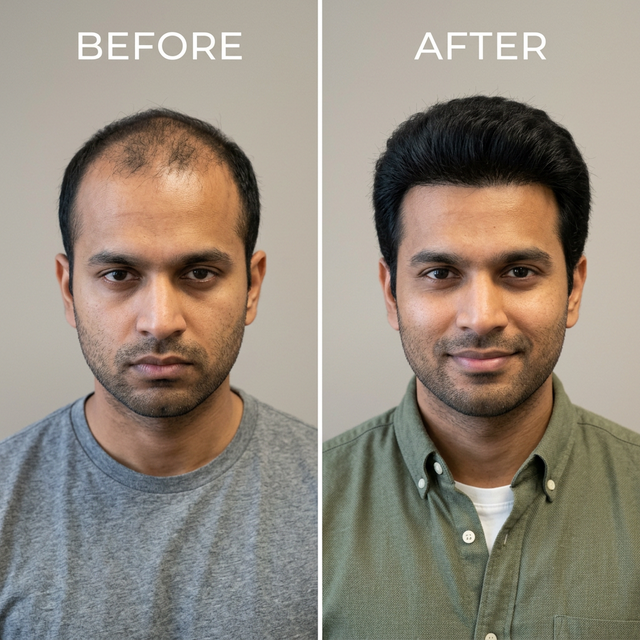
Many patients ask us about When Can I Wash My Hair After Prp during their consultations. After PRP hair treatment, you should wait at least 6-8 hours before washing your hair. For the best possible results, we recommend waiting a full 24 hours. This gives the platelet-rich plasma enough time to absorb deeply into the scalp tissue and begin activating your hair follicles. Washing too early can dilute the PRP and reduce the effectiveness of your session.
The topic of When Can I Wash My Hair After Prp is highly relevant for anyone considering treatment. You have just walked out of the clinic after your PRP session, and the first question on your mind is probably: when can I wash my hair? It is one of the most common questions patients ask at DenceSpot, and for good reason. What you do in the hours and days following your PRP hair treatment has a direct impact on how well it works. This guide covers the exact timeline, the right way to wash your hair after PRP, what products to use, what to avoid, and a complete week-by-week aftercare plan to help you get maximum results from every session.
Why Waiting to Wash Matters: The Science of PRP Absorption
At DenceSpot Clinic, When Can I Wash My Hair After Prp is a very common point of discussion. When PRP is injected into your scalp, the concentrated platelets release growth factors -- including PDGF, VEGF, and EGF -- directly at the level of the hair follicle. These growth factors need time to bind to receptor cells in the dermal papilla and surrounding tissue. This binding process is what triggers the cascade of cellular signals that wake up dormant follicles and push them into the active growth phase.
At DenceSpot Clinic, When Can I Wash My Hair After Prp is a very common point of discussion. Washing your hair too soon introduces water, shampoo chemicals, and mechanical friction to the scalp before this absorption process is complete. The result is that a portion of the PRP can be diluted or washed away from the injection sites, reducing the concentration of growth factors available to your follicles. Even plain water under pressure from a shower head can disturb the treated areas during the critical first few hours.
Many patients ask us about When Can I Wash My Hair After Prp during their consultations. Additionally, PRP injections create tiny micro-channels in the scalp. These need a few hours to close naturally. Exposing them to water, shampoo, or styling products too early increases the chance of irritation and, in rare cases, infection. To understand more about how PRP works at a cellular level, see our detailed guide.
The Recommended Hair Washing Timeline After PRP
Here is the hour-by-hour and day-by-day timeline we give our patients at DenceSpot:
- 0-6 Hours: Do not touch, wet, or wash your scalp. Avoid scratching or rubbing the treated area, even if you feel mild itching or tightness. This is the most critical window for PRP absorption.
- 6-8 Hours: The earliest you should consider washing. If you had your session in the morning and need to wash before bed, a very gentle rinse with lukewarm water is acceptable after this point. However, waiting longer is always better.
- 24 Hours (Ideal): This is our recommended minimum waiting period. By 24 hours, the PRP has been substantially absorbed and the micro-injection sites have closed. You can now wash your hair gently with a mild, sulfate-free shampoo.
- 48-72 Hours: You can resume your regular washing routine, though continue to use a gentle shampoo and lukewarm water. Avoid vigorous scrubbing of the scalp.
- One Week: By this point, your scalp has fully healed from the treatment. You can return to your complete hair care routine, including conditioner, styling products, and your regular shampoo.
How to Wash Your Hair the First Time After PRP
Your first wash after PRP should be handled with care. Follow these steps:
- Use Lukewarm Water: Avoid hot water entirely. Hot water dilates blood vessels in the scalp, which can increase swelling at the injection sites and potentially flush away PRP that is still being absorbed. Lukewarm or cool water is ideal.
- Apply Shampoo Gently: Pour a small amount of mild, sulfate-free shampoo into your palms and apply it to your scalp using the pads of your fingers, not your nails. Use soft, circular motions without pressing hard.
- Avoid Direct Water Pressure: Do not stand directly under the shower head with the water blasting onto your scalp. Instead, cup water in your hands and gently pour it over your head, or use a low-pressure setting.
- Pat Dry: After rinsing, gently pat your hair and scalp dry with a soft towel. Do not rub vigorously, as this can irritate the treated areas.
- Skip the Blow Dryer: Let your hair air-dry naturally after the first wash. The heat from a blow dryer can irritate the scalp and increase inflammation at the injection sites.
What Shampoo to Use After PRP Treatment
Choosing the right shampoo for your first few washes after PRP is more important than you might think. Here is what to look for and what to avoid:
- Choose: Sulfate-free, paraben-free, fragrance-free formulas. Look for shampoos labelled as "gentle," "sensitive scalp," or "dermatologist-recommended." Shampoos containing biotin, ketoconazole (anti-DHT), or natural soothing ingredients like aloe vera are good options.
- Avoid: Shampoos with sodium lauryl sulfate (SLS), sodium laureth sulfate (SLES), strong fragrances, alcohol, or exfoliating beads. Clarifying shampoos and dandruff shampoos with salicylic acid or coal tar should be avoided for the first week.
Your dermatologist at DenceSpot may recommend a specific shampoo based on your scalp condition and the PRP protocol used during your session.
What to Avoid in the First 48 Hours After PRP
Hair washing is just one part of the aftercare picture. Here is a complete list of things to avoid during the first 48 hours:
- Intense Exercise: Heavy workouts cause sweating, which can irritate the injection sites and introduce bacteria to the scalp. Light walking is fine, but avoid the gym, running, and yoga for 48 hours.
- Saunas, Steam Rooms, and Hot Tubs: Excessive heat and humidity increase blood flow and swelling. Avoid these for at least 48-72 hours.
- Swimming: Chlorinated pools and salt water can irritate the treated scalp and risk infection. Wait at least 5-7 days.
- Hair Colouring and Chemical Treatments: Hair dye, keratin treatments, chemical straightening, and perms should be postponed for at least one week. The chemicals can react with the healing injection sites.
- Hair Oil and Heavy Products: Avoid applying oil, serum, gel, or wax to the scalp for 48 hours. These products can clog the micro-injection sites.
- Direct Sun Exposure: Prolonged sun exposure on the treated scalp can cause irritation. Wear a loose, breathable hat if you need to be outdoors.
- Alcohol and Smoking: Both reduce blood flow and impair healing. Avoid alcohol for 24 hours and minimize smoking as much as possible.
- Blood-Thinning Medications: Do not resume aspirin, ibuprofen, or fish oil supplements until your dermatologist advises. These can increase bruising and interfere with the healing process.
Need Personalized PRP Aftercare Advice?
Every scalp is different. Get a tailored aftercare plan from our expert dermatologists at DenceSpot Clinic, Gurgaon. We guide you through every step of your PRP journey for maximum hair regrowth results.
Book Free ConsultationWeek-by-Week Aftercare Guide
Following a structured aftercare plan dramatically improves your PRP outcomes. Here is our recommended week-by-week guide:
Week 1: Gentle Recovery
- Wash hair every 2-3 days with a mild, sulfate-free shampoo
- Use lukewarm water and avoid vigorous scrubbing
- Let hair air-dry whenever possible
- No hair colouring, chemical treatments, or heat styling tools
- Sleep on a clean, soft pillowcase to minimize friction
Week 2: Gradual Return to Normal
- You can resume your regular shampoo if it is not overly harsh
- Gentle blow-drying on a cool setting is acceptable
- Light exercise and gym workouts can resume
- You may apply light hair oil or serum if your dermatologist approves
- Swimming can resume by the end of week 2
Week 3-4: Full Routine
- Resume your complete hair care routine, including styling products
- Hair colouring and chemical treatments are safe again
- Continue eating a protein-rich, nutrient-dense diet to support hair growth
- If you use minoxidil, confirm with your dermatologist when to restart (usually 24-48 hours post-PRP)
- Schedule your next PRP session if following a multi-session protocol
Combining your PRP treatments with microneedling can further enhance results by improving absorption and stimulating additional growth factors in the scalp.
Common Mistakes That Reduce PRP Effectiveness
We see these errors frequently among patients who do not receive proper aftercare guidance:
- Washing Hair Within 2-3 Hours: This is the most common mistake. Even if your scalp feels itchy or uncomfortable, resist the urge to wash until at least 6-8 hours have passed.
- Using Hot Water on the First Wash: Hot water can undo much of the benefit of the treatment by increasing inflammation and flushing PRP from the injection sites.
- Applying Hair Oil Immediately: Many patients in India habitually oil their hair daily. After PRP, this must be paused for at least 48 hours.
- Intense Workouts the Same Day: Heavy sweating and increased heart rate cause vasodilation in the scalp, which can disperse the PRP away from the targeted follicles.
- Skipping Follow-Up Sessions: PRP works cumulatively. Skipping sessions or waiting too long between them breaks the momentum and reduces the overall treatment effect.
- Ignoring Nutrition: PRP provides the growth signals, but your body needs adequate protein, iron, zinc, and biotin to actually build new hair. A poor diet limits what PRP can achieve.
For a broader look at maintaining hair health, read our guide on PRP as a natural way to regrow hair.
Signs That Your Scalp Is Healing Properly
After your PRP session, here is what normal healing looks like:
- Mild Redness: Light pinkness at the injection sites is normal and should fade within 24-48 hours.
- Slight Tenderness: The scalp may feel mildly sore or sensitive to touch for 1-2 days. This is a normal response to the micro-injections.
- Minor Swelling: Some patients notice slight puffiness around the forehead or temples, especially after frontal hairline treatment. This typically resolves within 24-48 hours.
- Itching: Mild itching after 24-48 hours is actually a positive sign -- it often indicates that the healing process and cellular activity are underway.
- Tiny Scabs: Very small scabs at injection points may form and fall off naturally within 2-3 days. Do not pick at them.
If you experience severe pain, persistent swelling beyond 72 hours, pus or discharge, or fever after your PRP session, contact your dermatologist immediately. These symptoms are rare but should be evaluated promptly.
Start Your PRP Hair Restoration at DenceSpot
Our dermatologists provide detailed aftercare guidance with every PRP session. From the right washing schedule to long-term maintenance, we ensure you get the best results from your PRP hair treatment in Gurgaon.
Book Free ConsultationThe Bottom Line
Proper aftercare is not an optional extra -- it is a critical part of making your PRP treatment work. Wait at least 6-8 hours before washing your hair, and aim for 24 hours if your schedule allows. When you do wash, use lukewarm water, a sulfate-free shampoo, and a gentle touch. Avoid heat, chemicals, heavy products, and intense exercise for 48 hours. Follow the week-by-week guide above, and you will give your scalp the best possible environment to respond to the treatment.
At DenceSpot Clinic in Gurgaon, we walk every patient through a personalized aftercare plan tailored to their scalp type, treatment intensity, and daily routine. If you are considering PRP or have questions about post-treatment care, book a free consultation with our team today.
Frequently Asked Questions
When can I wash my hair after PRP treatment?
You should wait at least 6-8 hours after PRP treatment before washing your hair. Ideally, wait a full 24 hours to give the platelet-rich plasma maximum time to absorb into the scalp and stimulate the hair follicles.
Can I use regular shampoo after PRP?
For your first wash after PRP, use a mild, sulfate-free shampoo. Avoid shampoos containing harsh chemicals, parabens, or strong fragrances for at least 48-72 hours. Your dermatologist may recommend a specific gentle shampoo suitable for post-treatment care.
What happens if I wash my hair too soon after PRP?
Washing your hair too soon can dilute or wash away the PRP before it has been fully absorbed by the scalp tissue. This may reduce the effectiveness of the treatment and compromise your results. Water pressure and shampoo chemicals can also irritate the fresh injection sites.
Can I use hot water to wash my hair after PRP?
No, avoid hot water for the first 48-72 hours after PRP. Hot water increases blood flow and can cause swelling or inflammation at the injection sites. Use lukewarm or cool water for your first few washes after the treatment.
Is it normal to see redness after washing my hair post-PRP?
Mild redness or slight tenderness after your first post-PRP wash is completely normal, especially within the first 48 hours. This should fade quickly. If redness persists beyond 3-4 days or is accompanied by pain or discharge, contact your dermatologist.
Can I apply hair oil after PRP treatment?
Avoid applying hair oil or any heavy topical product to your scalp for at least 48 hours after PRP. Oils can clog the micro-injection sites and interfere with PRP absorption. After 48 hours, you can resume light oiling if your dermatologist approves.
How long should I wait to swim after PRP treatment?
Wait at least 5-7 days before swimming in a pool or the ocean after PRP. Chlorine and salt water can irritate the treated scalp and increase the risk of infection at the injection sites. Stick to gentle hair washing at home during this period.
When can I resume my normal hair care routine after PRP?
You can typically return to your full hair care routine, including regular shampoo, conditioner, and styling products, after 72 hours. However, avoid hair colouring, chemical treatments, and heat styling tools for at least one week after PRP to allow complete healing.