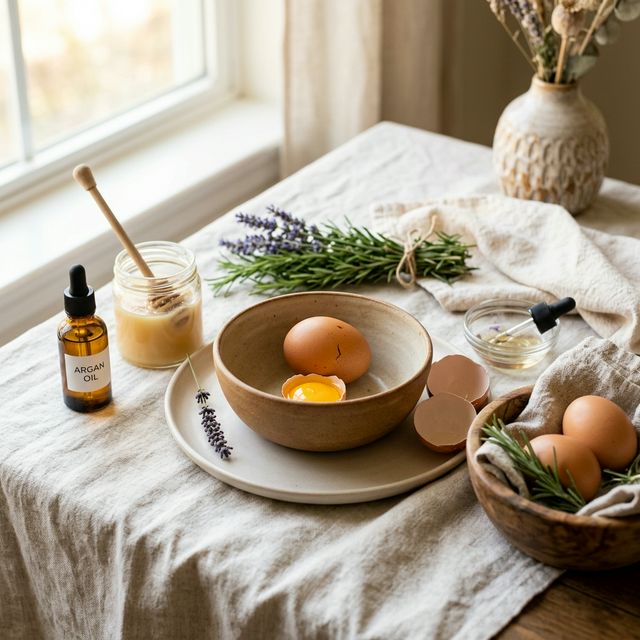
Want to restore your hair's natural black colour without chemical dyes? Home remedies for making hair black genuinely work — provided you use the right ingredients, follow the correct method, and maintain consistency. In this guide, we will walk you through step-by-step DIY masks, homemade oil recipes, natural rinses, and a targeted diet plan — everything that helps boost melanin production naturally.
In Indian households, our elders have always said — "Eat amla and your hair will stay black." And in truth, Ayurveda contains numerous ingredients that have been used for centuries to maintain the natural darkness of hair. The problem is that people today want quick results and become dependent on chemical dyes — which cause far greater damage to hair in the long run.
At DenceSpot Clinic Gurgaon, we always recommend trying a natural approach first. If you are wondering why hair turns white, understanding the root cause is essential — only then can you choose the right remedy. So let us explore how to make hair naturally black — using tested and trusted methods.
DIY Hair Masks for Darkening Hair
These hair masks can be easily prepared at home using ingredients available in your kitchen or at the nearest grocery store. Each mask serves a specific purpose — some boost melanin production, others deposit pigment, and some strengthen the follicles from within.
1. Amla + Fenugreek (Methi) Mask
Amla is the gold standard for melanin production — it contains such high levels of Vitamin C that it keeps the pigment cells in hair follicles active. Fenugreek seeds are rich in protein and nicotinic acid, which strengthen the hair roots.
Recipe: Soak 2 tablespoons of amla powder and 1 tablespoon of fenugreek powder in water overnight. In the morning, blend into a smooth paste. Apply thoroughly to the scalp and hair, from roots to tips. Leave on for 45 minutes, then wash with a mild shampoo. Repeat twice a week — within 6-8 weeks, hair will appear noticeably darker and shinier.
2. Hibiscus + Coconut Oil Mask
The hibiscus flower, known as "Japa Pushpa" in Ayurveda, has been used for centuries to prevent premature greying. Its anthocyanins (natural pigments) darken the hair, while coconut oil ensures deep penetration into the hair shaft.
Recipe: Crush 5-6 hibiscus flowers and mix them into 3 tablespoons of coconut oil. Warm slightly until lukewarm. Massage into the scalp and apply evenly through the hair. Wash after 1 hour. This mask also makes hair silky — offering a double benefit. You can find additional oil combinations in our best hair oils guide.
3. Black Sesame Paste
Black sesame seeds are one of the most underrated ingredients for melanin production. They have been used in Chinese medicine for centuries to reverse grey hair. Rich in copper, magnesium, and calcium, they help keep melanocyte cells active.
Recipe: Dry roast 3 tablespoons of black sesame seeds and grind them into a fine powder. Mix with a small amount of coconut oil to form a paste. Apply to the scalp and hair. Wash after 30-40 minutes. Use twice a week. Additionally, consume 1 tablespoon of black sesame seeds daily for an inside-out approach.
4. Neem + Bhringraj Mask
Bhringraj is referred to as "Keshraja" in Ayurveda, meaning "king of hair." It naturally assists in hair darkening, while neem keeps the scalp clean and free from infection — a healthy scalp translates to healthy pigment production.
Recipe: Mix 2 tablespoons of bhringraj powder and 1 tablespoon of neem powder with enough curd to form a paste. Apply to the scalp. Wash with a mild shampoo after 40 minutes. This mask also treats dandruff — and remedies work far more effectively on a clean scalp.
Homemade Oil Recipes for Black Hair
Store-bought oils often contain chemicals and preservatives. Homemade oil is 100% pure and can be customized to suit your specific hair type. The following three oil recipes are specifically designed to support melanin production and hair darkening.
1. Homemade Black Seed (Kalonji) Oil
Black seed contains thymoquinone — a powerful compound that boosts melanocyte activity. It has been revered for centuries for its remarkable healing properties, and its benefits for hair are truly exceptional.
Preparation: Lightly crush 4 tablespoons of black seeds using a mortar and pestle. Add them to 1 cup of coconut oil and heat on a low flame for 15-20 minutes (do not bring to a boil). Allow to cool, strain, and store in a glass bottle. Massage into the scalp at night and wash in the morning. Visible results can be expected within 1 month.
2. Curry Leaves + Coconut Oil
Curry leaves contain beta-carotene and proteins that help restore hair pigment. In South India, this remedy has been passed down from generation to generation — and it truly delivers results.
Preparation: Take a handful of fresh curry leaves. Add them to 1 cup of coconut oil and cook on a low flame until the leaves turn black and the oil becomes dark green (approximately 15 minutes). Strain and store. Apply to the hair every night. This oil is exceptionally effective at slowing premature greying.
3. Homemade Amla Oil
Store-bought amla oils contain very low percentages of actual amla. Preparing it at home yields a concentrated and pure product.
Preparation: Cut 4-5 fresh amla into small pieces. Add to 1 cup of coconut oil. Cook on a low flame for 20-25 minutes until the amla pieces turn brown. Allow to cool, strain, and store in a dark bottle. Massage into the scalp three times a week. Our hair growth tips guide includes additional effective methods that can be combined with this treatment.
Want to Restore Your Hair's Natural Black Colour?
At DenceSpot Clinic Gurgaon, we identify the root cause of premature greying and develop a personalized treatment plan combining natural and clinical approaches. Book a free consultation to discover what your hair needs.
Book Free ConsultationTea and Coffee Hair Rinse — Step by Step
This is the easiest and quickest method to make hair appear naturally darker. It is entirely chemical-free, uses ingredients readily available in your kitchen, and the difference is visible immediately. While the effect is temporary, regular use helps maintain the shade.
Black Tea Rinse
Step 1: Boil 3-4 black tea bags (or 3 tablespoons of loose black tea) in 2 cups of water for 20-25 minutes. A strong brew is needed — the darker it is, the better the result. Step 2: Allow to cool to room temperature. Optionally, mix in 1 teaspoon of salt — this helps set the colour. Step 3: Shampoo your hair first and towel dry. Step 4: Slowly pour the tea rinse over your hair, from scalp to tips. Step 5: Massage for 5 minutes to ensure thorough absorption. Step 6: Leave on for 30-45 minutes (wear a shower cap). Step 7: Rinse with plain water only — do not use shampoo. Repeat 2-3 times per week.
Coffee Rinse
Step 1: Brew 3 tablespoons of dark roast coffee powder in 2 cups of water. Make it strong — espresso style. Step 2: Allow to cool completely. Step 3: Apply to shampooed, damp hair. Step 4: Use a comb to distribute evenly from roots to ends. Step 5: Leave on for 20-30 minutes. Step 6: Rinse with cold water. A coffee rinse also adds shine to the hair, and the caffeine improves scalp circulation — making it beneficial not just for colour, but for overall hair health as well.
Henna + Indigo — Natural Dye Process for Jet Black Hair
If you want to completely cover grey hair without chemical dye, the henna and indigo two-step process is the most reliable natural method available. It has been used for centuries and remains equally effective today. However, the process is somewhat time-consuming — so patience is required.
Step 1 — Henna Application: Mix 100 grams of henna powder with water to form a thick paste. Add a small amount of lemon juice to aid colour release. Soak for 8-12 hours overnight. In the morning, apply to hair from roots to tips. Leave on for 1.5-2 hours. Rinse with water only (do not use shampoo).
Step 2 — Indigo Application (same day or next day): Mix 100 grams of indigo powder with water. Add 1 teaspoon of salt. Apply immediately — indigo paste oxidizes if left too long. Apply to hair, leave on for 1 hour, and rinse with water. The result is a dark brown to black shade, depending on the quantity of indigo used and the duration of application.
Important tips: Always prepare indigo paste fresh — it cannot be stored. Apply petroleum jelly along the hairline to prevent skin staining. Always perform a strand test before the first application. Repeat every 3-4 weeks to cover new grey growth. This method is the most effective home remedy for making hair naturally black — and is 100 times safer than chemical dye.
Diet Plan for Melanin Production
Regardless of what you apply externally, if your body does not receive proper nutrition internally, melanin production will not improve. The body requires specific nutrients to produce melanin — and all of these can be obtained through diet. Be sure to also read our comprehensive guide on vitamins and nutrition for healthy hair.
Copper-Rich Foods (The Building Block of Melanin): Black sesame seeds, cashews, mushrooms, dark chocolate, chickpeas, and sunflower seeds. Copper keeps melanocyte cells active — a deficiency accelerates greying.
Iron-Rich Foods: Spinach, beetroot, dates, jaggery, pomegranate, and red meat. Iron deficiency is a common cause of premature greying — particularly in women.
Vitamin B12 Sources: Eggs, milk, curd, paneer, fish, and fortified cereals. B12 deficiency is the most significant deficiency linked to greying — understanding which vitamin deficiency causes white hair is extremely important.
Antioxidant-Rich Foods: Berries (blueberry, amla, strawberry), green tea, dark leafy vegetables, and turmeric. These reduce oxidative stress — a major cause of melanocyte damage.
Catalase-Rich Foods: Garlic, onion, sprouts, broccoli, and sweet potatoes. The catalase enzyme breaks down hydrogen peroxide — and hydrogen peroxide buildup is one of the major internal causes of grey hair.
Sample Daily Plan: For breakfast, have 1 tablespoon of black sesame seeds along with amla juice and eggs or sprouts. For lunch, include spinach dal or paneer with a beetroot salad. For an evening snack, eat mixed nuts (cashews, almonds, walnuts). For dinner, have fish or chicken with green vegetables. Before bed, drink a glass of warm turmeric milk.
Supplements That Can Help
Obtaining all essential nutrients through diet alone can be challenging — especially with a busy lifestyle. Certain supplements specifically support melanin production and hair pigmentation. However, always consult a doctor before starting any supplementation.
Vitamin B12: The most important supplement — if blood tests show low levels, supplementation can halt the progression of grey hair. Biotin (B7): Improves overall hair health and boosts keratin production. Copper Supplement: Take only when a deficiency has been confirmed — excess copper can be harmful. Vitamin D3: Research indicates a direct link between Vitamin D deficiency and premature greying. Fo-Ti (He Shou Wu): A Chinese herb that has been used in traditional medicine for centuries to reverse grey hair. Scientific studies are limited, but anecdotal evidence is strong. PABA (Para-Aminobenzoic Acid): A member of the B-vitamin family — some studies have found it helpful in grey hair restoration.
Before starting any supplements, be sure to get a blood test — our guide on how to reduce white hair provides detailed information about deficiency testing.
Want to Know the Root Cause of Your Greying?
At DenceSpot Clinic, we use advanced blood tests and scalp analysis to determine why your hair is turning grey — and then provide targeted treatment. The first step: a free consultation.
Book Free Hair AnalysisWhen Home Remedies Are Not Enough — Clinical Options
We believe in being realistic — can white hair turn black again? Yes, in certain cases it absolutely can. However, if greying is genetic, significantly advanced, or caused by an underlying medical condition, home remedies alone will not suffice. In such cases, clinical treatments are necessary.
PRP (Platelet-Rich Plasma) Therapy: PRP treatment is being researched not only for hair regrowth but also for melanocyte stimulation. Growth factors from your own blood rejuvenate the follicles. PRP therapy at DenceSpot Gurgaon is available with advanced technology.
Mesotherapy: Vitamins, minerals, and amino acids are injected directly into the scalp — reaching the melanocyte cells without any intermediary. This provides up to 10 times better absorption compared to oral supplements.
Low-Level Laser Therapy (LLLT): Red light therapy improves follicle health and boosts cellular activity. It is non-invasive and accelerates the body's natural healing process.
Customized Scalp Treatments: At DenceSpot, we create a personalized treatment plan for each patient — combining natural remedies with clinical treatments to deliver the best possible results.
Common Mistakes to Avoid
In the rush to darken their hair, people often make certain mistakes that can worsen the situation. Here is what to avoid:
1. Relying on chemical dyes: Ammonia-based hair dyes provide temporary dark colour but damage the follicles over time, cause scalp irritation, and can actually accelerate greying. Natural methods may be slower, but they are safe.
2. Giving up after one attempt: Natural remedies require patience — consistent use for a minimum of 2-3 months is needed before results become visible. Trying a remedy for one week and declaring it ineffective is not a fair assessment.
3. Focusing only on external treatments: Applying masks and oils externally is important, but if your diet lacks copper, B12, and iron, how will your body produce melanin? An inside-out approach is essential.
4. Ignoring stress: Chronic stress elevates cortisol levels, which damages melanocyte stem cells. Research from Harvard has proven that stress directly causes greying. Stress management is an integral part of natural hair blackening.
5. Washing hair with hot water: Hot water opens the hair cuticles and leaches out pigment. Always wash your hair with lukewarm or cold water — especially after applying a tea/coffee rinse or henna.
6. Ignoring underlying deficiencies: If your B12 or iron levels are significantly low, no mask or oil will work until the deficiency is addressed. Get a blood test first, then choose the remedy — that is the correct order.
7. Expecting overnight results: Melanin production is a slow biological process. The hair growth cycle spans 3-6 months. New black hair will only become visible as new growth emerges — existing grey hair will not turn black from within (except through temporary methods such as tea rinse or henna).
Looking for a Complete Solution for Natural Black Hair?
The combination of home remedies and clinical expertise delivers the most powerful results. At DenceSpot Clinic, you receive a personalized plan — including diet guidance, a home care routine, and advanced treatments, all under one roof.
Book Your Appointment NowFrequently Asked Questions
Can grey hair really turn black again naturally?
Yes, if greying is caused by nutritional deficiency, stress, or poor lifestyle habits, natural remedies and dietary changes can help improve melanin production again. However, if the greying is genetic, natural methods can only slow down the progression — reversal remains limited.
How long does the amla and fenugreek hair mask take to show results?
With consistent use, visible differences typically begin to appear within 6-8 weeks. Hair will look shinier and darker. However, for complete results, regular application for 3-4 months is necessary — patience is essential.
Does a tea or coffee rinse make hair permanently black?
No, a tea or coffee rinse provides only a temporary tint that fades within 2-3 washes. It is a chemical-free way to make hair appear darker, but it needs to be applied regularly and does not offer a permanent effect.
How long does it take to colour hair black using henna and indigo?
It is a two-step process — first, apply henna for 1-2 hours, wash it off, and then apply indigo paste for 1 hour. A single sitting can produce a dark brown to black shade. The process needs to be repeated every 3-4 weeks to cover new grey growth.
Which vitamin deficiency causes grey hair?
Deficiencies in Vitamin B12, Vitamin D, iron, copper, and zinc are the most common causes of greying. Get a blood test to identify any deficiencies and begin targeted supplementation. For more details, read our comprehensive guide on vitamin deficiency and white hair.
Does DenceSpot Clinic offer treatment for premature greying?
Yes, DenceSpot Clinic in Gurgaon offers PRP therapy, mesotherapy, and customized scalp treatments for premature greying. The root cause is first identified through blood tests, and then a personalized treatment plan is developed. Contact us for a free consultation.