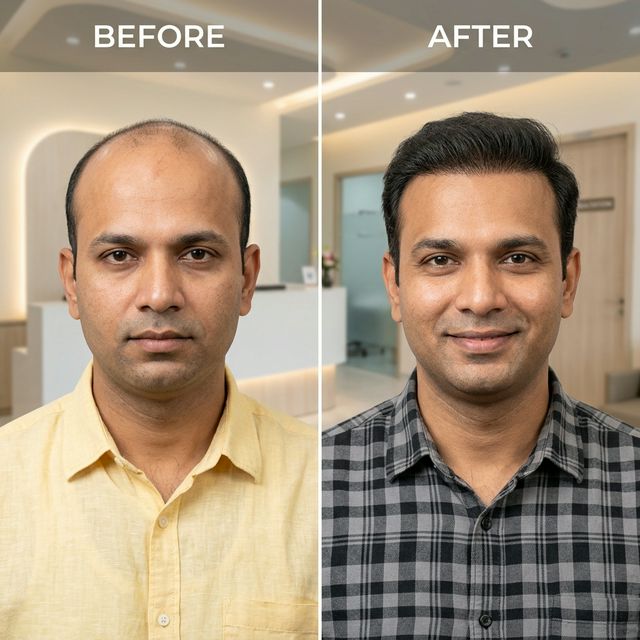
Healthy hair is not just a matter of good genetics—it is the result of consistent care, proper nutrition, and smart lifestyle choices. If you have ever wondered how some people maintain thick, shiny, and strong hair well into their later years, the answer lies in their daily habits.
Understanding how to keep hair healthy goes beyond just using the right shampoo. It requires a holistic approach that addresses everything from what you eat to how you sleep. In this expert guide, we will break down the science behind hair health and give you actionable strategies that deliver real results.
Whether you are trying to maintain your current hair quality or reverse early signs of damage, these tips will set you on the right path. For those already experiencing thinning, our guide on hair fall prevention offers targeted solutions.
The Science Behind Healthy Hair
Each strand of hair is composed of three layers: the medulla (innermost core), the cortex (middle layer that determines strength and color), and the cuticle (outer protective layer). When the cuticle is smooth and intact, hair looks shiny and feels soft. When it is damaged, hair becomes rough, dull, and prone to breakage.
Hair grows from follicles embedded in the scalp, and each follicle goes through a growth cycle of three phases: anagen (growth), catagen (transition), and telogen (rest). Maintaining healthy hair means supporting this cycle and protecting the hair shaft from external damage.
Essential Nutrition for Healthy Hair
Your hair reflects your internal health. A nutrient-poor diet will eventually show up as dull, weak, or thinning hair. Here are the essential nutrients your hair needs:
Protein and Amino Acids
Hair is approximately 85 percent keratin, a structural protein. Without adequate dietary protein, your body cannot produce enough keratin to sustain healthy hair growth. Include eggs, fish, chicken, lentils, and Greek yogurt in your daily diet.
Vitamins A, C, D, and E
Vitamin A helps produce sebum, which moisturizes the scalp. Vitamin C aids in collagen production and iron absorption. Vitamin D plays a role in creating new hair follicles. Vitamin E is a powerful antioxidant that protects hair from oxidative stress. Learn more in our detailed guide on vitamins and nutrition for healthy hair.
Iron and Zinc
Iron deficiency is one of the most common nutritional causes of hair loss, particularly in women. Zinc supports the oil glands around follicles and helps with tissue growth and repair. Red meat, spinach, pumpkin seeds, and chickpeas are excellent sources of both.

Daily Habits That Keep Hair Healthy
Small daily habits compound into significant results over time. Here are the most impactful habits for maintaining healthy hair:
1. Be Gentle When Wet
Wet hair is at its most vulnerable. The hydrogen bonds in the hair shaft weaken when saturated with water, making strands more elastic and prone to snapping. Use a wide-tooth comb to detangle wet hair, starting from the tips and working upward. Never wring or twist wet hair.
2. Limit Heat Exposure
Heat styling is one of the fastest ways to damage healthy hair. The intense temperatures break down the protein structure of the hair shaft, leading to split ends and brittleness. If you must use heat tools, always use a heat protectant and keep the temperature under 180 degrees Celsius.
3. Sleep on Silk
Cotton pillowcases create friction that roughens the hair cuticle. Switching to a silk or satin pillowcase reduces friction and helps your hair retain moisture overnight. It also prevents the tangles and knots that lead to morning breakage.
4. Stay Hydrated
Dehydration affects your hair just as much as your skin. Drinking at least 2 to 3 liters of water daily ensures that your hair follicles receive adequate moisture from within. Dehydrated hair is brittle, lacks shine, and is more susceptible to damage.
Scalp Care: The Foundation of Healthy Hair
Healthy hair starts at the scalp. Think of your scalp as the soil from which your hair grows—if the soil is unhealthy, the plants will suffer. Regular scalp care includes keeping it clean, exfoliated, and well-nourished.
Use a gentle shampoo that cleanses without stripping natural oils. Consider incorporating a scalp scrub once a week to remove dead skin cells and product buildup. If you struggle with dandruff or scalp irritation, addressing those issues is a priority. Our guide on dandruff and scalp problems treatment can help.
Scalp massages are a simple yet effective way to boost blood circulation to the follicles. Spend three to five minutes gently massaging your scalp with your fingertips each day—this can stimulate growth and reduce tension.
Want a Professional Hair Health Assessment?
Our dermatologists at DenceSpot use advanced diagnostic tools to evaluate your scalp and hair health, and create a personalized care plan tailored to your needs.
Book Your Free AnalysisProducts and Ingredients to Avoid
Not all hair products are created equal. Some contain ingredients that do more harm than good over time. Here are the key ingredients to watch out for:
Sulfates (SLS/SLES): These harsh cleansing agents strip natural oils from your hair and scalp, leading to dryness and irritation. Opt for sulfate-free shampoos instead.
Parabens: Used as preservatives, parabens can disrupt hormonal balance with prolonged use. Look for paraben-free alternatives.
Alcohol (Denatured): Certain types of alcohol in styling products can dry out your hair. However, fatty alcohols like cetyl alcohol and cetearyl alcohol are actually beneficial and moisturizing.
The Role of Regular Trims
Getting a trim every six to eight weeks is one of the simplest ways to maintain healthy hair. Trimming removes split ends before they travel up the hair shaft and cause further damage. It also keeps your hair looking fresh and well-maintained. For more on dealing with split ends, read our guide on how to remove split ends.
Professional Treatments for Hair Health
When home care is not enough, professional treatments can give your hair a significant boost. Treatments like PRP therapy use your own blood platelets to stimulate follicle activity and promote thicker, healthier growth.
Deep conditioning treatments, keratin treatments, and scalp therapies offered at clinics can address specific concerns that over-the-counter products cannot. If you are looking to improve hair density, explore our guide on proven methods to increase hair density.
Frequently Asked Questions
What makes hair unhealthy?
Poor nutrition, excessive heat styling, harsh chemical treatments, overwashing, and environmental damage are the most common factors that make hair unhealthy. Stress and hormonal imbalances can also contribute.
How long does it take to see results from a healthy hair routine?
Most people notice improvements in hair texture and shine within 4 to 6 weeks. However, significant changes in hair growth and thickness may take 3 to 6 months of consistent care.
Is cold water better for hair?
Yes, rinsing with cool or cold water helps seal the hair cuticle, locking in moisture and making hair appear shinier and smoother. Hot water, on the other hand, opens the cuticle and can lead to dryness.