Getting rid of white hair is a desire shared by nearly everyone dealing with premature greying. When you are in your 20s or early 30s and spot a few white hairs in the mirror, the first reaction is often one of concern and surprise. In this comprehensive guide, we explore how to get rid of white hair permanently, what actually works, and what is simply false hope.
Premature greying is an extremely common problem in India. Pollution, stress, poor diet, and genetics all work together to deplete the melanin in your hair well before its time. This is when the internet searches begin — "how to remove white hair," "permanent white hair cure" — and thousands of miraculous claims start appearing.
However, we believe in being honest with you. At DenceSpot Hair Clinic Gurgaon, we always present our patients with a realistic picture. Some methods work, some do not. And the most important thing to understand is this — the sooner you take action, the better the results will be. So let us understand how to get rid of white hair step by step.
Can White Hair Truly Be Removed Permanently?
First, it is essential to understand why hair turns white. Our hair contains a pigment called melanin that gives it its colour. When melanocyte cells stop producing melanin, the hair turns white. The key question is — can these cells be reactivated?
The honest answer is: it depends on the cause. If white hair is primarily due to genetics (meaning early greying runs in your family), permanently reversing it is extremely difficult. However, if the cause is a nutritional deficiency, stress, or a treatable medical condition, then a great deal can be done. Preventing new white hairs from appearing and improving existing melanocyte function is entirely possible when you follow the right approach.
Can white hair turn black again? — we have covered this question in detail in a separate article. In brief, early-stage intervention can yield positive results in some cases, but no one can offer a guarantee.
Why Plucking White Hair Is Harmful — Never Do This
First and foremost, if you notice a white hair, please do not pluck it out. Many people instinctively think, "It is just one — let me pull it out." However, this approach is highly harmful.
Follicle damage: Pulling out hair can permanently damage the hair follicle. This means that no hair — whether white or black — may ever grow in that spot again. Infection risk: Plucking creates micro-wounds on the scalp that increase the risk of bacterial infection. Traction alopecia: Repeatedly pulling hair from the same area can lead to permanent hair loss in that region. No benefit: Most importantly, the new hair that grows in its place will also be white, because the melanocyte cell in that follicle has already stopped producing melanin.
Instead of plucking, try the methods described below that actually support melanin production.
Natural Methods — Home Remedies for White Hair
These natural methods for restoring hair colour can be helpful, especially if premature greying is in its early stages. Consistent use over 3 to 4 months is essential for noticeable results.
1. Amla (Indian Gooseberry) Paste
Amla is exceptionally rich in Vitamin C, which acts as a powerful antioxidant and helps protect melanocyte cells. Mix amla powder with water to create a thick paste. Apply it to the scalp and hair, and leave it on for 40 to 45 minutes. Wash it off with a mild shampoo. Repeat this twice a week on a regular basis. Amla slows melanin depletion and also strengthens hair from within. You can also mix it with the best hair oils for enhanced benefits.
2. Curry Leaves Oil
Curry leaves contain beta-carotene and proteins that assist in melanin restoration. They are easily available in every Indian kitchen and are remarkably effective. Take a handful of fresh curry leaves and cook them in coconut oil on a low flame until the leaves turn black. Strain the oil and allow it to cool. Massage it into the scalp at night and wash it off in the morning. Use this 3 times a week. Several studies suggest that curry leaves genuinely help retain hair pigmentation. This is one of the most underrated natural remedies for white hair.
3. Black Seed Oil (Kalonji Oil)
Black seed oil, also known as "habbatus sauda," has well-documented benefits for hair health. It contains thymoquinone, a powerful antioxidant that supports melanin production. Apply 4 to 5 drops of black seed oil to the scalp at night and massage gently. Wash it off in the morning. You can also consume one teaspoon of black seed oil on an empty stomach each morning, as it works internally as well.
4. Henna — Natural Colour and Conditioning
Henna is the safest natural method for covering white hair. It is far superior to chemical dyes because it does not damage the hair — instead, it strengthens it. Soak pure henna powder overnight in an iron bowl with a tea or coffee infusion. In the morning, add a small amount of curd and amla powder to the paste. Apply it to the hair and leave it on for 2 to 3 hours. Rinse thoroughly with water. Henna provides both colour and conditioning. However, it is important to note that henna only covers white hair — it does not restore melanin. It is a cosmetic solution, not a cure.
5. Onion Juice Treatment
Onion juice contains the catalase enzyme. Catalase breaks down hydrogen peroxide, and the buildup of hydrogen peroxide is a major contributor to hair whitening. Extract fresh onion juice and apply it to the scalp using a cotton ball. Leave it on for 30 to 40 minutes. Wash it off with a mild shampoo. Repeat this 2 to 3 times a week. While the smell can be unpleasant, mixing in rose water makes it manageable. Research indicates that the catalase enzyme can genuinely help slow down melanin loss.
Looking for a Permanent Solution for White Hair?
At DenceSpot Clinic, we combine natural remedies with advanced treatments including PRP, melanin therapy, and scalp rejuvenation. Schedule a free consultation to discover the best approach for your specific needs.
Book Free ConsultationDietary Changes — Boosting Melanin Production from Within
Natural remedies work externally, but without proper internal nutrition, melanin production cannot be adequately supported. The role of vitamins and nutrition in preventing white hair is significant. Understanding which vitamin deficiency causes white hair is the essential first step.
Copper-Rich Foods — The Building Block of Melanin
Copper is an essential mineral for melanin production. If your body lacks copper, melanocytes cannot function properly regardless of what you apply externally. Include copper-rich foods in your daily diet — cashews, sesame seeds, dark chocolate, mushrooms, sunflower seeds, chickpeas, and liver. Even consuming a handful of cashews or sesame seeds daily can make a noticeable difference.
Vitamin B12 — The Most Critical Vitamin
Vitamin B12 deficiency is the leading nutritional cause of premature greying. This problem is particularly prevalent among vegetarians, as B12 is primarily found in animal-based sources. Ensure adequate B12 intake through eggs, dairy products, fortified cereals, and supplements. Get a blood test to check your levels — if they are low, consult your doctor for the appropriate supplement dosage.
Iron-Rich Foods — Oxygen Supply for Follicles
Iron deficiency deprives hair follicles of adequate oxygen, which in turn impairs melanin production. Excellent sources of iron include spinach, beetroot, pomegranate, dates, jaggery, kidney beans, and red meat. Consuming iron alongside Vitamin C can increase absorption by up to 67% — simply squeeze some lemon over your food or drink amla juice with your meals.
Catalase-Rich Foods — Combating Hydrogen Peroxide
As we age, hydrogen peroxide accumulates in the body and bleaches melanin in the hair. The catalase enzyme breaks down this hydrogen peroxide. Foods rich in catalase include garlic, onion, sweet potatoes, cabbage, broccoli, and almonds. Including these in your daily diet can help slow down the progression of white hair.
Clinical Solutions — When Natural Remedies Are Not Enough
We believe in being realistic. Natural remedies are not sufficient in every case, particularly when greying is moderate to severe or has persisted for a considerable period. In such situations, clinical treatments can make a genuine difference.
PRP (Platelet-Rich Plasma) Therapy
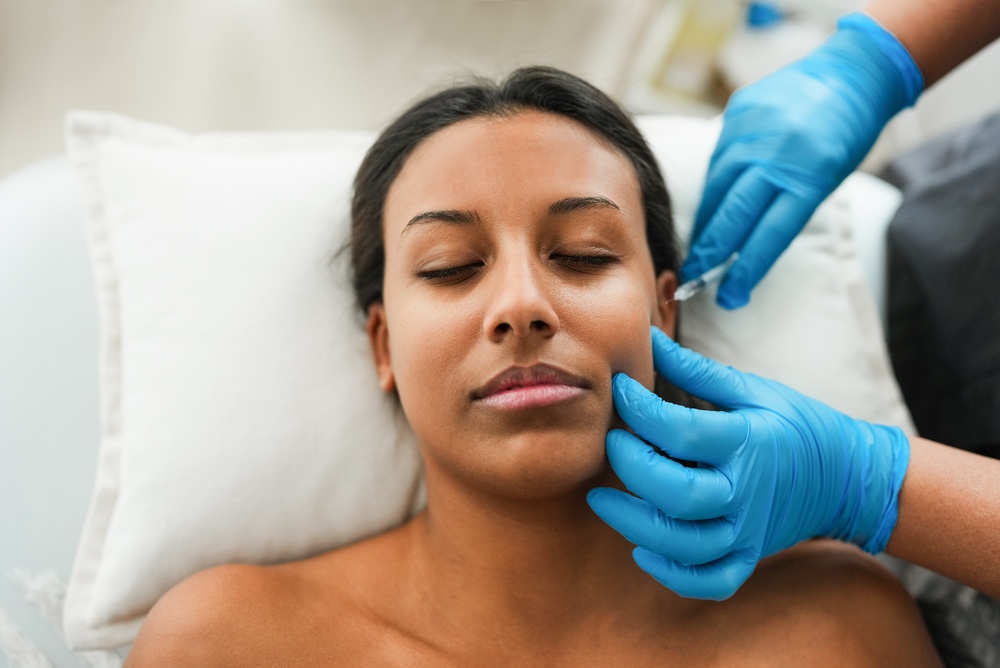
In PRP treatment, growth factors extracted from your own blood are injected into the scalp. This therapy can stimulate melanocyte stem cells and dramatically improve follicle health. Typically, 4 to 6 sessions are recommended at monthly intervals. Results generally become visible within 3 to 4 months. This treatment is available at DenceSpot Gurgaon and is one of the most popular treatments for premature greying.
Melanin-Boosting Scalp Treatments
Advanced scalp treatments deliver copper peptides, antioxidants, and melanin-boosting compounds directly to the follicle level. These treatments should be administered under professional supervision, as the concentration and frequency of application are critical factors. At DenceSpot, we design customized scalp treatment protocols based on individual assessment.
Scalp Rejuvenation Therapy
Delivering nutrient serums through microneedling improves overall scalp health. This technique enhances blood circulation, releases growth factors, and optimizes the follicular environment to support melanin production. It is especially effective when combined with PRP therapy.
Medical-Grade Supplements Protocol
Following a clinical assessment, targeted supplements are prescribed — including B12, copper, biotin, catalase supplements, and antioxidant formulations. Rather than taking random over-the-counter supplements, it is far more effective to follow proper dosages under professional guidance. At DenceSpot, we review your blood reports and create a personalized supplement plan.
Stop White Hair with Clinical Treatments
DenceSpot Clinic offers advanced PRP therapy, scalp treatments, and personalized supplement plans. During your free consultation, you will receive a complete hair assessment along with the best treatment plan for your needs.
Book Your Appointment NowWhen White Hair May Indicate an Underlying Health Problem
Not every instance of white hair is normal. In some cases, premature greying can be a signal of an underlying health condition. In such situations, treating only the hair is insufficient — addressing the root cause is essential.
Thyroid disorders: Both hypothyroidism and hyperthyroidism can cause premature greying. If white hair is accompanied by weight changes, fatigue, or mood swings, a thyroid test is strongly recommended. Vitamin B12 deficiency: Severe B12 deficiency can cause neurological symptoms along with premature greying. This is particularly common among vegetarians. Vitiligo: This is an autoimmune condition in which melanocytes are destroyed. If you also notice white patches on your skin, consult a dermatologist. Pernicious anemia: In this condition, the body is unable to absorb B12 properly — greying is accompanied by weakness and numbness. Autoimmune conditions: In conditions such as alopecia areata, when hair regrows, it may initially come in white.
If you are under the age of 25 and experiencing rapid whitening of hair, please do not ignore it. Get blood tests done — including CBC, B12, thyroid panel, iron studies, and Vitamin D. Just as with hair loss prevention, early detection is the key to effective white hair prevention.
Long-Term Management Strategy — Keeping White Hair Under Control
Managing white hair is not a one-time fix — it requires an ongoing lifestyle approach. Here is a practical long-term strategy that genuinely works.
Monthly routine: Apply amla paste treatment twice a week, massage with curry leaves oil 2 to 3 times a week, and use onion juice treatment 1 to 2 times a week. Rotate these remedies to give your scalp the benefit of variety.
Daily diet checklist: A handful of cashews or sesame seeds (for copper), 2 eggs or a B12 supplement, spinach or beetroot (for iron), garlic and onion (for catalase), and amla juice or a citrus fruit (Vitamin C for enhanced absorption). The same dietary approach is also recommended in our hair growth tips guide.
Quarterly clinical check: Get a professional scalp assessment every 3 to 4 months. If you are undergoing PRP sessions, continue with maintenance sessions as advised. Repeat blood work periodically to track your nutritional levels.
Stress management: Chronic stress elevates cortisol levels, which depletes melanocyte stem cells. Daily meditation for 15 to 20 minutes, regular exercise, and 7 to 8 hours of sleep — these three habits are non-negotiable if you wish to slow down the progression of white hair.
Avoid harmful practices: Steer clear of chemical dyes — they damage the scalp and worsen the situation in the long run. Do not pluck white hairs. Avoid excessive heat styling. Use a sulfate-free, gentle shampoo. Quit smoking entirely — studies show that smokers are 2.5 times more likely to experience premature greying.
The truth is that completely eliminating white hair is not possible in every case. However, with the right approach, the rate at which new white hairs appear can be dramatically slowed, the quality of existing hair can be improved, and a significant difference in overall appearance can be achieved. Consistency is the most important factor — you will not see results in two weeks, but within 3 to 4 months, you will definitely notice a visible difference.
We have also covered additional methods for reducing white hair in detail — be sure to read that article as well for a complete understanding.
Need a Personalized White Hair Treatment Plan?
Every individual's cause of greying is different. At DenceSpot Clinic, we review your blood reports, conduct a thorough scalp analysis, and consider your family history to create a customized plan tailored to your needs. Begin with a free consultation.
Book Your Free ConsultationFrequently Asked Questions
Can white hair be removed permanently?
Honestly, once melanin production stops in a particular hair follicle, reversing that specific hair back to black is quite difficult. However, it is possible to prevent new white hairs from appearing through proper diet, supplements, PRP therapy, and natural remedies. Taking action at an early stage yields significantly better results.
Does pulling out white hair cause more white hairs to grow?
It is a common myth that plucking one white hair causes more to grow. However, pulling hair can damage the follicle, lead to infection, and may even cause permanent hair loss in that area. Therefore, plucking white hairs should be avoided entirely.
Which vitamin deficiency causes white hair?
Vitamin B12 deficiency is the most common nutritional cause of premature white hair. Additionally, deficiencies in Vitamin D, iron, copper, and zinc can also affect melanin production. It is advisable to get a blood test to identify any deficiencies and take supplements under medical guidance.
Can onion juice turn white hair black?
Onion juice contains the catalase enzyme, which breaks down hydrogen peroxide — a substance whose buildup is a known contributor to hair whitening. Regular use may slow the rate at which new white hairs appear, but there is no guarantee that already white hair will turn black again.
How does PRP treatment help with white hair?
PRP therapy delivers growth factors directly into the hair follicles. It can stimulate melanocyte cells responsible for melanin production. In some patients, early greying slows down and overall hair quality improves. Typically, 4 to 6 sessions are recommended.
At what age is white hair considered normal?
Among Indians, white hair typically begins appearing naturally after the age of 35 to 40. If greying occurs before the age of 25, it is classified as premature greying and should be investigated — potential causes include thyroid disorders, B12 deficiency, or genetic predisposition.