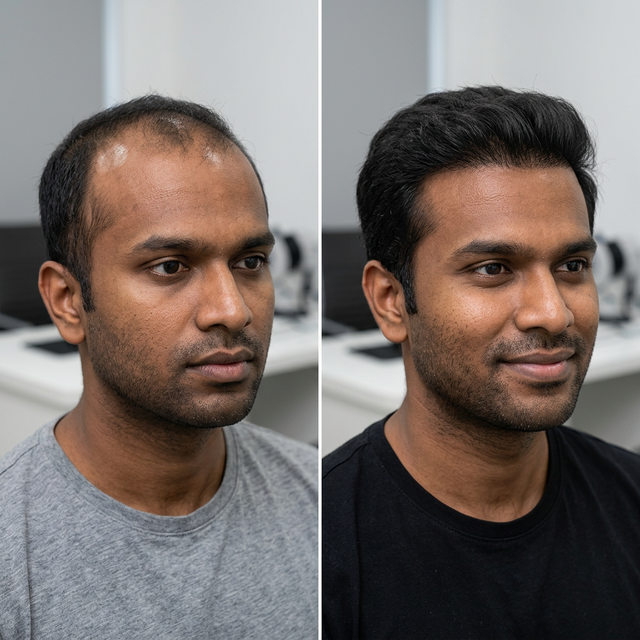
The topic of Can I Go To Gym After Prp is highly relevant for anyone considering treatment. If you have just had a PRP hair treatment session, you should avoid intense exercise and gym workouts for at least 24 to 48 hours. Light walking is generally safe on the same day, but heavy lifting, vigorous cardio, and any activity that causes significant sweating should wait. This short recovery window allows the concentrated growth factors to settle into your scalp tissue and begin working on your hair follicles without disruption.
When exploring Can I Go To Gym After Prp, it is crucial to understand all the facts. This is one of the most common questions we hear from patients at DenceSpot Clinic in Gurgaon, and it is completely understandable. If you follow a regular fitness routine, skipping the gym feels wrong. The good news is that PRP recovery is short, and with a little planning, you can protect your treatment results without derailing your fitness goals. Below, we break down exactly when and how to return to different types of exercise after PRP hair treatment.
Why Exercise Matters After PRP Treatment
The topic of Can I Go To Gym After Prp is highly relevant for anyone considering treatment. To understand the exercise restrictions, it helps to know what is happening in your scalp immediately after PRP. During the procedure, concentrated platelet-rich plasma is injected directly into the areas of thinning hair. These platelets release growth factors that need time to bind to the surrounding tissue and begin stimulating your hair follicles.
Understanding Can I Go To Gym After Prp can significantly impact your final results. Intense physical activity affects this process in two key ways. First, vigorous exercise raises your heart rate and blood pressure, which increases blood flow to the head and scalp. This can cause the injected PRP to disperse away from the targeted follicles before it has been properly absorbed. Second, elevated blood flow can lead to increased swelling, bruising, and tenderness at the injection sites. While these side effects are not dangerous, they can be uncomfortable and may reduce the overall effectiveness of the treatment.
The topic of Can I Go To Gym After Prp is highly relevant for anyone considering treatment. Additionally, heavy sweating opens pores and introduces salt and bacteria to the fresh injection sites. Since the micro-punctures from PRP needles are still closing during the first several hours, this can increase the risk of irritation or, in rare cases, infection.
Timeline for Returning to the Gym After PRP
At DenceSpot Clinic, Can I Go To Gym After Prp is a very common point of discussion. Recovery after PRP is not one-size-fits-all, but the following timeline is what we recommend to most patients based on clinical experience and dermatological guidelines:
- Day of Treatment (0-12 Hours): Rest is ideal. Light walking around the house or office is fine, but avoid any dedicated workout session. Do not wear tight headbands, helmets, or caps that press against the injection sites.
- Day 1 (12-24 Hours): Gentle walking at a comfortable pace is safe. Keep the duration under 30 minutes and avoid walking in direct sunlight or extreme heat, which could increase scalp sweating.
- Day 2 (24-48 Hours): You can introduce light to moderate exercise such as stationary cycling at low resistance, gentle stretching, or a relaxed elliptical session. Keep your heart rate moderate and avoid exercises where your head drops below your heart.
- Day 3 (48-72 Hours): Most patients can return to weight training with moderate loads, standard cardio sessions, and most gym exercises. Avoid extremely heavy lifts that cause significant straining or breath-holding (Valsalva manoeuvre).
- Day 4 Onward (72+ Hours): You can resume your full gym routine, including heavy weightlifting, high-intensity interval training (HIIT), sprints, and competitive sports. By this point, the PRP has been fully absorbed by the tissue.
Which Exercises Are Safe and When
Not all exercises carry the same risk after PRP. Here is a practical breakdown to help you plan your post-treatment workouts:
Safe on the Same Day
Light walking at a relaxed pace is the only form of exercise recommended on the day of your PRP session. This means a casual stroll, not a brisk power walk. Walking does not significantly elevate blood pressure or cause heavy sweating, making it safe for the fresh injection sites.
Safe After 24 Hours
Gentle stretching, light yoga (no inversions), slow-paced stationary cycling, and easy elliptical sessions are generally acceptable after the first 24 hours. The goal is to keep your heart rate below 120 beats per minute and avoid drenching your scalp in sweat.
Safe After 48 Hours
Moderate weight training (lighter loads, higher reps), standard jogging, regular cycling, and most machine-based exercises can be resumed. Avoid exercises that put your head in a downward position, such as deadlifts with very heavy loads, barbell rows bent at 90 degrees, or inverted bodyweight movements.
Safe After 72 Hours
Heavy compound lifts (squats, deadlifts, bench press at maximum effort), HIIT sessions, CrossFit workouts, competitive sports (football, basketball, cricket), and swimming can all be resumed at full intensity.
Exercises to Avoid in the First Week
While most activities are safe after 48 to 72 hours, there are a few specific exercises and environments you should approach with extra caution during the first five to seven days:
- Headstands and Yoga Inversions: Any position where your head is below your heart for extended periods sends a rush of blood to the scalp. This includes headstands, shoulder stands, downward dog holds, and hanging leg raises from a pull-up bar.
- Swimming: Pool water contains chlorine and bacteria. Ocean water carries its own set of microorganisms. Both can irritate injection sites that are still healing. Wait at least 72 hours, and ideally a full week, before submerging your scalp.
- Sauna and Steam Rooms: The intense heat causes heavy sweating and dilates blood vessels in the scalp. This combination can increase swelling and wash away the PRP before full absorption. Avoid saunas and steam rooms for at least 5 to 7 days.
- Contact Sports: Activities where your scalp might get bumped, scratched, or compressed (such as wrestling, boxing, or wearing a tight helmet for cycling) should be avoided for 48 to 72 hours to protect the injection sites.
How Sweating Affects PRP Results
Sweating itself is a natural and healthy process, but timing matters after PRP treatment. In the first 24 hours, the micro-punctures created by the PRP needles are still closing. Sweat contains sodium, potassium, and trace amounts of urea and ammonia, which can irritate these open micro-channels and cause stinging or redness.
More importantly, heavy sweating is a sign that your body temperature and heart rate are elevated. This means increased blood flow through the scalp, which can cause the injected platelet concentrate to migrate away from the targeted follicles. The growth factors in PRP need several hours of relatively stable conditions to bind to the surrounding tissue and begin their regenerative work.
If you do sweat lightly during the first 24 hours -- for example, due to warm weather rather than exercise -- gently pat your scalp dry with a clean, soft cloth. Do not rub or scrub the treatment area. After 48 hours, normal sweating from exercise is no longer a concern. Learn more about what PRP is and how the growth factors work.
Getting PRP at DenceSpot? We Plan Around Your Schedule
Our dermatologists at DenceSpot Clinic in Gurgaon will give you a personalized post-treatment plan that fits your fitness routine. Get expert PRP hair treatment with clear recovery guidance.
Book Free ConsultationTips for Gym-Goers Getting Regular PRP Sessions
If you are on a multi-session PRP treatment plan -- which typically involves 4 to 6 sessions spaced 3 to 4 weeks apart -- you will want a strategy that minimizes disruption to your training. Here are practical tips from our team:
- Schedule PRP on Rest Days: Book your PRP appointment on a day you would normally rest from the gym anyway. This way, you only need to modify one or two subsequent workout days rather than missing a full training block.
- Train Hard the Day Before: Get your most intense session in the day before PRP. Lift heavy, do your HIIT, and get it out of your system so you can rest comfortably the next day.
- Use the 48-Hour Window for Lower Body: If you cannot wait 48 hours to train at all, consider doing a light lower-body session (leg press, seated leg curls) that keeps your head upright and does not involve heavy straining. Avoid overhead presses and bent-over movements.
- Stay Hydrated: Proper hydration before and after PRP supports both platelet function and workout recovery. Drink plenty of water in the days surrounding your session.
- Avoid Pre-Workout Supplements on Treatment Day: Stimulant-based pre-workout supplements increase heart rate and blood pressure. Skip them for 24 hours after PRP to keep blood flow to the scalp calm and controlled.
- Wear a Sweatband on Your Forehead, Not Your Scalp: When you return to exercise after 48 hours, avoid any headwear that presses directly against the injection sites. A loose forehead sweatband is fine, but do not wrap anything tightly around the treatment area.
For more details on the full PRP treatment process and what to expect at each session, read our comprehensive guide. If you are also considering combining PRP with microneedling for enhanced results, the same exercise guidelines apply -- in fact, the recovery window may extend to 72 hours due to the additional scalp stimulation from microneedling.
What If You Exercised Too Soon After PRP?
If you hit the gym within the first 24 hours and are now worried, do not panic. Exercising too soon does not completely negate the treatment. The most likely outcome is slightly more swelling or tenderness at the injection sites, and potentially a modest reduction in treatment effectiveness compared to following the recommended timeline perfectly.
Here is what to do if this happens:
- Stop exercising immediately and allow your body to rest for the remainder of the day.
- Apply a cold compress gently to the scalp if you notice swelling. Do not press hard -- just rest the compress lightly on the area for 10 to 15 minutes at a time.
- Avoid touching or rubbing the injection sites. Let the area recover naturally.
- Contact your dermatologist if you experience significant swelling, persistent pain, or any signs of infection (redness, warmth, discharge) in the following days.
In most cases, patients who accidentally exercised too early still see good results from their PRP treatment. The growth factors are resilient, and your body will continue to respond to them. However, following the guidelines for your subsequent sessions will help you get the maximum benefit from each treatment. For a broader understanding of PRP and its recovery process, visit our guide on PRP as a natural way to regrow hair.
The Bottom Line
PRP hair treatment requires only a brief pause from intense exercise -- not a major lifestyle disruption. Stick to light walking for the first 24 hours, ease back into moderate workouts by 48 hours, and return to full intensity by 72 hours. Avoid swimming, saunas, inversions, and contact sports for the first few days. If you follow this simple timeline, you protect the growth factors injected into your scalp while keeping your fitness routine largely intact.
At DenceSpot Clinic in Gurgaon, we work with patients who lead active lifestyles every day. Our team will help you plan your PRP sessions around your training schedule so you never have to choose between your hair and your fitness. If you have any questions about exercising after PRP or want to start your treatment, book a free consultation with our expert dermatologists today.
Start Your PRP Treatment at DenceSpot
Our experienced dermatologists provide advanced PRP therapy with personalized aftercare guidance tailored to your lifestyle. Get a detailed scalp analysis and customized treatment plan at our Gurgaon clinic.
Book Free ConsultationFrequently Asked Questions
Can I go to the gym after PRP hair treatment?
You should avoid intense gym workouts for at least 24 to 48 hours after PRP hair treatment. Light walking is generally safe the same day, but heavy lifting, cardio, and exercises that cause excessive sweating should be postponed to allow the PRP to settle into the scalp tissue without disruption.
How long after PRP can I do heavy weightlifting?
Most dermatologists recommend waiting at least 48 to 72 hours before resuming heavy weightlifting after PRP. Straining during heavy lifts increases blood pressure and blood flow to the head, which can cause swelling at the injection sites and potentially reduce the effectiveness of the treatment.
Can I do light walking after PRP treatment?
Yes, light walking at a comfortable pace is generally considered safe on the same day as your PRP session. Walking does not significantly raise your heart rate or blood pressure, so it is unlikely to interfere with the PRP settling into the scalp. Avoid brisk walking or power walking for the first 24 hours.
Does sweating affect PRP results?
Excessive sweating in the first 24 to 48 hours after PRP can potentially affect results. Sweat contains salt and bacteria that may irritate the fresh injection sites and increase the risk of infection. Heavy sweating also indicates elevated body temperature and blood flow, which can contribute to swelling and dispersal of the PRP from the targeted area.
Can I do yoga after PRP hair treatment?
Gentle, restorative yoga is usually fine after 24 hours, but you should avoid inversions such as headstands, shoulder stands, and forward folds where your head is below your heart for the first 48 to 72 hours. These positions increase blood flow to the scalp and can cause swelling at the injection sites.
What happens if I exercise too soon after PRP?
Exercising too soon after PRP may lead to increased swelling, bruising, or tenderness at the injection sites. In some cases, it can cause the PRP to disperse from the targeted follicles before it has been fully absorbed, potentially reducing the effectiveness of the treatment. If you accidentally exercised too soon, monitor for unusual swelling and contact your dermatologist if symptoms persist.
Can I swim after PRP treatment?
You should avoid swimming for at least 48 to 72 hours after PRP treatment. Pool water contains chlorine and bacteria that can irritate the injection sites and increase the risk of infection. Similarly, ocean water and hot tubs should be avoided for the same period. Stick to gentle land-based activities during recovery.
When can I fully resume my normal gym routine after PRP?
Most patients can return to their full gym routine, including intense cardio, heavy weights, and high-intensity interval training, within 72 hours after PRP treatment. If you experience any lingering tenderness or swelling at the injection sites, give it an additional day or two before pushing hard at the gym.