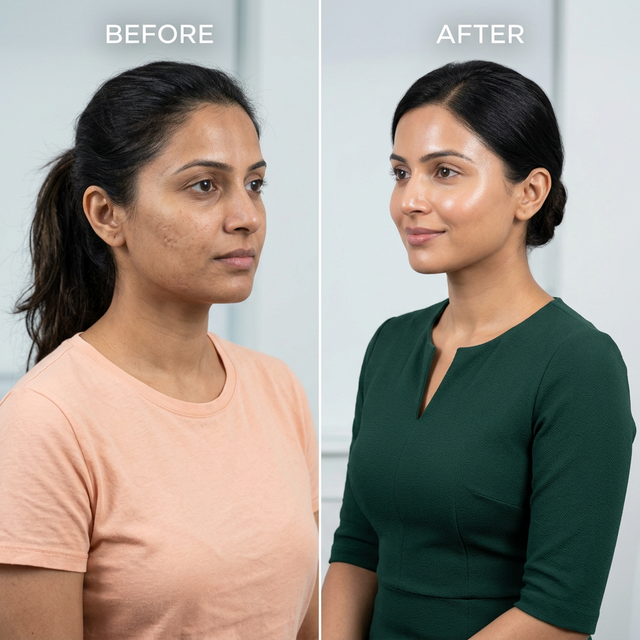
PRP skin treatment is a regenerative procedure that uses Platelet-Rich Plasma — a concentrated solution of growth factors extracted from your own blood — to rejuvenate, repair, and revitalize your skin from within. By stimulating natural collagen and elastin production, PRP addresses a wide range of skin concerns including fine lines, acne scars, pigmentation, dull complexion, and skin laxity. It is one of the safest and most effective non-surgical skin treatments available today because it relies entirely on your body's own healing biology.
If you have been wondering what PRP skin treatment actually involves, how it works, what results you can expect, and whether it is the right option for your skin concerns, this comprehensive guide will answer every question. We will cover the science, the step-by-step procedure, benefits, comparisons with other treatments, costs, and recovery — all in simple, straightforward language.
At DenceSpot Clinic in Gurgaon, we perform PRP skin treatments regularly and have witnessed remarkable transformations in our patients' skin quality, texture, and confidence. Let us walk you through everything you need to know about this powerful skin rejuvenation therapy.
How PRP Works on Skin — The Science of Skin Rejuvenation
To understand how PRP skin treatment works, it helps to know what happens beneath the surface of your skin as it ages. Over time, your skin's production of two essential structural proteins — collagen and elastin — slows down significantly. Collagen provides firmness and structure, while elastin gives your skin its ability to bounce back and stay supple. As these proteins decline, you begin to notice fine lines, wrinkles, sagging, and a loss of that youthful glow.
PRP skin treatment works by reversing this decline at the cellular level. When Platelet-Rich Plasma is introduced into the skin, the concentrated growth factors — including Platelet-Derived Growth Factor (PDGF), Transforming Growth Factor (TGF-beta), Vascular Endothelial Growth Factor (VEGF), and Epidermal Growth Factor (EGF) — trigger a cascade of biological responses:
Collagen synthesis is stimulated: Growth factors signal fibroblast cells in the dermis to produce new collagen fibres, which gradually thicken and firm the skin from within.
Elastin production is boosted: Alongside collagen, elastin production increases, restoring skin elasticity and reducing the appearance of sagging or laxity.
New blood vessel formation (angiogenesis): PRP promotes the creation of new capillaries in the treatment area, improving blood flow and oxygen delivery to skin cells. This is what gives the skin a natural, healthy glow after treatment.
Cellular turnover accelerates: Growth factors speed up the replacement of old, damaged skin cells with fresh, healthy ones, resulting in smoother texture and more even tone.
Because PRP works with your body's own biology rather than introducing synthetic chemicals, the results are gradual, natural-looking, and long-lasting. To understand the fundamentals of how PRP works in general, you can read our complete guide on what is PRP.
PRP Skin Treatment Benefits
PRP skin treatment offers an impressive range of benefits, making it suitable for multiple skin concerns in a single treatment approach. Here are the key benefits backed by clinical evidence and our experience at DenceSpot Clinic:
Skin Tightening and Firming
One of the most sought-after benefits of PRP skin treatment is its ability to tighten and firm the skin. As new collagen and elastin fibres form in the weeks following treatment, the skin gradually becomes firmer and more lifted. This is particularly noticeable around the jawline, cheeks, and neck where early signs of sagging tend to appear first.
Texture Improvement
Rough, uneven skin texture caused by sun damage, aging, or environmental exposure responds remarkably well to PRP. The accelerated cell turnover smoothens the skin surface, reduces enlarged pores, and creates a more refined, polished appearance.
Natural Glow and Radiance
Improved blood circulation and new blood vessel formation deliver more oxygen and nutrients to the skin cells. This biological improvement translates into a visible, healthy glow that no topical product can replicate. Patients often report that their skin looks "lit from within" after completing their PRP sessions.
Acne Scar Reduction
PRP is highly effective for reducing the appearance of acne scars, particularly atrophic (depressed) scars such as ice pick, boxcar, and rolling scars. The growth factors stimulate collagen remodelling within the scar tissue, gradually filling in the depressions and smoothening the skin surface. When combined with microneedling, the results are even more pronounced.
Pigmentation and Dark Spot Correction
Uneven skin tone, melasma patches, post-inflammatory hyperpigmentation, and sun spots can all be improved with PRP therapy. The treatment promotes healthy cell regeneration, which gradually replaces pigmented cells with fresh, evenly toned skin. Unlike some laser treatments, PRP carries a very low risk of causing further pigmentation changes — making it particularly suitable for Indian skin tones.
Stretch Mark Improvement
Stretch marks on the abdomen, thighs, hips, or arms can be improved with PRP skin treatment. The growth factors stimulate collagen production within the stretch mark tissue, improving its texture, colour, and overall appearance over multiple sessions.
Under-Eye Rejuvenation
The delicate under-eye area is one of the first places to show signs of aging and fatigue. PRP injections in this area help thicken the thin skin, reduce dark circles caused by vascular congestion, diminish fine lines, and improve the hollow appearance that makes under-eye circles look worse. The results are subtle but transformative.
PRP Skin Treatment Procedure — Step by Step
The PRP skin treatment procedure is straightforward, minimally invasive, and typically completed within 60 to 90 minutes. Here is exactly what happens during a session at DenceSpot Clinic:
Step 1: Consultation and Skin Assessment
Before any treatment, your dermatologist conducts a thorough assessment of your skin type, concerns, and medical history. This ensures PRP is appropriate for you and helps customize the treatment plan — including injection sites, depth, and whether to combine PRP with microneedling.
Step 2: Blood Draw
A small amount of blood — typically 15 to 20 millilitres — is drawn from a vein in your arm. This is identical to a standard blood test and takes only 2 to 3 minutes. The amount drawn is minimal and has no effect on your overall blood volume or energy levels.
Step 3: Centrifugation and PRP Extraction
The blood sample is placed in a specialized centrifuge machine that spins at high speed for approximately 10 to 15 minutes. This process separates the blood into three distinct layers: red blood cells at the bottom, platelet-poor plasma at the top, and the golden Platelet-Rich Plasma layer in the middle. This PRP layer — containing 3 to 5 times the normal concentration of platelets — is carefully extracted.
Step 4: Skin Preparation and Numbing
While the blood is being processed, a topical numbing cream (typically containing lidocaine) is applied to your face or the treatment area. This is left on for 20 to 30 minutes to ensure maximum comfort during the procedure.
Step 5: PRP Application
Depending on your treatment plan, PRP is delivered to the skin using one or both of these methods. Direct micro-injections: Using very fine needles, PRP is injected at multiple points across the treatment area at a precise depth within the dermis. Topical application with microneedling: PRP is spread across the skin surface, and a microneedling device is used to create thousands of micro-channels that allow the PRP to penetrate deep into the skin layers.
Step 6: Post-Treatment Care
After the procedure, a soothing serum or gentle moisturizer may be applied. Your dermatologist will provide specific aftercare instructions. You can leave the clinic immediately — there is no need for any recovery period at the facility.
PRP Skin Treatment Areas
PRP skin treatment is not limited to just the face. It can be effectively applied to multiple areas of the body where skin rejuvenation is desired:
Face: The most common treatment area. PRP addresses forehead lines, crow's feet, nasolabial folds, cheek volume loss, acne scars, enlarged pores, and overall dullness. For those interested in facial PRP specifically, our PRP treatment for face guide covers this in detail.
Neck: The neck is often neglected in skincare routines but shows aging signs early. PRP helps tighten crepey neck skin, reduce horizontal lines, and improve skin quality in this delicate area.
Decolletage (Chest Area): Sun damage and aging often cause fine lines, wrinkles, and pigmentation on the chest. PRP rejuvenates the decolletage area, restoring smoother and more youthful skin.
Hands: The backs of the hands lose volume and develop thin, crepey skin with age. PRP helps restore some volume, improve skin thickness, and reduce the prominence of veins and tendons.
Under Eyes: As mentioned earlier, PRP is particularly effective for the under-eye area, addressing dark circles, hollowness, fine lines, and thin skin.
Transform Your Skin with PRP at DenceSpot
Whether you want to reduce acne scars, tighten aging skin, or restore your natural glow, our PRP skin treatment delivers real, lasting results. Book a free consultation with our dermatology team in Gurgaon today.
Book Free ConsultationPRP Microneedling for Skin
PRP microneedling — often called the "Vampire Facial" — is one of the most popular and effective ways to deliver PRP into the skin. It combines two powerful therapies into one session for enhanced results.
How it works: A derma pen or microneedling device fitted with fine sterile needles creates thousands of controlled micro-injuries across the skin surface. PRP is applied topically before, during, and after the microneedling process. The micro-channels created by the needles allow the PRP to penetrate far deeper into the dermis than topical application alone would permit.
Why the combination is so effective: Microneedling on its own stimulates a wound-healing response that triggers collagen production. When you add PRP to this process, you are flooding those micro-wounds with concentrated growth factors, dramatically amplifying the healing and regeneration response. Clinical studies have shown that PRP microneedling produces superior results compared to either treatment performed alone — especially for acne scars, fine lines, and overall skin texture improvement.
If you are interested in learning how complementary skin treatments work, our guide on benefits of HydraFacial explains another popular option that pairs well with PRP for comprehensive skin care.
PRP Skin Treatment vs Laser Treatment
Both PRP and laser treatments are popular choices for skin rejuvenation, but they work very differently and are suited to different needs:
Mechanism: PRP works from within by stimulating your body's natural collagen production using growth factors. Laser treatment works from the outside by using focused light energy to ablate (remove) or heat the skin's surface layers, triggering a healing response.
Safety for Indian skin: This is a critical consideration. Laser treatments, particularly ablative lasers, carry a significant risk of post-inflammatory hyperpigmentation (darkening of the skin) in individuals with medium to dark skin tones — which includes the vast majority of Indian skin types. PRP carries virtually no risk of pigmentation changes because it does not involve heat or light energy.
Downtime: Laser treatments often require 5 to 10 days of downtime with visible redness, peeling, and sensitivity. PRP skin treatment typically involves only 24 to 48 hours of mild redness.
Pain and discomfort: Laser treatments can be moderately to significantly painful even with numbing. PRP treatment is generally more comfortable.
Cost: Laser treatments tend to be more expensive per session than PRP, though fewer sessions may be needed for certain conditions.
Best approach: For many patients, especially those with Indian skin tones, PRP offers a safer and more predictable path to skin rejuvenation. In some cases, PRP and laser can be combined — with PRP used to accelerate healing after a laser session.
PRP Skin Treatment vs Chemical Peel
A chemical peel is another common skin rejuvenation treatment. Here is how it compares with PRP:
Mechanism: Chemical peels use acid solutions (glycolic acid, salicylic acid, TCA, etc.) to dissolve and remove damaged outer layers of skin, revealing fresher skin underneath. PRP stimulates regeneration from within the deeper skin layers without removing any surface skin.
Depth of treatment: Chemical peels primarily work on the epidermis (superficial peels) or the upper dermis (medium peels). PRP works within the dermis where collagen and elastin are produced, addressing structural changes that peels cannot reach.
Suitability: Chemical peels are excellent for surface-level concerns like mild pigmentation, dullness, and clogged pores. PRP is better suited for deeper concerns like skin laxity, volume loss, acne scars, and significant collagen depletion.
Combination potential: PRP and chemical peels can be used together in a treatment plan — chemical peels to address surface issues and PRP to rebuild deeper skin structure. They are typically performed on different days with adequate spacing between sessions.
PRP Skin Treatment Recovery and Aftercare
One of the most attractive aspects of PRP skin treatment is the minimal recovery time. However, following proper aftercare ensures optimal results:
Immediately after treatment: Mild redness, warmth, and a tight sensation are normal. Your skin may look slightly flushed, similar to a mild sunburn. This typically fades within a few hours to 24 hours.
First 24 hours: Avoid touching or washing the treated area for at least 6 to 8 hours to allow the PRP to fully absorb. Do not apply makeup, retinols, vitamin C serums, or any active skincare products. Avoid direct sun exposure and strenuous exercise that causes heavy sweating.
Days 2 to 3: You may experience mild dryness or flaking as the skin begins its regeneration process. Use a gentle, fragrance-free moisturizer. Continue avoiding direct sun and apply broad-spectrum SPF 50 sunscreen when going outdoors.
Days 4 to 7: Most visible signs of treatment have resolved. You can gradually resume your normal skincare routine. Continue diligent sun protection as your skin is still in active healing mode.
If microneedling was combined: Expect slightly more redness and sensitivity for the first 2 to 3 days. Tiny pinpoint marks from the microneedling will fade within 24 to 48 hours. Avoid swimming pools, saunas, and hot showers for at least 48 hours.
PRP Skin Treatment Results Timeline
Understanding the results timeline helps set realistic expectations. PRP works by triggering biological processes that take time to develop:
Week 1: The initial inflammatory healing response is underway. Your skin may feel slightly tighter. Some patients report a subtle glow within the first few days as blood flow to the treated area increases. No major visible changes yet.
Week 2 to 3: New collagen synthesis has begun. You may start noticing smoother skin texture and a healthier complexion. Fine lines may appear slightly softened.
Week 4 to 6: Collagen production is in full swing. Skin feels noticeably firmer and looks more radiant. Pigmentation begins to lighten. This is typically when the second PRP session is scheduled.
Month 2 to 3: Significant improvement becomes visible. Acne scars appear shallower, skin tone is more even, fine lines are reduced, and overall skin quality has clearly improved. Most patients have completed 2 to 3 sessions by this point.
Month 3 to 6: Collagen remodelling continues. The cumulative effect of multiple sessions becomes very apparent. Skin looks visibly younger, firmer, and more vibrant. This is often when patients receive the most compliments about their skin.
Month 6 to 12: With maintenance sessions, results continue to improve and stabilize. The skin maintains its improved quality, and the structural changes in collagen and elastin provide lasting benefits.
How Many PRP Skin Treatment Sessions Are Needed?
The number of sessions depends on your specific skin concern and its severity:
General skin rejuvenation and glow: 3 sessions spaced 3 to 4 weeks apart, followed by maintenance every 4 to 6 months.
Fine lines and early aging: 3 to 4 sessions spaced 3 to 4 weeks apart.
Acne scars: 4 to 6 sessions spaced 3 to 4 weeks apart, depending on scar depth and type.
Pigmentation and melasma: 3 to 4 sessions, often combined with appropriate topical treatments.
Under-eye dark circles: 3 to 4 sessions spaced 4 weeks apart.
Skin tightening: 4 to 6 sessions for noticeable firming results.
Your dermatologist at DenceSpot Clinic will create a customized treatment plan based on a thorough skin assessment during your initial consultation.
PRP Skin Treatment Side Effects
Because PRP is derived from your own blood (autologous), the risk of serious adverse reactions is extremely low. However, some temporary and mild side effects can occur:
Redness and warmth: The most common side effect, typically lasting 12 to 24 hours. It is a normal part of the healing response.
Mild swelling: Some patients experience minor swelling at injection sites, which resolves within 24 to 48 hours.
Bruising: Small bruises may appear at injection points, particularly in patients with thinner or more sensitive skin. These fade within 3 to 5 days.
Tenderness: The treated area may feel tender to the touch for 1 to 2 days.
Dryness or flaking: Mild peeling or dryness can occur as the skin regenerates, typically around days 2 to 4.
Infection: Extremely rare when the procedure is performed in a sterile clinical environment by trained professionals. This is why choosing a reputable clinic is important.
PRP does not cause burns, hyperpigmentation, or allergic reactions — risks that are associated with some laser treatments and chemical products. This excellent safety profile is one of the reasons PRP is favoured for skin treatment across all skin types and tones.
PRP Skin Treatment Cost in India
The cost of PRP skin treatment in India is significantly more affordable compared to Western countries, making India an attractive destination for this procedure. Here is a general overview:
Single PRP skin session (without microneedling): 4,000 to 12,000 rupees.
PRP with microneedling (Vampire Facial): 6,000 to 18,000 rupees per session.
PRP under-eye treatment: 5,000 to 15,000 rupees per session.
Package of 3 to 4 sessions: Many clinics offer discounted packages, which can bring the per-session cost down by 15 to 25 percent.
Factors affecting cost: The city and location of the clinic, the experience and qualifications of the dermatologist, the quality of the centrifuge and PRP kit used, whether microneedling is included, and the size of the treatment area all influence the final cost.
At DenceSpot Clinic in Gurgaon, we maintain transparent pricing with no hidden charges. During your consultation, we provide a clear cost breakdown so you can plan your treatment with confidence.
Combining PRP with Other Skin Treatments
PRP works exceptionally well as a standalone treatment, but it can also be combined with other procedures for enhanced results:
PRP with Microneedling: As discussed, this is the most popular combination. The micro-channels enhance PRP absorption, and the combined collagen stimulation produces superior results.
PRP with HydraFacial: A HydraFacial deeply cleanses, exfoliates, and hydrates the skin. When performed before a PRP session (on a separate day), it prepares the skin to better absorb and respond to the growth factors.
PRP with Chemical Peels: A superficial chemical peel can be used to address surface pigmentation and dullness, while PRP works on deeper structural rejuvenation. These are typically spaced 2 weeks apart.
PRP with Carbon Facial: A carbon laser facial addresses oily skin, enlarged pores, and mild pigmentation. Combined with PRP in an overall treatment plan, both treatments complement each other for comprehensive skin improvement.
PRP after Tattoo Removal: PRP can be used to improve the healing and skin quality of the area after laser tattoo removal sessions, reducing the risk of scarring and promoting even skin tone.
Who Should Avoid PRP Skin Treatment?
While PRP is one of the safest aesthetic treatments available, it is not suitable for everyone. PRP skin treatment should be avoided by:
Individuals with blood disorders: Conditions such as platelet dysfunction syndrome, thrombocytopenia (low platelet count), or haemophilia affect the quality or quantity of platelets, making PRP ineffective or unsafe.
People with active skin infections: Any active bacterial, viral, or fungal infection at the treatment site must be fully treated before PRP can be considered.
Patients with active inflammatory skin conditions: Conditions like eczema, psoriasis, or rosacea that are flaring at the treatment site should be controlled before undergoing PRP.
Individuals on blood-thinning medications: Anticoagulants can affect platelet function and increase the risk of bruising. Your doctor may advise temporarily pausing these medications before treatment (only with the prescribing doctor's approval).
Pregnant and breastfeeding women: As a precautionary measure, PRP treatment is not recommended during pregnancy or breastfeeding.
Cancer patients or those on chemotherapy: Chemotherapy affects blood cell production and immune function, making PRP inadvisable during treatment.
Uncontrolled diabetes or liver disease: These conditions can impair healing and affect blood quality.
A comprehensive medical evaluation is always conducted at DenceSpot Clinic before recommending PRP to ensure patient safety.
Tips for Best PRP Skin Treatment Results
To maximize the benefits of your PRP skin treatment, follow these expert recommendations:
Stay hydrated: Drink plenty of water before and after your treatment. Well-hydrated blood produces better quality PRP, and hydrated skin heals faster.
Follow the recommended session schedule: Consistency is key. Spacing sessions 3 to 4 weeks apart and completing the full course gives cumulative and lasting results. Skipping sessions or spacing them too far apart reduces effectiveness.
Protect your skin from the sun: UV damage is the number one enemy of collagen. Use SPF 50 sunscreen daily — not just after treatment, but as a permanent habit. This preserves your PRP results and prevents new damage.
Maintain a good skincare routine: Use gentle, non-irritating products. Incorporate a vitamin C serum (not on treatment day) and a quality moisturizer. Avoid harsh scrubs or aggressive exfoliants.
Eat a balanced diet: Foods rich in vitamin C, zinc, protein, and omega-3 fatty acids support collagen production and skin health. Include citrus fruits, green leafy vegetables, nuts, fish, and eggs in your diet.
Avoid smoking and excessive alcohol: Both impair circulation, reduce oxygen delivery to the skin, and slow down the healing process. Avoiding them leads to better PRP outcomes.
Get adequate sleep: Your body does most of its repair and regeneration work during sleep. Aim for 7 to 8 hours of quality sleep each night, especially in the weeks following treatment.
Communicate with your dermatologist: Report any unusual reactions, ask questions, and attend follow-up appointments. Your treatment plan may be adjusted based on how your skin responds.
Choosing the Right Clinic for PRP Skin Treatment
The quality of your PRP skin treatment depends heavily on the clinic and medical team performing it. Here is what to look for when choosing a clinic:
Qualified and experienced dermatologist: Ensure your treatment is performed or supervised by a qualified dermatologist or plastic surgeon with specific experience in PRP therapy. The skill of the practitioner directly affects the quality of results.
Quality of PRP preparation equipment: Not all centrifuges and PRP kits are equal. Advanced, FDA-approved PRP preparation systems yield higher platelet concentrations and better quality PRP. Ask the clinic about the equipment they use.
Sterile and hygienic environment: PRP involves blood processing and injections, so the clinic must maintain strict infection control protocols. Look for a clean, well-maintained facility with proper sterilization procedures.
Transparent pricing: A reputable clinic will provide a clear cost breakdown during your consultation with no hidden charges or pressure to commit immediately.
Patient reviews and before-after results: Check online reviews, testimonials, and before-and-after photographs of actual patients treated at the clinic. Real results speak louder than marketing claims.
Personalized treatment approach: Avoid clinics that offer a one-size-fits-all approach. Your PRP treatment plan should be customized based on your unique skin type, concerns, age, and goals.
At DenceSpot Clinic in Gurgaon, we pride ourselves on meeting all of these standards. Our team of experienced dermatologists uses advanced PRP technology in a state-of-the-art clinical setting to deliver consistent, high-quality results for every patient.
Ready to Rejuvenate Your Skin with PRP?
Whether you are dealing with acne scars, pigmentation, fine lines, or simply want healthier and more radiant skin, our PRP skin treatment can help. Book a free consultation at DenceSpot Clinic Gurgaon and get a personalized treatment plan from our expert dermatologists.
Book Free ConsultationFrequently Asked Questions
What exactly is PRP skin treatment?
PRP skin treatment is a regenerative procedure that uses Platelet-Rich Plasma extracted from your own blood to rejuvenate and repair skin. The concentrated platelets contain growth factors that stimulate collagen and elastin production, improving skin texture, tone, and firmness. It is used to treat fine lines, acne scars, pigmentation, dull skin, and under-eye concerns.
Is PRP skin treatment painful?
PRP skin treatment involves minimal discomfort. A topical numbing cream is applied to the treatment area 20 to 30 minutes before the procedure. Most patients describe the sensation as a mild tingling or prickling. When combined with microneedling, you may feel a slight scratching sensation. Any mild soreness typically subsides within a few hours after the session.
How many PRP skin treatment sessions are needed?
Most dermatologists recommend 3 to 4 initial PRP skin treatment sessions spaced 3 to 4 weeks apart for optimal results. For deeper concerns like acne scars or significant pigmentation, 4 to 6 sessions may be needed. Maintenance sessions every 4 to 6 months help sustain the results and continue improving skin quality over time.
How long do PRP skin treatment results last?
PRP skin treatment results typically last 6 to 12 months after completing the initial course of sessions. The longevity depends on your age, skin condition, lifestyle, and sun exposure. Regular maintenance sessions every 4 to 6 months can extend and enhance the results significantly. Combining PRP with good skincare and sun protection helps maintain outcomes longer.
What is the difference between PRP skin treatment and laser treatment?
PRP skin treatment uses your own blood-derived growth factors to stimulate natural collagen production from within, while laser treatment uses focused light energy to resurface the skin by removing damaged outer layers. PRP has minimal downtime and no risk of burns or hyperpigmentation, making it safer for Indian skin tones. Laser treatments may offer faster surface-level results but carry higher risks for darker skin.
How much does PRP skin treatment cost in India?
In India, a single PRP skin treatment session typically costs between 4,000 and 15,000 rupees depending on the city, clinic reputation, and whether it is combined with microneedling. In Gurgaon, at DenceSpot Clinic, we offer transparent and competitive pricing. A consultation will give you an accurate cost breakdown based on your specific skin concerns and treatment plan.
Can PRP skin treatment reduce acne scars?
Yes, PRP skin treatment is highly effective for reducing acne scars. The growth factors in PRP stimulate collagen remodelling, which gradually fills in depressed scars and smoothens the skin surface. When combined with microneedling, PRP penetrates deeper into scar tissue, accelerating the healing process. Most patients see noticeable improvement in acne scars after 3 to 4 sessions.
Who should avoid PRP skin treatment?
PRP skin treatment is not recommended for individuals with blood disorders such as platelet dysfunction or thrombocytopenia, active skin infections or inflammatory conditions like eczema or psoriasis at the treatment site, uncontrolled diabetes, liver disease, cancer or those undergoing chemotherapy, and pregnant or breastfeeding women. A thorough consultation is always conducted before treatment.