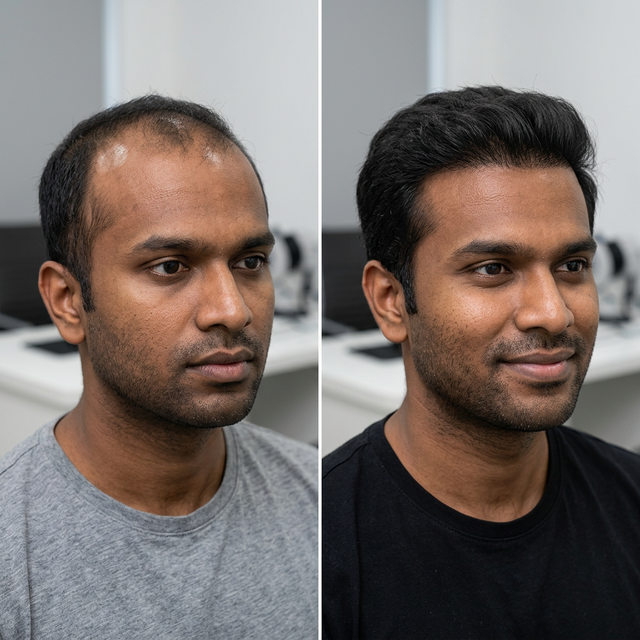
A PRP injection is a medical procedure where a concentrated solution of your own platelets is injected into a targeted area of the body to accelerate healing, stimulate tissue regeneration, and promote natural growth. PRP stands for Platelet-Rich Plasma, and it has become one of the most trusted non-surgical treatments in dermatology, orthopaedics, and aesthetic medicine.
Whether you are dealing with thinning hair, ageing skin, chronic joint pain, or a stubborn sports injury, PRP injections offer a scientifically backed solution that works with your body rather than against it. At DenceSpot Clinic in Gurgaon, we use advanced double-spin centrifugation techniques to deliver PRP with the highest platelet concentration for maximum results.
In this comprehensive guide, we will cover everything you need to know about PRP injections, from the science behind them to the procedure itself, recovery, cost, and how they compare with other treatments. If you are new to PRP, you may also want to read our introductory articles on what is PRP and what is PRP therapy for additional background.
What Happens During a PRP Injection?
A PRP injection involves drawing a small amount of your blood, processing it to isolate the platelet-rich plasma, and then injecting that concentrated plasma directly into the treatment area. The entire procedure takes about 45-60 minutes from start to finish and is performed as an outpatient procedure with no hospitalisation required.
When the concentrated platelets are injected into the target tissue, they release a powerful cocktail of growth factors. These growth factors signal the surrounding cells to begin repairing, rebuilding, and regenerating tissue. This is why PRP is effective across such a wide range of conditions, from hair follicle stimulation to cartilage repair in joints.
The beauty of PRP injection lies in its simplicity. There are no synthetic chemicals, no foreign substances, and no risk of allergic reaction because everything used comes from your own body. It is regenerative medicine in its purest form.
The Science Behind PRP Injections
To truly understand what a PRP injection does, you need to understand what platelets are and why they matter. Platelets are small cell fragments in your blood that are best known for their role in clotting. But their healing capabilities go far beyond stopping a cut from bleeding.
Each platelet contains hundreds of proteins called growth factors. When platelets are concentrated through the PRP process (typically 3-5 times above normal blood levels), the growth factor concentration increases dramatically. Here are the key growth factors at work in a PRP injection:
- PDGF (Platelet-Derived Growth Factor): Stimulates cell replication, blood vessel formation, and collagen production. It plays a critical role in tissue repair and wound healing.
- TGF-beta (Transforming Growth Factor Beta): Promotes extracellular matrix formation, regulates immune cell function, and supports the structural framework needed for new tissue growth.
- VEGF (Vascular Endothelial Growth Factor): Promotes the formation of new blood vessels (angiogenesis), which is essential for delivering oxygen and nutrients to healing or growing tissue.
- EGF (Epidermal Growth Factor): Stimulates skin cell growth, wound healing, and collagen synthesis. This is particularly important in facial PRP treatments and skin rejuvenation.
- FGF (Fibroblast Growth Factor): Supports tissue repair, stimulates the growth of fibroblasts (the cells that produce collagen), and plays a role in angiogenesis.
- IGF-1 (Insulin-like Growth Factor): Regulates cell growth and differentiation, and works synergistically with other growth factors to enhance the overall regenerative effect.
When these growth factors are delivered in concentrated form through a PRP injection, they create a powerful regenerative cascade at the injection site. This is not a temporary fix; PRP initiates genuine biological repair at the cellular level.
PRP Injection for Different Conditions
PRP Injection for Hair Loss
PRP injection for hair is one of the most popular applications of this treatment. The growth factors in PRP stimulate dormant hair follicles, increase blood supply to the scalp, and extend the active growth phase (anagen phase) of the hair cycle. Patients typically notice reduced hair shedding within 4-6 weeks, with visible new growth appearing after 3-4 sessions.
PRP works best for androgenetic alopecia (male and female pattern hair loss), diffuse thinning, and as a supportive treatment after hair transplant surgery. It helps transplanted grafts survive and thrive in their new location. Learn more about our specialised PRP hair treatment in Gurgaon.
PRP Injection for Face Rejuvenation
Often called the "vampire facial," PRP injection for the face stimulates collagen and elastin production in the skin. The result is improved skin texture, reduced fine lines, smaller pores, and a natural glow that comes from within. Unlike synthetic fillers, PRP provides gradual, natural-looking improvement that develops over weeks as your skin regenerates from the inside out.
PRP facial injections are particularly effective for under-eye dark circles, acne scars, and overall skin tightening. At DenceSpot, we offer comprehensive face PRP treatment in Gurgaon tailored to your specific skin concerns.
PRP Injection for Knee and Joint Pain
PRP injections have gained significant attention in orthopaedics for treating osteoarthritis, particularly in the knee. The growth factors in PRP help reduce inflammation within the joint, stimulate cartilage repair, and improve the quality of synovial fluid (the natural lubricant in your joints). Many patients experience meaningful pain reduction and improved mobility after a course of PRP injections.
PRP Injection for Sports Injuries
Professional athletes have been using PRP injections for years to speed up recovery from tendon injuries, ligament sprains, and muscle tears. The treatment accelerates the natural healing process, allowing athletes to return to training sooner. Common sports injuries treated with PRP include tennis elbow, Achilles tendinitis, rotator cuff tears, and hamstring injuries.
PRP Injection for Skin
Beyond facial rejuvenation, PRP is used to treat stretch marks, surgical scars, and skin damaged by sun exposure. When combined with microneedling, PRP penetrates deeper into the skin layers and delivers growth factors precisely where they are needed most. This combination therapy is one of the most effective non-surgical skin rejuvenation treatments available today.
The PRP Injection Procedure: Step by Step
Understanding exactly what happens during a PRP injection helps ease any anxiety and ensures you are fully prepared for your session. Here is the detailed procedure as performed at DenceSpot Clinic:
- Step 1 - Consultation and Preparation: Your doctor assesses your condition, reviews your medical history, and determines the appropriate treatment protocol. The target area is cleaned and prepped. For scalp and facial treatments, a topical numbing cream is applied 20-30 minutes before the procedure.
- Step 2 - Blood Draw: A small amount of blood (typically 15-20 ml, similar to a routine blood test) is drawn from your arm using a sterile syringe. This is no different from a standard blood sample collection.
- Step 3 - Centrifugation: The blood sample is placed in a specialised centrifuge machine and spun at controlled speeds for 10-15 minutes. This separates the blood into three layers: red blood cells at the bottom, platelet-poor plasma at the top, and the golden platelet-rich plasma in the middle. At DenceSpot, we use a double-spin technique to achieve a higher platelet concentration.
- Step 4 - PRP Extraction: The platelet-rich plasma layer is carefully extracted using a sterile syringe. This concentrated solution contains 3-5 times more platelets than your normal blood.
- Step 5 - Injection Technique: The PRP is injected into the target area using fine needles. For the scalp, multiple micro-injections are placed across the thinning areas in a systematic grid pattern. For the face, injections follow the natural contours and target specific concern areas. For joints, the injection is guided by anatomical landmarks or ultrasound imaging for precision.
- Step 6 - Post-Procedure Care: The treatment area is gently cleaned. You are given specific aftercare instructions and can leave the clinic immediately.
Does PRP Injection Hurt?
This is one of the most common questions we hear at DenceSpot Clinic, and the honest answer is that most patients find it very tolerable. On a pain scale of 1 to 10, most patients rate the discomfort between 2 and 4.
For scalp PRP injections, a topical anaesthetic cream is applied 20-30 minutes before the procedure. This numbs the surface of the skin so that you feel only a mild pressure or slight pinch with each injection. Some areas of the scalp are more sensitive than others (the temples and the hairline, for instance), but the discomfort is brief and manageable.
For facial PRP, numbing cream is always used, and many patients report that the procedure feels like a series of tiny pinpricks. For joint injections, a local anaesthetic may be administered near the injection site to ensure comfort.
After the procedure, you may experience mild soreness, a warm sensation, or slight swelling at the injection site. These effects typically resolve within 24-48 hours and are a normal sign that the healing process has been activated.
PRP Injection Aftercare
Proper aftercare is essential to maximise the benefits of your PRP injection. Follow these guidelines for the best results:
- First 24 Hours: Avoid washing the treated area (for scalp/face treatments). Do not apply ice to the injection site, as inflammation is part of the healing process PRP initiates.
- First 48 Hours: Avoid strenuous exercise, saunas, steam rooms, and swimming pools. Do not consume alcohol, as it can impair the healing response.
- First Week: Avoid blood-thinning medications (aspirin, ibuprofen) unless prescribed by your doctor. Use only gentle, chemical-free products on the treated area. Avoid direct sun exposure on treated skin.
- Ongoing: Stay well hydrated, eat a protein-rich diet, and get adequate sleep. These support your body's natural healing and regeneration processes.
- Follow-Up: Attend all scheduled follow-up sessions. Consistency is critical for achieving optimal results with PRP.
How Many PRP Injection Sessions Are Needed?
The number of sessions varies based on the condition being treated and its severity:
- Hair Loss: 3-4 initial sessions spaced 3-4 weeks apart, followed by maintenance every 4-6 months. Severe hair loss may require 6 sessions initially.
- Facial Rejuvenation: 3 sessions spaced 4-6 weeks apart for optimal collagen stimulation. Maintenance sessions every 6-12 months.
- Knee/Joint Pain: 1-3 sessions spaced 2-4 weeks apart. Many patients experience significant relief after just one or two sessions.
- Sports Injuries: 1-3 sessions depending on the type and severity of the injury.
- Skin Rejuvenation: 3-4 sessions spaced 4 weeks apart for conditions like acne scars or stretch marks.
Ready to Experience PRP Injection Treatment?
DenceSpot Clinic in Gurgaon offers advanced PRP injection treatments for hair, face, and skin. Our experienced doctors use the latest double-spin centrifugation for maximum platelet concentration and results.
Book Free ConsultationPRP Injection Results Timeline
PRP is not an overnight solution. It works by triggering your body's natural regenerative processes, which take time. Here is a realistic timeline of what to expect:
- Week 1-2: Initial inflammatory response at the injection site (this is normal and desired). You may notice mild redness or swelling that subsides quickly.
- Week 3-4: Growth factors begin stimulating cell proliferation. For hair treatments, shedding may temporarily reduce. Skin may start to feel smoother.
- Month 2-3: Collagen production ramps up. Hair follicles enter the active growth phase. Skin texture and tone begin to visibly improve. Joint pain patients may notice reduced stiffness.
- Month 3-6: Peak results become visible. New hair growth is noticeable. Facial skin appears firmer and more radiant. Joint mobility continues to improve.
- Month 6-12: Full results are established. With maintenance sessions, improvements continue to build over time.
It is important to understand that individual results vary. Factors like age, overall health, severity of the condition, and adherence to aftercare instructions all influence the outcome. Patients who complete the full recommended course of sessions consistently see the best results.
PRP Injection Cost in India
PRP injection is one of the most cost-effective regenerative treatments available in India. The cost varies depending on several factors:
- Treatment Area: Scalp PRP for hair loss typically costs Rs 3,000 to Rs 7,000 per session. Facial PRP ranges from Rs 4,000 to Rs 8,000 per session. Joint PRP injections may cost Rs 5,000 to Rs 10,000 per session.
- Clinic Location: Metropolitan cities like Gurgaon, Delhi, and Mumbai tend to have slightly higher pricing than smaller cities, but they also offer access to more experienced doctors and better equipment.
- Doctor's Expertise: A qualified dermatologist or orthopaedic specialist with years of PRP experience will charge appropriately for their expertise. This is one area where cost-cutting is not advisable.
- Equipment Quality: The type of centrifuge used, the PRP kit quality, and whether single-spin or double-spin technique is employed all affect the platelet concentration and, consequently, the cost.
At DenceSpot Clinic, we offer transparent pricing with no hidden charges. We believe every patient deserves access to high-quality PRP treatment, which is why we offer flexible payment options and package deals for multiple sessions. Contact us for a personalised quote based on your specific needs.
PRP Injection vs Cortisone Injection
Cortisone (corticosteroid) injections have been used for decades to manage pain and inflammation, particularly in joints. While effective for short-term relief, they work very differently from PRP:
- Mechanism: Cortisone suppresses inflammation and masks pain. PRP stimulates actual tissue repair and regeneration. Cortisone treats the symptom; PRP addresses the underlying cause.
- Duration of Relief: Cortisone provides relief for a few weeks to a few months. PRP results can last 6-18 months and improve over time as tissue heals.
- Long-Term Effects: Repeated cortisone injections can weaken tendons, thin cartilage, and damage surrounding tissue over time. PRP strengthens and rebuilds tissue with no degenerative side effects.
- Number of Injections: Doctors typically limit cortisone injections to 3-4 per year per joint due to tissue damage risks. PRP has no such limitation because it heals rather than harms.
- Source: Cortisone is a synthetic steroid. PRP comes from your own blood, making it completely natural and biocompatible.
For acute inflammation or severe pain that needs immediate relief, cortisone may be appropriate as a short-term solution. But for long-term healing and tissue regeneration, PRP is the superior choice. Many patients who have relied on cortisone injections for years are now switching to PRP for more sustainable results.
PRP Injection vs Dermal Fillers
In the context of facial rejuvenation, PRP injections and dermal fillers serve different purposes and work in fundamentally different ways:
- Composition: Dermal fillers are made of synthetic or semi-synthetic materials like hyaluronic acid, calcium hydroxylapatite, or poly-L-lactic acid. PRP is made entirely from your own blood.
- How They Work: Fillers physically add volume beneath the skin to fill wrinkles and plump up areas like the cheeks and lips. PRP stimulates your body to produce its own collagen and elastin, improving skin quality from within.
- Results: Fillers provide instant visible results that last 6-18 months depending on the product. PRP results develop gradually over 2-3 months as collagen builds up, and can last 12 months or longer with maintenance.
- Natural Appearance: PRP produces very natural-looking results because it enhances your own skin rather than adding foreign material. Fillers, when done well, look natural too, but there is always a slight risk of an overdone appearance.
- Side Effects: Fillers can cause lumps, migration, or vascular occlusion in rare cases. PRP side effects are limited to temporary redness and mild swelling since it is your own plasma.
- Best For: Fillers are ideal for adding volume and treating deep wrinkles or hollow areas. PRP is ideal for overall skin quality improvement, fine lines, texture, and a natural glow.
Many clinics, including DenceSpot, recommend combining PRP with dermal fillers for comprehensive facial rejuvenation. The fillers provide immediate structural improvement while PRP works in the background to improve skin quality over time. This combination approach delivers both instant and long-lasting results.
Get Expert PRP Treatment at DenceSpot Clinic
Whether you need PRP for hair loss, facial rejuvenation, or skin repair, our specialists in Gurgaon will create a personalised treatment plan for your unique needs. Walk in or book online today.
Book Free ConsultationFrequently Asked Questions
What is a PRP injection used for?
PRP injections are used for hair loss treatment, facial rejuvenation, knee and joint pain relief, sports injury recovery, and skin healing. The concentrated platelets release growth factors that accelerate tissue repair and regeneration.
How painful is a PRP injection?
Most patients describe PRP injections as mildly uncomfortable rather than painful. A topical numbing cream or local anaesthesia is applied before the procedure, so you feel only a slight pressure or pinch during the injection.
How many PRP injection sessions are needed?
For hair loss, 3-4 initial sessions spaced 3-4 weeks apart are recommended, followed by maintenance sessions every 4-6 months. For joint pain, 1-3 sessions may be sufficient depending on severity.
How long do PRP injection results last?
PRP injection results typically last 6-12 months for hair loss and facial treatments, and up to 12-18 months for joint-related conditions. Maintenance sessions help sustain the results long term.
Is PRP injection safe?
Yes, PRP injection is very safe because it uses your own blood. Since the plasma comes from your body, there is virtually no risk of allergic reaction or rejection. Side effects are limited to mild swelling or redness at the injection site.
What is the cost of PRP injection in India?
PRP injection cost in India ranges from Rs 3,000 to Rs 8,000 per session depending on the treatment area, clinic location, and the expertise of the doctor. DenceSpot Clinic in Gurgaon offers competitive pricing with high-quality results.
Can PRP injections regrow hair?
Yes, PRP injections can stimulate dormant hair follicles and promote new hair growth. Clinical studies show that PRP increases hair count, hair thickness, and the growth phase duration of the hair cycle when taken as a complete course.
What is the difference between PRP injection and cortisone injection?
Cortisone injections reduce inflammation temporarily but do not heal tissue. PRP injections actively promote tissue repair and regeneration through growth factors. PRP addresses the root cause while cortisone only manages symptoms.