Hair serum is one of those products that can make a dramatic difference in how your hair looks and feels—if you know how to use it correctly. A few drops of the right serum can turn frizzy, dull hair into smooth, glossy strands that look salon-fresh.
Understanding how to use hair serum is the key to unlocking its full potential. Unlike conditioner, which works inside the hair shaft, serum creates a protective coating on the outside of each strand. This coating smooths the cuticle, reflects light for added shine, and shields your hair from humidity, heat, and environmental pollutants.
In this guide, we will walk you through everything you need to know about hair serums—from choosing the right type to applying it perfectly. If you are building a complete hair care routine, start with our guide on how to take care of hair.
What Is Hair Serum and How Does It Work?
Hair serum is a silicone-based or oil-based liquid product that coats the surface of your hair. Unlike oils that penetrate the hair shaft, serums sit on top, creating a smooth, protective barrier. This barrier reduces friction between hair strands, tames flyaways, and adds a polished, glossy finish.
Most hair serums contain ingredients like dimethicone (a silicone that smooths the cuticle), cyclomethicone (a lightweight silicone that evaporates without residue), and nourishing oils like argan or jojoba. Some serums also contain UV filters, heat protectants, and vitamins for added benefits.
Hair serum is not a replacement for conditioner—it serves a different purpose. While conditioner moisturizes and repairs from within, serum protects and polishes from the outside. Both are important parts of a well-rounded hair care routine.
Step-by-Step: How to Apply Hair Serum
Step 1: Start with Clean, Damp Hair
The best time to apply hair serum is right after washing your hair. Towel-dry your hair gently to remove excess water—your hair should be damp, not dripping. Damp hair absorbs serum more evenly, and the moisture helps distribute the product throughout your strands.
Step 2: Dispense the Right Amount
Less is more when it comes to hair serum. For short hair, one to two drops is enough. Medium-length hair needs two to three drops, and long or thick hair may require three to four drops. You can always add more if needed, but starting with too much will leave your hair looking greasy.
Step 3: Warm It Between Your Palms
Place the serum on your palms and rub your hands together to warm it and spread it evenly across your fingers. This ensures the product is distributed in a thin, even layer rather than concentrated in one spot.
Step 4: Apply to Mid-Lengths and Ends
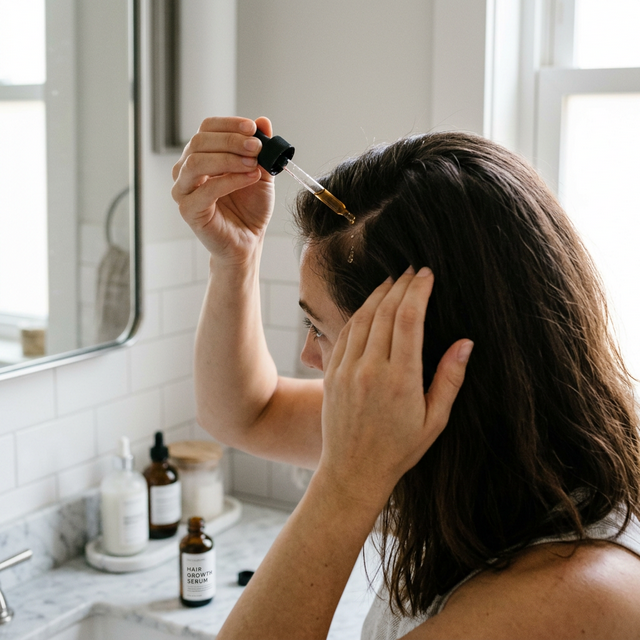
Run your hands through your hair, starting from the mid-lengths and working your way to the ends. Focus on the ends where hair is driest and most prone to frizz and split ends. Avoid applying serum to your roots or scalp—this will make your hair look oily and flat.
Step 5: Style as Usual
Once the serum is applied, you can blow dry, air dry, or style your hair as you normally would. If you are using heat tools, the serum provides an extra layer of protection against thermal damage. For tips on protecting your hair from heat, read our guide on how to repair damaged hair.
Types of Hair Serums
Smoothing and Anti-Frizz Serums
These are the most popular type. They contain silicones that coat the hair surface, creating a smooth barrier against humidity. Ideal for frizzy, coarse, or wavy hair that needs taming.
Heat Protection Serums
If you frequently use blow dryers, flat irons, or curling wands, a heat protection serum is essential. These create a thermal shield that prevents temperatures up to 230 degrees Celsius from damaging your hair's protein structure.
Nourishing and Repair Serums
These serums go beyond surface smoothing to deliver nutrients like keratin, biotin, and amino acids. They are designed for damaged, chemically treated, or over-processed hair that needs repair alongside protection.
Lightweight Shine Serums
For those who want shine without weight, lightweight serums use volatile silicones that add gloss and then evaporate, leaving no residue. These work well for fine or thin hair that cannot handle heavy products.
Choosing the Right Hair Serum for Your Hair Type
Fine or Thin Hair: Choose a lightweight, non-greasy serum. Look for water-based formulas or those with volatile silicones. Use sparingly—one drop may be all you need. Heavy serums will weigh down fine hair and make it look flat.
Thick or Coarse Hair: Rich, oil-based serums with argan oil or coconut oil work well for thick hair. These heavier formulas can penetrate the denser hair structure and provide the extra smoothing and moisture thick hair needs.
Curly Hair: Anti-frizz serums with added moisture are ideal. Look for formulas that define curls without making them crunchy. Avoid serums with high alcohol content as they can dry out curls.
Color-Treated Hair: Choose serums with UV protection to prevent color fading. Serums with added antioxidants like vitamin E help maintain vibrancy and protect against environmental damage.
Damaged Hair: Keratin-based repair serums help fill in gaps in the damaged cuticle, temporarily restoring smoothness and strength. Pair with a good conditioner and weekly hair mask for best results. Learn more in our hair mask application guide.
Want Professional Hair Care Advice?
Our dermatologists at DenceSpot can assess your hair condition and recommend the right serums and treatments for your specific needs, including advanced options like PRP therapy.
Book Your ConsultationCommon Mistakes When Using Hair Serum
Using Too Much Serum
This is the number one mistake. Too much serum makes hair look greasy, stringy, and unwashed. Start with one to two drops and add more only if your hair genuinely needs it. Remember, you can always add more but you cannot take it away.
Applying Serum to the Scalp
Serum is designed for the lengths and ends of your hair, not the scalp. Applying it to the scalp clogs pores, causes buildup, and can lead to oily roots and even hair thinning over time.
Applying to Dry Hair Only
While you can use serum on dry hair for touch-ups, applying it primarily to damp hair gives the best results. Damp hair allows for more even distribution and better absorption of the serum's benefits.
Not Washing Serum Out Properly
Silicone-based serums require thorough washing with shampoo to prevent buildup. If you notice your hair becoming dull or heavy over time despite using serum, you may need a clarifying shampoo once a week to remove accumulated residue.
Hair Serum vs Hair Oil: What Is the Difference?
Many people confuse hair serum with hair oil, but they serve different purposes. Hair oil penetrates the hair shaft to nourish from within, while serum coats the outside for smoothing and protection. Oils are better for deep conditioning and scalp health, while serums excel at frizz control and shine.
You can use both—apply oil as a pre-wash treatment for nourishment, and serum after washing for styling and protection. For guidance on oils, check out our guide on best hair oils for growth.
Frequently Asked Questions
Can I use hair serum every day?
Yes, you can use a lightweight hair serum daily. However, avoid applying too much as it can cause buildup over time. Use one to two drops for short hair and three to four drops for long hair. Use a clarifying shampoo weekly to prevent silicone buildup.
Should I apply hair serum on wet or dry hair?
Hair serum works best on damp, towel-dried hair. This allows the serum to lock in moisture and create a smooth base for styling. You can also apply a small amount to dry hair for frizz control and added shine throughout the day.
Can hair serum cause hair fall?
When used correctly on lengths and ends, hair serum does not cause hair fall. However, applying serum directly to the scalp can clog pores and potentially weaken roots over time. Always keep serum away from the scalp.