Damaged hair is a problem that millions of people deal with daily. Whether the damage comes from excessive heat styling, chemical treatments, or environmental exposure, the result is the same—dry, brittle strands that lack shine and break easily. But with the right approach, you can nurse your hair back to health.
Understanding how to repair damaged hair starts with identifying the type and extent of damage you are dealing with. From there, you can build a targeted restoration plan that combines the right products, techniques, and lifestyle adjustments. This guide will show you exactly how to do that.
If you are also dealing with excessive hair fall alongside damage, our guide on hair fall and hair loss prevention provides additional strategies to address shedding.
How to Tell If Your Hair Is Damaged
Not all hair problems are the same. Recognizing the signs of damage helps you choose the right treatment approach. Here are the most common indicators:
Rough Texture: Healthy hair feels smooth to the touch. If your hair feels rough, straw-like, or gritty, the cuticle layer is likely compromised.
Excessive Breakage: Finding short, broken pieces of hair on your clothes, pillow, or brush is a clear sign of structural damage. This is different from hair fall, which involves strands falling from the root.
Split Ends: When the protective cuticle wears away at the tips, the inner layers of the hair shaft split apart. If you notice splits traveling up the hair shaft, the damage is progressing. Learn how to address this specifically in our guide on how to remove split ends.
Lack of Elasticity: Healthy hair can stretch slightly when wet and return to its original shape. Damaged hair snaps easily when stretched—a sign that the protein bonds within the hair have been compromised.
Dullness and Frizz: A damaged cuticle cannot reflect light properly, making hair look dull. The raised cuticle also absorbs humidity unevenly, causing frizz.
Understanding the Types of Hair Damage
To repair your hair effectively, you need to understand what type of damage you are dealing with:
Heat Damage
Caused by flat irons, curling wands, and blow dryers, heat damage breaks down the hydrogen bonds in the hair shaft. Severely heat-damaged hair loses its natural curl pattern and becomes permanently straightened or frizzy in patches.
Chemical Damage
Coloring, bleaching, relaxing, and perming alter the chemical structure of your hair. Bleach, in particular, strips the hair of its natural pigment and protein, leaving it extremely porous and weak.
Mechanical Damage
This results from rough brushing, tight hairstyles, aggressive towel drying, and friction from cotton pillowcases. Over time, mechanical stress wears down the cuticle and leads to breakage.
Environmental Damage
UV rays, pollution, chlorine from swimming pools, and hard water can all damage the hair's outer layer. In Indian cities, pollution is a significant contributor to hair damage that many people overlook.

Step-by-Step Hair Repair Plan
Repairing damaged hair is not an overnight process—it requires patience and consistency. Here is a structured plan to guide your recovery:
Step 1: Stop the Damage
Before you can repair, you must stop causing further damage. This means taking a break from heat styling tools, avoiding chemical treatments, and being gentler with your hair overall. Switch to air drying and loose hairstyles while your hair recovers.
Step 2: Get a Strategic Trim
Trimming off the most damaged ends prevents splits from traveling further up the hair shaft. You do not need to chop everything off—even removing one to two inches can make a noticeable difference. Schedule trims every six to eight weeks to gradually remove damaged sections.
Step 3: Balance Protein and Moisture
This is the most critical aspect of hair repair. Damaged hair needs both protein to rebuild its structure and moisture to restore flexibility. The key is finding the right balance—too much protein without moisture makes hair stiff and brittle, while too much moisture without protein makes hair limp and weak.
Use a protein treatment once every two weeks and a deep conditioning moisture treatment once a week. Protein treatments contain ingredients like hydrolyzed keratin, silk amino acids, or wheat protein. Moisture treatments should contain ingredients like shea butter, glycerin, or natural oils.
Step 4: Use a Bond-Repair Treatment
Bond-repair products like those containing bis-aminopropyl diglycol dimaleate work at a molecular level to reconnect broken disulfide bonds in the hair shaft. These treatments can significantly improve the strength and integrity of damaged hair. Use them once a week or as directed by the product.
Step 5: Protect New Growth
As new, healthy hair grows in, protect it from the same damage that affected your current strands. Use heat protectant if you must style, sleep on silk, and be gentle with your hair at all times.
Best Ingredients for Repairing Damaged Hair
Look for these ingredients in your hair products for maximum repair benefits:
Keratin: The primary structural protein of hair. Hydrolyzed keratin in products can temporarily fill in gaps in the damaged cuticle.
Coconut Oil: One of the few oils that penetrates the hair shaft. It reduces protein loss during washing and provides deep moisture. Explore more about the best hair oils for your specific needs.
Argan Oil: Rich in vitamin E and essential fatty acids, argan oil restores elasticity and shine without weighing hair down.
Hyaluronic Acid: This powerful humectant attracts and retains moisture in the hair shaft, providing long-lasting hydration.
Biotin: While biotin supplements support hair growth from within, topical biotin in products can help strengthen the hair shaft. Learn more about the role of vitamins in hair health.
Need Professional Hair Restoration?
For severely damaged hair, professional treatments can accelerate recovery. Our dermatologists at DenceSpot offer advanced therapies including PRP, deep conditioning, and customized repair plans.
Book Your Hair AnalysisDIY Hair Repair Masks
These homemade treatments can help restore damaged hair between professional appointments:
Egg and Olive Oil Mask
Beat one whole egg and mix it with two tablespoons of olive oil. The egg provides protein to strengthen the hair shaft, while olive oil adds deep moisture. Apply to damp hair for 20 minutes and rinse with cool water. Use this mask once a week.
Coconut Milk and Honey Mask
Combine half a cup of coconut milk with two tablespoons of honey. Coconut milk is rich in proteins and fats, while honey is a natural humectant that draws moisture into the hair. Apply for 30 minutes and rinse thoroughly.
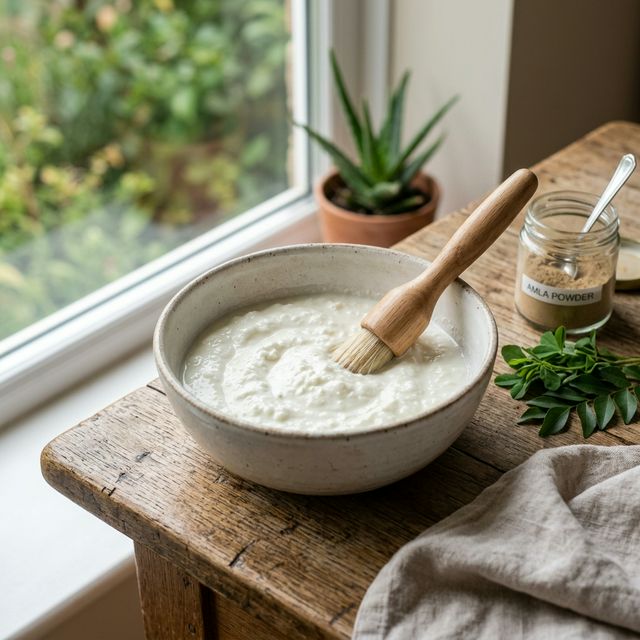
Aloe Vera and Coconut Oil Mask
Mix two tablespoons of fresh aloe vera gel with one tablespoon of coconut oil. Aloe vera contains enzymes that repair dead skin cells on the scalp and condition the hair. Apply for 30 minutes before washing.
Professional Treatments for Hair Repair
When home remedies are not enough, these professional options can make a significant difference:
PRP Therapy: Platelet-Rich Plasma therapy stimulates the scalp's healing process and promotes healthier, stronger hair growth from the follicle level.
Salon Deep Conditioning: Professional deep conditioning treatments use higher concentrations of active ingredients and sometimes heat or steam to drive them deeper into the hair shaft.
Olaplex-Style Treatments: Bond-building salon treatments can reconnect broken molecular bonds within the hair shaft, restoring structural integrity that no amount of conditioning can achieve.
Preventing Future Damage
Once you have repaired your hair, prevention becomes your top priority. Follow these guidelines to keep your hair healthy going forward:
Always use a heat protectant before any heat styling. Limit heat tools to twice a week at most. Space out chemical treatments by at least eight weeks. Sleep on a silk pillowcase. Use gentle hair ties and avoid tight hairstyles. Get regular trims. And most importantly, maintain a comprehensive hair care routine that prioritizes both protein and moisture.
Frequently Asked Questions
Can damaged hair be fully repaired?
Once hair is severely damaged, it cannot be fully restored to its original state since hair is dead tissue. However, you can significantly improve its appearance and prevent further damage. Trimming damaged ends and nurturing new growth is the most effective long-term strategy.
How long does it take to repair damaged hair?
With consistent care, you can see improvements in texture and manageability within 4 to 8 weeks. Full recovery, including growing out damaged sections, can take 6 months to a year depending on hair length and severity of damage.
Should I cut off all my damaged hair?
You do not need to cut it all off unless the damage is extreme. Regular trims every 6 to 8 weeks can gradually remove damaged ends while you focus on nurturing healthier new growth.