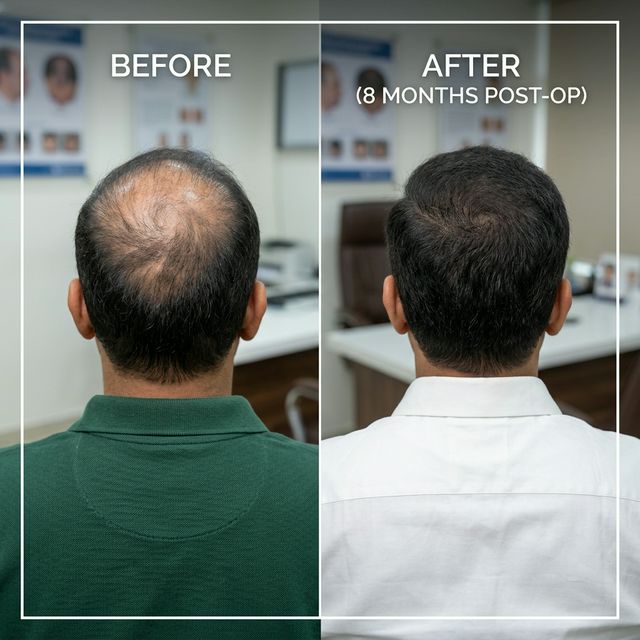
Yes, hair transplant is a safe procedure when performed by a qualified, experienced surgeon in a proper clinical setting. Modern techniques like FUE and FUT have made hair transplantation one of the safest cosmetic procedures available today.
Safety is the number one concern for anyone considering a hair transplant. This is completely understandable, as it is a surgical procedure that involves your appearance and well-being. Let us address every safety aspect in detail so you can make a fully informed decision.
Why Modern Hair Transplants Are Safe
Hair transplant technology has evolved dramatically over the past two decades. Here is why modern procedures are considered safe:
- Minimally Invasive: FUE (Follicular Unit Extraction) involves extracting individual follicles with tiny punches less than 1mm in diameter. There are no large incisions or stitches.
- Local Anesthesia Only: The procedure is performed under local anesthesia, eliminating risks associated with general anesthesia.
- Your Own Hair: Since the transplant uses your own hair follicles, there is zero risk of rejection or allergic reaction.
- No Major Blood Loss: The procedure involves minimal bleeding, and the tiny extraction sites heal on their own within days.
- Outpatient Procedure: You go home the same day with no overnight hospital stay required.
Potential Risks and Side Effects
Like any medical procedure, hair transplants carry some risks. However, most are minor and temporary:
Common Side Effects (Normal and Temporary)
- Swelling: Mild forehead swelling for 2-3 days after the procedure
- Redness: Pinkness in the transplant area that fades within 1-2 weeks
- Scabbing: Small scabs at the graft sites that fall off within 7-10 days
- Numbness: Temporary numbness in the donor or recipient area that resolves within weeks
- Shock Loss: Temporary shedding of transplanted and surrounding hair, which is a normal part of the growth cycle
For a detailed timeline of what to expect, read our week-by-week recovery guide.
Rare Complications
- Infection: Extremely rare (less than 1%) when proper sterile protocols are followed. Prevented with prescribed antibiotics.
- Scarring: FUE leaves virtually invisible dot scars. FUT can leave a linear scar at the donor site, usually hidden by hair.
- Poor Graft Survival: Can occur if post-operative care instructions are not followed or if the surgeon lacks experience. Read about common patient mistakes to avoid this.
- Unnatural Results: Only a risk with inexperienced surgeons who create poor hairline designs or incorrect graft placement.
Safety for Patients with Medical Conditions
Many patients wonder if existing health conditions affect hair transplant safety:
- Diabetes: Hair transplant is possible for diabetic patients with controlled blood sugar levels. Blood sugar must be stable before, during, and after surgery. See our detailed guide on hair transplant for diabetic patients.
- High Blood Pressure: Must be well-controlled before surgery. Uncontrolled hypertension increases bleeding risk.
- Blood Thinning Medications: May need to be paused before surgery under doctor guidance.
- Autoimmune Conditions: Conditions like alopecia areata may affect results. A thorough evaluation is essential. Read our eligibility guide.
How to Ensure a Safe Hair Transplant
The single most important factor in hair transplant safety is your choice of surgeon and clinic:
- Choose a Board-Certified Surgeon: Verify credentials, training, and specialization in hair restoration
- Check Before-After Photos: Review real patient results from the specific surgeon, not just the clinic
- Visit the Clinic: Ensure it has proper sterilization equipment, an operating theater, and emergency protocols
- Read Reviews: Look for verified patient testimonials and reviews
- Ask Questions: A good surgeon will happily answer all your concerns about safety, technique, and expected results
- Avoid Bargain Hunting: Extremely low prices often mean cutting corners on safety. Read about cost vs results expectations.
Hair Transplant Safety Statistics
The numbers speak for themselves:
- Overall success rate: 95-98% with experienced surgeons
- Serious complication rate: Less than 1%
- Patient satisfaction rate: Over 90% report being satisfied with results
- Infection rate: Less than 0.5% in reputable clinics
Get a Safe Hair Transplant at DenceSpot
Our board-certified surgeons follow the highest safety protocols. Book a free consultation to discuss your hair restoration goals.
Book Free ConsultationFrequently Asked Questions
What is the success rate of hair transplant?
Modern hair transplant procedures have a success rate of 95-98% when performed by experienced surgeons. The transplanted hair follicles typically survive and grow permanently in their new location.
Are there any long-term side effects?
Long-term side effects are extremely rare with modern techniques. Some patients may experience minor scarring at the donor site, but this is usually hidden by surrounding hair. There are no systemic long-term health risks.
What happens if a hair transplant goes wrong?
Complications like unnatural hairline design, poor graft survival, or visible scarring can occur with inexperienced surgeons. This is why choosing a qualified, board-certified surgeon is critical. Corrective procedures are available for failed transplants.