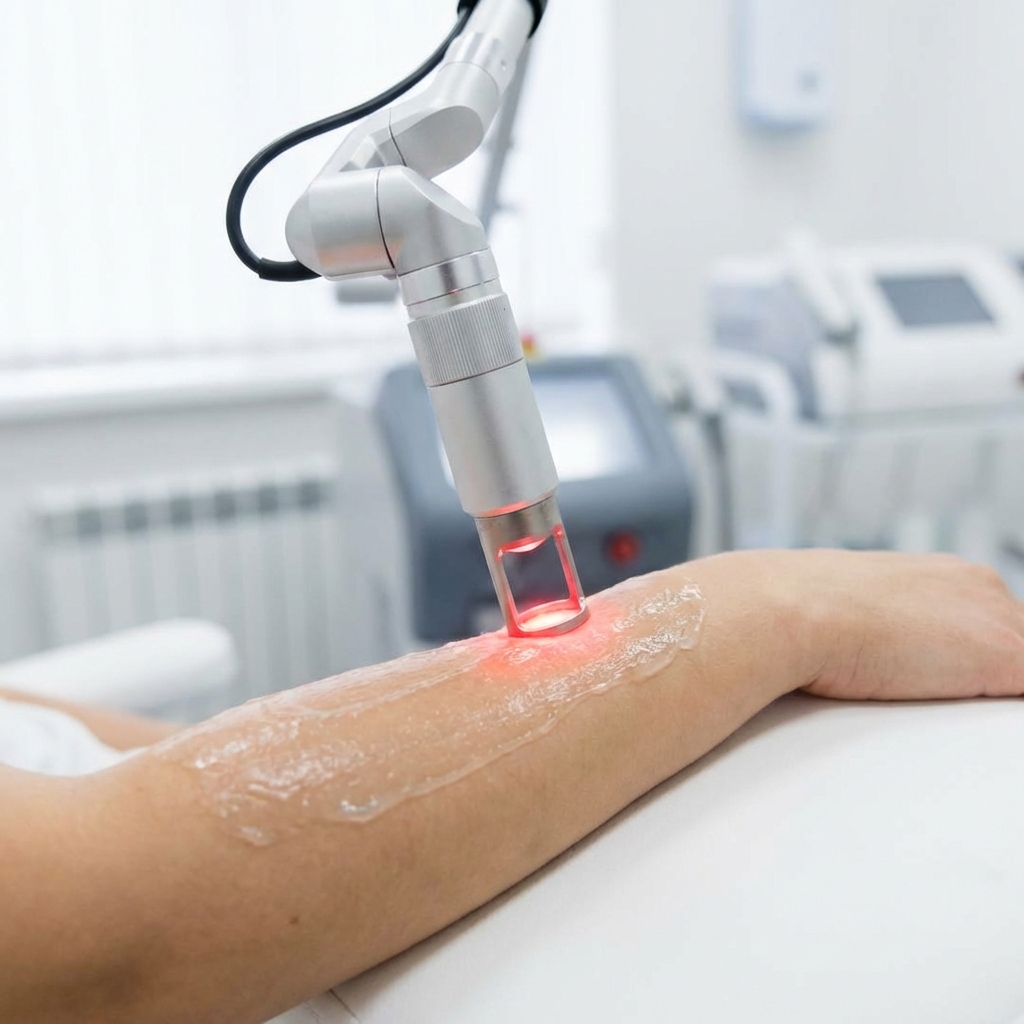
"Will the hair ever come back?" — this is the most common question patients ask before starting laser hair removal in Gurgaon. The answer is more nuanced than a simple yes or no, and understanding the science behind it will help you set realistic expectations and achieve the best possible results.
Laser hair removal is one of the most popular cosmetic procedures performed worldwide, with millions of treatments done every year. In India alone, the demand has grown exponentially as patients seek a long-term alternative to the endless cycle of waxing, shaving, and threading. But does it truly deliver permanent results? Let us examine what science, clinical research, and regulatory bodies have to say.
The Science Behind Laser Hair Removal
To understand whether laser hair removal is permanent, you first need to understand how it works at a biological level. The process is based on a principle called selective photothermolysis — a term that means using specific wavelengths of light to target specific tissues without damaging surrounding skin.
The laser emits a concentrated beam of light that is absorbed by melanin (the pigment) in the hair shaft. This light energy is converted into heat, which travels down the hair shaft to the follicle — the tiny structure beneath the skin responsible for hair growth. When the follicle is heated to approximately 70 degrees Celsius, its regenerative cells (particularly the dermal papilla and the bulge region containing stem cells) are damaged or destroyed.
Once these cells are sufficiently damaged, the follicle can no longer produce new hair. However, and this is the critical point, the degree of damage varies from follicle to follicle. Some follicles are completely destroyed, some are partially damaged, and some may escape damage entirely during a single session. This is why multiple sessions are necessary and why the result is classified as reduction rather than complete removal.
FDA Classification: Permanent Reduction vs. Permanent Removal
The U.S. Food and Drug Administration (FDA) — the gold standard for medical device regulation — does not classify laser hair removal as "permanent hair removal." Instead, it uses the term "permanent hair reduction."
According to the FDA definition, permanent hair reduction means a long-term, stable decrease in the number of hairs regrowing after a treatment regimen. This does not necessarily imply the elimination of all hairs in the treated area. The key word here is "stable" — meaning the reduction should be maintained over a period longer than the complete hair growth cycle, which is typically several months to a year.
This distinction is not merely semantic. It is a medically accurate description of what the technology can achieve. Electrolysis, in contrast, is the only hair removal method the FDA classifies as truly "permanent." We will compare these two methods later in this article. For a broader expert perspective on this topic, you can also read our detailed guide on whether laser hair removal is permanent.
Why the Distinction Matters
Understanding this classification protects you as a patient. Any clinic that promises "100% permanent hair removal" with laser is being misleading. At DenceSpot Clinic, we believe in honest, evidence-based communication. We tell our patients what laser can genuinely achieve — and the results are impressive even without being absolute.
What Percentage of Hair Reduction Can You Expect?
Clinical studies published in peer-reviewed journals provide clear data on expected outcomes:
After 3 sessions: Most patients experience a 40-50% reduction in hair growth. The remaining hair often becomes finer and lighter in color.
After 6 sessions: Hair reduction typically reaches 70-85%. Many patients report that the treated area looks and feels almost hair-free at this stage.
After 8+ sessions: Optimal results are achieved, with 80-95% permanent reduction. The small percentage of remaining hair is usually very fine, light-colored vellus hair (peach fuzz) that is barely noticeable.
A 2006 study published in the journal Lasers in Surgery and Medicine followed patients for 12 months after completing their laser sessions and found an average permanent hair reduction of 84.7%. Another study in the Journal of the American Academy of Dermatology reported similar figures, with some patients maintaining over 90% reduction at the 2-year follow-up mark.
These are excellent outcomes by any measure. The key takeaway is that while you may not achieve 100% elimination, the vast majority of unwanted hair is gone permanently.
The Hair Growth Cycle and Why Multiple Sessions Are Needed
Hair grows in three distinct phases, and understanding these is essential to understanding why laser requires multiple sessions:
1. Anagen Phase (Active Growth)
This is the only phase during which laser treatment is effective. During anagen, the hair is actively growing and is connected to the follicle. Melanin is at its highest concentration, which means the laser energy can travel down the shaft to the follicle effectively. At any given time, only 20-30% of your body hair is in the anagen phase.
2. Catagen Phase (Transition)
The hair detaches from the follicle and stops growing. The follicle begins to shrink. Laser treatment during this phase has minimal effect because the connection between hair and follicle is weakened.
3. Telogen Phase (Resting)
The hair is dormant and eventually falls out naturally. The follicle is resting and not producing melanin. Laser treatment during this phase is essentially ineffective.
Because only a fraction of your hair is in the anagen phase during each session, you need 6-8 sessions spaced 4-8 weeks apart (depending on the body area) to catch all follicles during their active growth phase. This is not a limitation of the technology — it is a biological reality that applies to all light-based hair removal methods.
Factors That Affect the Permanence of Results
Not everyone experiences the same level of reduction. Several key factors influence how permanent your results will be:
1. Hair Color and Thickness
Laser works best on dark, coarse hair because darker hair contains more melanin, which absorbs more laser energy. Thick hair provides a larger target for the laser beam. Conversely, fine, light-colored, grey, or red hair contains less melanin and responds poorly to laser treatment. This is one area where electrolysis may be a better option.
2. Skin Tone
The ideal candidate has light skin and dark hair — this provides maximum contrast between the melanin in the hair and the surrounding skin. However, advances in laser technology have significantly expanded the range of treatable skin tones. The Nd:YAG laser (1064nm wavelength) is specifically designed for darker skin types (Fitzpatrick IV-VI), which includes most Indian skin tones. At DenceSpot Clinic, we use this technology to safely and effectively treat patients across the full spectrum of Indian skin tones.
3. Hormonal Factors
Hormones play a significant role in hair growth, and hormonal fluctuations can impact laser results:
PCOS (Polycystic Ovary Syndrome): Women with PCOS have elevated androgen levels, which stimulate excessive hair growth (hirsutism). Laser can effectively reduce existing hair, but hormonal stimulation may cause new follicles to become active over time. These patients typically require more maintenance sessions.
Pregnancy: Hormonal changes during pregnancy can trigger hair growth in areas that were previously treated. This is temporary in most cases, and maintenance sessions after delivery can address the regrowth.
Menopause: Declining estrogen levels during menopause can lead to increased facial hair growth. Again, maintenance sessions are the solution.
Thyroid Disorders: Both hypothyroidism and hyperthyroidism can affect hair growth patterns and potentially impact laser results.
4. Treatment Consistency
Completing the full course of recommended sessions at the proper intervals is crucial. Skipping sessions or spacing them too far apart means you miss follicles during their anagen phase, reducing overall effectiveness. Patients who follow their treatment schedule consistently achieve better and more permanent results.
5. Laser Type and Settings
The type of laser used and its settings significantly impact results. Medical-grade lasers in clinical settings (like those used at DenceSpot) deliver superior results compared to at-home devices or non-medical settings. The wavelength, pulse duration, fluence (energy level), and spot size must all be optimized for your specific skin type and hair characteristics.
Want to Know If Laser Will Work for Your Hair and Skin Type?
At DenceSpot Clinic Gurgaon, we perform a detailed skin and hair analysis before recommending treatment. Our experts will assess your skin tone, hair color, and hormonal factors to give you a realistic expectation of results. Your first consultation is free.
Book Free ConsultationWhich Body Areas Respond Best to Laser Hair Removal?
Not all body areas respond equally to laser treatment. Here is what clinical data shows about specific areas:
Underarms: One of the best-responding areas. The hair is typically dark and coarse, and the skin is relatively light. Patients often achieve 90-95% permanent reduction. This is one of the most popular treatment areas in India.
Bikini Line and Full Brazilian: Excellent response due to coarse, dark hair. 85-95% reduction is typical. The skin in this area is also relatively protected from sun exposure, which is an advantage.
Legs: Very good response with 80-90% reduction. The large surface area means sessions take longer, but the results are highly satisfying.
Upper Lip and Chin: Good response, typically 70-85% reduction. However, these areas are more influenced by hormones, especially in women with PCOS, so maintenance sessions may be needed more frequently. For those exploring permanent facial hair solutions, our guide on how to remove facial hair permanently covers all available options.
Back and Chest (Men): Good response with 75-90% reduction. Men typically have thicker, more deeply rooted hair, which may require additional sessions.
Arms and Forearms: Moderate response, 70-80% reduction. Hair in these areas can be finer and lighter, which reduces laser effectiveness slightly.
Face (Peach Fuzz): Poor response. Very fine, light vellus hair lacks sufficient melanin for effective laser treatment. This type of hair is better addressed with other methods.
Maintenance Sessions: What to Expect Long-Term
Even after completing a full course of laser sessions, most patients benefit from periodic maintenance treatments. Here is a realistic timeline:
First Year After Completion: 1-2 maintenance sessions are typically recommended, usually around the 6-month and 12-month marks. These sessions target any hair that has entered the anagen phase since the last treatment.
Years 2-5: Most patients need just one session per year, if any. Some patients find they do not need any maintenance during this period.
Beyond 5 Years: Occasional touch-ups may be needed, particularly if hormonal changes occur (pregnancy, menopause, new medications). Many patients go years without needing any treatment.
The cost and time commitment of maintenance sessions is minimal compared to a lifetime of waxing or shaving. When you factor in the total expense, laser remains the most economical long-term solution. For a deeper understanding of costs, read our guide on how much laser hair removal costs.
Laser Hair Removal vs. Electrolysis: Which Is Truly Permanent?
This is a comparison every patient should understand before making a decision:
Electrolysis
Electrolysis is the only FDA-approved method for permanent hair removal. It works by inserting a tiny needle into each individual hair follicle and delivering an electric current that destroys the follicle completely. Because it targets follicles one at a time regardless of hair color, it works on all hair types, including grey, blonde, and red hair.
However, electrolysis has significant practical limitations. It is extremely time-consuming — treating a full leg could take hundreds of hours across many sessions. It can be more painful than laser. It is more expensive per unit of area treated. And it carries a higher risk of scarring if performed incorrectly.
Laser Hair Removal
Laser treats hundreds of follicles simultaneously in a fraction of the time. A full leg can be treated in under an hour, compared to hundreds of hours with electrolysis. It is classified as permanent reduction (80-95%), not permanent removal. It works best on dark hair and is less effective on very light hair.
The Practical Verdict
For the vast majority of patients — especially those with dark hair and medium to dark skin tones (which includes most Indian patients) — laser hair removal is the superior choice. It offers an excellent balance of effectiveness, speed, comfort, and cost. Electrolysis may be recommended for small areas with light-colored hair where laser cannot be effective, or for patients seeking absolute 100% elimination in a very targeted area.
Common Myths About Laser Hair Removal Permanence
Myth 1: Laser removes hair permanently after one session
Fact: A single session only targets 20-30% of hair in the active growth phase. Multiple sessions are essential for comprehensive results.
Myth 2: Hair grows back thicker after laser
Fact: This is scientifically impossible. Laser damages the follicle, meaning any regrowth is always finer and lighter than the original hair. The perception of thicker regrowth is a common misconception.
Myth 3: Laser does not work on Indian skin
Fact: With the appropriate laser technology (Nd:YAG), laser is both safe and highly effective on Indian skin tones. In fact, the combination of darker hair and the right laser wavelength often produces excellent results for Indian patients.
Myth 4: At-home laser devices give the same results as clinical treatment
Fact: At-home devices use significantly lower energy levels for safety reasons. They can slow hair growth temporarily but cannot achieve the permanent reduction that medical-grade clinical lasers deliver.
Myth 5: Once the hair is gone, it can never come back
Fact: While treated follicles that are destroyed will not produce hair again, hormonal changes, medications, or aging can activate previously dormant follicles. This is new growth, not a failure of the previous treatment.
How to Maximize the Permanence of Your Results
Based on clinical evidence and our experience at DenceSpot Clinic, here are the most effective ways to ensure your laser results last as long as possible:
Complete the full course: Do not stop after 4-5 sessions just because results look good. The final sessions target the remaining stubborn follicles that can cause noticeable regrowth later.
Maintain your schedule: Keep appointments at the recommended intervals. Consistency is key to catching follicles in their anagen phase.
Avoid sun exposure: Tanned skin reduces the contrast between hair and skin, lowering treatment effectiveness. Use SPF 50+ sunscreen on treated areas between sessions.
Do not wax or pluck between sessions: These methods remove the hair root, which the laser needs to target. Shaving is fine because it only cuts the hair at the surface.
Address hormonal issues: If you have PCOS or thyroid disorders, work with your endocrinologist to manage hormone levels. This will improve and prolong your laser results.
Commit to maintenance: Annual or semi-annual touch-up sessions keep results optimal long-term. Think of it as maintenance, similar to how you maintain any other aspect of your health.
For patients also concerned about overall skin health, combining laser with professional skin treatments in Gurgaon can help you achieve comprehensive aesthetic results.
Ready for Long-Lasting Smooth Skin?
At DenceSpot Clinic Gurgaon, we use the latest medical-grade laser technology calibrated specifically for Indian skin tones. Our dermatologists create a personalized treatment plan based on your hair type, skin tone, and goals. Book your free consultation today and take the first step toward permanently smooth skin.
Book Free ConsultationFrequently Asked Questions
Is laser hair removal 100% permanent?
No. The FDA classifies laser hair removal as "permanent hair reduction," not permanent removal. Most patients achieve 80-95% reduction after completing their sessions. Some fine hair may regrow over time, but it is typically lighter and thinner than the original hair.
How many sessions are needed for permanent results?
Most people need 6-8 sessions spaced 4-8 weeks apart to target all hair in its active growth phase (anagen). After the initial course, 1-2 maintenance sessions per year are usually sufficient to maintain results.
Does laser hair removal work on all skin tones?
Yes. Modern lasers like the Nd:YAG are specifically designed for darker skin tones, which is particularly relevant for Indian patients. At DenceSpot Clinic, we select the appropriate laser type based on your individual skin tone and hair color for safe, effective results.
Which body areas respond best to laser hair removal?
Areas with coarse, dark hair respond best — including the underarms, bikini line, legs, and upper lip. These areas typically achieve 90-95% reduction. Areas with finer or lighter hair, such as the forearms or peach fuzz on the face, may respond less dramatically.
Is laser hair removal better than electrolysis?
Laser is faster and more efficient for treating large areas. Electrolysis is the only method classified as truly permanent removal by the FDA, but it treats one follicle at a time. For most patients, laser provides the best balance of speed, comfort, and long-lasting results.
Can hormonal changes cause hair to grow back after laser treatment?
Yes. Hormonal changes from pregnancy, PCOS, menopause, or thyroid disorders can stimulate dormant follicles and cause new hair growth. This is not a failure of the treatment — it is new hair that was not previously present. Maintenance sessions can address this regrowth effectively.